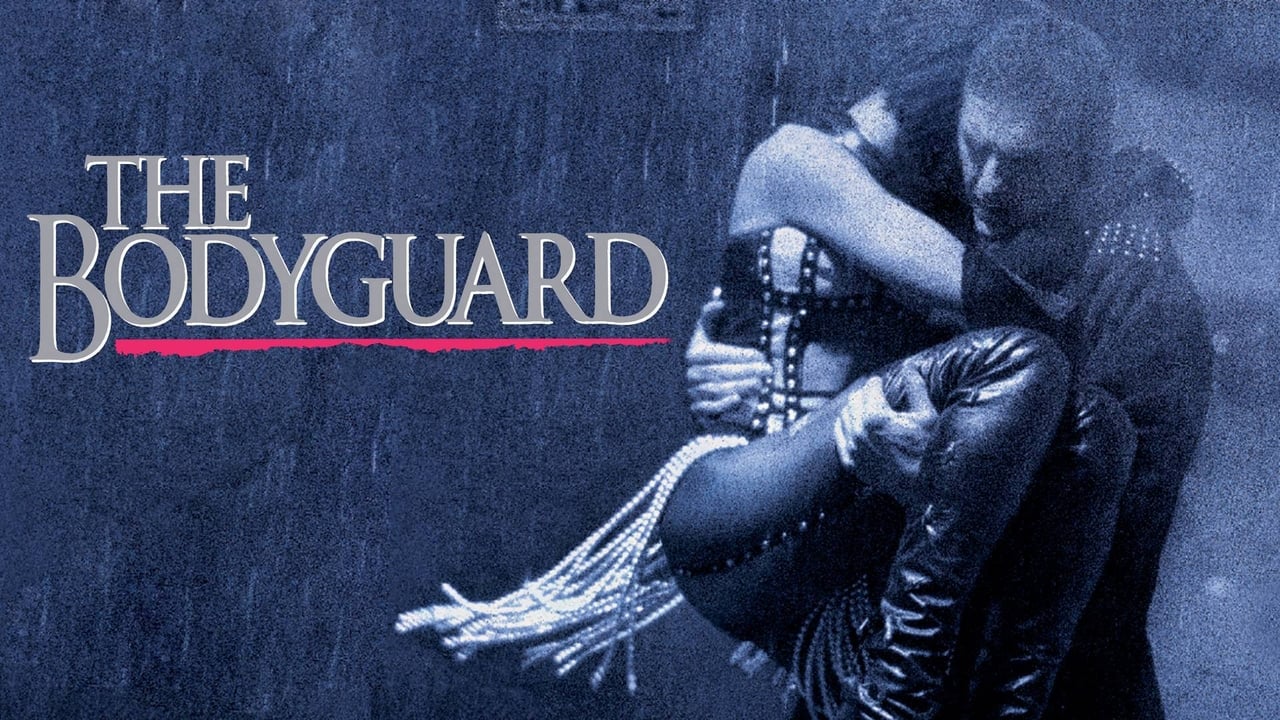
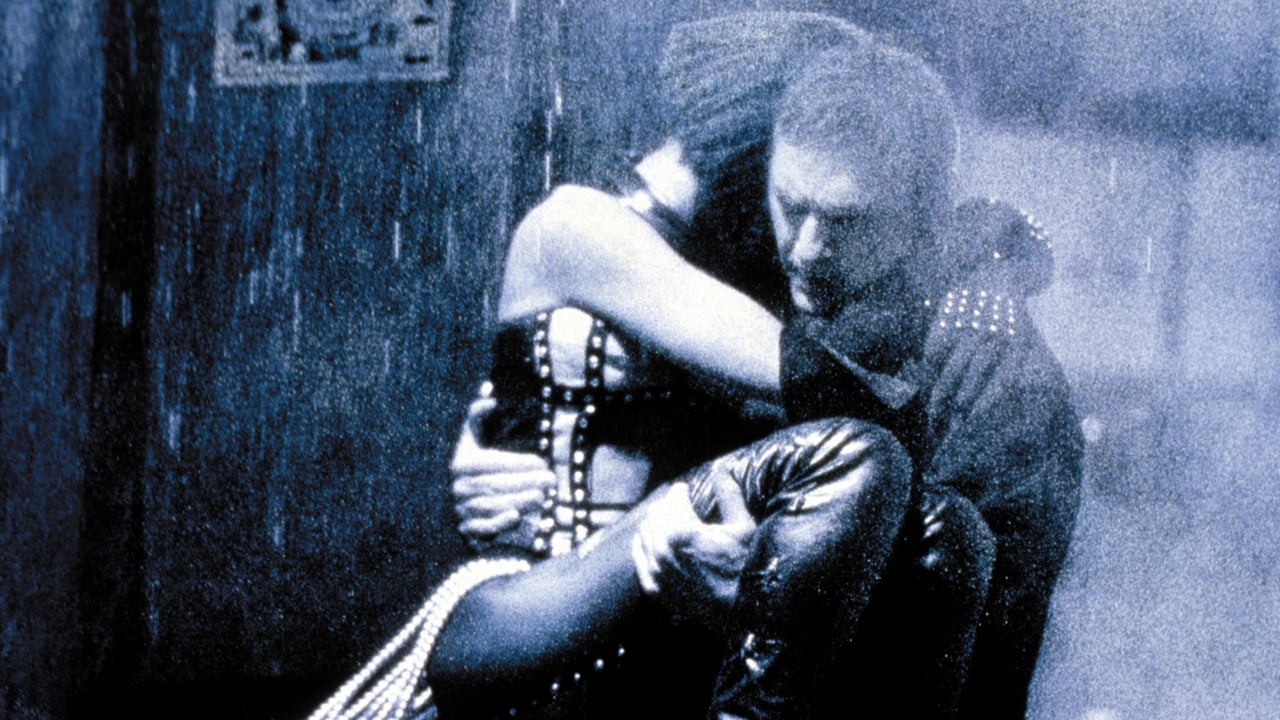
It’s hard to separate The Bodyguard (1992) from the sheer cultural event it became. It landed with the force of a perfectly delivered power ballad, echoing from multiplexes, car stereos, and Walkmans for what felt like an eternity. Remember that poster? Kevin Costner, at the absolute peak of his stoic heroism post-Dances with Wolves (1990), carrying Whitney Houston, already global music royalty, seemingly unconscious, out of danger. It promised drama, romance, and a clash of two colossal stars. Revisiting it now, decades removed from the initial whirlwind, feels like unearthing a time capsule – one filled with glossy production values, simmering tension, and a soundtrack that arguably became bigger than the film itself.

### A Script Decades in the Making
One fascinating tidbit, often lost in the shadow of its mega-stardom, is the journey of the script itself. Penned by none other than Lawrence Kasdan – the man behind screenplays for The Empire Strikes Back (1980) and Raiders of the Lost Ark (1981), and writer/director of The Big Chill (1983) – the story wasn't a quick 90s cash-in. Kasdan actually wrote it way back in the mid-1970s, envisioning Steve McQueen and Diana Ross in the lead roles. Imagine that version! That it sat on a shelf for so long until Costner, then a major Hollywood player and producer, became interested speaks volumes about timing and star power. Costner was apparently instrumental in championing Houston for the role of Rachel Marron, seeing something in her untrained acting potential that mirrored the character's blend of public confidence and private vulnerability. It's a testament to how casting can fundamentally reshape a film's identity; it’s almost impossible now to imagine anyone else in these roles.
### Star Power and Simmering Chemistry

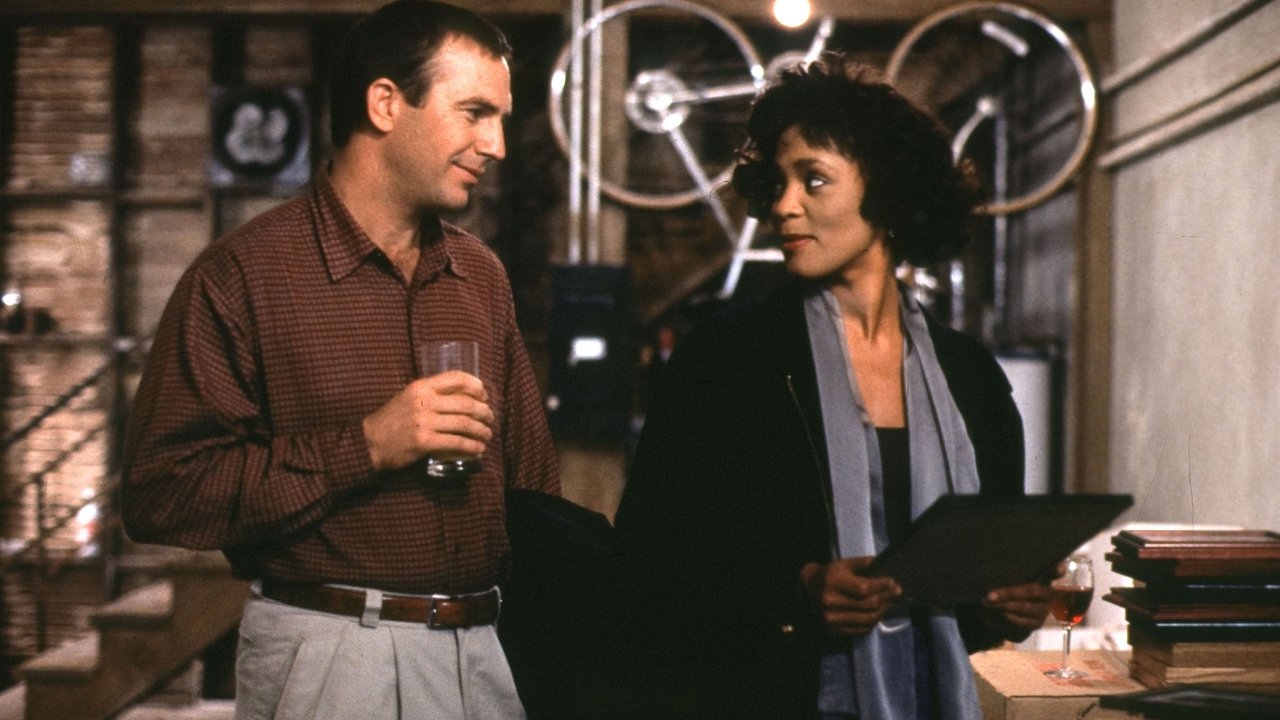
Kevin Costner plays Frank Farmer, the titular bodyguard, a man defined by meticulous professionalism and emotional unavailability. He's ex-Secret Service, haunted by the past (specifically, the Reagan assassination attempt occurring on his watch, though he was off-duty), and approaches protecting superstar singer/actress Rachel Marron from a dangerous stalker with grim determination. Costner leans into his strong, silent archetype, communicating volumes with wary glances and clipped dialogue. It's a performance built on restraint, sometimes bordering on stiffness, but effectively conveying a man walled off from connection.
Then there’s Whitney Houston in her acting debut. Playing Rachel Marron, a character clearly echoing her own real-life stratosphere of fame, was both inspired casting and a huge gamble. Does she deliver a technically flawless performance? Perhaps not by traditional metrics. There are moments where the inexperience shows. But what she brings is an undeniable, incandescent star quality and a raw vulnerability that feels utterly authentic. When Rachel is performing, Houston commands the screen, reminding us why she was one of the biggest stars on the planet. More importantly, in the quieter scenes with Frank, or with her son Fletcher, she reveals glimpses of the pressure and isolation beneath the diva facade. You genuinely believe this is a woman grappling with the terrifying reality of a threat she can't control. The film wisely leans into Houston’s musical strengths, essentially pausing the plot for concert sequences that feel less like narrative progression and more like integral parts of the Whitney Houston phenomenon unfolding before our eyes.
Does the central romance work? That’s often the core debate. The chemistry between Costner and Houston is less about overt passion and more about a slow burn, a gradual thawing of two guarded individuals finding an unexpected connection. It’s the friction between Frank’s rigid control and Rachel’s emotional expressiveness that generates the sparks. Their famous slow dance to "I Have Nothing" remains a genuinely tender moment, a quiet island in the midst of escalating danger.
### Gloss, Danger, and That Soundtrack
Directed by Mick Jackson, known previously for the charming L.A. Story (1991), The Bodyguard boasts the high-gloss aesthetic typical of early 90s blockbusters. The mansions are sprawling, the concerts are spectacular, and the danger feels appropriately cinematic, even if some of the thriller mechanics feel a little predictable by today's standards. The identity of the stalker (played with unsettling intensity by Gary Kemp of Spandau Ballet fame, a casting choice that still feels slightly left-field) isn't the film's most compelling mystery. The real tension lies in the relationship dynamics and the ever-present threat simmering just beneath the surface.
Of course, no discussion of The Bodyguard is complete without acknowledging the soundtrack. Selling over 45 million copies worldwide and winning the Grammy for Album of the Year, it wasn’t just a collection of songs; it was a cultural landmark. Houston's rendition of Dolly Parton's "I Will Always Love You" became ubiquitous, an anthem defining an era. The music isn't just background noise here; it is Rachel Marron, it fuels the emotional core of the film, and its phenomenal success undoubtedly propelled the movie's box office ($411 million worldwide on a $25 million budget – that's roughly $890 million adjusted for today, a staggering success). I distinctly remember the cassette tape living in my car's player for months back then; you simply couldn't escape it.
### Lasting Echoes
Watching The Bodyguard today feels like revisiting a specific moment in time. Some elements, like the slightly clunky thriller plot points or the sheer 90s-ness of certain fashions, definitely show their age. But the core appeal remains surprisingly potent. It’s a fascinating blend of romantic drama, suspense thriller, and star vehicle, anchored by two iconic performers navigating the treacherous landscape of fame, danger, and unexpected intimacy. The film captured lightning in a bottle, pairing two of the era's biggest stars in a story that, thanks largely to Kasdan's surprisingly durable script (even after decades on the shelf) and Houston's unforgettable voice, resonated deeply with audiences.
Rating: 7/10
This score reflects the film's undeniable success as a cultural moment and star vehicle, bolstered by powerhouse performances (especially Houston's magnetic presence) and an all-time great soundtrack. While the thriller elements are somewhat conventional and the pacing occasionally uneven, the central relationship and the sheer nostalgic power it holds make it a significant and enjoyable piece of 90s cinema history. It remains a potent reminder of how sometimes, the right stars aligning at the right time can create something far bigger than the sum of its parts. What lingers most, perhaps even more than the plot, is the echo of that voice, and the image of two icons finding solace, however fleetingly, in each other's orbit.