There’s a certain kind of heat that rises not just from the pavement, but from within. It’s the humid, sticky languor of a New Orleans summer, sure, but it's also the fever of suppressed desire, the slow burn of dissatisfaction threatening to ignite. Watching Zandalee (1991) again after all these years feels like stepping back into that specific, sultry atmosphere, a place where bad decisions feel not just possible, but inevitable. It’s a film that practically sweats onto the screen, a prime example of the early 90s erotic thriller wave, albeit one that washed up primarily on the shores of video rental stores.
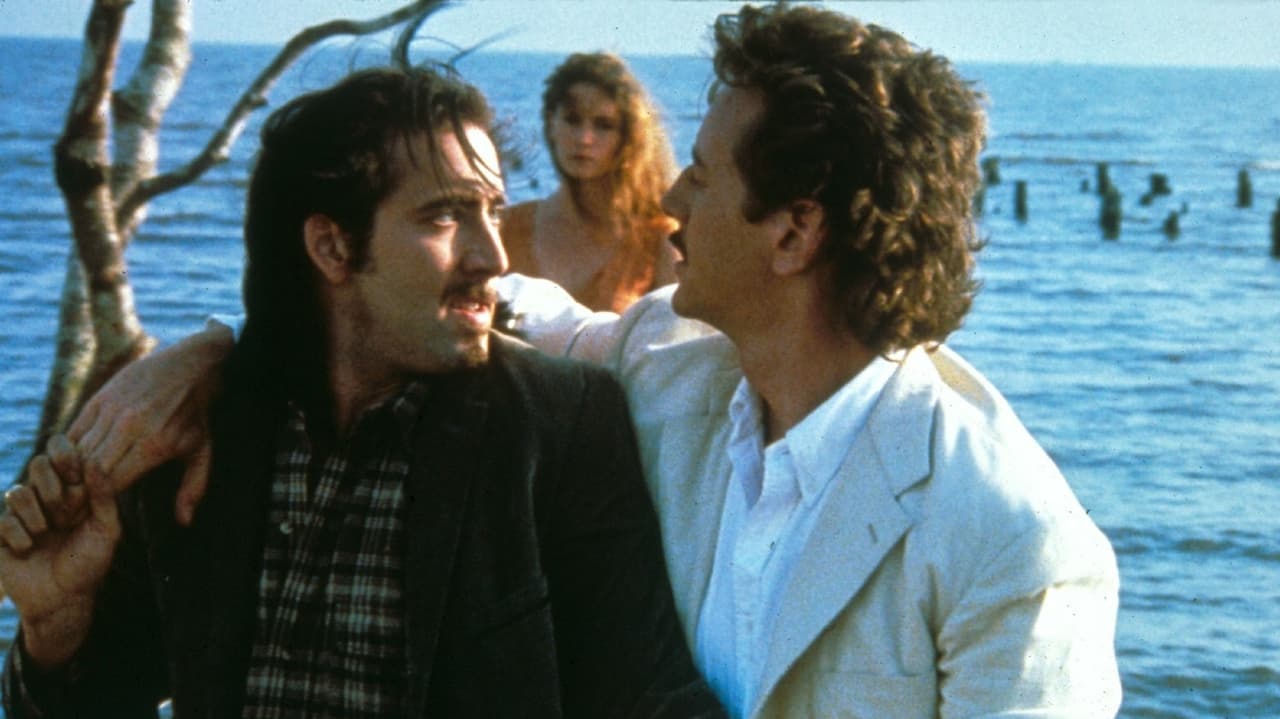
A Triangle Forged in Bayou Heat
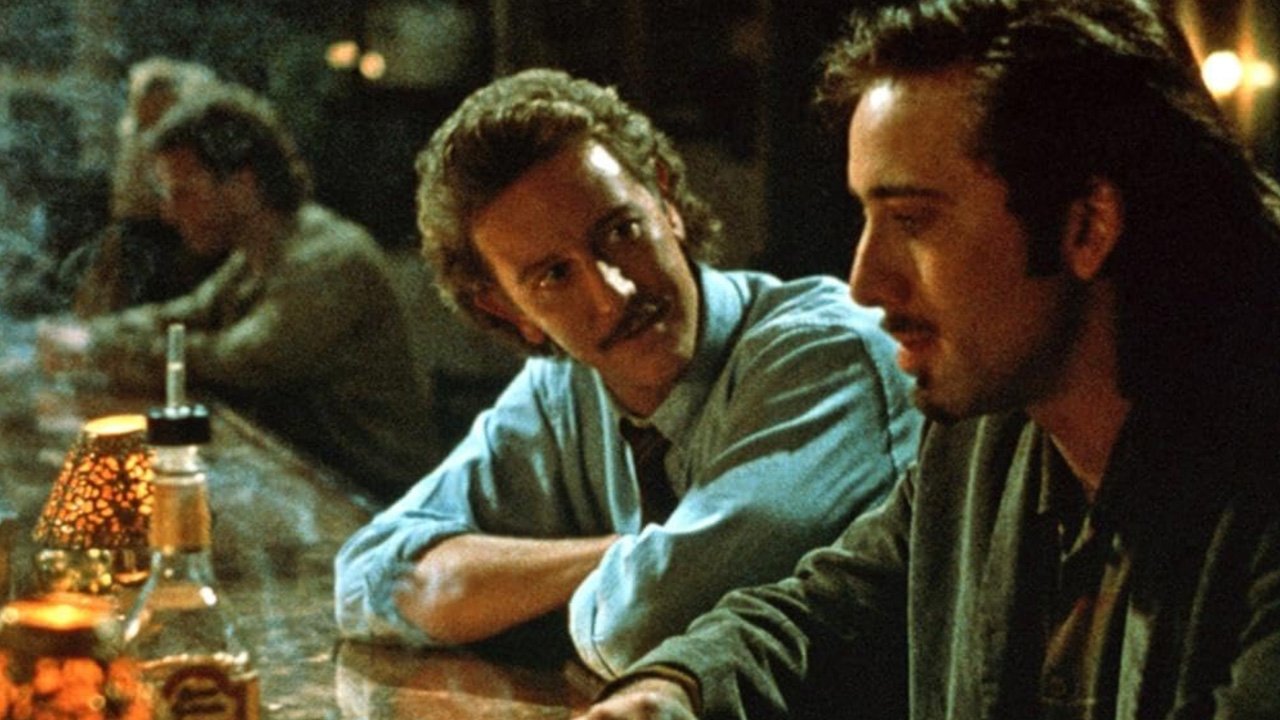
At its core, Zandalee spins a familiar, almost classical tale – a connection it wears somewhat loosely, being inspired by Émile Zola's 1867 novel Thérèse Raquin. Zandalee (played with a captivating blend of vulnerability and restlessness by Erika Anderson) finds herself adrift in her marriage to Thierry (Judge Reinhold), a childhood friend turned husband who has traded passion for poetry and the security of his family's business. He’s gentle, perhaps, but stiflingly predictable. Enter Johnny (Nicolas Cage), Thierry’s estranged painter friend, bursting back into their lives with the disruptive energy of a hurricane moving inland. He’s all raw impulse, danger, and artistic intensity – the very antithesis of Thierry. It doesn't take long for the sparks between Johnny and Zandalee to catch, threatening to burn down everything around them.
Cage Uncaged, Reinhold Against Type
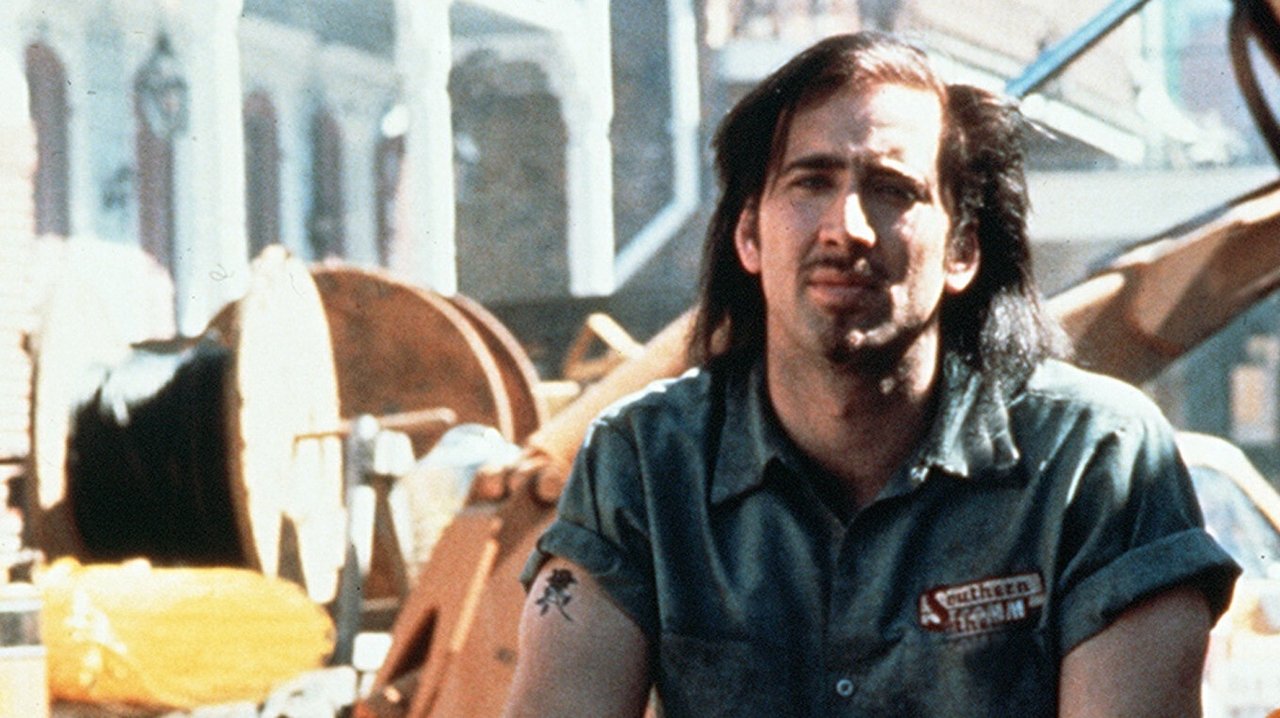
What elevates Zandalee beyond a mere exercise in style is, unsurprisingly, Nicolas Cage. Riding the wave of his truly wild turn in David Lynch's Wild at Heart (1990), Cage commits utterly to Johnny’s primal energy. It’s not subtle – little about Cage’s performance choices in this era were – but it’s undeniably magnetic. He prowls through scenes, a volatile mix of seducer and destroyer, making even mundane lines crackle with unpredictable intensity. You genuinely believe this is a man capable of anything, driven by forces he barely understands himself. It’s fascinating to watch, even when (or perhaps especially when) it teeters on the edge of excess.
Contrast this with Judge Reinhold. Seeing him here, far removed from the affable Detective Billy Rosewood of Beverly Hills Cop (1984) or the teen comedies that defined his earlier career, is initially jarring. Reinhold plays Thierry not as a villain, but as a man lost in his own gentle melancholy, unable to connect with his wife's deeper needs. It’s a performance that risks fading into the background against Cage’s fireworks, but there’s a quiet sadness to it that feels truthful. Does his passivity make him complicit in the tragedy that unfolds? The film leaves that uncomfortable question hanging in the humid air. Erika Anderson, tasked with anchoring the film as the titular character, effectively portrays Zandalee’s yearning for something more, even if the script sometimes reduces her to the object of the two men's opposing desires.
Sweat, Style, and the Direct-to-Video Haze
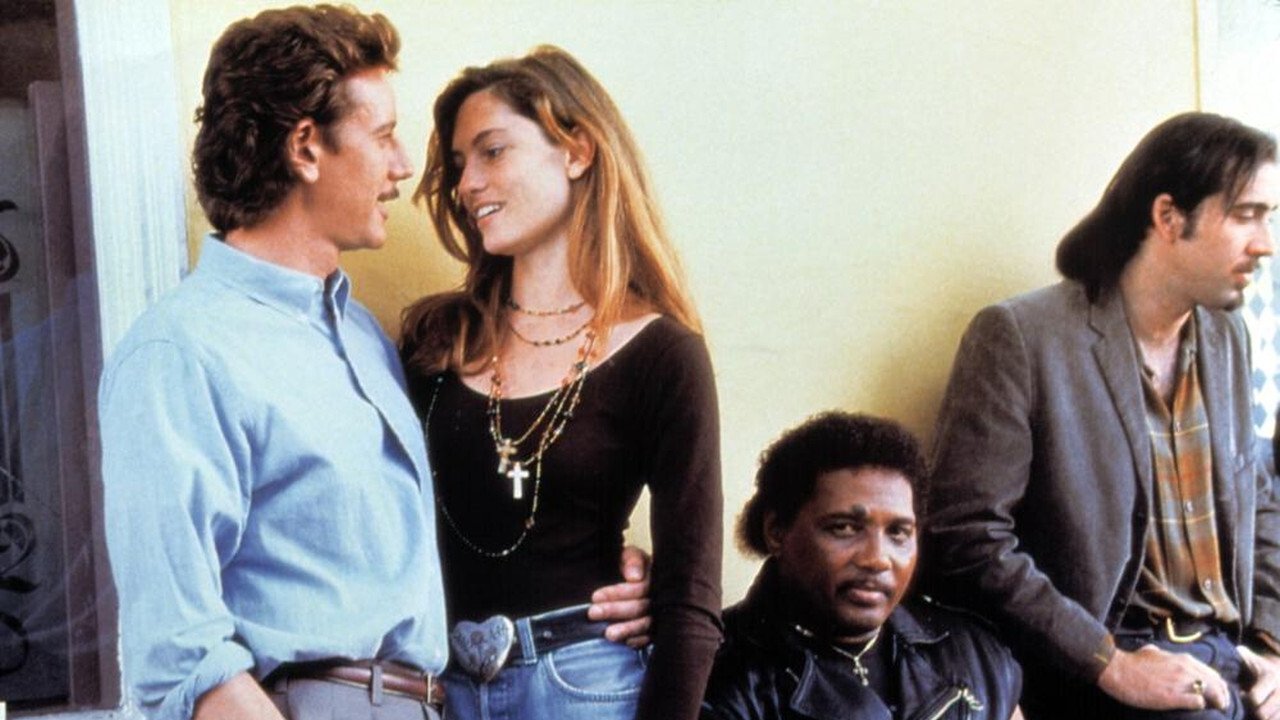
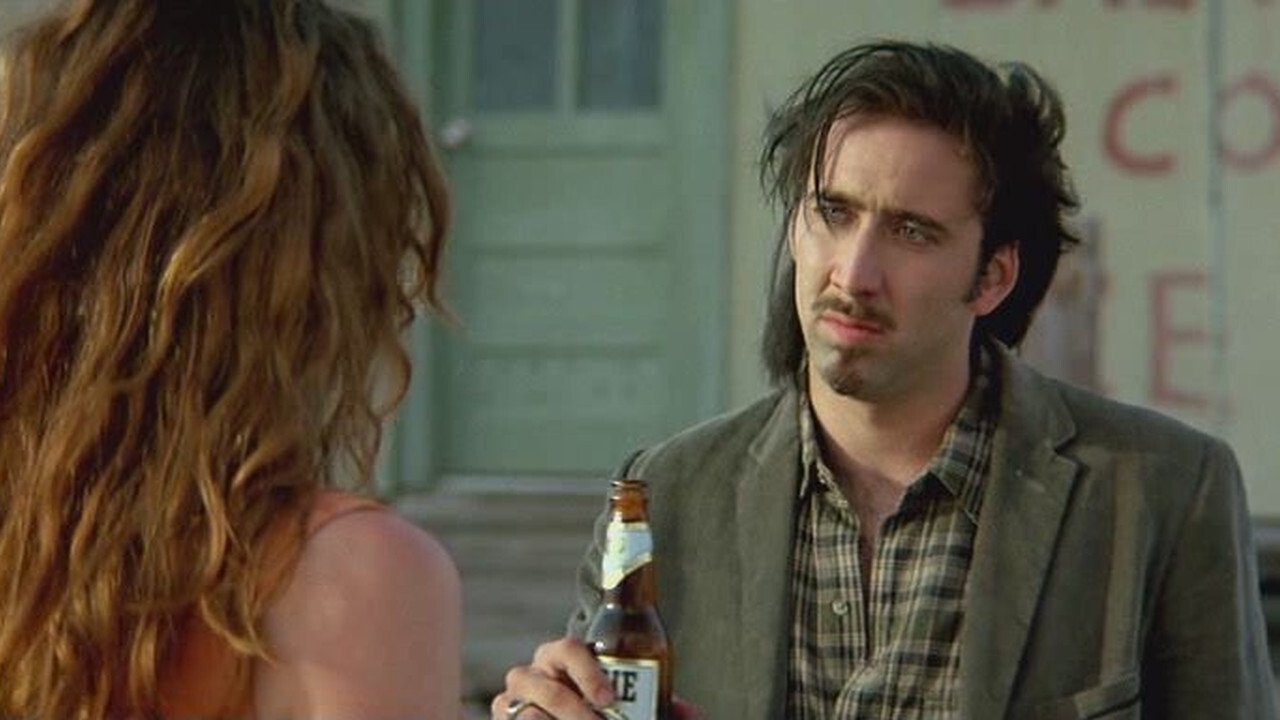
Director Sam Pillsbury, who also gave us the quite different family adventure Free Willy 3: The Rescue (1997) later in the decade, certainly leans into the New Orleans setting. The film looks gorgeous, drenched in the neon glow of Bourbon Street nightlife and the hazy light filtering through Spanish moss. The cinematography often favours close-ups, emphasizing the intimacy and claustrophobia of the central relationships. The pulsing saxophone score further dials up the requisite 90s thriller mood.
Interestingly, Zandalee largely bypassed American theaters, finding its audience instead through cable premieres and the burgeoning direct-to-video market. I distinctly remember seeing that evocative VHS cover art – often featuring Cage and Anderson in a passionate embrace – lining the shelves at Blockbuster. This release path probably contributed to its slightly cult, slightly notorious reputation. It also meant many viewers likely encountered the R-rated version first, though an unrated Director's Cut, restoring more explicit content, later became the standard on DVD and is often preferred by fans seeking the "full" experience. This history feels quintessentially VHS Heaven – a film discovered not through multiplex hype, but through the serendipity of browsing the rental aisles.
While filmed with a reported budget of around $7 million, its direct-to-video fate meant it never really set the box office alight. Yet, it remains a fascinating artifact of its time – a period piece capturing not just New Orleans, but the specific cultural moment when erotic thrillers, often fueled by recognizable stars exploring darker themes, were a video store staple.
Beneath the Surface Tension
Does Zandalee offer profound insights into love, lust, and betrayal? Perhaps not profoundly. It’s more interested in mood and transgression than deep psychological exploration. The Zola influence feels more like a narrative skeleton than a thematic deep dive into naturalism's grim determinism. Yet, it does tap into something resonant: the dangerous allure of throwing caution to the wind, the destructive potential of unchecked passion, and the quiet desperation that can fester within seemingly stable lives. What happens when the person who represents freedom is also the agent of chaos? It's a question the film poses, even if its answers are more visceral than intellectual.
The film isn't without its flaws. The dialogue occasionally dips into melodrama, and the plot mechanics sometimes feel secondary to generating heat between the leads. Yet, there's an undeniable sincerity to its moody romanticism, a commitment to its overheated world that keeps you watching.
Rating: 6/10
Zandalee is far from a perfect film, occasionally stumbling over its own stylistic ambitions and narrative tropes. However, its potent atmosphere, Nicolas Cage's electrifyingly unhinged performance, and its status as a quintessential artifact of the 90s direct-to-video erotic thriller boom make it a compelling watch for retro film enthusiasts. The 6 rating reflects its memorable qualities – particularly Cage and the evocative setting – balanced against its narrative unevenness and sometimes heavy-handed melodrama. It fully delivers on the specific sultry, slightly dangerous vibe it promises, even if the story beneath isn't always as compelling as the performances.
It's a film that lingers like the scent of rain on hot asphalt – maybe not entirely pleasant, but definitely hard to forget. Doesn't that intensity, even flawed, hold a certain fascination we rarely see anymore?