Alright, fellow tapeheads, let's rewind to a time when certain VHS boxes practically pulsed with forbidden energy on the rental shelf. You know the ones – maybe tucked away in the 'Drama' section but radiating something far more dangerous, hinting at themes your parents definitely wouldn't approve of. Nestled amongst the action blowouts and creature features was Ken Russell's lurid, unforgettable 1984 psychosexual thriller, Crimes of Passion. Finding this felt like uncovering a secret, a film that promised intensity and maybe crossed a few lines. And boy, did it deliver.
Neon Nights and Divided Souls
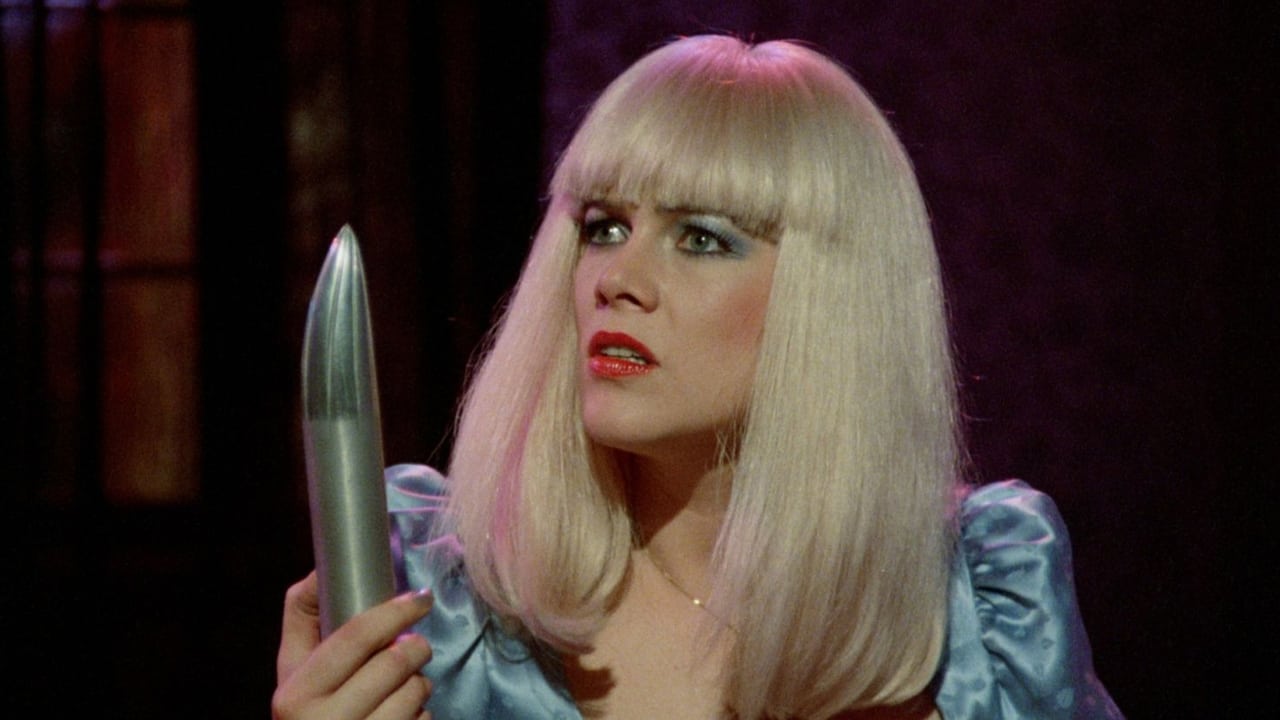
At its heart, Crimes of Passion is a fascinating, often unsettling character study wrapped in neon-soaked sleaze and operatic emotion. We meet Joanna Crane (Kathleen Turner), a successful but emotionally detached sportswear designer by day. By night, however, she transforms into China Blue, a sharp-tongued, enigmatic streetwalker operating in a gritty downtown district. Turner, fresh off her star-making turn in Romancing the Stone (1984), took an incredibly bold leap here. It’s a performance of staggering contrasts – the cool, controlled Joanna versus the raw, provocative China Blue. It was a risky move that could have derailed a burgeoning career, but Turner throws herself into it with ferocious commitment, making both personas utterly compelling, even within the film’s sometimes heightened reality. Remember how magnetic she was? It’s that same charisma, just channeled into something far darker and more complex.
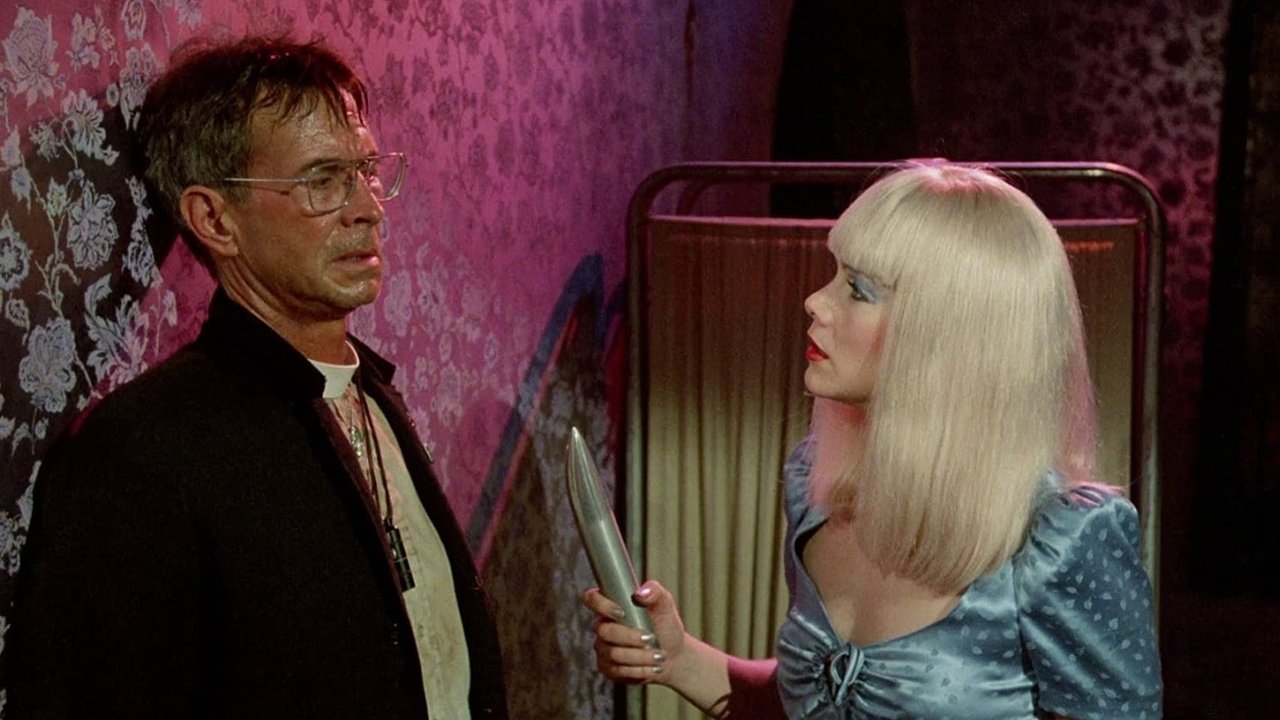
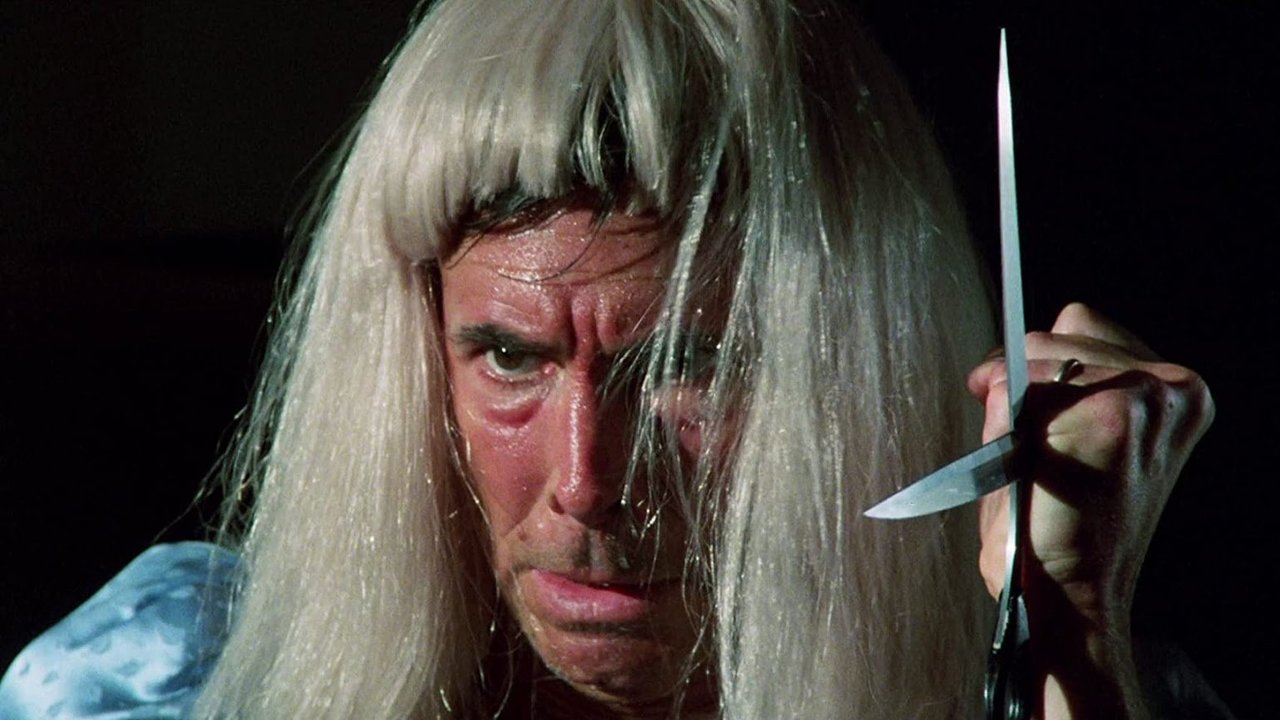
Her path intersects with two men wrestling with their own demons. There's Bobby Grady (John Laughlin), a seemingly average guy whose marriage is failing and who becomes obsessed with uncovering the mystery of China Blue after a chance encounter. Laughlin plays the everyman caught in an extraordinary, dangerous fantasy, a tricky role he handles with relatable vulnerability. But then there's Reverend Peter Shayne, brought to terrifying life by the legendary Anthony Perkins. Shayne is a disturbed street preacher armed with religious fervor and some very unconventional sexual aids, determined to 'save' China Blue from her sinful life. Perkins, forever linked to Norman Bates from Psycho (1960), leans into that unsettling persona but crafts something uniquely chilling here. Reportedly inspired by televangelists of the era, his performance is a masterclass in coiled intensity, a genuinely frightening portrayal of repressed desire curdled into violent obsession.
Russell Unleashed
This film screams Ken Russell. If you know his work – think Tommy (1975) or the notorious The Devils (1971) – you know what to expect: bold visuals, thematic extremity, a disregard for subtlety, and a flair for the theatrical. Crimes of Passion is pure, uncut Russell operating on the fringes. Working with a script by Barry Sandler (who also penned the groundbreaking 1982 drama Making Love), Russell dives headfirst into the psychological turmoil. The visuals are often striking – the contrast between Joanna’s sterile daytime world and the lurid, neon-drenched nighttime streets is stark and effective. He employs dream sequences and symbolic imagery with abandon, sometimes hitting hard, sometimes teetering on the edge of absurdity, but never, ever being boring.
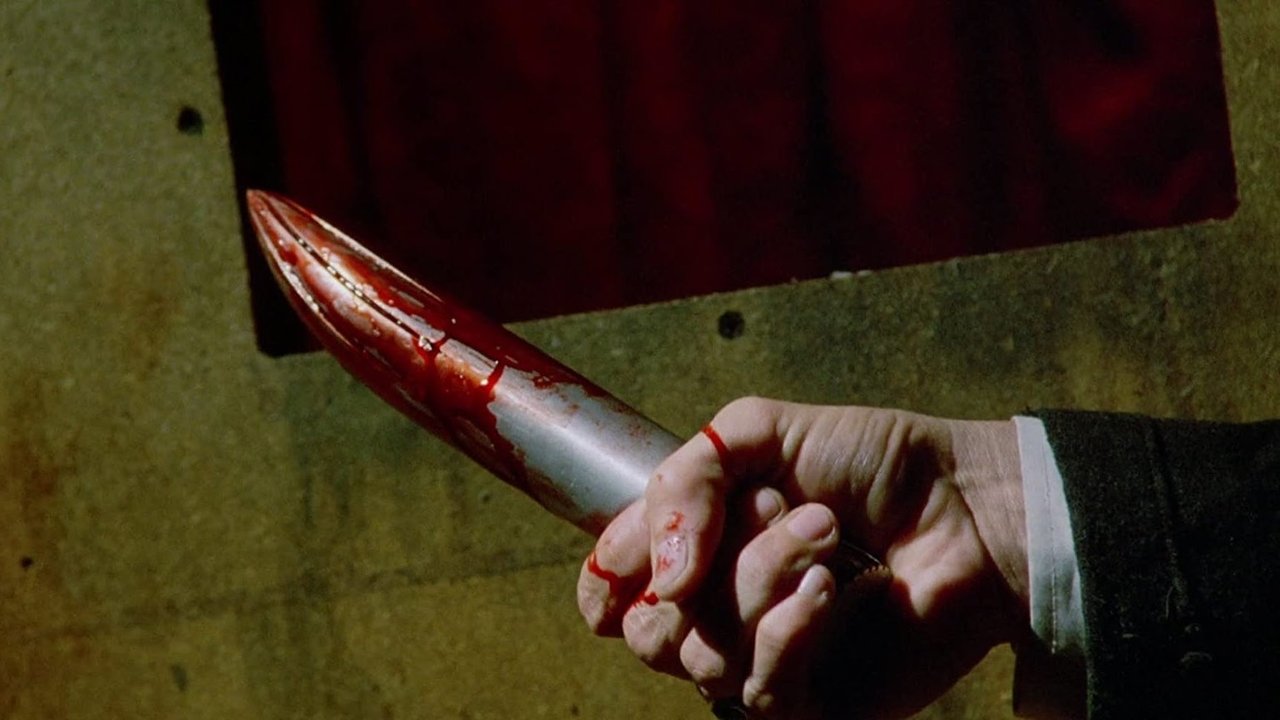
One can only imagine the battles Russell must have fought. The film famously received an NC-17 rating initially from the MPAA, a commercial death sentence back then (and often now). Significant cuts were made to secure an R-rating for its theatrical and initial VHS release, primarily trimming some of the more explicit sexual content and graphic violence involving Perkins' character. Tracking down the unrated director's cut on later formats became a badge of honor for cult film fans wanting the full, unfiltered Russell experience. It’s a classic tale from the era – the tension between artistic vision and commercial viability.

That 80s Edge
Watching Crimes of Passion today is a potent reminder of a certain kind of adult-themed studio filmmaking that feels almost extinct. It’s messy, provocative, and refuses easy answers. The dialogue crackles with cynical wit, particularly China Blue's sharp retorts. The atmosphere is thick with a pre-digital grittiness; the streets feel genuinely dangerous, the encounters charged with raw tension. There aren't elaborate stunts here, but the emotional and psychological confrontations feel visceral. And let's not forget the score by Rick Wakeman (yes, the keyboard wizard from Yes!). His synthesizer-heavy compositions perfectly capture the film's blend of sleaze, danger, and underlying melancholy. It’s an 80s synth score, alright, but one that perfectly complements the on-screen psychodrama.
The film wasn't a massive box office hit, likely hampered by its controversial subject matter and rating struggles, but it quickly found its audience on home video. It became one of those tapes – whispered about, sought after, a cult item for viewers looking for something more challenging and transgressive than the usual multiplex fare. I distinctly remember the buzz around it in the better-stocked video stores, the cover art alone promising something intense and adult.
Rating and Final Thought
Crimes of Passion is a challenging, sometimes uneven, but ultimately fascinating slice of 80s provocation. It boasts career-defining (and incredibly brave) work from Kathleen Turner, a chilling turn from Anthony Perkins, and the unmistakable, boundary-pushing style of Ken Russell. It tackles complex themes of sexuality, identity, and repression with a lurid energy that’s hard to shake. While some elements feel distinctly of their time, its raw power and audacious performances remain potent.
Rating: 8/10 - A bold, unforgettable, and quintessentially 80s psychosexual thriller that benefits immensely from powerhouse performances and Russell's fearless direction, even if its excesses occasionally overwhelm.
Final Comment: This is pure, uncut VHS-era danger – a film that wore its controversies like a badge of honor and dared you to press play, delivering a jolt that safer modern thrillers rarely attempt. Still shocks, still fascinates.