## Shadows and Echoes: Revisiting John Gray
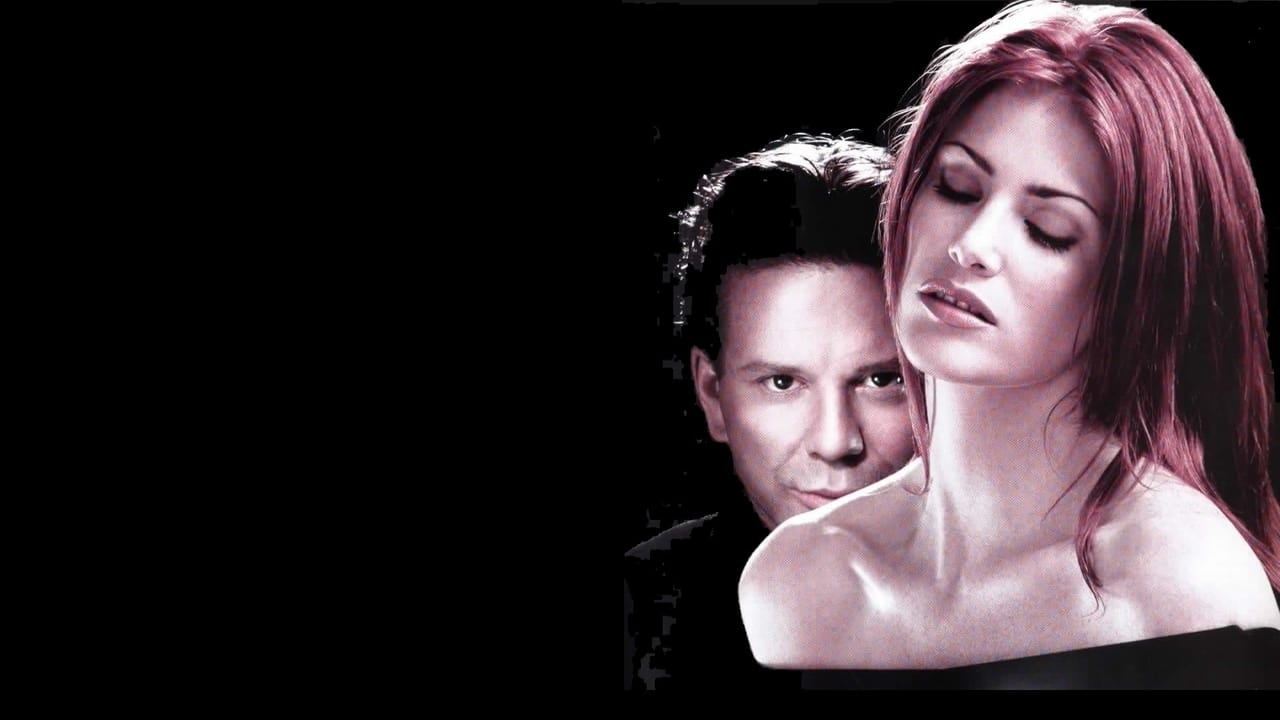
Sometimes, revisiting a place etched deeply in memory reveals not the comforting familiarity you sought, but the stark reality of time passed and magic faded. That’s the sensation that washes over you when the VCR whirs and the opening titles for Another 9 1/2 Weeks (1997) flicker onto the screen. Eleven years after the controversial, stylish, and undeniably potent 9 1/2 Weeks (1986) left audiences debating its depiction of intense, obsessive romance, this follow-up arrives, less a continuation and more like a faded photograph of a moment that couldn't possibly be recreated. What lingers most, perhaps, is the question: can lightning ever truly strike twice, especially when one of the key elements is missing?
A Different Kind of Chill
The original film, directed by Adrian Lyne (who later gave us Fatal Attraction (1987) and Jacob's Ladder (1990)), thrived on ambiguity, atmosphere, and the palpable, dangerous chemistry between Mickey Rourke’s enigmatic John Gray and Kim Basinger’s Elizabeth McGraw. It was a product of its time, slick and provocative. This sequel, helmed by editor-turned-director Anne Goursaud (whose sharp editing skills graced Coppola's visually stunning Bram Stoker's Dracula (1992)), finds John Gray in Paris, ostensibly searching for Elizabeth years after she vanished from his life. Instead, he encounters Lea Calot (Angie Everhart), a fashion designer with her own connections to Elizabeth and a vulnerability that draws John back into his familiar patterns of control and seduction.
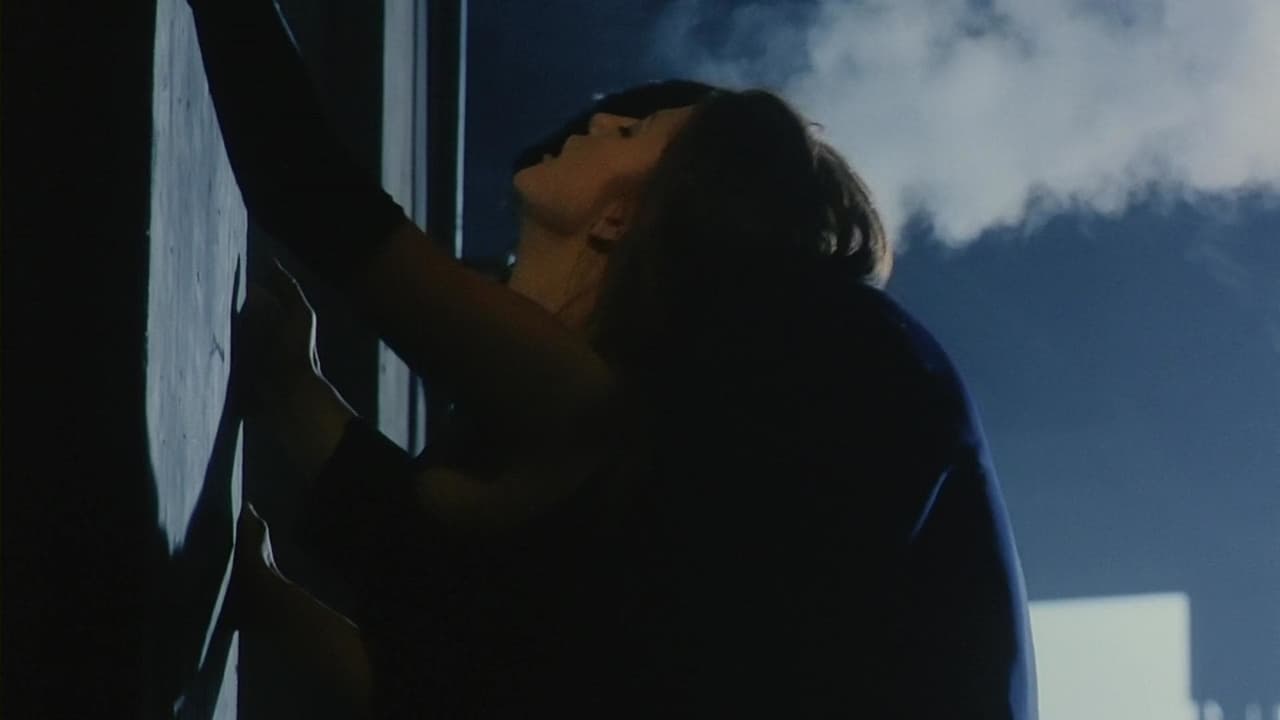
The premise itself feels somewhat thin, a way to tether this new narrative to the original's mystique. But where the first film pulsed with an unnerving, seductive energy, this one often feels strangely inert. The Parisian setting, potentially ripe for moody European ambiance, comes across as more of a generic backdrop than a vital character in the story. Goursaud's background as an editor is intriguing; one might expect a film keenly attuned to rhythm and visual storytelling. Yet, the pacing feels uneven, struggling to generate the tension or erotic charge that defined its predecessor. It makes you wonder about the pressures of following such a culturally specific hit, especially on what was reportedly a modest budget (around $8 million) for an international production aiming for similar territory.
Rourke Returns, But Is It John Gray?
The undeniable draw here is the return of Mickey Rourke. By 1997, Rourke's career and public image had undergone significant shifts. Seeing him reprise John Gray is fascinating, but also tinged with a certain melancholy. The playful, almost predatory confidence of the original character feels muted, replaced by something more world-weary, perhaps even haunted. Rourke certainly commits, bringing his trademark intensity, but the spark feels different. Is this the same man, irrevocably changed by Elizabeth's departure, or is it an actor revisiting a role from a different lifetime? It’s hard to shake the feeling that we're watching an echo, a performance searching for a resonance that the surrounding material simply doesn't provide. There are moments where the old charisma flickers, but they often feel disconnected from the narrative's thrust.
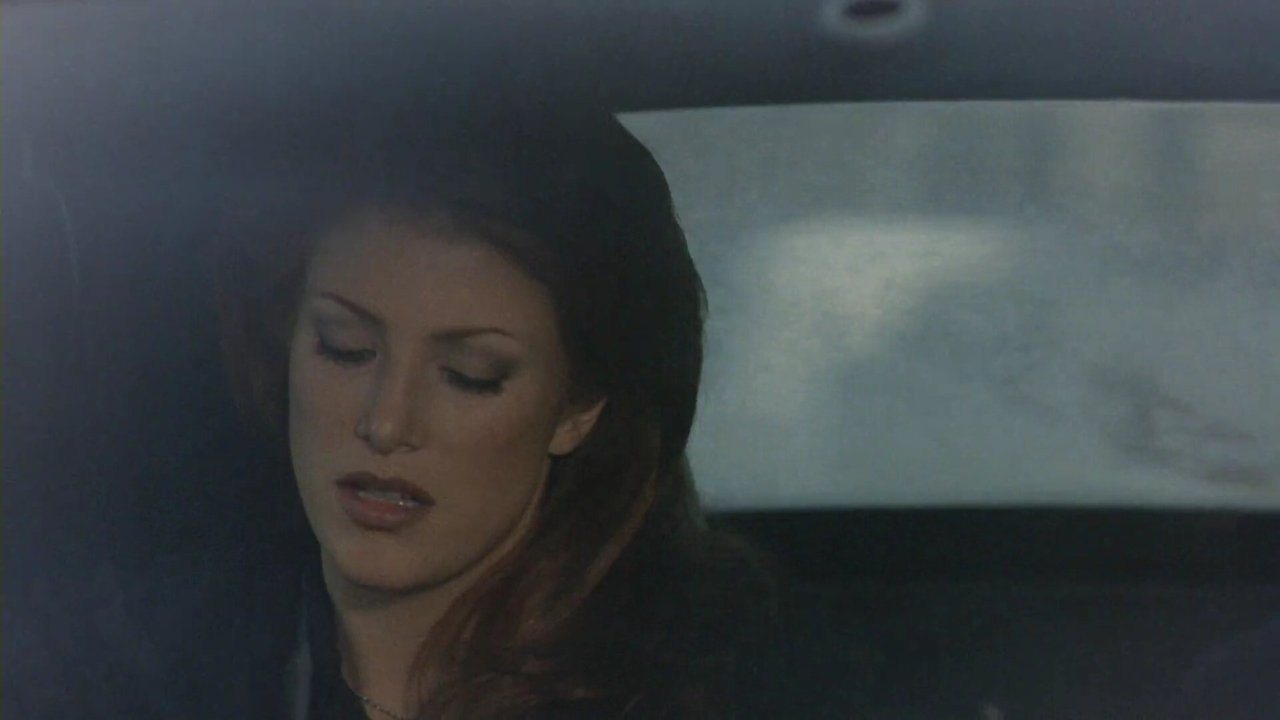
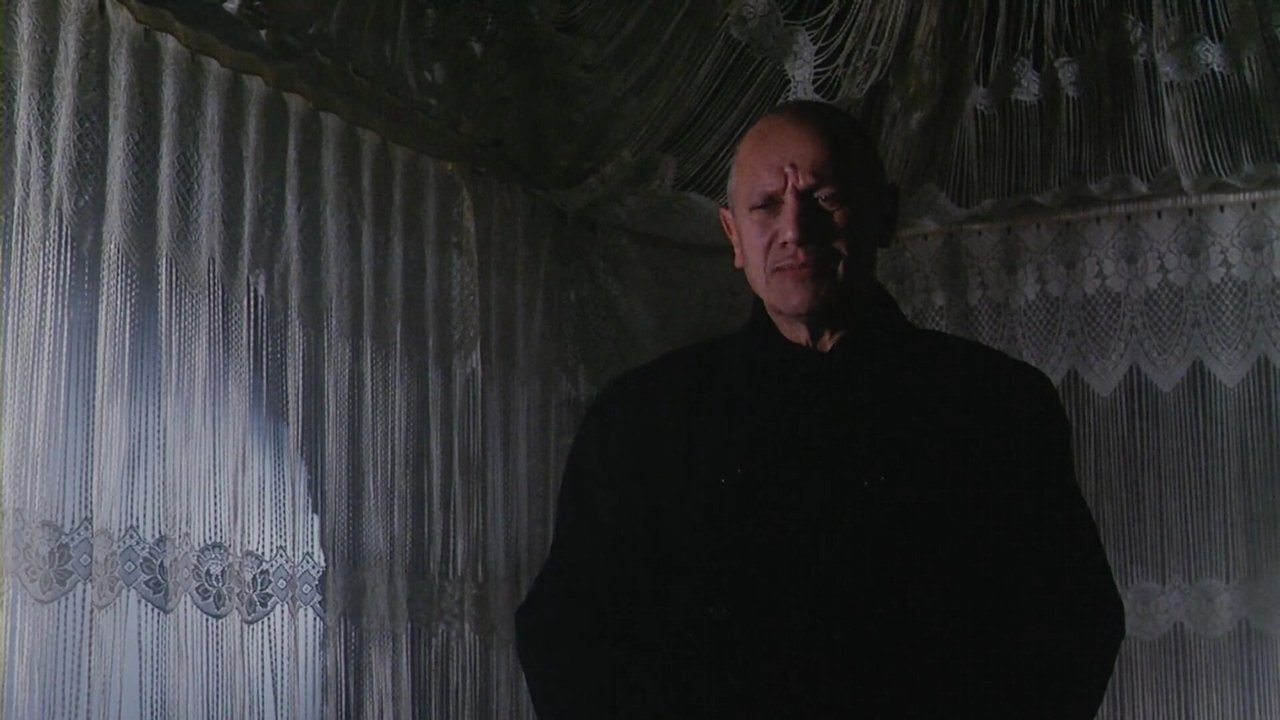
Replacing Kim Basinger was always going to be an insurmountable task. Angie Everhart, a prominent model transitioning into acting, steps into the role of the new object of John's complex affections. She possesses undeniable screen presence, but the crucial, volatile chemistry that ignited the first film is absent. The dynamic between John and Lea feels more like a retread of familiar beats than a genuine exploration of a new, equally consuming relationship. It lacks the sense of dangerous discovery, the feeling that boundaries are being irrevocably blurred. We also get Steven Berkoff as an art dealer, bringing his characteristic theatrical intensity, but his role feels somewhat peripheral, another element that doesn't quite connect to the core emotional (or erotic) engine.
A Faded Copy
Perhaps the most telling detail about Another 9 1/2 Weeks is its release history. While it secured theatrical releases internationally, it famously bypassed cinemas in the US, heading straight to the welcoming shelves of video rental stores. For many of us browsing those aisles in the late 90s, spotting that familiar title might have sparked a flicker of curiosity, a memory of the original's impact. Did we rent it hoping to recapture that feeling? I distinctly remember seeing the box, the title alone promising a return to that specific brand of glossy, adult drama, but sensing, even then, that it might be a promise unfulfilled.
The film ultimately struggles to justify its own existence. It doesn't expand upon the original's themes in any meaningful way, nor does it carve out a distinct identity for itself. The psychological games feel less organic, the eroticism less charged, and the narrative lacks the compelling ambiguity that made the first film linger in the mind. It feels less like a necessary chapter and more like an attempt to capitalize on lingering name recognition, a common practice during the home video boom but rarely resulting in artistic success. There's a profound irony in a sequel about searching for a lost connection itself failing to connect.

Rating: 3/10
This score reflects a film that is technically competent but creatively adrift. Mickey Rourke's presence offers flickers of interest, and Anne Goursaud frames some scenes adequately, but the absence of palpable chemistry, a compelling narrative drive, and the unique atmospheric tension of the original renders it largely forgettable. It fails to recapture the lightning-in-a-bottle quality of its predecessor, feeling more like a diluted echo than a worthy continuation. It serves primarily as a curious footnote in the careers of those involved and a reminder that some cinematic moments are best left untouched.
For the dedicated VHS hunter, Another 9 1/2 Weeks might be worth finding as a curiosity, a testament to the often strange and unpredictable world of sequels that populated rental shelves. But don't expect the provocative thrill of the original; instead, you'll find a shadow searching for a substance that vanished long ago.