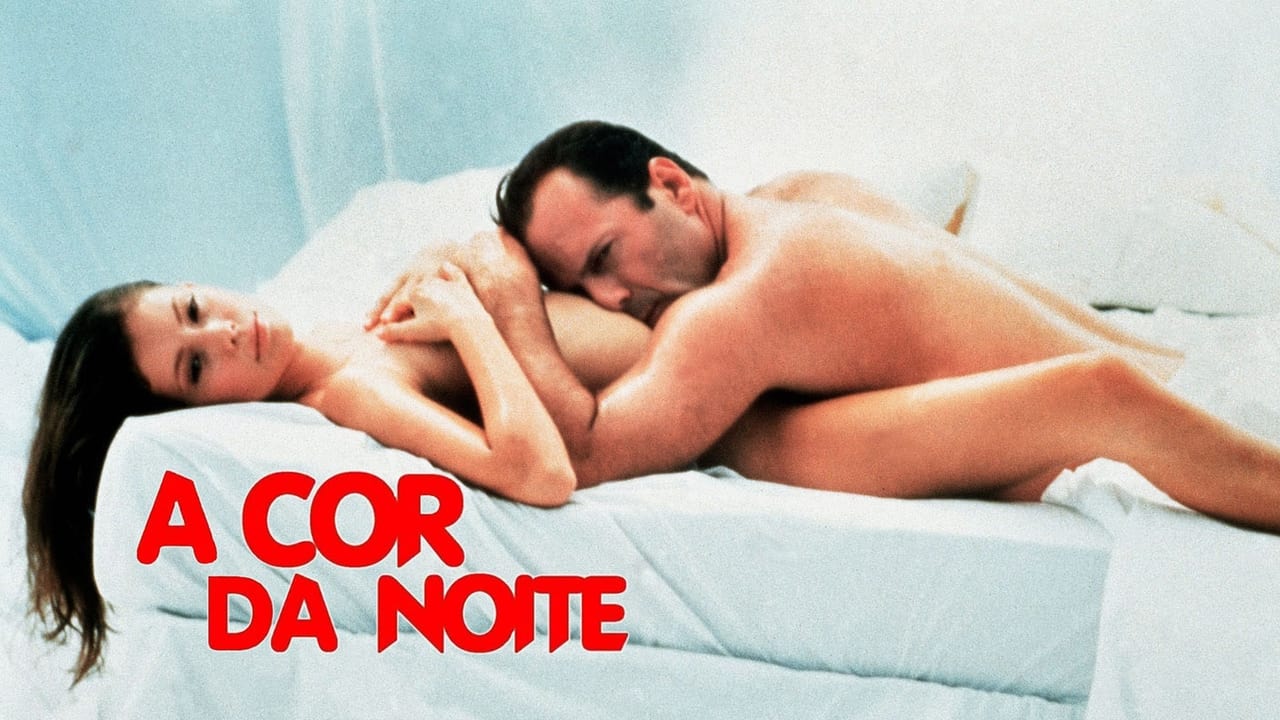
The air hangs thick and heavy, much like the Los Angeles smog that permeates nearly every frame of this notorious mid-90s artifact. There's a certain texture to films like Color of Night (1994), a slick, almost dangerous sheen that promises intrigue and transgression, the kind of movie whispered about in school hallways or eyed curiously on the higher shelves of the video store. It arrived surfing the wave churned up by Basic Instinct (1992), promising a cocktail of psychosexual tension, murder mystery, and star power, but delivered something far stranger, more overwrought, and ultimately, perhaps unintentionally unforgettable.
Trauma in Technicolor
We're thrown immediately into the deep end with Dr. Bill Capa (Bruce Willis), a New York psychologist paralyzed by a horrifying patient suicide that triggers psychosomatic color blindness – specifically, he can no longer see the color red. Seeking refuge, he flees to Los Angeles to stay with his colleague, Dr. Bob Moore (Scott Bakula). Moore, however, is brutally murdered, leaving Capa to inherit his deeply troubled therapy group, suspecting one of them is the killer. It's a setup dripping with potential: a wounded healer navigating a nest of neuroses, unable to see the very color of blood. The stage is set for a taut, atmospheric thriller. What unfolds, however, is… something else entirely.
Sultry Nights, Tangled Psyches
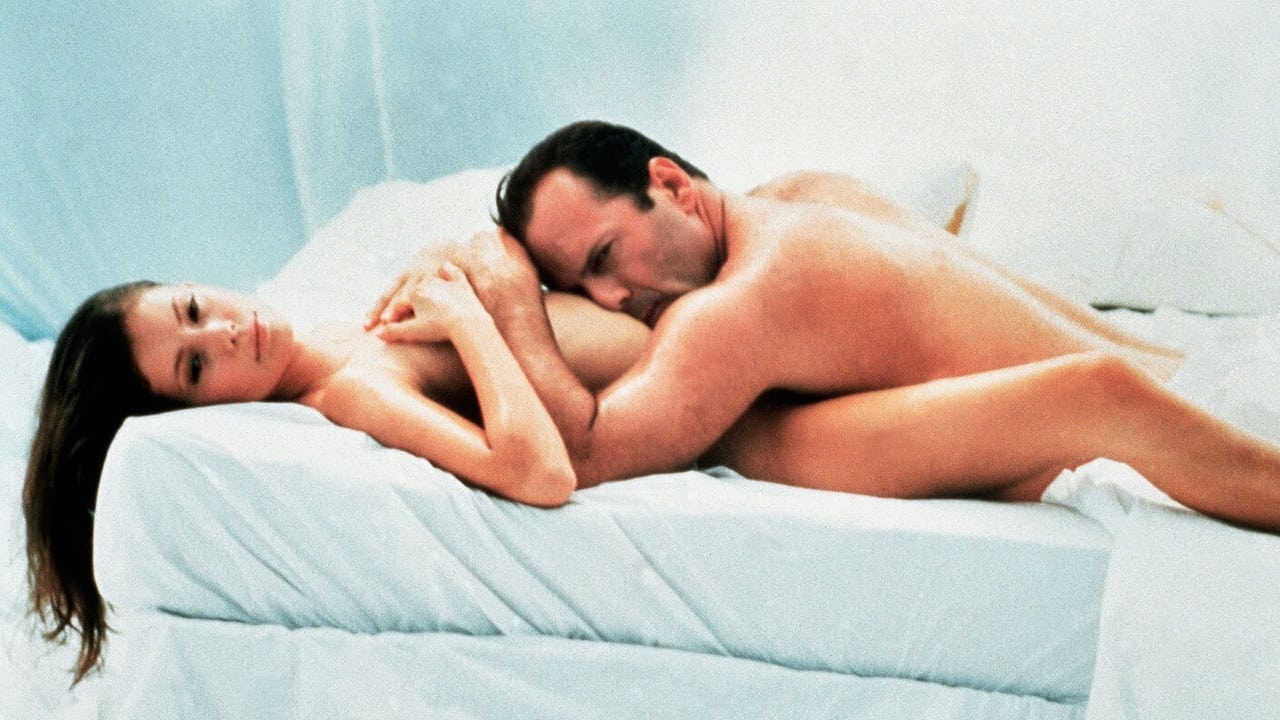
Director Richard Rush, who helmed the critically acclaimed and brilliantly meta The Stunt Man (1980) over a decade earlier, attempts to drench the film in a sultry, noir-ish atmosphere. The LA setting feels perpetually nocturnal, bathed in neon glows and shadowy interiors. The score often swells with dramatic importance, aiming for Hitchcockian suspense but frequently landing closer to high-gloss soap opera. The production design tries hard to convey wealth, decay, and hidden desires. Yet, the intended mood of dread often gets lost in the film’s sheer, almost baffling, commitment to its increasingly tangled and lurid plot threads. It looks expensive – and it was, clocking in at a hefty $40 million budget – but the atmosphere feels less organically chilling and more synthetically generated.
Willis Undone, March Unveiled
Casting Bruce Willis, then the king of wise-cracking action heroes thanks to Die Hard (1988), as a vulnerable, traumatized psychologist was certainly a choice. To his credit, Willis commits, conveying Capa’s distress and disorientation effectively, even when the script asks him to navigate some truly bizarre therapeutic interactions. But the real lightning rod of the film is Jane March, fresh off the controversial The Lover (1992). As the enigmatic Rose, a young woman who drifts into Capa’s life like a phantom, she embodies the film's blend of allure and danger. Their relationship, and the explicit scenes it entails, quickly became the film's most talked-about element. Supporting players like Rubén Blades as the investigating detective, Lesley Ann Warren as the nymphomaniac group member, and Lance Henriksen as a grieving former cop, try to ground the proceedings, but they're often swimming against a tide of escalating melodrama.

The Elephant (and Everything Else) in the Room
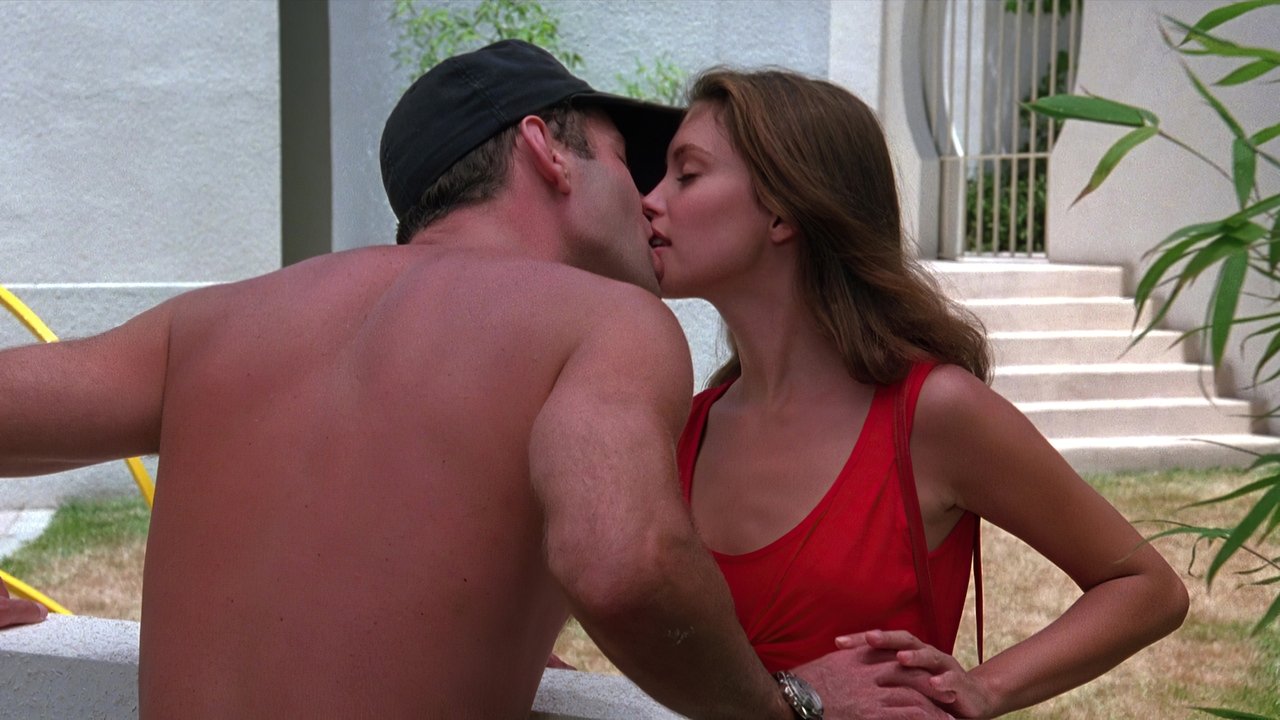
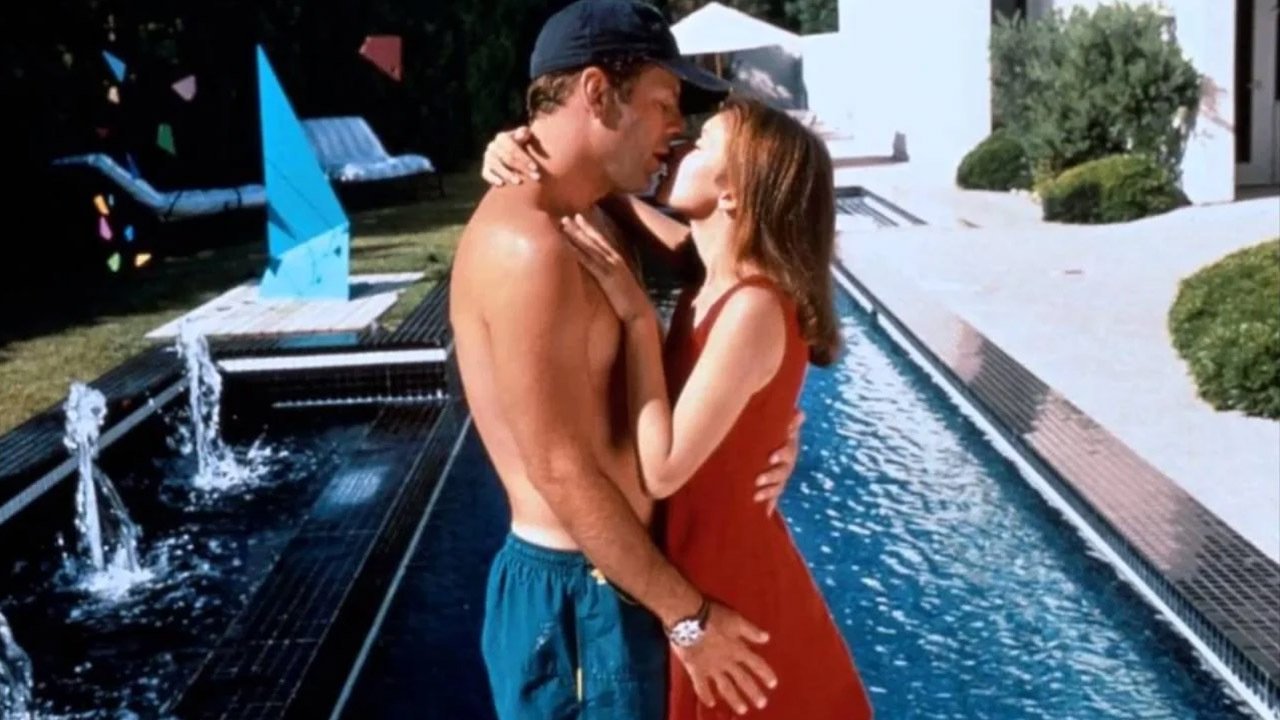
Let's be frank: Color of Night is arguably most famous – or infamous – for its graphic sexuality. The chemistry between Willis and March is intense, leading to scenes that pushed the boundaries of mainstream Hollywood cinema in 1994. The steamy pool encounter and the extended love scene are legendary for their explicitness, featuring full-frontal nudity from Willis, a rarity for an A-list star at the time. This wasn't just hinted at; it was there, prompting gasps and nervous giggles from audiences. Test screenings were reportedly disastrous, leading to frantic re-editing. Willis himself was famously critical of the final cut, particularly the handling of the intimate scenes, feeling they overshadowed the psychological thriller aspect. The eventual release of an unrated Director's Cut on VHS and later DVD leaned even further into the erotic elements, cementing the film's reputation as a prime example of 90s erotic thriller excess. Did anyone else feel a weird sense of obligation to rent the 'Unrated' version back in the day, just to see what all the fuss was about?
A Troubled Canvas
Beyond the sensationalism, the production itself seemed fraught. Richard Rush wouldn't direct another feature film after this. The critical reception was brutal, and the film bombed at the US box office, recouping less than half its budget domestically (around $19.7 million from a $40 million investment). It culminated in the ultimate cinematic raspberry: the Golden Raspberry Award for Worst Picture of 1994. It’s a steep fall from the critical heights of The Stunt Man. Ironically, amidst the wreckage, the theme song "The Color of the Night," performed by Lauren Christy, managed to snag a Golden Globe nomination for Best Original Song – a small, glittering anomaly on a canvas largely splattered with critical red ink (a color Dr. Capa wouldn't appreciate). The script itself reportedly went through numerous hands, contributing perhaps to the sometimes disjointed feel and the plot twists that veer from surprising to head-scratchingly ludicrous. Remember that final reveal? Did it genuinely shock you, or did it feel like one twist too many pulled from a very deep hat?
Legacy of Luridness
So, how does Color of Night fare today, viewed through the nostalgic lens of VHS Heaven? It’s not a misunderstood masterpiece, nor is it a tightly plotted thriller. Its psychological insights often feel surface-level, drowned out by the sensationalism. Yet... there's a undeniable fascination here. It’s a time capsule of a specific genre moment, executed with a go-for-broke intensity that’s hard to look away from. The performances are committed, even when the material strains credulity. The sheer audacity of its plot twists and its unabashed eroticism give it a certain cult appeal. It’s the kind of film you might have rented on a dare, watched late at night with the curtains drawn, and then discussed in hushed, slightly embarrassed tones the next day. It’s flawed, messy, often preposterous, but rarely boring.
---
VHS Heaven Rating: 5/10
Justification: The rating reflects the film's status as a fascinating failure rather than a successful thriller. It earns points for its sheer audacity, its place as a notorious artifact of the 90s erotic thriller boom, committed performances (especially Willis playing against type), and undeniable memorability (for better or worse). However, it loses significant points for its nonsensical plot twists, often overwrought tone, troubled production history reflected in the final product, and failure to deliver genuine suspense over lurid shocks. It's a must-watch for students of the genre or fans of cinematic train wrecks, but objectively, it's far from a good film.
Final Thought: Color of Night remains a potent reminder of a time when studios threw big money at sultry, star-studded mysteries, sometimes creating enduring classics, and other times… well, they created Color of Night. It's a film that aimed for provocative darkness but often stumbled into unintentional absurdity, securing its unique, slightly sticky place in VHS history.