How often, pulling a tape from the shelf back in the day, did you stumble upon something that felt both utterly contemporary and yet thrillingly out of time? That’s the precise sensation Kenneth Branagh’s 1991 neo-noir thriller Dead Again evokes. It arrived like a stylish phantom amidst the burgeoning grunge scene and the neon glow of early 90s cinema, a film steeped in the shadows of Hitchcock and the romantic fatalism of 40s Hollywood, yet crackling with a modern energy. It felt less like a pastiche and more like a genuine artifact rediscovered, a love letter to a bygone era penned with confident, contemporary ink.
### A Past That Won't Stay Buried
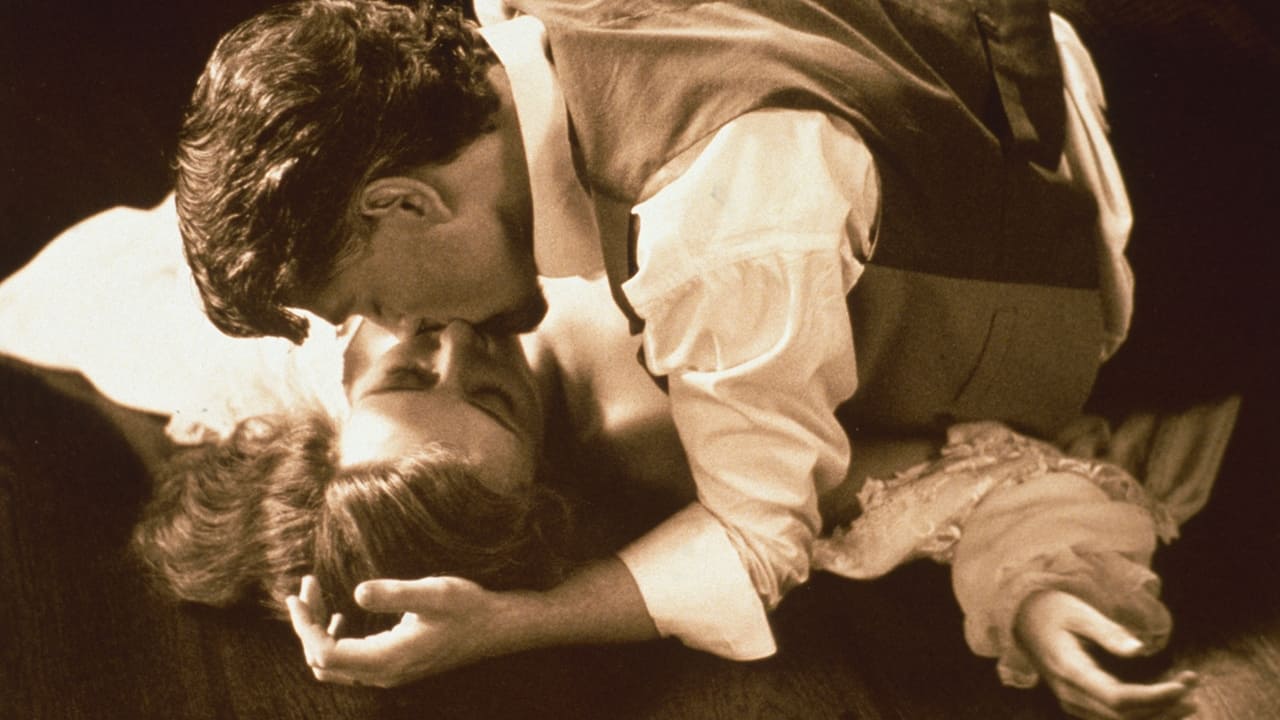
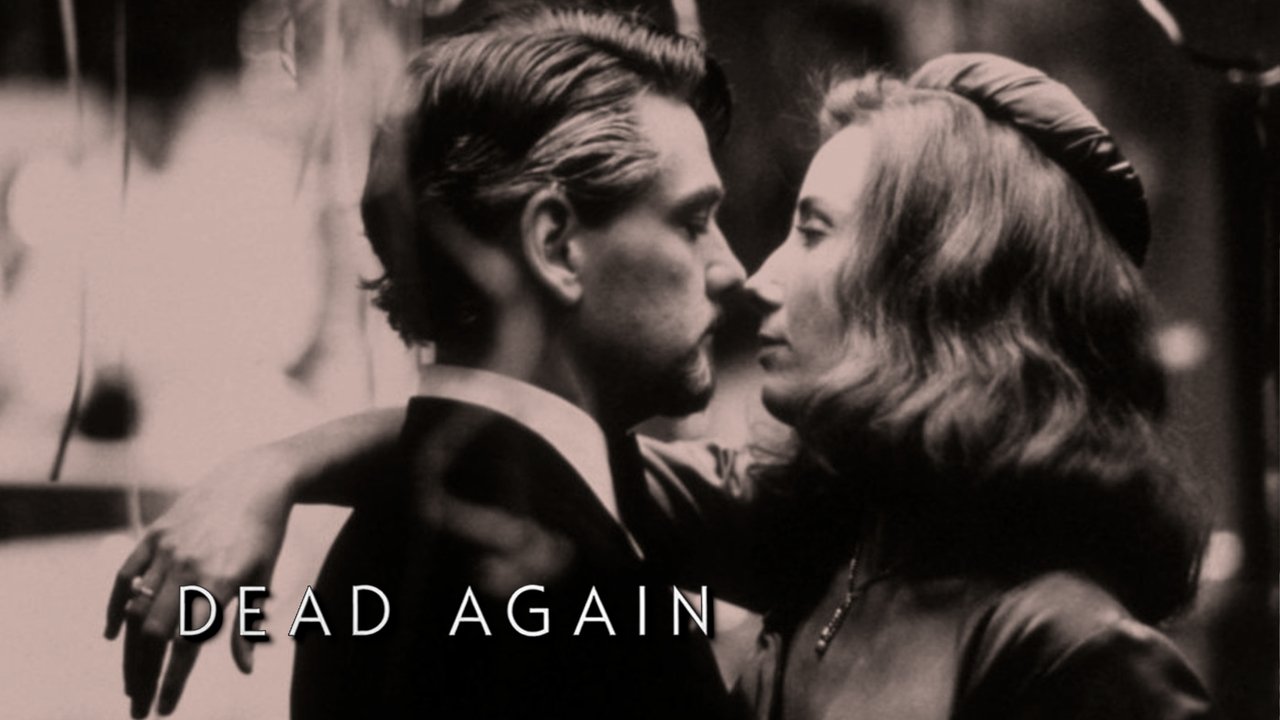
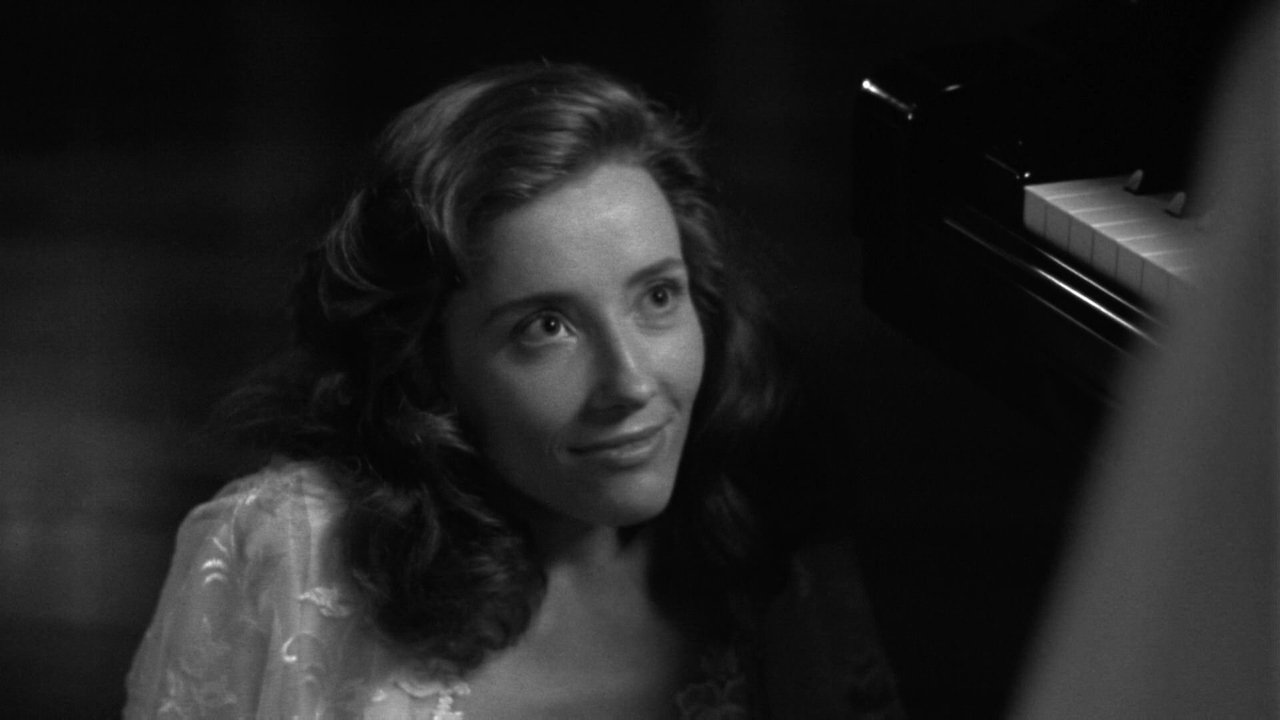
The film plunges us into a compelling mystery almost immediately. We meet "Grace" (Emma Thompson), a beautiful woman found wandering, mute and terrified, suffering from profound amnesia. Her only anchor is a series of violent, recurring nightmares seemingly linked to a high-profile murder case from the late 1940s involving composer Roman Strauss (Kenneth Branagh) and his pianist wife Margaret (also Thompson). Enter Mike Church (also Branagh), a cynical but sharp private investigator specializing in missing persons, who reluctantly takes her case. He’s our hard-boiled conduit into Grace’s fractured world, initially skeptical but soon drawn into the vortex of her past… or a past, anyway. The narrative confidently braids these two timelines – the rain-slicked, contemporary investigation in color and the doomed, glamorous 1940s romance in lush black and white.
### Echoes Across Time
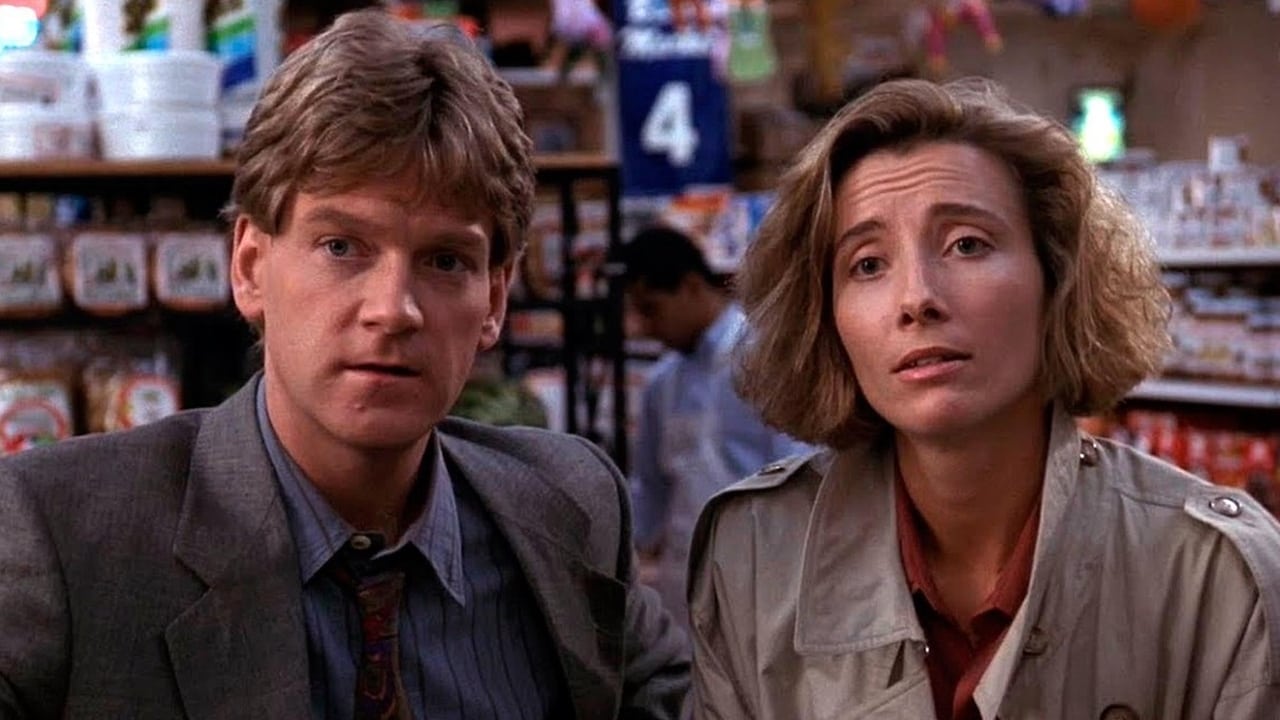
The dual roles undertaken by Branagh and Thompson are central to the film's success. Watching them navigate these intertwined characters is fascinating. Branagh shifts from the slick, sometimes smug Mike Church to the tormented, possibly murderous Roman Strauss with impressive control. Thompson, meanwhile, is simply luminous. Her portrayal of the terrified, vulnerable Grace is heart-wrenching, while her Margaret Strauss carries an elegance tinged with melancholy. Their chemistry, in both timelines, is palpable – a complex dance of attraction, suspicion, and burgeoning dread. It’s hard not to recall that Branagh and Thompson were actually married during filming; perhaps that real-life connection lent an extra, almost subconscious layer to their characters’ magnetic pull and eventual conflict. This wasn't just acting; it felt like witnessing an intricate, high-stakes emotional experiment unfold. Supporting players like Andy García as an inquisitive journalist and the always magnificent Derek Jacobi as an antiques dealer dabbling in hypnotism add considerable weight and intrigue, grounding the more fantastical elements.
### Noir Through a 90s Lens
Branagh, then primarily known for his Shakespearean adaptations like Henry V (1989), proved himself a remarkably assured stylist here. Dead Again is drenched in atmosphere. He embraces classic noir techniques – dramatic shadows, Dutch angles tilting the world off-kilter, a sense of claustrophobia – but filters them through a distinctly 90s sensibility. The pacing is brisk, the dialogue sharp (thanks to Scott Frank's intricate, highly-praised script – he’d later give us gems like Get Shorty and Out of Sight), and the central mystery unfolds like a complex puzzle box. Patrick Doyle's score is magnificent, perfectly capturing both the sweeping romance and the mounting suspense, feeling both classic and contemporary. The film reportedly cost around $15 million, a modest sum even then, but Branagh uses every dollar to maximum effect, creating two visually distinct and immersive worlds. It went on to gross a respectable $38 million domestically, finding an appreciative audience for its bold style.
### Shadows and Scissors: Unraveling the Mystery
The film isn't afraid to lean into its central conceit: reincarnation. Is Grace truly Margaret reborn? Is Mike the reincarnation of Roman? The narrative plays cleverly with these questions, weaving clues and red herrings through hypnotism sessions, old newsreels, and cryptic encounters. One of the most memorable threads involves Robin Williams in a fantastic, uncredited cameo. Playing a jaded, disgraced psychiatrist now stocking supermarket shelves, he delivers a burst of cynical wisdom that cuts through the melodrama. Williams apparently requested anonymity to avoid overshadowing the main cast, a move that somehow makes his brief appearance even more impactful – a genuine surprise waiting on the VHS tape. The recurring motif of the scissors, linked to the original murder, becomes a potent symbol of violence, fate, and the severing of ties, both literal and metaphorical. It's a visual hook that stays with you long after the credits roll.
While the plot twists and turns, occasionally threatening to tie itself in knots, the sheer confidence of the execution keeps you hooked. It’s a testament to Frank’s script and Branagh’s direction that the reincarnation element, which could easily feel silly, mostly works within the film's heightened reality. It asks us to suspend disbelief and embrace the possibility of echoes across lifetimes, of love and betrayal resonating through the decades.
Rating: 8.5/10
Dead Again earns this score for its audacious style, compelling central mystery, and tour-de-force performances from Branagh and Thompson. It’s a beautifully crafted homage that transcends mere imitation, creating something uniquely thrilling and romantic. While the plot occasionally strains credulity, the sheer bravura of the filmmaking and the potent atmosphere make it incredibly watchable. It stands as a high-water mark for 90s thrillers that dared to look back, proving that classic Hollywood glamour and suspense could still feel electrifyingly new.
Rewatching it today, it feels like uncovering a hidden treasure – a reminder that even within the familiar aisles of the video store, genuine cinematic surprises awaited. What lingers most is that intoxicating blend of old-world romance and modern-day cynicism, a stylish dance between past and present that remains utterly captivating.