Few films exploded onto the screen—and into public consciousness—with the same slick, dangerous allure as 1992’s Basic Instinct. It wasn’t just a movie; it was an event, a whispered conversation starter, a source of electrifying controversy that felt tailor-made for the hushed tension of late-night VHS viewing. Sliding that tape into the VCR felt like handling something forbidden, a glossy, cold object promising heat and shadow in equal measure. And deliver, it did. Directed by the provocateur Paul Verhoeven, fresh off the visceral sci-fi hits RoboCop (1987) and Total Recall (1990), this was a different kind of beast: a neo-noir drenched in Californian sunlight but radiating pure darkness.
Ice Pick Shadows
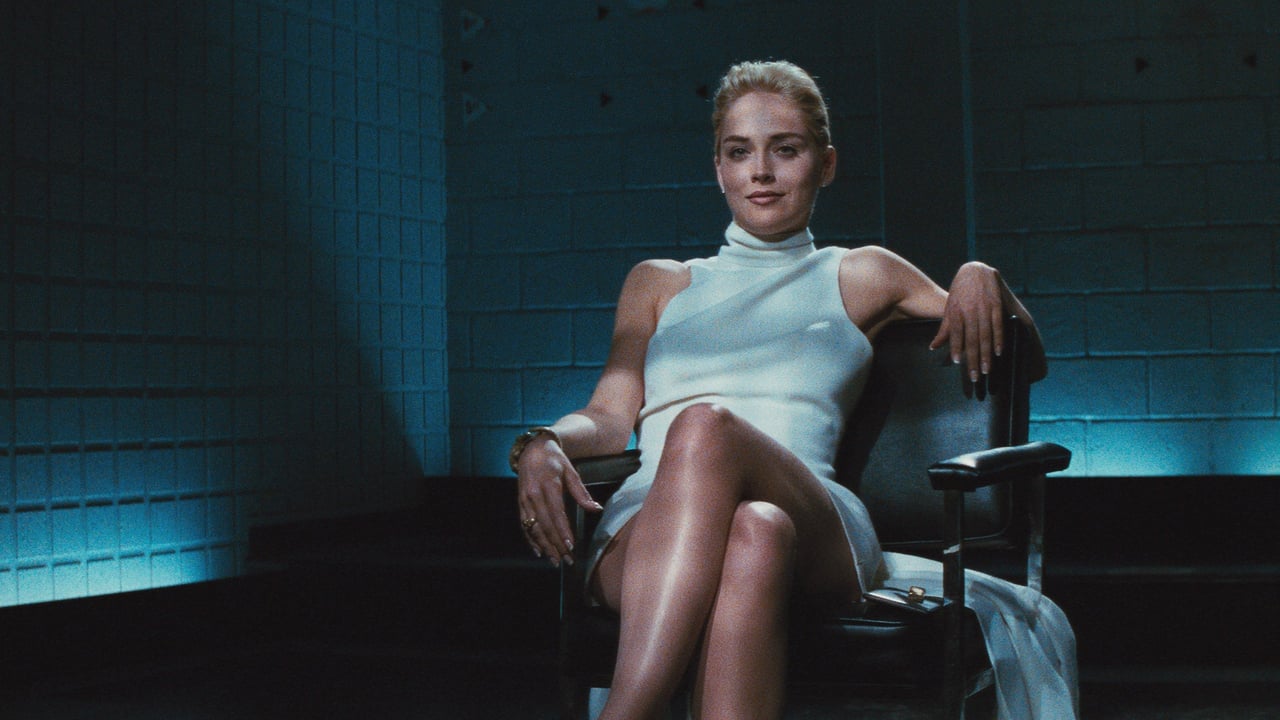
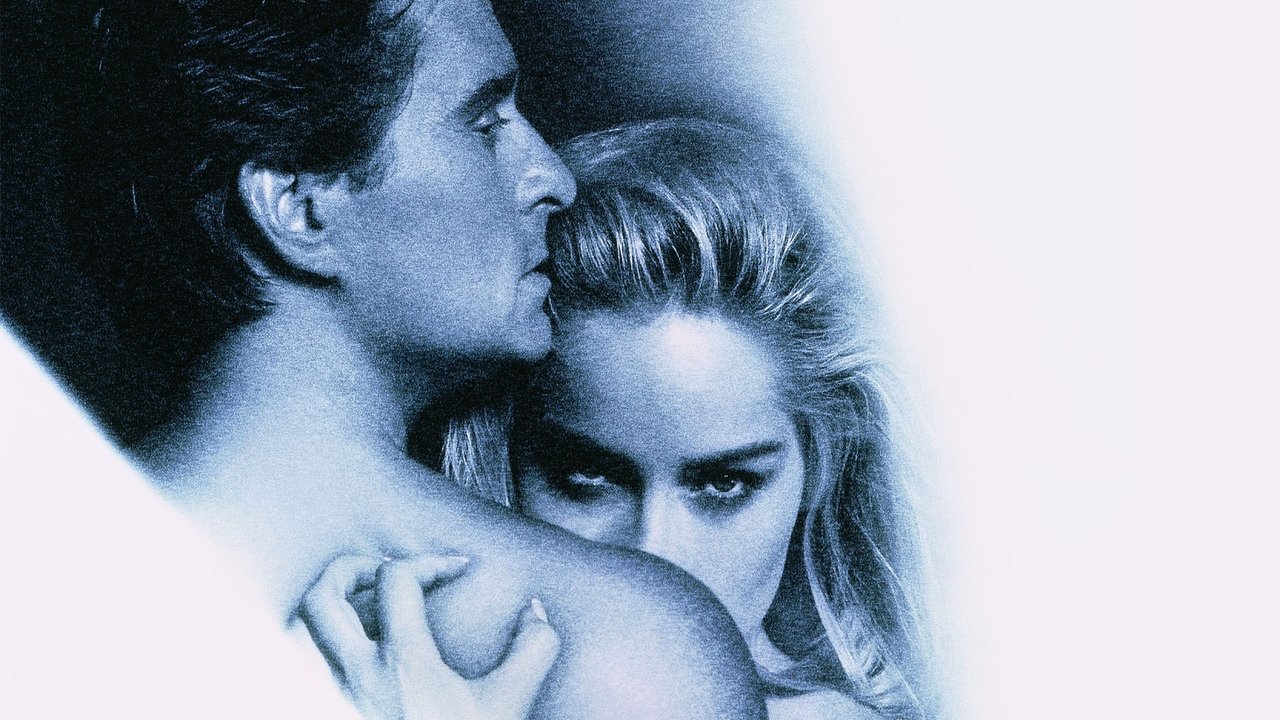
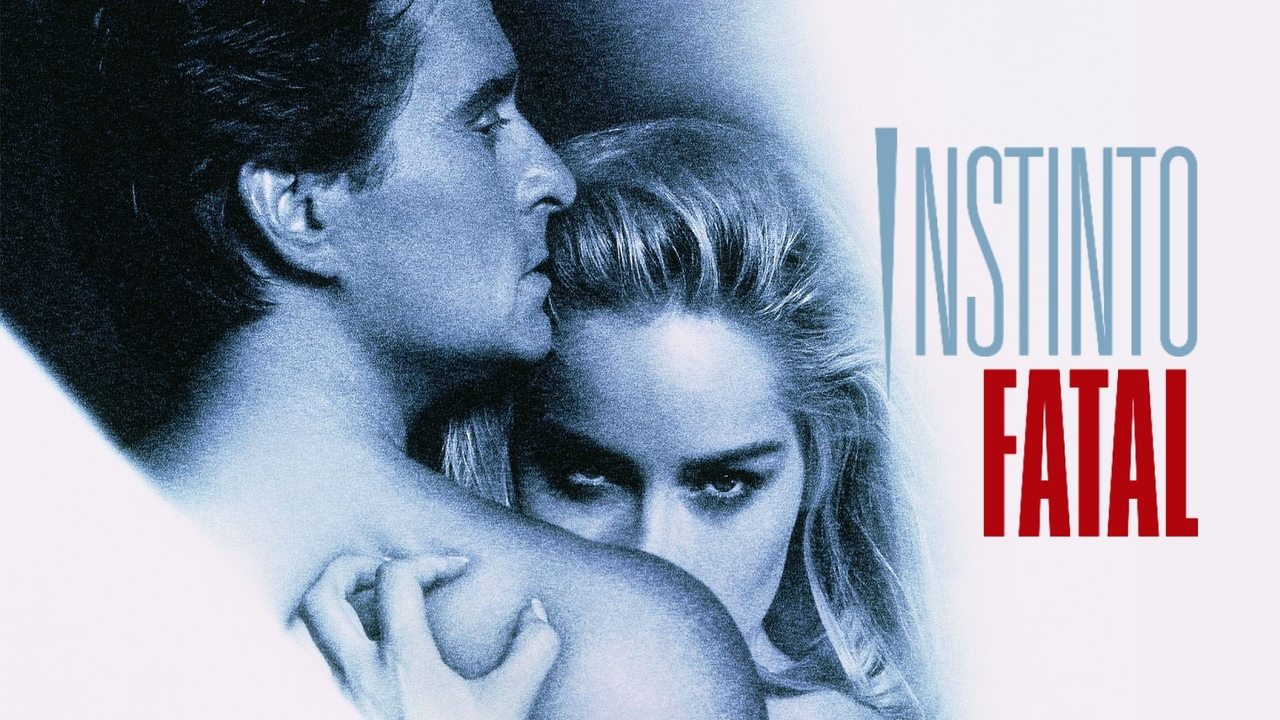
The premise drips with classic noir: troubled San Francisco detective Nick Curran (Michael Douglas, perfectly channeling frayed nerves and obsession) investigates the brutal ice-pick murder of a rock star. The prime suspect? The victim’s enigmatic, fiercely intelligent, and impossibly seductive novelist girlfriend, Catherine Tramell (Sharon Stone). What unfolds is less a straightforward procedural and more a hypnotic game of cat and mouse, where desire tangles inextricably with danger, and the truth remains maddeningly elusive, shimmering just out of reach like heat haze on asphalt. Verhoeven masterfully crafts an atmosphere thick with paranoia and psychological manipulation. Every frame feels meticulously composed by cinematographer Jan de Bont (who would soon direct Speed), all cool blues, sharp whites, and unsettling reflections, mirroring the fractured psyches on display.
The Birth of an Icon
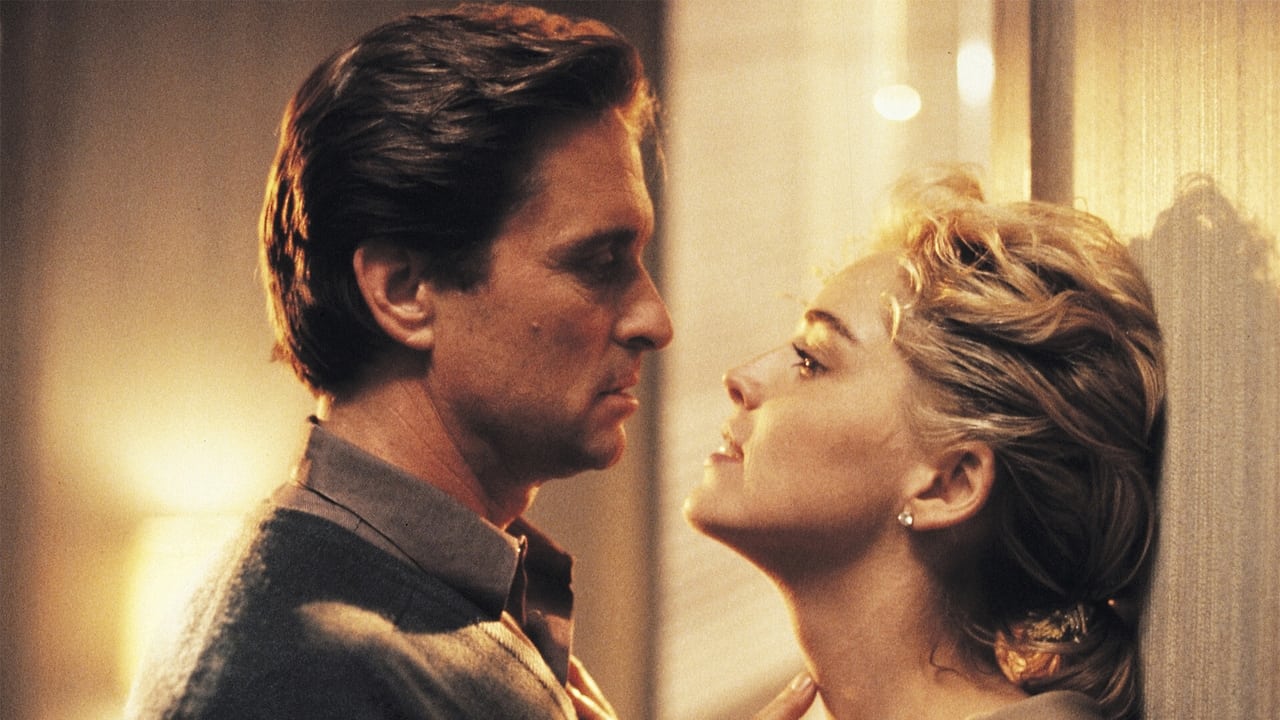
Let's be honest, much of Basic Instinct's power rests on the shoulders of Sharon Stone. Reportedly, numerous A-list actresses turned down the role of Catherine Tramell, wary of the nudity and challenging themes. Their hesitation became Stone's breakthrough. She doesn't just play Catherine; she inhabits her, creating a character of chilling charisma and unnerving self-possession. Her performance is a masterclass in ambiguity – is she a calculating sociopath, a victim playing a complex game for survival, or something else entirely? It’s a turn that instantly cemented her as a major star and cultural icon. Michael Douglas, already a proven lead in darker territory (Fatal Attraction, Wall Street), provides the necessary anchor as the increasingly unraveled Curran, a man drawn moth-like to a flame he knows will incinerate him. Their chemistry is undeniable, a volatile mix of repulsion and magnetic attraction that fuels the film’s core tension.
Tales from the Cutting Room Floor (and the Script Sale)
The film’s journey to the screen was almost as dramatic as the plot itself. Joe Eszterhas's script famously sold for a then-record $3 million, generating massive buzz before a single frame was shot. But the real battles began later. Verhoeven clashed repeatedly with the MPAA over the film's explicit violence and sexuality, reportedly having to make numerous small trims (mere seconds, sometimes fractions of seconds) to avoid the commercially disastrous NC-17 rating and secure an R. This ratings board tango became a common narrative in the early 90s, didn't it? A constant push-and-pull between artistic vision and market demands.
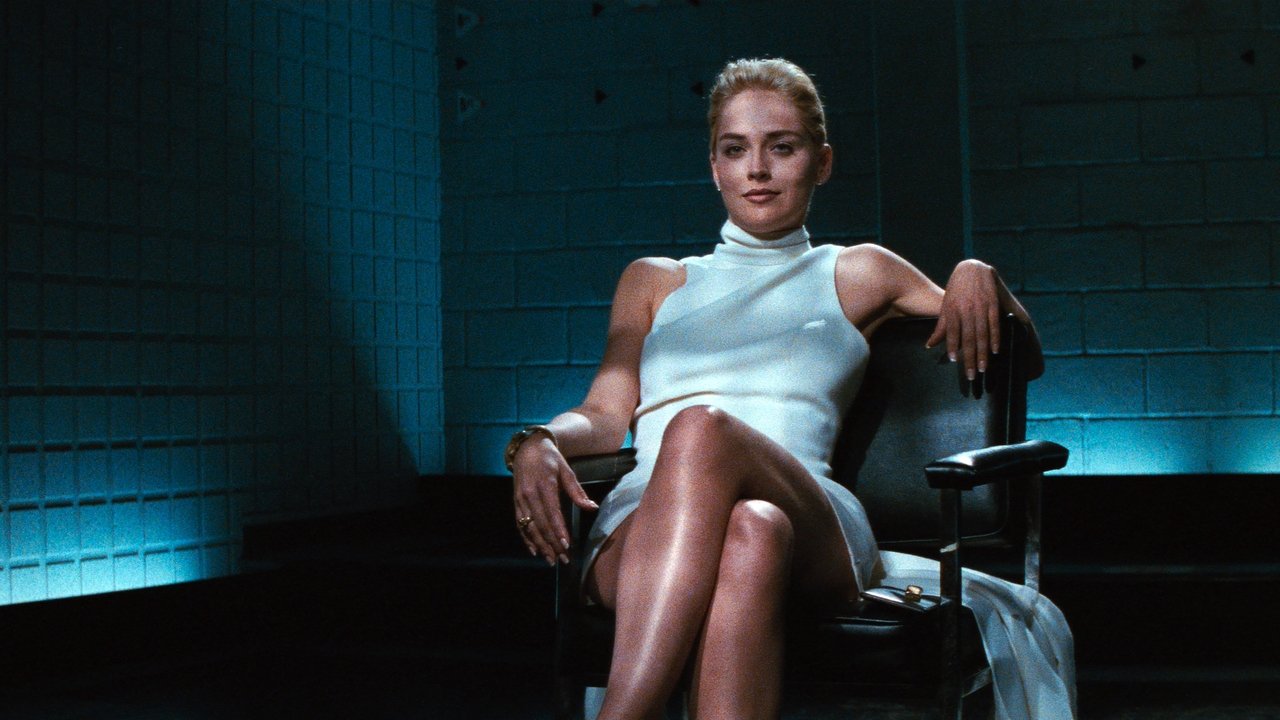
And then there’s that scene. The interrogation. Its power remains undiminished, a perfectly staged sequence of psychological warfare disguised as police procedure. The story behind Stone's infamous leg-crossing – whether she was fully aware of how revealing the shot would be – has become cinematic legend, with conflicting accounts from director and star only adding to the film's mystique. Planned or spontaneous, its impact was immediate and unforgettable, a defining moment of 90s cinema audacity. The production itself, navigating these intense scenes and the growing public controversy (including protests during filming regarding its portrayal of LGBTQ+ characters), undoubtedly added to the pressure-cooker environment that translates so effectively onto the screen.
The Chill Lingers
Beyond the controversy and the star-making performances, Basic Instinct excels as a pure thriller. Jerry Goldsmith’s score is a crucial element, a haunting, Bernard Herrmann-esque masterpiece that wraps around you, amplifying the dread and seduction. It’s a score that feels like the movie – sleek, dangerous, and unforgettable. The plot twists and turns, constantly shifting your allegiances and suspicions. Did that final shot genuinely leave you questioning everything you’d just seen? Even knowing the outcome, the journey there retains its icy grip. While some elements feel undeniably rooted in the early 90s – the tech, the fashion, certain character archetypes – the core psychological tension and Verhoeven's unflinching gaze remain remarkably potent. It pushed boundaries in mainstream Hollywood filmmaking, paving the way for a wave of erotic thrillers throughout the decade, though few matched its style or impact.
VHS Heaven Rating: 9/10
This score reflects Basic Instinct's undeniable power as a masterfully crafted, highly influential, and culturally significant erotic thriller. Its atmospheric direction, unforgettable performances (particularly Stone's), iconic score, and gripping psychological tension make it a standout of its era. It's provocative, stylish, and genuinely suspenseful, achieving exactly what it set out to do. While the controversies surrounding its themes and production are part of its history, purely as a piece of filmmaking designed to thrill and unsettle, it remains remarkably effective.
Basic Instinct wasn't just a movie you watched; it was a movie you experienced. It lingered long after the tape ejected, a slick, cold reminder of how potent cinematic obsession could be. It's a quintessential piece of 90s event cinema, a film that still sparks debate and holds a magnetic, dangerous fascination.