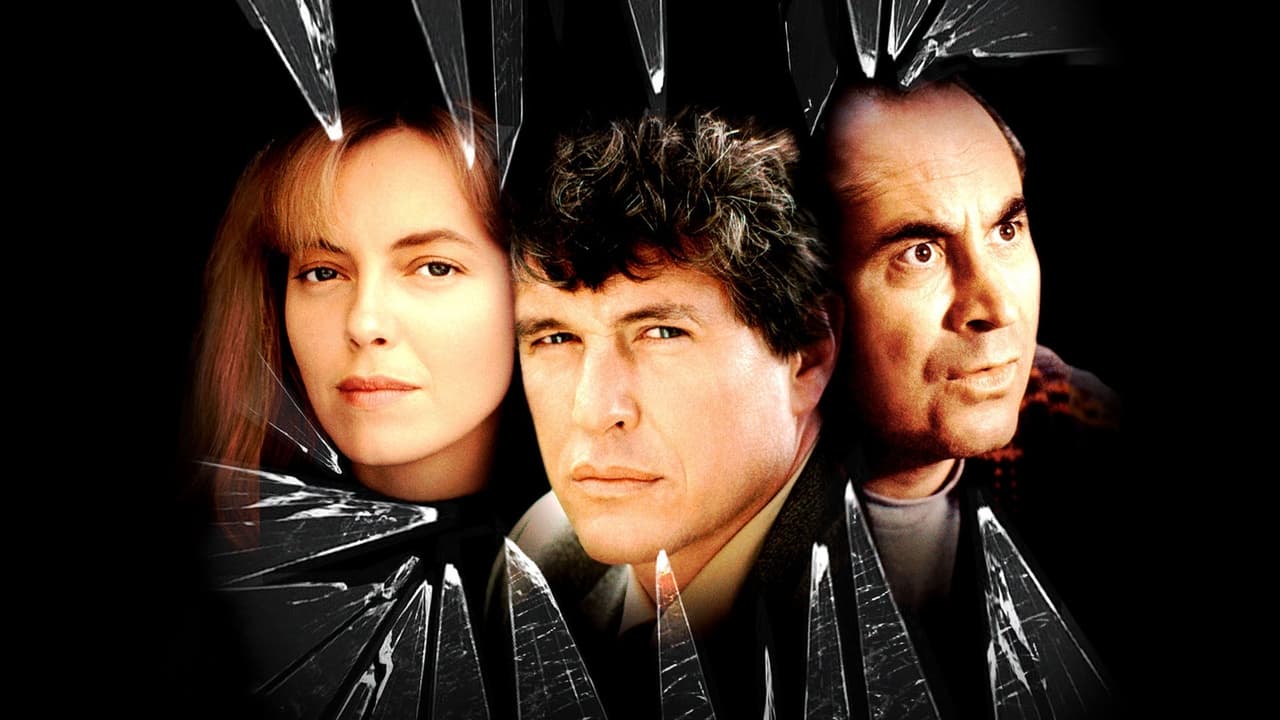
How much of you remains when your memory is wiped clean? That's the unsettling question echoing through Wolfgang Petersen’s stylish 1991 thriller, Shattered. It opens not just with a horrific car crash on a winding coastal road – a truly visceral sequence involving shattered glass and twisted metal filmed near Oregon's scenic coastline – but with the shattering of identity itself. We're thrown immediately into the disorienting world of Dan Merrick (Tom Berenger), a successful San Francisco architect pulled from the wreckage, his face reconstructed, his mind a blank slate. What follows is a journey into the fractured landscape of memory, a neo-noir puzzle where every reflection seems distorted.
Picking Up the Pieces
Returning home to a life he doesn't recognize, Dan relies entirely on his seemingly devoted wife, Judith (Greta Scacchi), and snippets of information from friends and business partners like Jeb Scott (Corbin Bernsen) and Jenny (Joanne Whalley-Kilmer, then often credited as Joanne Whalley). But fleeting, violent flashbacks and unsettling inconsistencies begin to surface. Who was Dan Merrick? Was he a loving husband? A ruthless businessman? Was Judith the loyal wife she appears, or someone else entirely? The film masterfully cultivates this atmosphere of doubt, mirroring Dan's own mounting paranoia. Petersen, who had already demonstrated his skill with tension in the claustrophobic masterpiece Das Boot (1981), uses the elegant backdrop of San Francisco – its fog-shrouded streets and stark modern architecture – to amplify the sense of isolation and hidden menace. It feels like a deliberate nod to Hitchcock, particularly Vertigo, another San Francisco-set tale of obsessive identity quests.
Anchors in the Fog
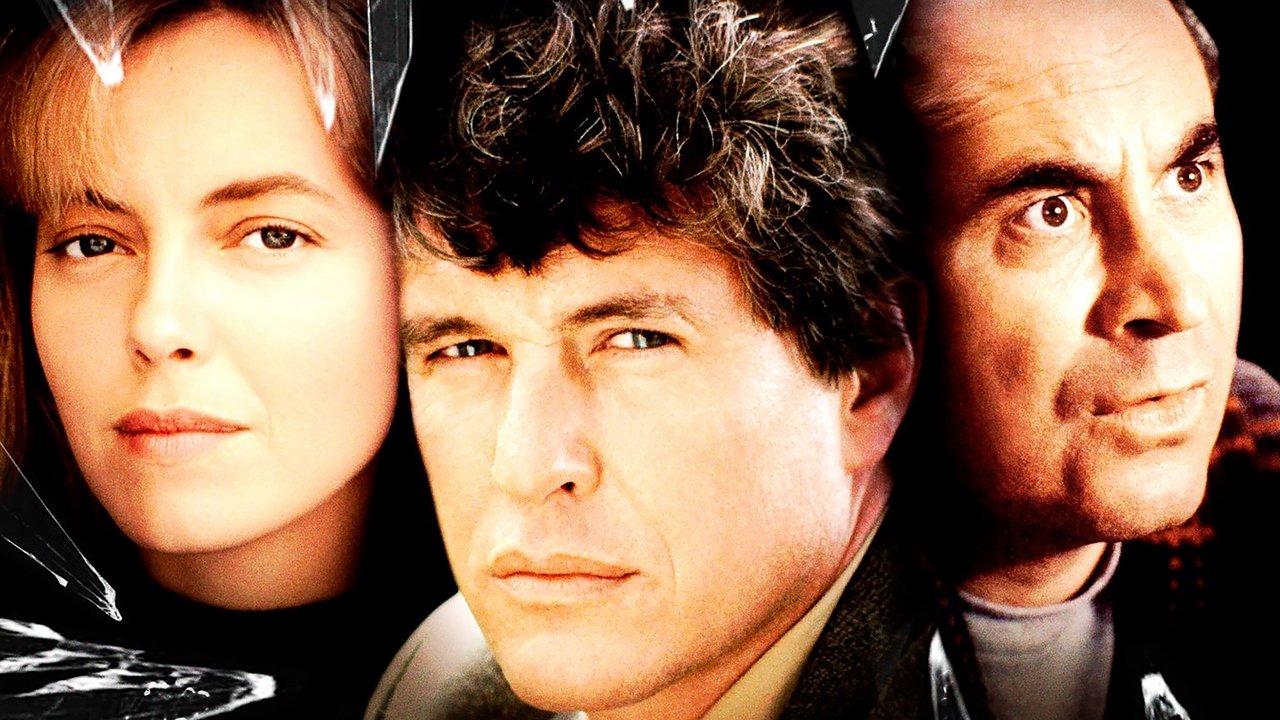
Tom Berenger, fresh off memorable roles in films like Platoon (1986) and Major League (1989), carries the weight of the film. His performance is central, capturing the vulnerability and frustration of amnesia, slowly overlaid with a creeping dread as he suspects the life being presented to him is a carefully constructed lie. He makes Dan's confusion palpable – the searching eyes, the hesitant gestures, the dawning horror. Opposite him, Greta Scacchi is perfectly cast as Judith. Is she a loving caretaker, a victim herself, or the architect of an elaborate deception? Scacchi plays this ambiguity beautifully, her warmth often undercut by a flicker of something unreadable in her eyes.
But for many, the film truly clicks into gear with the arrival of Bob Hoskins as Gus Klein, a scruffy, persistent private investigator hired before the accident to look into Judith's alleged affair. Hoskins, who could bring such grounded humanity to characters whether they were cartoon-adjacent P.I.s (Who Framed Roger Rabbit, 1988) or tough guys (The Long Good Friday, 1980), provides a vital dose of earthy reality amidst the psychological haze. His character operates outside the closed circle of Dan's reconstructed life, asking the awkward questions, poking at the inconsistencies. He runs a pet shop specializing in birds and chemical supplies as a front – a quirky detail that somehow makes him feel even more authentic. His scenes with Berenger, two men cautiously circling the truth, are highlights.
Behind the Cracks
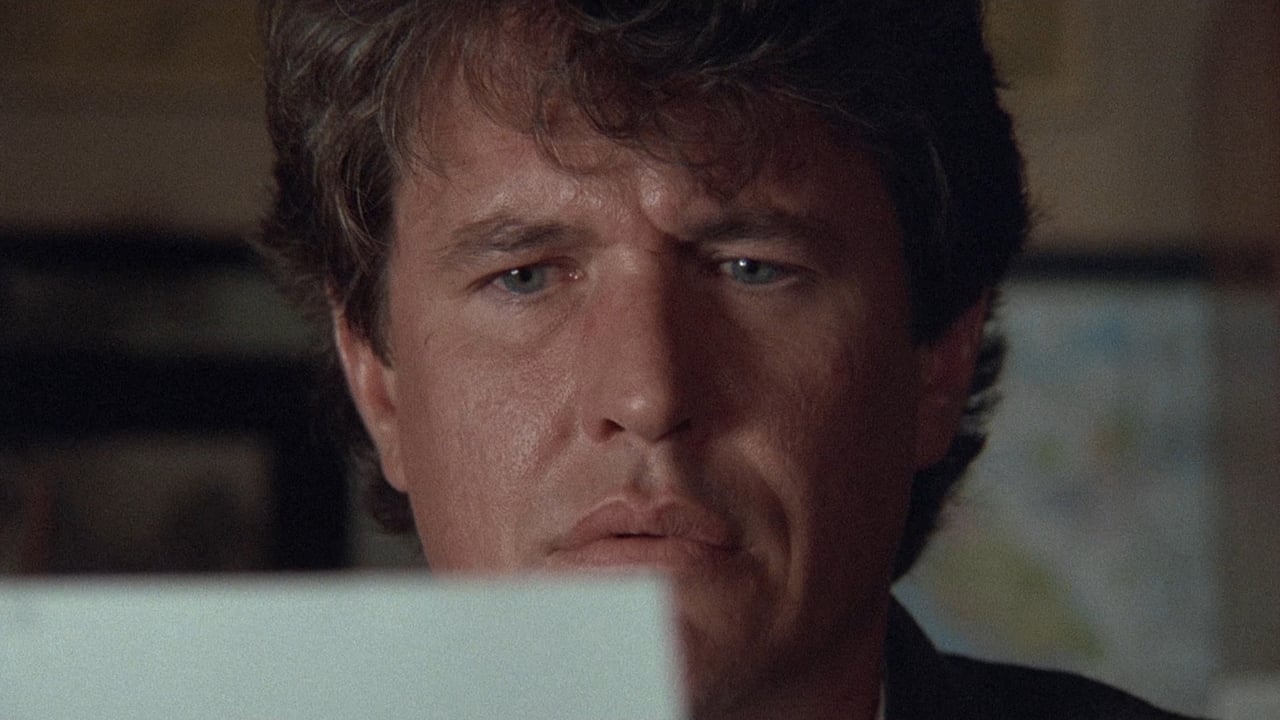

Shattered was a significant project for Wolfgang Petersen. It marked his return to American filmmaking after the expensive sci-fi venture Enemy Mine (1985) hadn't quite landed as hoped. He clearly felt a strong connection to the material, adapting Richard Neely's 1960s novel "The Plastic Nightmare" himself. Reportedly budgeted around $22 million, it performed modestly at the US box office (around $11.5 million), perhaps hindered by its complex plot or that divisive ending. Yet, for those of us browsing the aisles of Blockbuster or the local video store, it became one of those intriguing finds – a glossy thriller with substance and a real sting in its tail.
Spoiler Alert: The Big Reveal
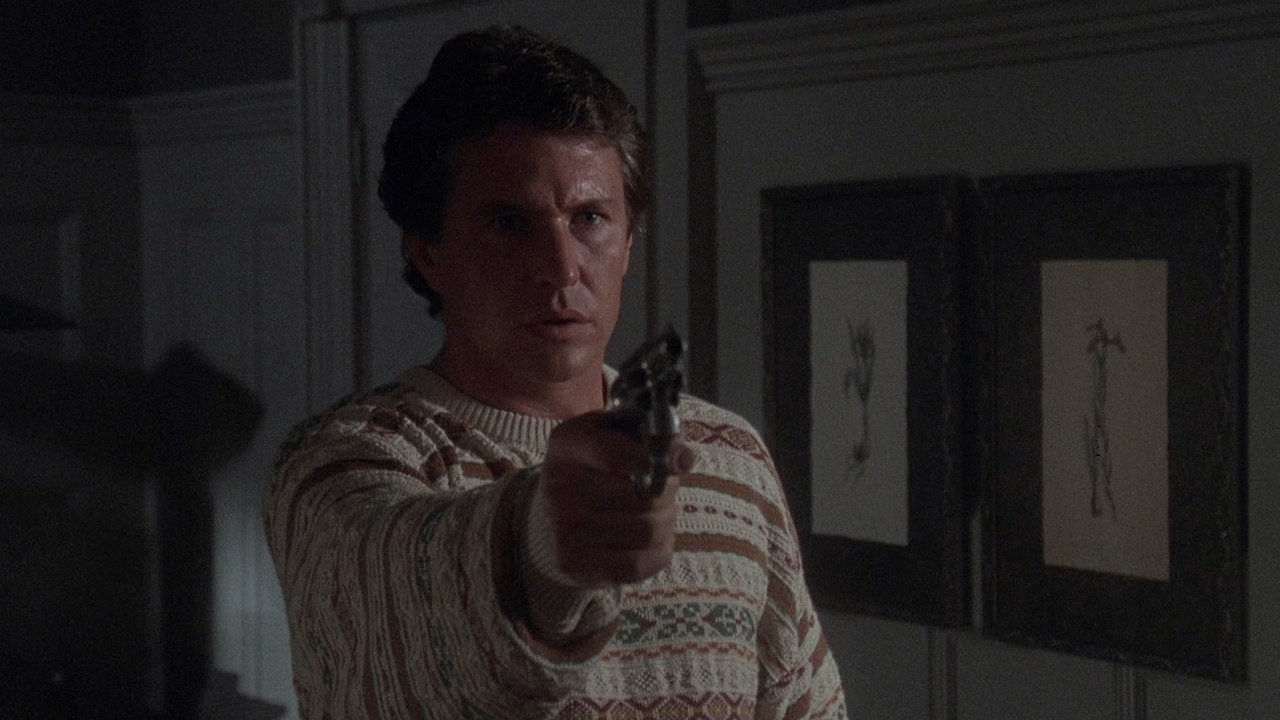
Alright, let's talk about it. If you somehow haven't seen Shattered after all these years and want that "whoa" moment preserved, maybe jump down to the rating. For everyone else who remembers rewinding the tape (sometimes literally!) to see if they missed the clues... yes, that ending. The revelation that Dan Merrick is not Dan Merrick at all, but actually Judith's lover Jack Stanton, surgically altered to look like the presumed-dead husband after the crash he caused, is audacious. It reframes everything we've seen. It’s a narrative hand grenade lobbed in the final act. Did Petersen keep this twist a secret even from some cast members until late in production, as rumour suggests? It certainly feels like a tightly guarded secret on screen. Apparently, Petersen even shot or considered alternative endings, but the one we got is undeniably bold. Does it completely hold up to scrutiny? Maybe not perfectly – some logistical questions linger if you poke too hard. But in the moment? It was a genuine shocker back in '91.
Identity on Trial
Beyond the twist, Shattered taps into something fundamental: the fragility of identity. Who are we without our past? Can we truly know ourselves, let alone others? The film uses amnesia not just as a plot device but as a lens to explore trust, betrayal, and the dark secrets that can fester beneath a polished surface. It asks if a person can escape their nature, even if they don't remember it. These questions linger long after Gus Klein delivers his final, weary observations.
***
Rating: 7/10
Shattered stands as a well-crafted, atmospheric psychological thriller from the early 90s. While its reputation hinges heavily on that audacious final twist – which, depending on your taste for narrative sleight-of-hand, either elevates it or feels slightly like a cheat – the journey there is compelling. Strong performances from Berenger, Scacchi, and especially the ever-reliable Bob Hoskins, combined with Petersen's assured direction and moody visuals, make it a memorable piece of neo-noir. It might not be perfect, with some plot mechanics feeling a bit convenient in retrospect, but its exploration of fractured identity and the suspense it builds earn it a solid place on the shelf in VHS Heaven.
It leaves you pondering not just the film's intricate plot, but the very nature of the self – a puzzle perhaps even more complex than any P.I. could hope to solve.