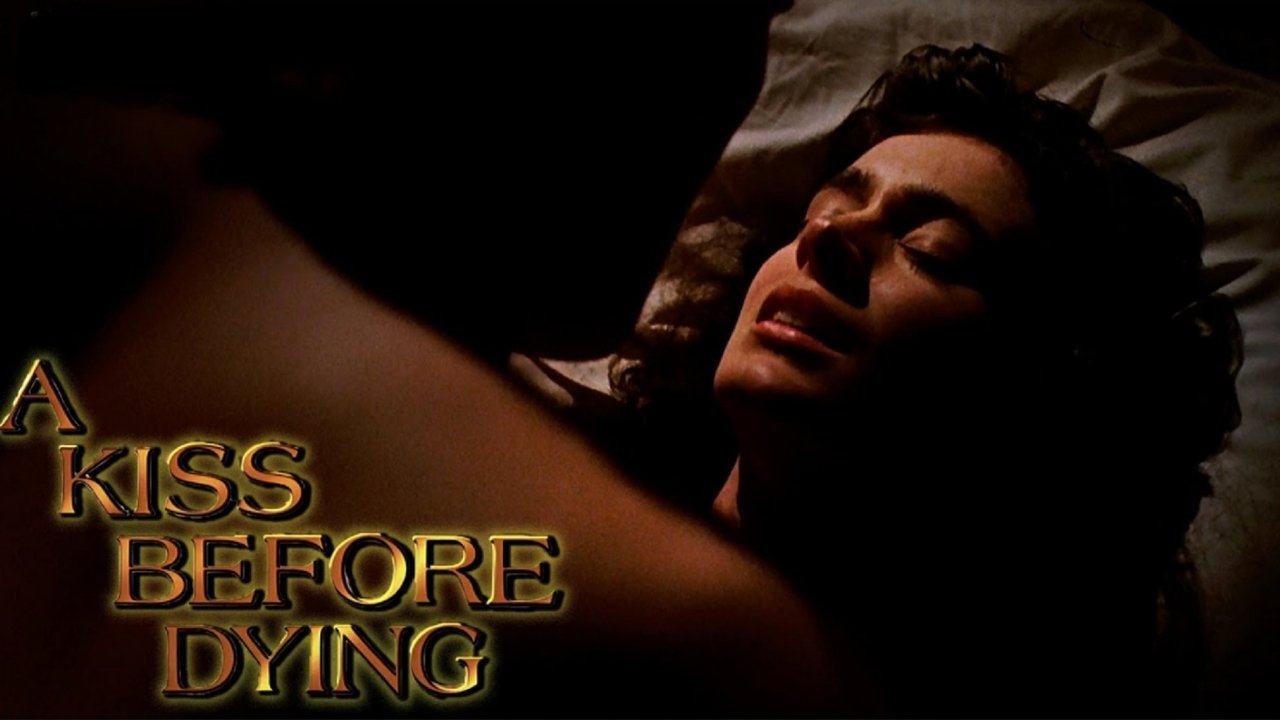
There's a certain chill that settles in when charm curdles on screen, when a handsome smile feels less like an invitation and more like a warning. It’s that specific unease that James Dearden's 1991 adaptation of A Kiss Before Dying aims for, presenting a familiar face in Matt Dillon but twisting his usual rebellious charisma into something far more calculating and predatory. Pulling this tape off the shelf back in the day, maybe nestled between slicker action flicks or goofier comedies, you might not have expected the cold current running beneath its polished surface.
### The Gilded Cage
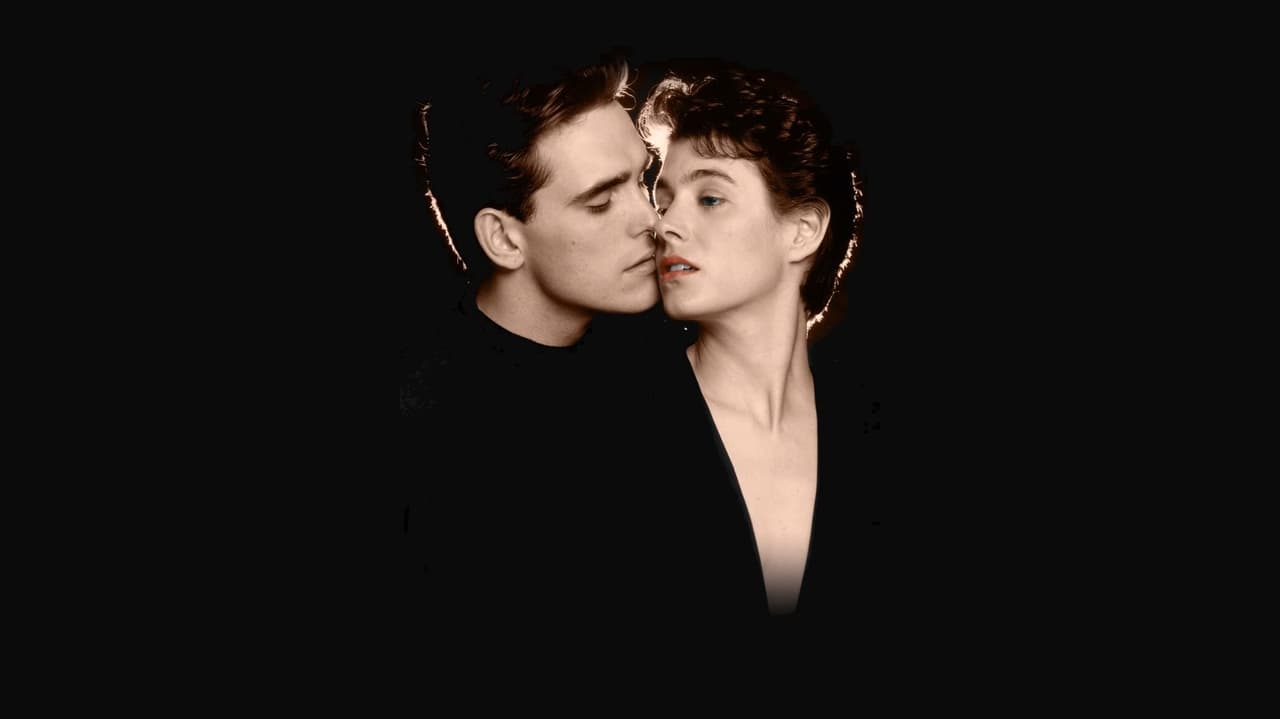
Based on the compelling 1953 novel by Ira Levin (the mastermind behind Rosemary's Baby (1968) and The Stepford Wives (1975)), this isn't the first time the story graced the screen; a 1956 version starred a young Robert Wagner. Dearden, who penned the script for the zeitgeist-capturing Fatal Attraction (1987), takes the directorial reins here, updating the setting but retaining the core premise: Jonathan Corliss (Matt Dillon) is a man born on the wrong side of the tracks with an ambition as vast and ruthless as the industrial empire built by Thor Carlsson (Max von Sydow). Corliss sees the Carlsson daughters as his golden ticket, first setting his sights on Dorothy (played by Sean Young) before circumstances – and his own chilling pragmatism – force a shift in focus.
### A Different Kind of Danger
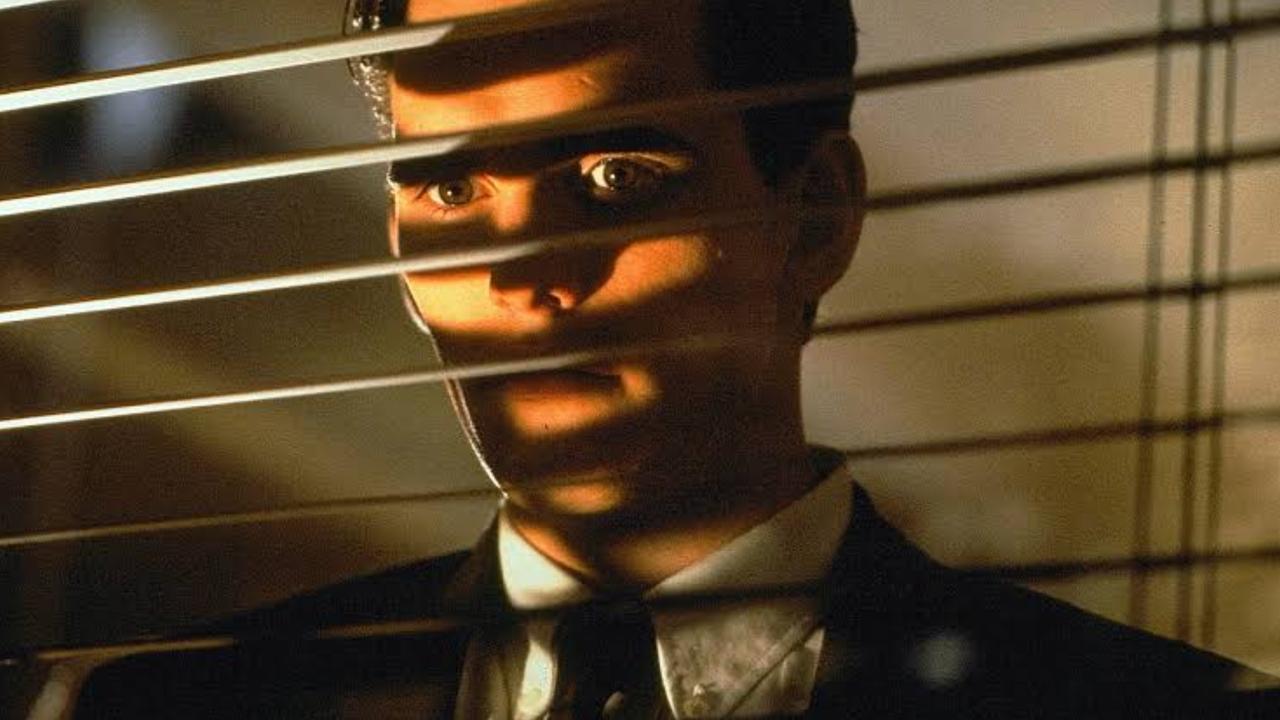
Casting Matt Dillon was an interesting move in 1991. Fresh off a career-defining turn in Gus Van Sant's Drugstore Cowboy (1989), he was actively shedding his teen heartthrob image. Here, he weaponizes that inherent likability. Corliss needs to be charming, persuasive, utterly trustworthy on the surface, and Dillon initially sells that perfectly. The unsettling part is watching the mask slip, seeing the flicker of cold assessment in his eyes, the barely concealed impatience with anything standing between him and his goal. It's not a flamboyant villainy; it's the far more disturbing emptiness of someone who views people purely as assets or obstacles. Does he fully embody the sociopathic depths required? Perhaps not entirely – there are moments where the inherent Dillon warmth almost peeks through – but it remains a compelling and unnerving performance, watching him navigate the opulent Carlsson world like a wolf in bespoke clothing.
Playing opposite him, Sean Young tackles the challenging dual role of twins Dorothy and Ellen Carlsson. It was a period of flux for Young, years after her iconic roles in Blade Runner (1982) and No Way Out (1987), and navigating some well-publicized career turbulence. Playing twins is never easy, requiring distinct characterizations that feel related yet separate. Young differentiates them physically – styling, mannerisms – but whether she fully captures the distinct inner lives of both sisters is debatable. Ellen, the investigator seeking answers about her twin's fate, fares better, displaying a believable blend of grief, suspicion, and determination. Dorothy feels sketched more as the initial, trusting victim. The chemistry between Young and Dillon feels appropriately strained and complex, particularly as Ellen begins to circle closer to the truth about her sister's charismatic beau.
### Shadows in the Sunshine
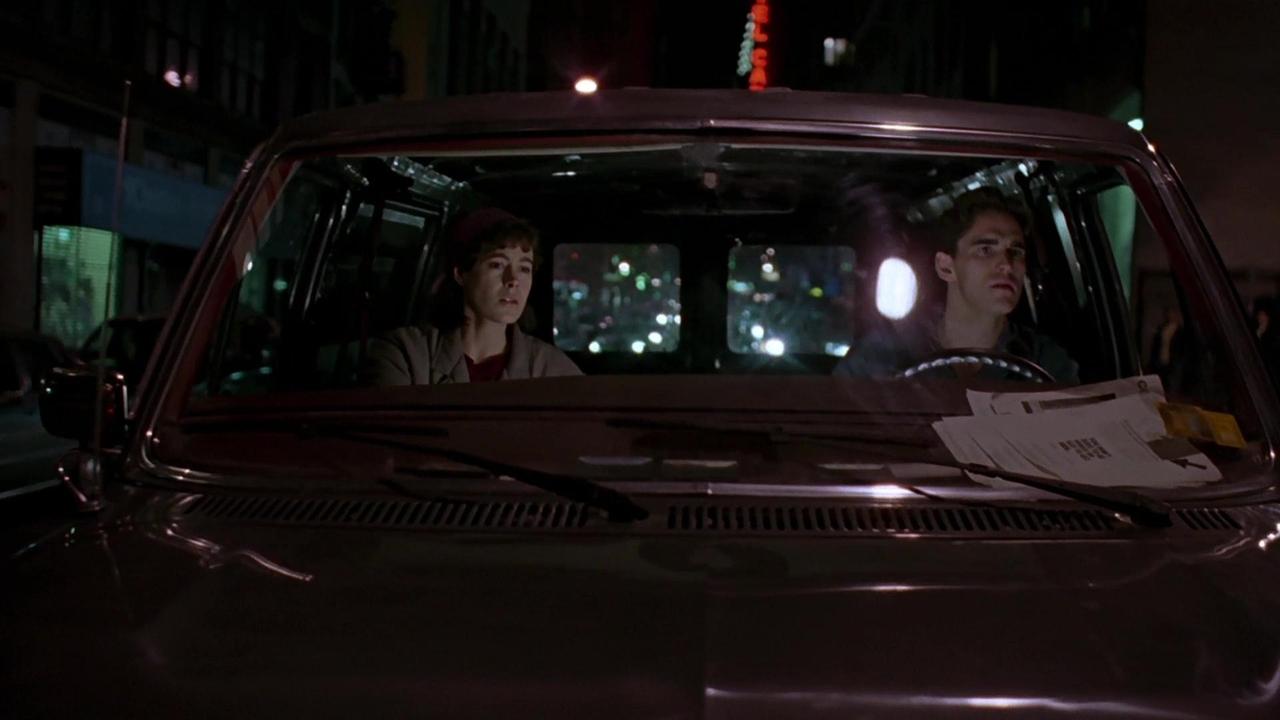
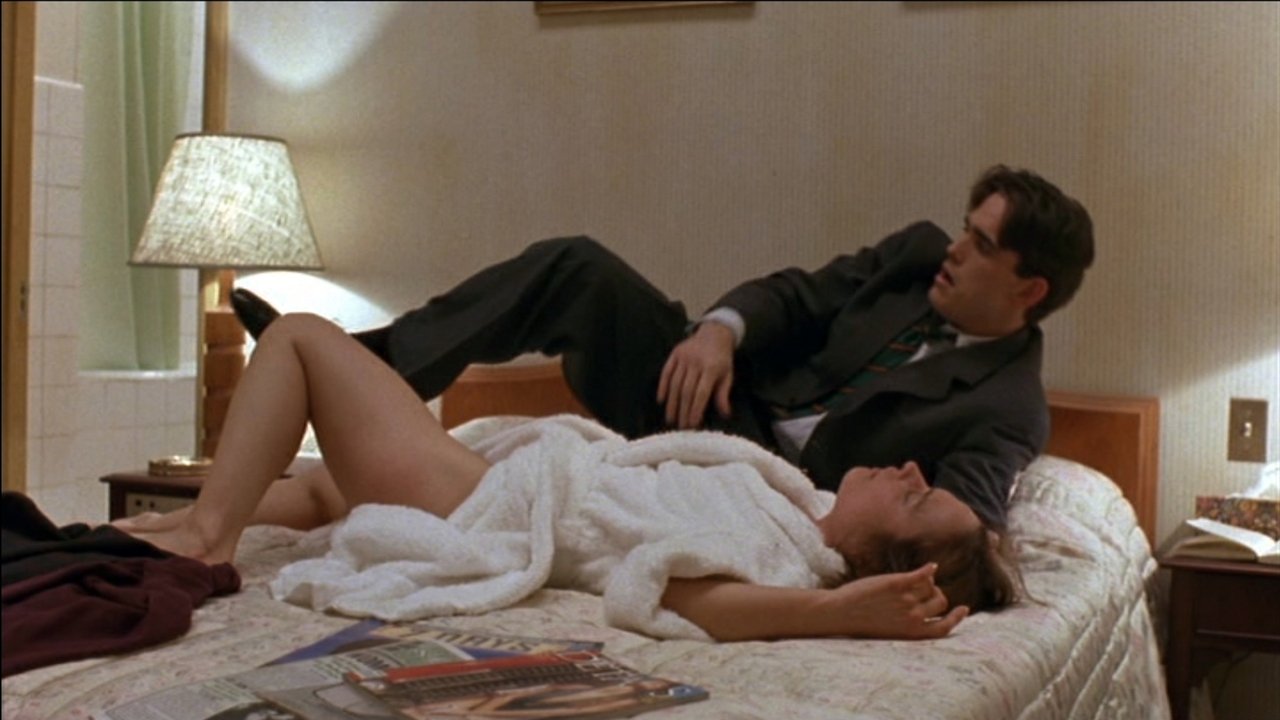
James Dearden's direction aims for a sun-drenched noir feel, contrasting the bright, privileged world of the Carlssons with the darkness of Corliss's intentions. The Pennsylvania and Virginia locations lend an air of old money authenticity, visually reinforcing the stakes Corliss is playing for. Yet, the film sometimes struggles with pacing, particularly after its initial shocking event (which, unlike the novel and the 1956 film, is revealed quite early to the audience, shifting the narrative from a 'whodunit' to a 'how will he be caught?'). This structural change sacrifices some suspense for dramatic irony, a choice that might divide viewers familiar with the source material. The legendary Max von Sydow, bringing his effortless gravitas to the role of the patriarch, provides a necessary anchor of weary authority, embodying the power Corliss craves.
Interestingly, despite the talent involved and a decent production budget reported around $18 million, A Kiss Before Dying didn't quite connect with audiences or critics upon release, ultimately pulling in just over $14 million worldwide. It landed with a bit of a thud, often unfavorably compared to the tighter, more suspenseful 1956 original. Perhaps the early 90s appetite was shifting, or maybe the film’s deliberate chill felt slightly out of step. Watching it now, that cool detachment feels very much of its time – a certain flavor of early 90s thriller that wasn't quite gritty enough for neo-noir purists but too dark to be mainstream comfort food.
### Legacy on Tape
Was this a staple in your VCR back then? For many, it might have been a one-time rental, overshadowed by more bombastic fare. Yet, revisiting it offers a fascinating snapshot. It captures Matt Dillon stretching into darker territory, showcases Sean Young in a demanding dual role, and presents a chilling, if slightly uneven, tale of ambition curdled into obsession. It lacks the knockout punch of Fatal Attraction or the slow-burn mastery of Levin's best work, but there's a morbid curiosity in watching Corliss operate, a disturbing reflection on how easily monstrosity can hide behind a pleasing facade. What is it about such characters – the handsome devils hiding hollow cores – that continues to draw us in?
Rating: 6/10
Justification: Dillon's effectively chilling performance and the potent core concept from Levin's novel elevate the film. However, uneven pacing, a sometimes predictable unfolding due to the structural changes from the source, and a sense that it never quite reaches its full potential keep it from being a true classic. It's a solid, well-produced 90s thriller, but ultimately feels like a slightly missed opportunity.
Final Thought: A fascinating, if flawed, artifact of early 90s psychological thrillers, notable for Matt Dillon's against-type performance and its place as a somewhat forgotten remake that dared to tamper with a classic structure. Worth a watch for fans of the stars or the era's specific brand of suspense.