That unmistakable opening rhythm, the cool pulse of reggae setting a scene not of laid-back beach parties, but of something simmering just beneath the sun-drenched surface. That's the immediate pull of The Mighty Quinn, a film that arrived on video store shelves in 1989 feeling both familiar and distinctly different. It wasn't just another cop thriller; it was steeped in the specific heat and complexities of the Caribbean, anchored by a performance that cemented Denzel Washington as a star radiating charisma long before his powerhouse Oscar roles in films like Glory or Training Day. Watching it again now, on a format far removed from the original VHS tape I likely wore out, the film’s unique atmosphere feels just as potent.
Island Noir Under a Hazy Sun
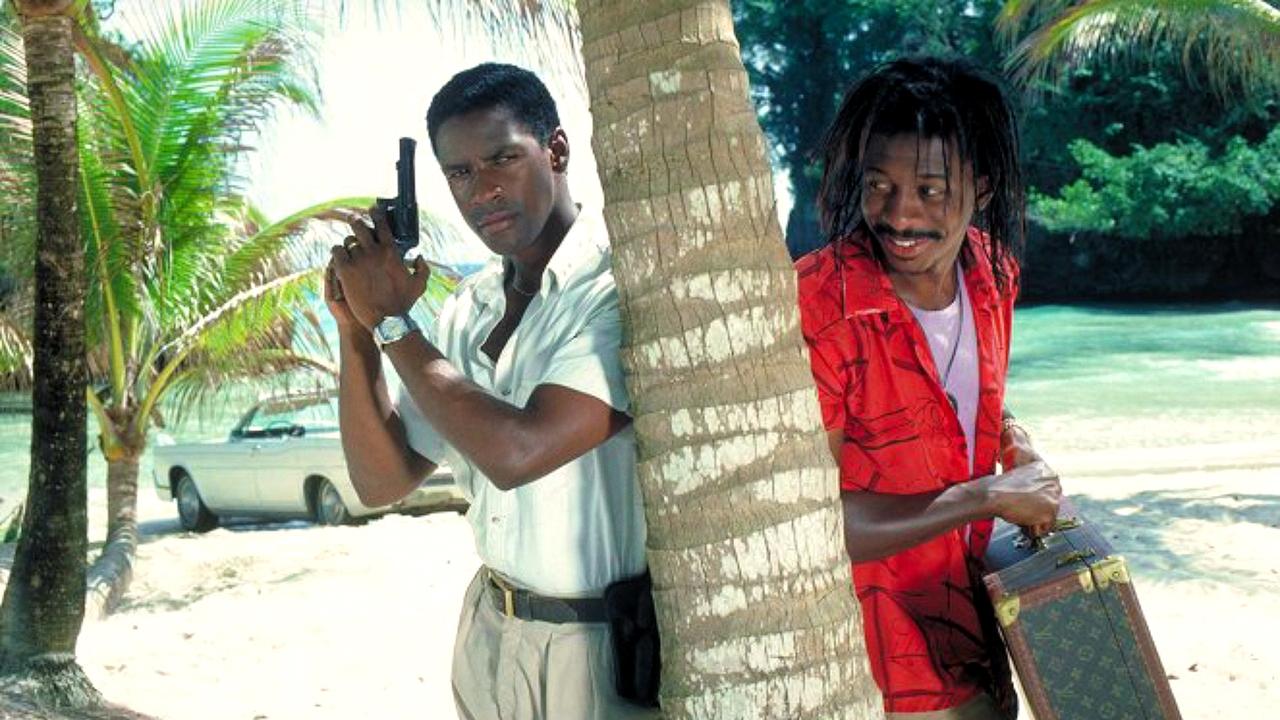
What immediately sets The Mighty Quinn apart is its confident blending of genres. Director Carl Schenkel crafts a vivid sense of place – filming on location in Jamaica lends an undeniable authenticity – where the stunning natural beauty serves as a stark counterpoint to the murder mystery unfolding. This isn't the sanitized paradise of tourist brochures; it's a living, breathing community with its own history, hierarchies, and secrets. The screenplay, penned by Hampton Fancher (a name familiar to sci-fi fans as the co-writer of Blade Runner!) based on A.H.Z. Carr's novel Finding Maubee, masterfully uses this setting not just as backdrop, but as an integral part of the narrative. The humidity feels palpable, the social tensions simmer like the afternoon heat, and the investigation feels less like a procedural and more like peeling back layers of island life itself.
The Effortless Cool of Xavier Quinn
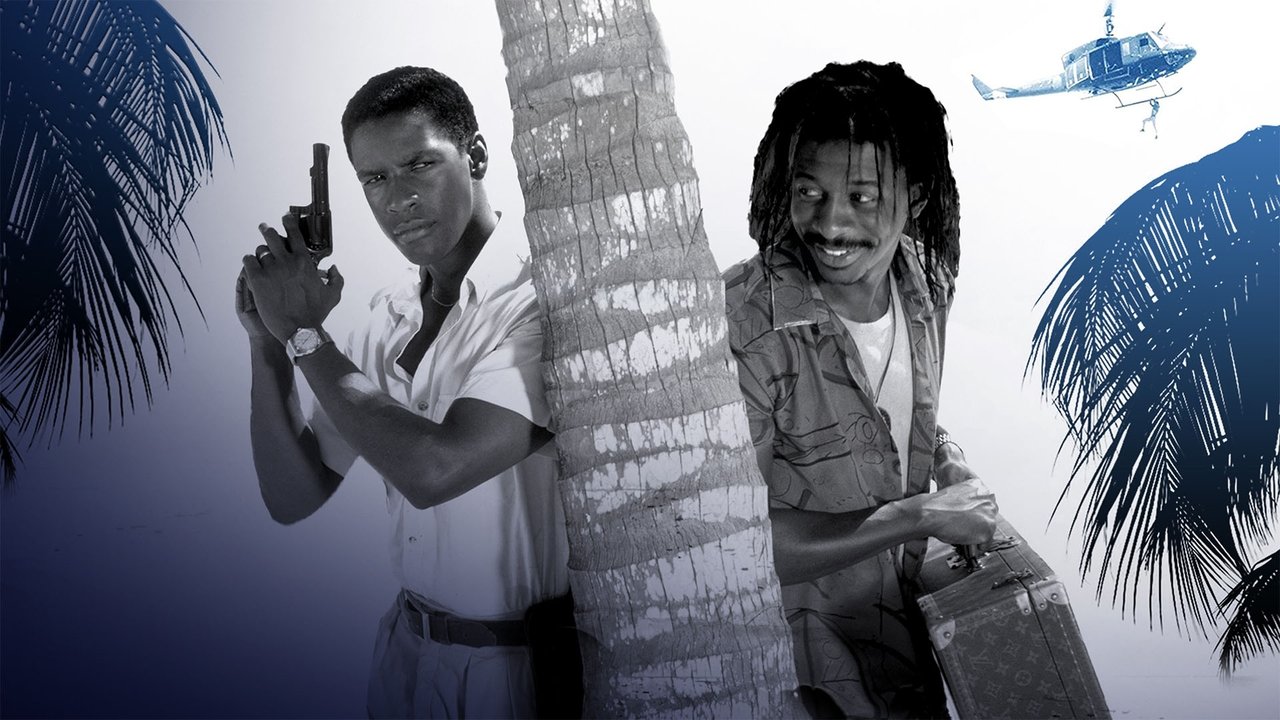
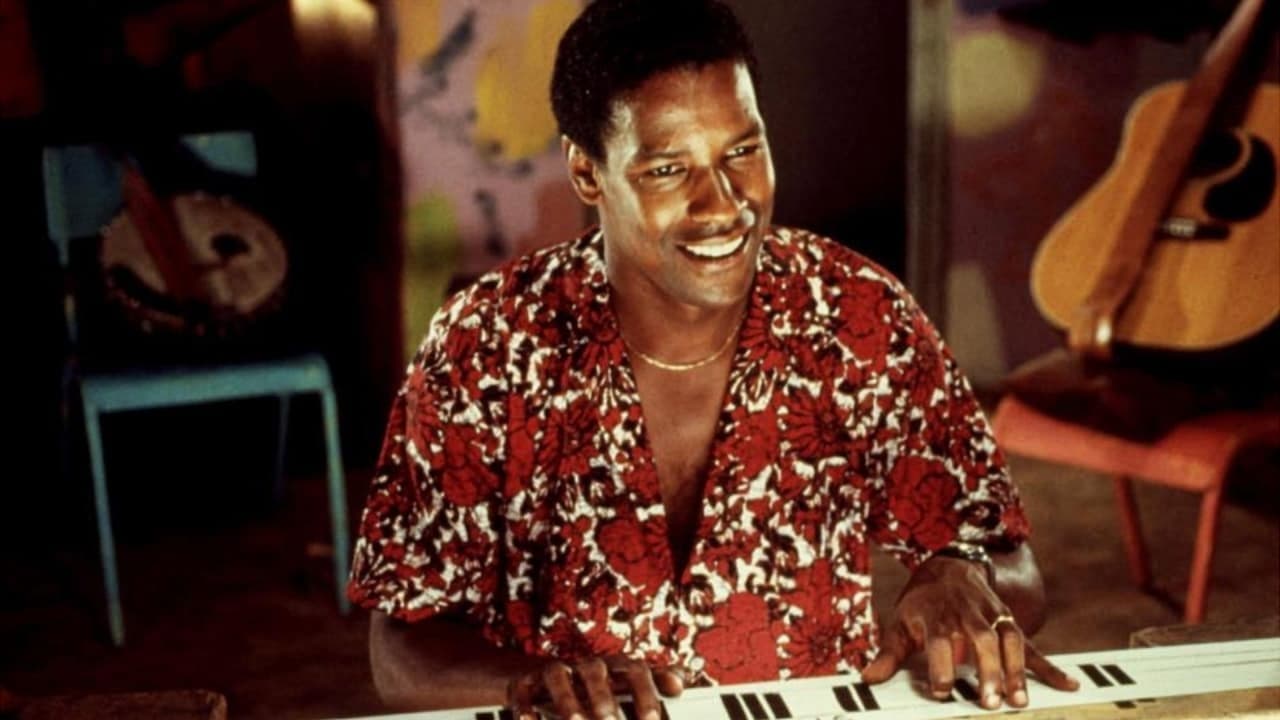
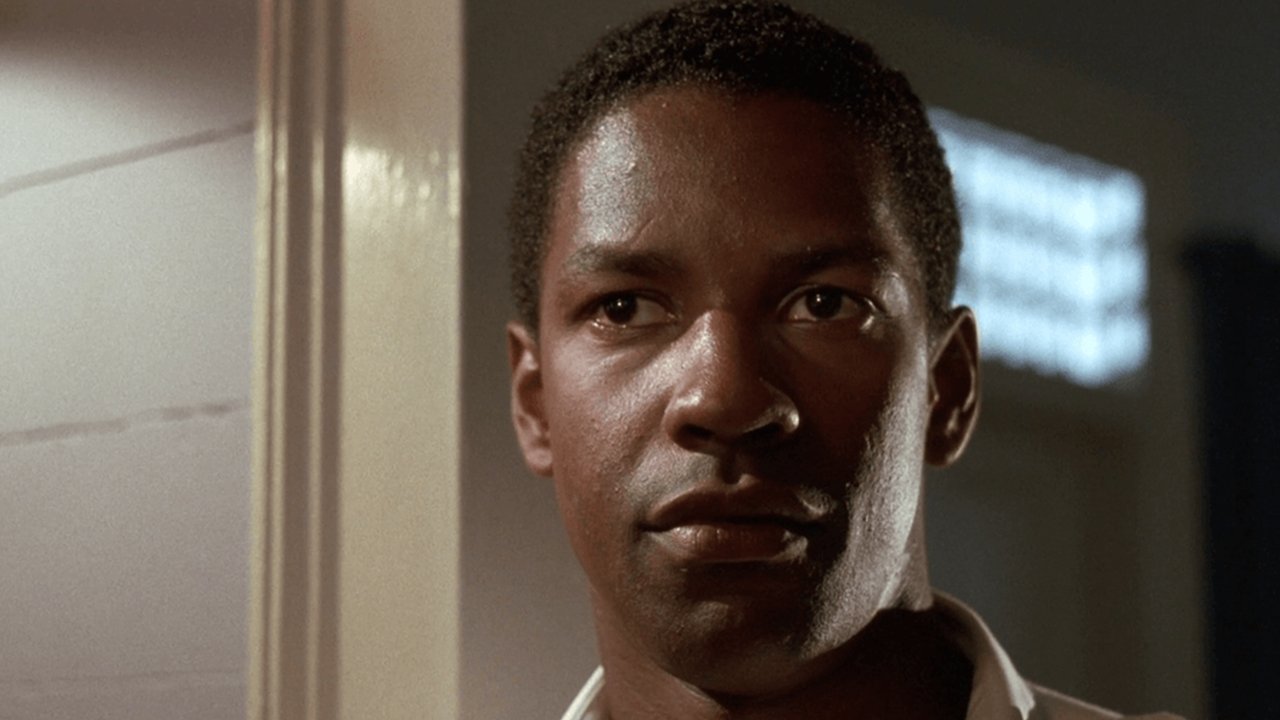
At the heart of it all is Denzel Washington as Police Chief Xavier Quinn. Returning to his home island after years away, Quinn is a man caught between two worlds – the discipline of his police training and the ingrained loyalties of his past. Washington embodies this conflict with an easy grace that’s captivating. He’s sharp, observant, and carries the weight of authority, yet there’s an underlying warmth and connection to the community that feels utterly genuine. Watching him navigate the political minefields, racial undertones, and personal connections involved in the case is the film's driving force. It’s a performance built on subtle reactions, knowing glances, and an undeniable screen presence. You simply can't take your eyes off him. I remember renting this back in the day, partly because Denzel was becoming that guy, the one you knew was destined for bigger things, and this role felt like proof positive.
Childhood Friend or Dangerous Fugitive?
The central conflict revolves around Quinn's childhood friend, Maubee, played with infectious energy by Robert Townsend (who many would know from his own directorial hit, Hollywood Shuffle). Maubee, a charming, free-spirited rogue, becomes the prime suspect in the murder of a wealthy businessman. Quinn finds himself in the impossible position of hunting down the man who was once like a brother. Townsend brings a necessary levity and complexity to Maubee; he's not just a plot device but a character whose relationship with Quinn feels lived-in and real. Their shared history adds layers of emotional depth to the investigation – does Quinn truly believe his friend capable of murder, or is he being set up? This dynamic fuels much of the film's tension and heart.
Secrets Under the Surface
The supporting cast adds further texture. James Fox brings a chilling patrician menace as the wealthy industrialist whose murder kicks things off, representing the lingering colonial influences and hidden corruption. Mimi Rogers plays the victim's unhappy wife, adding a layer of femme fatale intrigue, while M. Emmet Walsh pops up reliably as a cynical, slightly shady American associate. And Sheryl Lee Ralph is memorable as Maubee's vibrant girlfriend. Each character contributes to the sense of a community where everyone knows everyone, yet true motives remain veiled. Schenkel directs these interactions with a steady hand, letting the mystery unfold organically amidst the compelling character work.
Reggae Rhythms and Retro Realism
You can't talk about The Mighty Quinn without mentioning its incredible soundtrack, pulsating with reggae beats that perfectly capture the film's soul. The title track, a cover of Bob Dylan's song performed by Michael Rose, became synonymous with the film (interestingly, the film's title was changed from the novel's Finding Maubee specifically to leverage the song's recognition). The music isn't just background noise; it's woven into the fabric of the island and the story. Beyond the soundtrack, there’s a pleasingly grounded feel to the production. The action sequences, like Quinn's pursuit of Maubee across rooftops, feel real and consequential – apparently, Washington performed some of his own stunts, adding to that visceral quality. This wasn't a massive budget spectacle (reportedly made for around $11 million, it sadly didn't ignite the box office, grossing only about $4.5 million domestically), but it uses its resources effectively, focusing on character, atmosphere, and a compelling narrative. It presented a side of Jamaica rarely seen in mainstream film at the time, moving beyond simple stereotypes.
Still Mighty After All These Years?

Revisiting The Mighty Quinn confirms its status as a standout thriller from the late 80s. It might not have the high-octane bombast of some contemporaries, but its strengths lie elsewhere – in its unique setting, its thoughtful exploration of loyalty and corruption, and particularly in Denzel Washington's magnetic early-career performance. It’s a film that invites you to soak in its atmosphere, to piece together the clues alongside Quinn, and to ponder the complexities of returning home. Does it feel dated in places? Perhaps some elements betray their era, but the core story and the central performance remain remarkably strong. It feels like a film made for adults, confident in its pacing and its intelligence.
Rating: 8/10
This score reflects the film's exceptional atmosphere, Washington's star-making turn, the compelling blend of character study and thriller, and its unique place as a Caribbean noir. While perhaps not a flawless masterpiece, its distinct flavour and memorable central performance make it a gem well worth rediscovering on whatever format you can find. It's a reminder that sometimes, the most compelling mysteries are found not in the darkest alleys, but under the brightest sun. What lingers most is that feeling of place, and the quiet authority of Quinn trying to navigate its hidden currents.