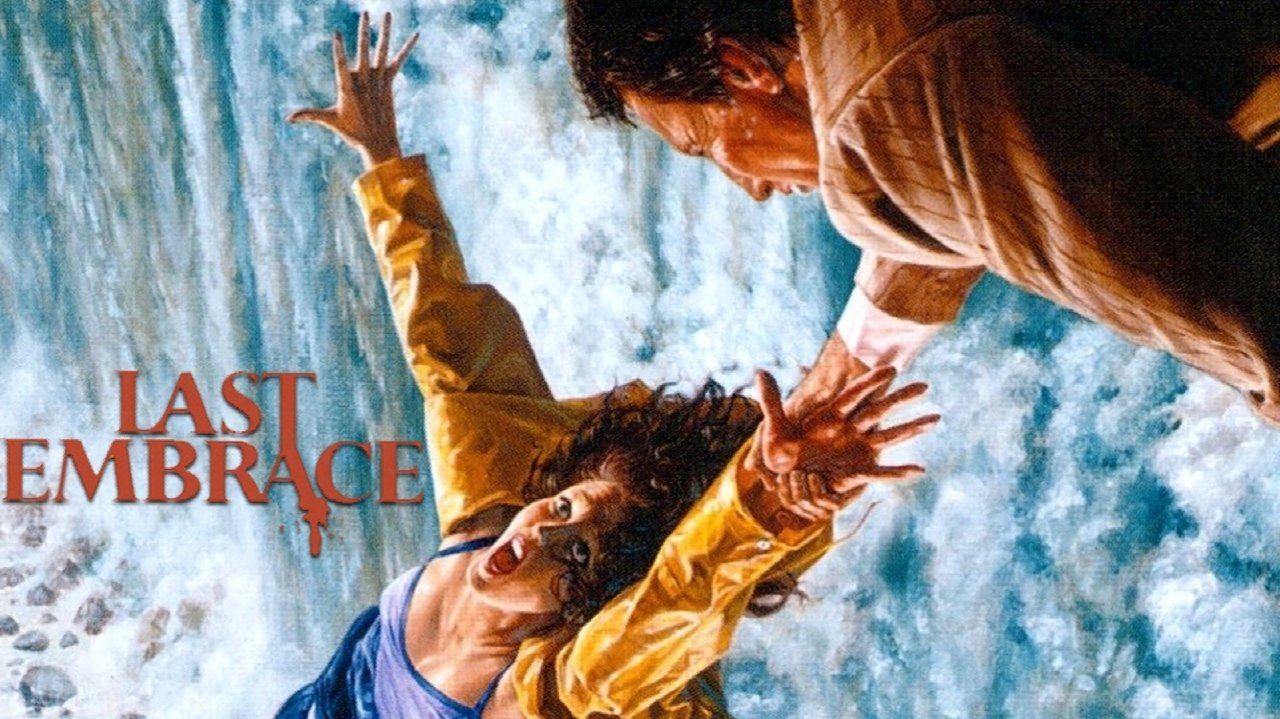
It begins with a feeling, doesn't it? That cold prickle on the back of the neck, the sense that the world has subtly shifted out of alignment while you weren't looking. That's the space Jonathan Demme throws us into immediately with Last Embrace (1979), a film that arrived just as the 70s were sighing their last, gritty breath. It wasn't a blockbuster, not by a long shot – finding this one often meant digging through the thriller section at the local video store, perhaps drawn in by Roy Scheider's familiar face, still etched in our minds from the aquatic terrors of Jaws (1975). What you got wasn't high-octane action, but something rarer: a slow-burn descent into paranoia, wrapped in the loving, sometimes suffocating, embrace of classic Hollywood suspense.
A Mind on the Brink
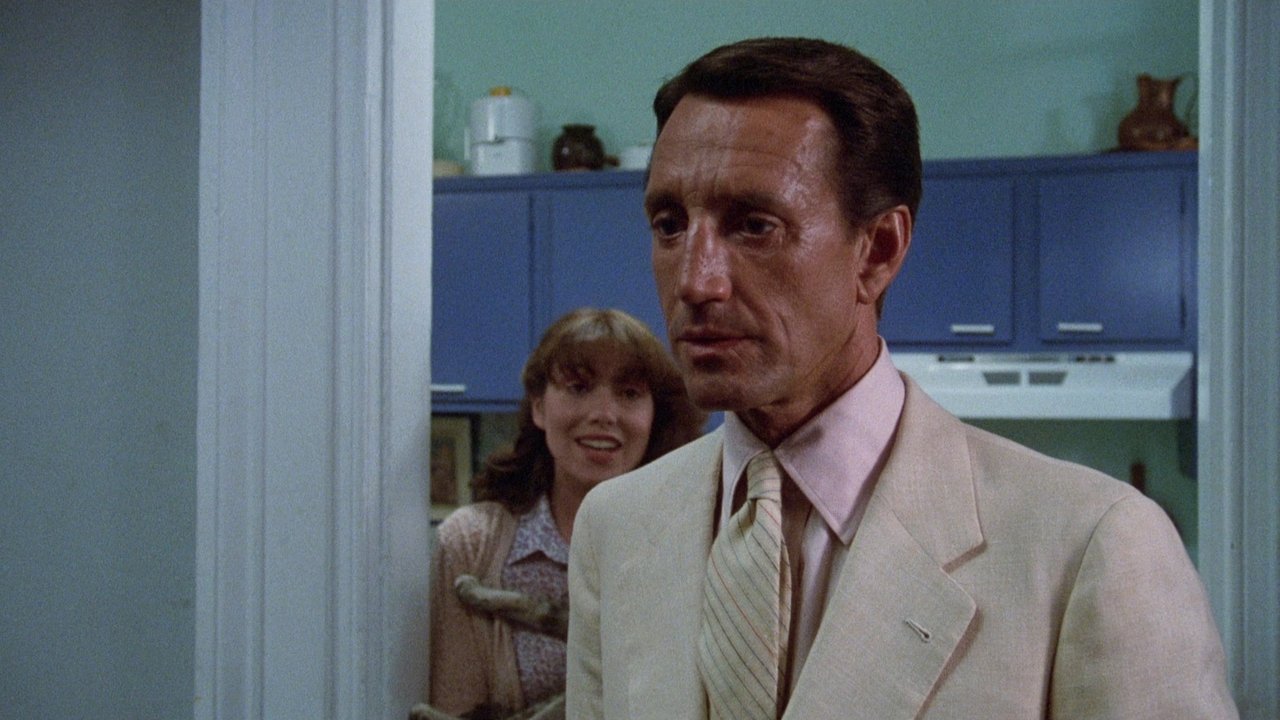
The film plunges us into the fractured reality of Harry Hannan (Scheider), a government agent reeling from a mental breakdown after witnessing his wife's murder during a botched assignment in a cantina. We meet him in the sterile quiet of a Connecticut sanatorium, his recovery tentative, his grip on reality seemingly paper-thin. When he's finally released back into the concrete labyrinth of New York City, the sense of unease doesn't dissipate; it intensifies. He finds cryptic messages written in Hebrew left for him, narrowly avoids suspiciously convenient "accidents," and becomes convinced his own agency is trying to silence him permanently. Is he truly being hunted, or is this the lingering echo of trauma, his mind constructing threats where none exist? This ambiguity is the engine that drives the film's first half, and Scheider carries it brilliantly. His Hannan isn't a superhero; he's frayed, vulnerable, his eyes constantly scanning for threats, his exhaustion palpable. It’s a performance built on nuance, far removed from the stoic archetype, making his predicament feel disturbingly real.
Echoes of the Master

You can't talk about Last Embrace without mentioning Alfred Hitchcock. Demme, who would later achieve iconic status with films like The Silence of the Lambs (1991) and Philadelphia (1993), wears his influences proudly here. The plot, involving an ordinary man caught in extraordinary, deadly circumstances, the mounting paranoia, the blonde who might be more than she seems (Janet Margolin as Ellie Fabian, the anthropology student subletting Harry's apartment), and the spectacular, vertiginous climax – it all feels like a carefully constructed homage. The film even boasts a lush, powerful score by the legendary Miklós Rózsa, a composer synonymous with Hollywood's Golden Age (Spellbound, Ben-Hur). Hiring Rózsa wasn't just a stylistic choice; it was a statement, deliberately invoking the grand, emotive thrillers of a bygone era and layering that sound onto a distinctly late-70s sense of grit and uncertainty. It was a fascinating, slightly jarring juxtaposition that works surprisingly well.
Threads of Conspiracy and History
Where Last Embrace carves its own path is in the nature of the conspiracy Harry uncovers. Spoiler Alert! The plot delves into unexpected territory, weaving in threads of Jewish history, vengeance, and a secret organization tracing its roots back generations, seeking retribution for past injustices. It’s a bold, complex turn that elevates the film beyond a simple "wrong man" scenario, touching on themes of historical trauma and the cyclical nature of violence. Janet Margolin's Ellie becomes more than just a potential love interest or damsel; her academic background becomes crucial to deciphering the puzzle. Margolin, perhaps best known for her breakout role in David and Lisa (1962), brings an intelligence and quiet strength to Ellie, making her a compelling counterpoint to Scheider's spiraling anxiety. And watch for a typically intense, scene-stealing turn from a young John Glover as Harry's former academic contact.

Retro Fun Facts: Behind the Paranoia
- Based on the novel "The 13th Man" by Murray Teigh Bloom, the film adaptation by David Shaber (who also penned Nighthawks) streamlined the narrative while retaining its core paranoid thrust.
- Jonathan Demme was still honing his craft. Last Embrace feels distinctly different from his later, more celebrated work, showcasing a director deeply engaged with cinematic history but finding his own voice within it. You can see the seeds of the character focus and atmospheric tension that would define his later films.
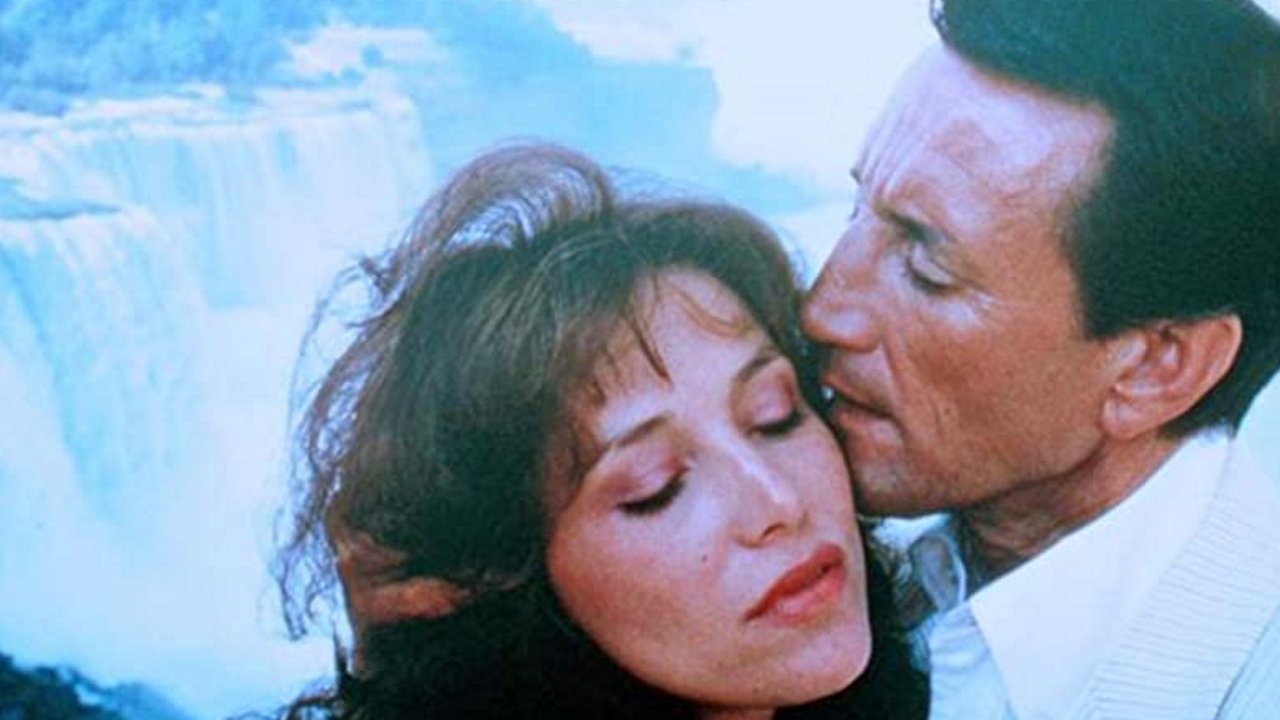
- The spectacular climax set against the roaring backdrop of Niagara Falls is a direct nod to Hitchcock classics like North by Northwest (1959) and Niaguaara (1953). Filming the sequence involved complex stunt work and coordination, aiming for that same visceral sense of danger and scale the Master achieved. Imagine the crew battling the spray and the noise to capture those shots!
- Despite its pedigree and compelling story, Last Embrace wasn't a box office success upon release, reportedly earning back less than its estimated $5 million budget. It became something of a cult item on home video – precisely the kind of discovery that made browsing those VHS shelves so rewarding. It often felt like uncovering a secret the wider world had missed.
Does it Hold Up?
Watching Last Embrace today is an interesting experience. The pacing is deliberate, a far cry from the frantic cutting of modern thrillers. It takes its time building atmosphere and character, relying on suspense rather than constant action. Some might find it slow, but for those who appreciate a well-crafted slow burn, it's deeply rewarding. The themes of paranoia, shadowy organizations, and the weight of history still resonate, perhaps even more so in our current climate. Scheider's performance remains a highlight – a raw, affecting portrayal of a man pushed to the edge. The film asks unsettling questions: How much of our fear is justified? Can the past ever truly be escaped? What happens when historical grievances demand modern blood?
***
VHS Heaven Rating: 7.5/10
Justification: Last Embrace earns its score through its palpable atmosphere of paranoia, Roy Scheider's compelling central performance, Jonathan Demme's skillful direction that lovingly nods to Hitchcock while forging its own path, and Miklós Rózsa's magnificent score. The intricate plot, weaving historical elements into a contemporary thriller framework, is ambitious and largely successful. While the pacing might test some viewers accustomed to faster fare, and the plot's complexity occasionally feels dense, the film's intelligence and commitment to suspense make it a standout from its era. It might not have been a hit, but it's a sophisticated, gripping thriller that deserved better and feels like a genuine find.
Final Thought: This is the kind of film that lingers – not with jump scares, but with a quiet, pervasive unease. It’s a reminder that sometimes the most terrifying threats aren't monsters or madmen, but the ghosts of history and the fragile workings of the human mind. A true gem for anyone who misses the days when thrillers took their time to get under your skin.