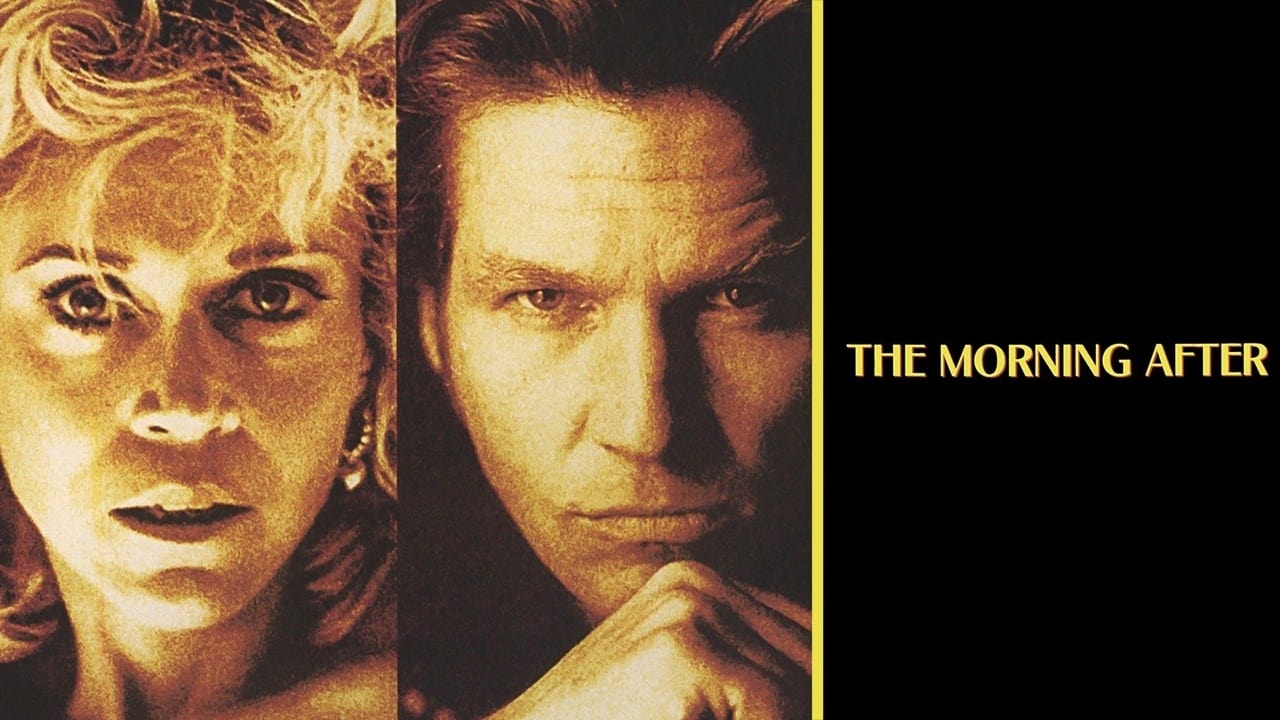
Okay, settle in, maybe grab a drink – though perhaps something lighter than what Alex Sternbergen reaches for. Remember that feeling, browsing the thriller section at the video store, the lurid covers promising intrigue and danger? Sometimes you picked up a box like The Morning After (1986), saw Jane Fonda and Jeff Bridges on the cover, noted the legendary Sidney Lumet directing, and knew you were in for something a bit more substantial than your average mystery. Revisiting it now, decades later, it’s that substance, particularly Fonda’s raw nerve performance, that really lingers.
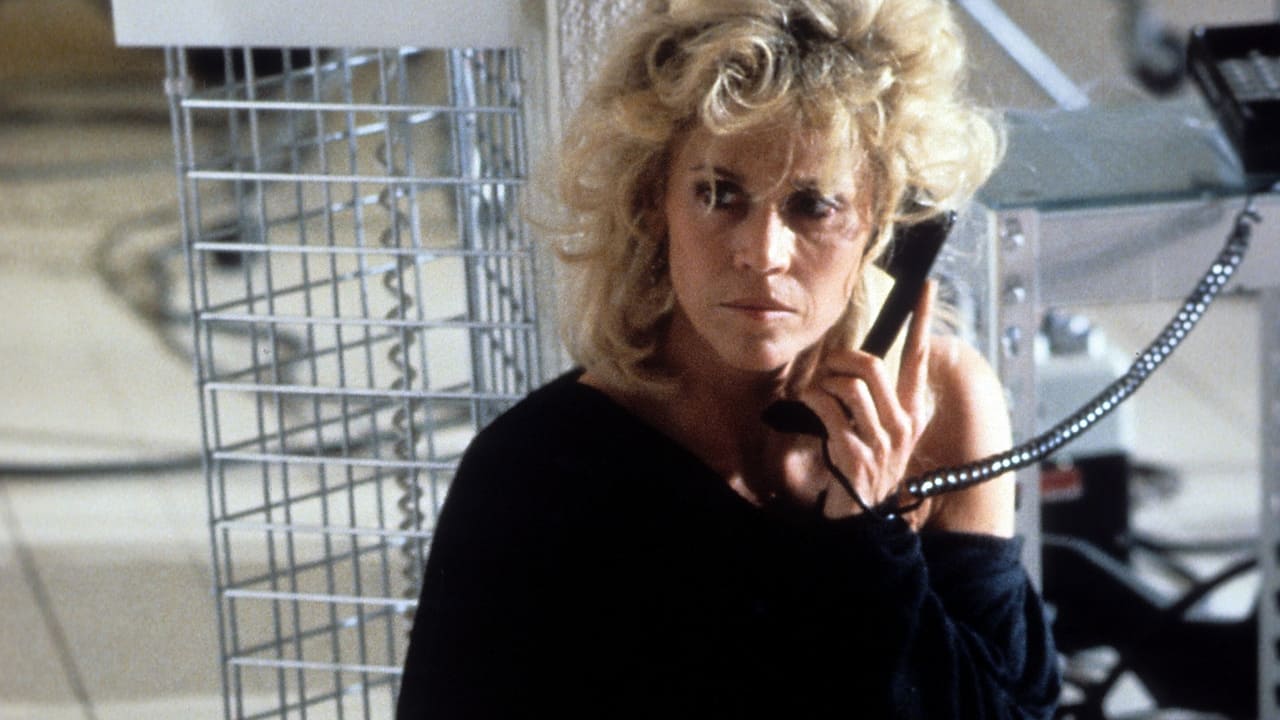
The opening hits you like that first unwelcome ray of sunlight after a rough night. Fonda’s Alex, a former actress whose career and life have been pickled in alcohol, wakes up in a strange loft apartment. Sunlight slices through the blinds, illuminating dust motes and the horrifyingly still form of a man lying next to her, a knife protruding from his chest. She has absolutely no memory of how she got there, who he is, or what happened. It’s a terrifyingly effective hook, immediately plunging us into Alex’s disorientation and panic. What unfolds isn't just a whodunit, but a desperate scramble for survival and sobriety, set against the strangely bleached-out backdrop of mid-80s Los Angeles.
### A Performance of Unvarnished Truth
Let's be clear: the reason The Morning After still resonates is Jane Fonda. Coming off her workout tape phenomenon and already a two-time Oscar winner, she dives headfirst into the role of Alex Sternbergen, a woman hanging on by a thread. This isn't glamorous despair; it's messy, painful, and deeply human. Fonda earned another Academy Award nomination for this, and watching it again, you see why. She captures the jittery paranoia, the flashes of self-loathing, the desperate craving for a drink even as it destroys her, and the flicker of the intelligent, capable woman buried underneath the wreckage. It's a performance devoid of vanity, relying on subtle shifts in expression and body language that feel utterly authentic. You believe her terror, her confusion, her fragile hope. Apparently, Fonda drew on her own past struggles and attended AA meetings to prepare, aiming for that unvarnished truth, and it absolutely shows on screen.
### An Unlikely Alliance in the LA Sun
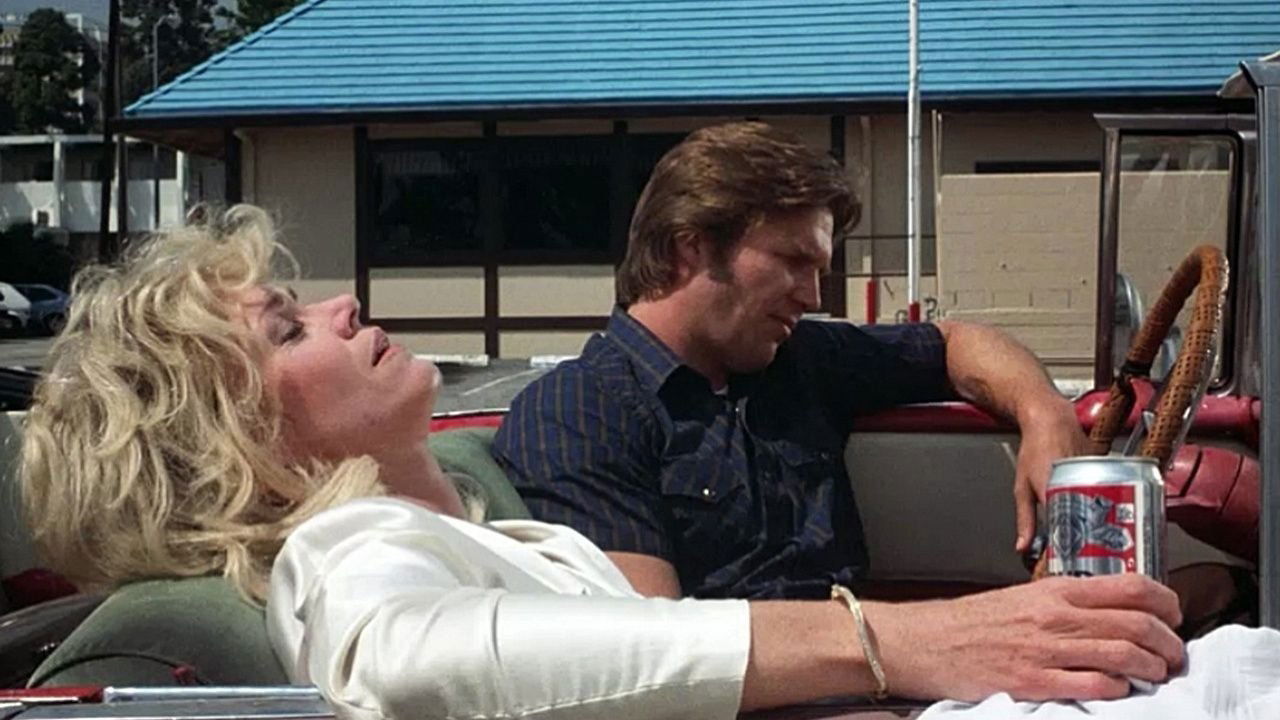
Fleeing the scene in a panic, Alex encounters Turner Kendall, played with a quiet, watchful energy by Jeff Bridges. Turner is this slightly enigmatic figure – an ex-cop from Bakersfield, now seemingly drifting, fixing things, maybe looking for something himself. He’s the first person Alex tries to trust, their connection forming amidst suspicion and the sheer absurdity of the situation. Their dynamic is the film's other pillar. It’s not a whirlwind romance; it’s tentative, awkward, built on shared vulnerability rather than slick dialogue. Bridges, fresh off compelling roles in films like Starman (1984) and Jagged Edge (1985), brings his trademark grounded realism. He listens more than he talks, his eyes conveying a weariness and a cautious empathy that makes Turner believable. You wonder, why does this guy stick his neck out for this train wreck of a woman? The film suggests, subtly, that perhaps he recognizes a fellow soul navigating troubled waters. Adding another layer is Raul Julia as Joaquin Manero, Alex's increasingly estranged husband, a high-end hairdresser whose patience has worn thin. Julia, always a magnetic presence (and just before his iconic Gomez Addams in The Addams Family), brings a weary exasperation mixed with lingering affection that complicates Alex's predicament.
### Lumet's Grit Meets California Gloss

Sidney Lumet directing a film set largely in bright, sunny Los Angeles feels almost like a contradiction. Known for his searing New York City dramas like Serpico (1973), Dog Day Afternoon (1975), and Network (1976), Lumet was a master of capturing urban grit and claustrophobic tension. Here, working with cinematographer Andrzej Bartkowiak (who also shot Lumet's Prince of the City), he applies his characteristic focus on character and performance against a different canvas. The LA sunshine doesn't feel warm; it feels harsh, exposing, offering no shadows for Alex to hide in. Lumet, famous for his extensive rehearsal periods, clearly worked intensely with his actors, allowing the drama to unfold through their interactions rather than flashy directorial tricks. While the central mystery plot – who killed the man in the loft? – provides the narrative engine, Lumet seems less interested in the mechanics of the thriller and more in the internal struggle of his protagonist. Some critics at the time found the mystery element a bit thin, and perhaps it is secondary, but it serves its purpose as the catalyst for Alex's painful journey toward confronting herself.
### Behind the Haze: Production Notes
While not a blockbuster (reportedly made for around $15 million, grossing about $25 million – a respectable sum then, maybe around $65 million today), The Morning After was a significant project. The script, originally by James Hicks (a pseudonym) with uncredited work by David Rayfiel (a frequent Lumet collaborator), provides a solid framework for the actors. Its tagline was blunt and effective: "She woke up with a stranger. He was dead." Fonda's commitment was total, and the film represents one of her last major dramatic roles before her temporary retirement from acting in the early 90s. Seeing it on VHS back in the day, maybe rented alongside other 80s thrillers, it stood out for its more character-driven approach, less reliant on action and more on psychological tension.
### Does It Hold Up After All These Years?
So, pulling that metaphorical tape off the shelf again, how does The Morning After play? Surprisingly well, largely thanks to the central performances. The neo-noir elements feel distinctly 80s, filtered through the decade's aesthetic, but the core themes – addiction, hitting rock bottom, the terrifying prospect of having to trust someone when you can't even trust yourself – remain potent. Is the mystery predictable? Maybe a little, if you're really looking for twists. But the film's power isn't really in the who but the how: how does Alex navigate this nightmare? Can she pull herself back from the brink? It poses questions about redemption and the possibility of change, even when facing the bleakest circumstances.
Rating: 7/10
This score reflects the film's undeniable strength in Jane Fonda's towering performance and the compelling, understated chemistry she shares with Jeff Bridges. Sidney Lumet's direction provides a steady, observant hand, focusing intensely on character even if the thriller mechanics feel a touch secondary. It might not be the most complex mystery you'll ever see, but as a portrait of addiction and desperation anchored by truly authentic acting, it earns its place.
It’s a film that leaves you thinking not so much about the plot's resolution, but about the raw, messy struggle of its protagonist – a reminder that sometimes the biggest mystery isn't who committed the crime, but whether we can survive ourselves.