There's a certain ache that settles in your chest watching Bob Hoskins navigate the rain-slicked, neon-lit streets of 1980s London in Mona Lisa. It’s not just the grimness of the underworld he re-enters after a prison stretch, but the profound loneliness etched onto his face, a vulnerability peeking through the ill-fitting suit and the bewildered loyalty he offers. This isn't your typical gangster flick; it’s a bruised heart of a film, pulsing with raw emotion beneath its tough exterior.

A Driver in the Dark
Directed by a pre-Hollywood Neil Jordan (who would later give us complex tales like The Crying Game (1992) and Interview with the Vampire (1994)), and co-written with David Leland, Mona Lisa (1986) introduces us to George. Fresh out of prison, clumsy and adrift, he lands a job driving Simone (Cathy Tyson), a high-class call girl, between appointments. He's a man out of time, clinging to outdated notions of chivalry and decency in a world that operates on cold transactions. His attempts to reconnect with his estranged daughter are heartbreakingly awkward, highlighting just how much the world, and his place in it, has shifted while he was inside.
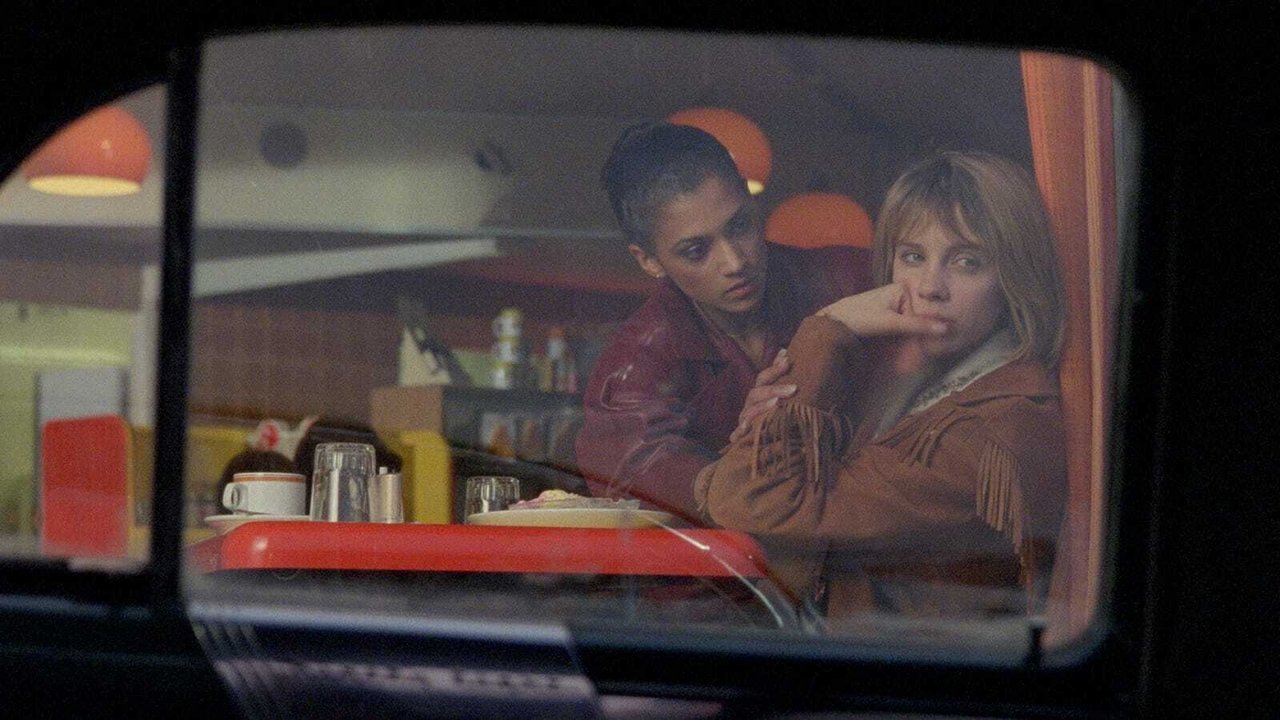
The initial setup might sound familiar – the tough guy driver, the mysterious woman – but Jordan and Leland subvert expectations. George isn't smooth; he's earnest, sometimes foolishly so. Simone isn't just a femme fatale; she’s layered, guarded, using George for her own desperate purposes while perhaps feeling a flicker of something genuine for his naive devotion. Their relationship, built in the confines of a car traversing the city's less glamorous pockets, becomes the film's melancholic core.
Hoskins: A Masterclass in Humanity
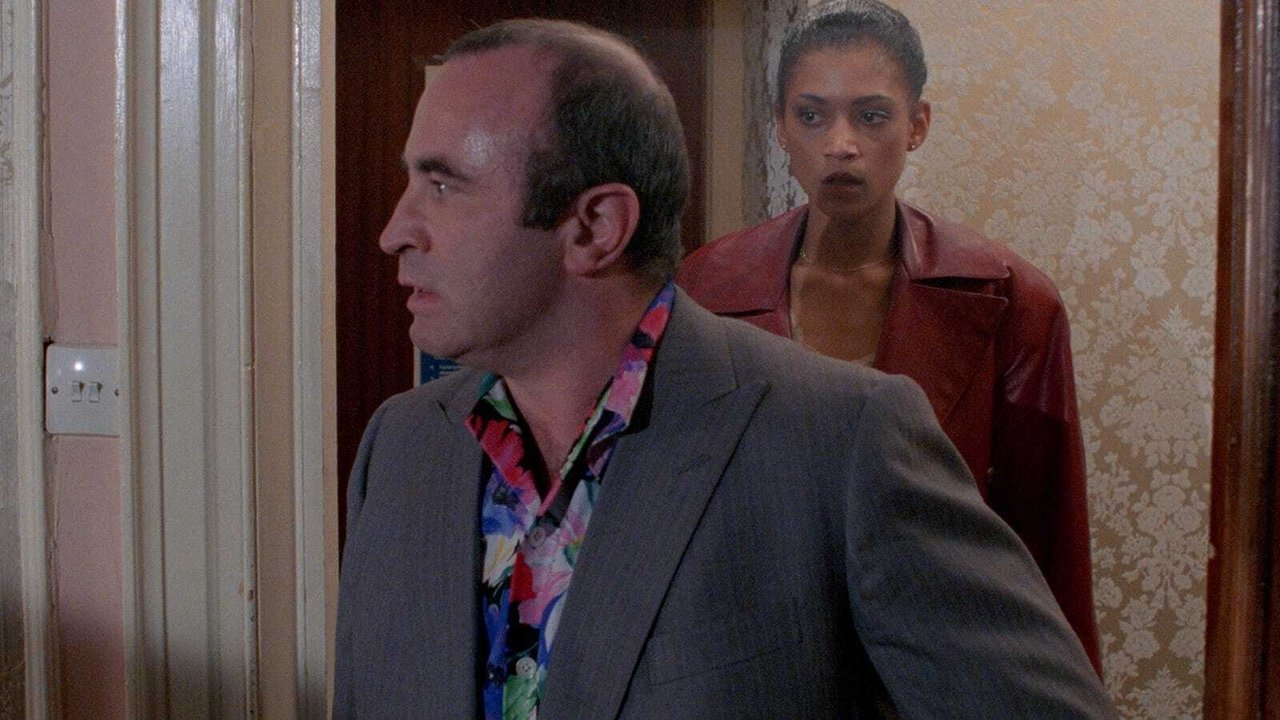
Let's be clear: Bob Hoskins delivers one of the great performances of the 1980s here. It's a turn that rightly earned him Best Actor awards at Cannes, the BAFTAs, and the Golden Globes. He embodies George completely – the barely contained rage, the clumsy tenderness, the desperate hope for connection. There's a scene where George tries to explain his feelings, stumbling over words, his bulldog face crumpled with emotion, that is simply devastating in its authenticity. Hoskins reportedly drew on his own London upbringing to shape George’s mannerisms, grounding the character in a palpable reality. It's not just acting; it feels like watching a real soul laid bare.
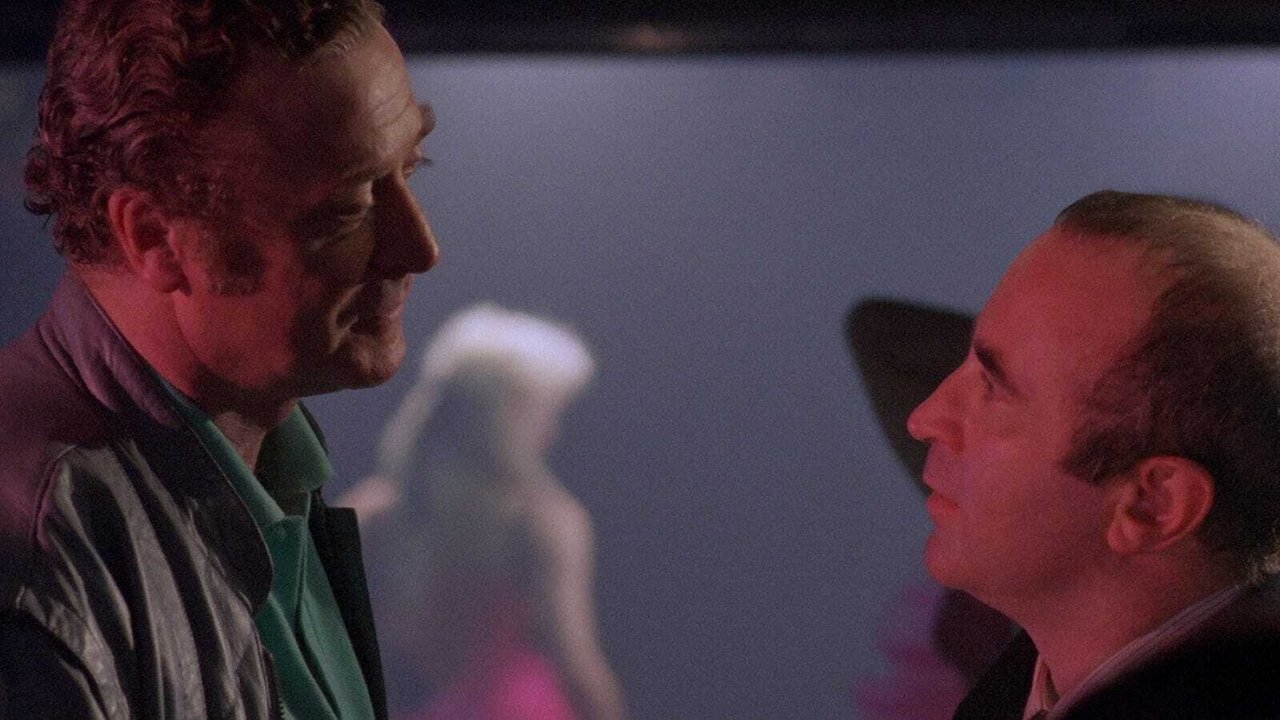
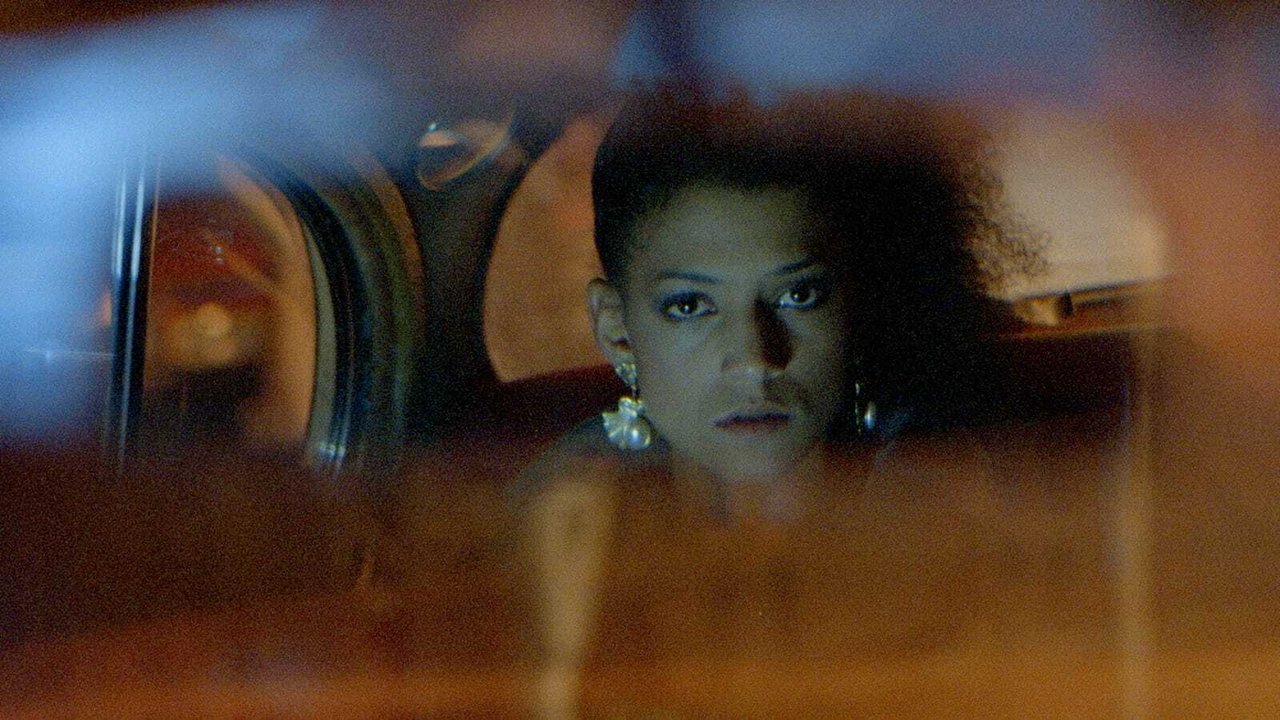
Cathy Tyson, in her feature debut, holds her own against Hoskins, portraying Simone with an enigmatic blend of fragility and steel. She keeps George, and the audience, guessing. Is she manipulating him? Does she care? Her performance ensures Simone remains more than just a plot device, but a complex individual trapped in her own dangerous circumstances. And then there's Michael Caine as Denny Mortwell, the suave, utterly ruthless crime boss. Caine dials down his usual charm to deliver a genuinely chilling portrait of casual brutality, a reminder of the darkness lurking beneath the veneer of power. His scenes with Hoskins crackle with tension, the menace radiating off him in waves.
London's Seedy Soul
Neil Jordan crafts an atmosphere thick with desperation and faded glamour. This isn't the tourist London; it's King's Cross, Soho alleys, dimly lit clubs, and peeling hotel rooms. The cinematography captures the sleaze but also finds moments of strange beauty, often mirroring George's own romantic, if misguided, view of Simone. The use of Nat King Cole's "Mona Lisa" isn't just a title drop; it permeates the film, its smooth, melancholic melody underscoring George's idealized perception of Simone and the ultimate unknowability of another person. Is she smiling? Is she hiding something? The song becomes a haunting motif for the film's central questions about appearance versus reality.
HandMade Heart and Hidden Depths
Interestingly, Mona Lisa was produced by George Harrison's HandMade Films, a company more readily associated with quirky comedies like Withnail & I (1987) or fantasy like Time Bandits (1981). Their backing of this gritty, character-driven neo-noir speaks volumes about the script's power. Made for a relatively modest budget (around £2 million), its critical success cemented Neil Jordan's international reputation and showcased Bob Hoskins' incredible range beyond the tough-guy roles he was often offered. I remember renting this back in the day, the slightly worn VHS box hinting at a crime story, but unprepared for the emotional depth charge waiting inside. It was one of those rentals that stuck with you long after the tape was returned.
The film explores themes that resonate still: the vast gulf between social classes, the ways people are used and discarded, the search for meaning and connection in isolating urban landscapes. George’s attempt to "rescue" Simone feels almost medievally chivalrous, tragically out of step with the transactional cruelty of their environment. Doesn't his yearning for something pure in a sullied world strike a chord, even if his methods are naive?
Rating and Reflection
Mona Lisa is a masterwork of mood, character, and performance. It avoids easy answers, presenting flawed people caught in difficult circumstances, forcing us to confront uncomfortable truths about exploitation and the painful realities that often hide behind a beautiful facade. Bob Hoskins' central performance is simply unforgettable, a towering achievement of vulnerability and grit.
Rating: 9/10
This score reflects the film's exceptional performances, particularly Hoskins', its powerful atmosphere, Neil Jordan's assured direction, and its enduring emotional resonance. It's a near-perfect execution of a character-driven neo-noir, losing only a sliver perhaps for a plot resolution that feels slightly conventional compared to the deep character work preceding it.
Ultimately, Mona Lisa lingers like the titular song – melancholic, beautiful, and hinting at depths you can never fully grasp. It's a reminder that sometimes the most compelling journeys are the internal ones, even when they navigate the darkest city streets. A true gem from the VHS era that deserves revisiting.