There's a peculiar tremor running beneath the surface of the Bronx in the summer of 1964, a nervous energy just waiting to break. It’s this simmering tension, captured so vividly in Tony Bill's Five Corners (1987), that pulls you into its world – a world teetering between the perceived innocence of a bygone era and the violent changes lurking just around the bend. This isn't your typical rosy look back; it’s a film that feels raw, sometimes jagged, and deeply human, much like the neighborhood it portrays.
Welcome Back to the Neighborhood
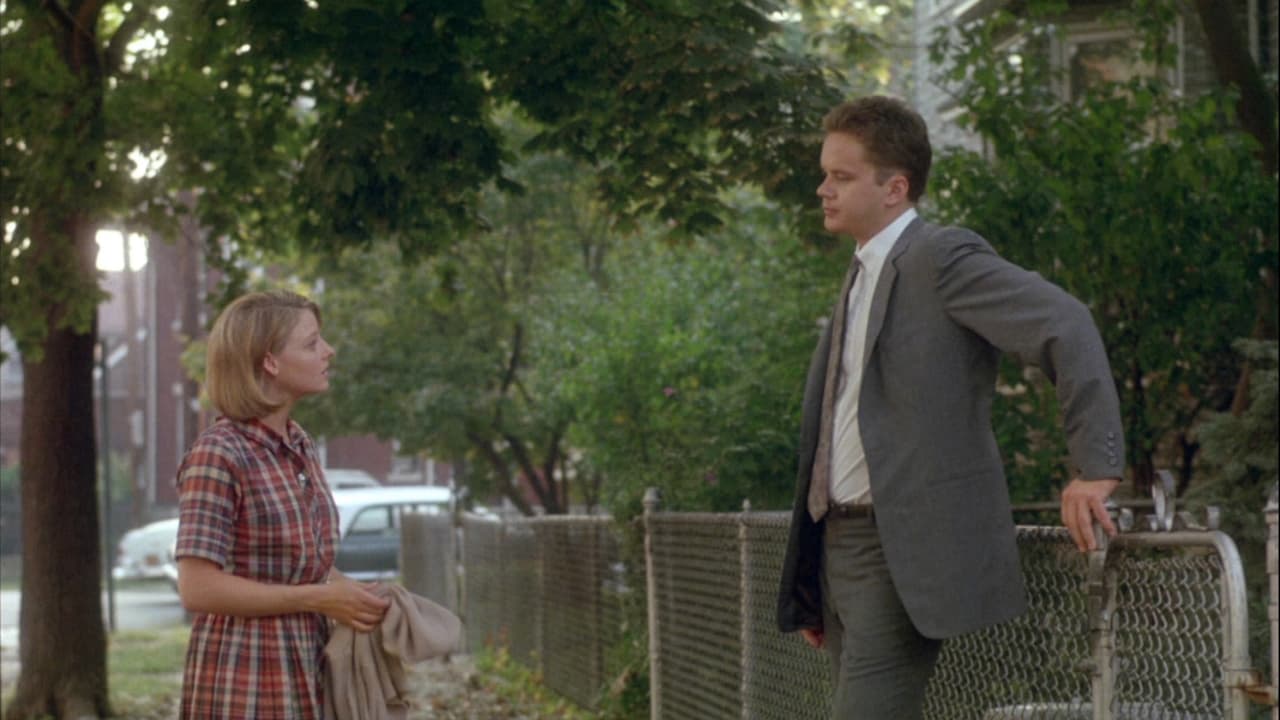
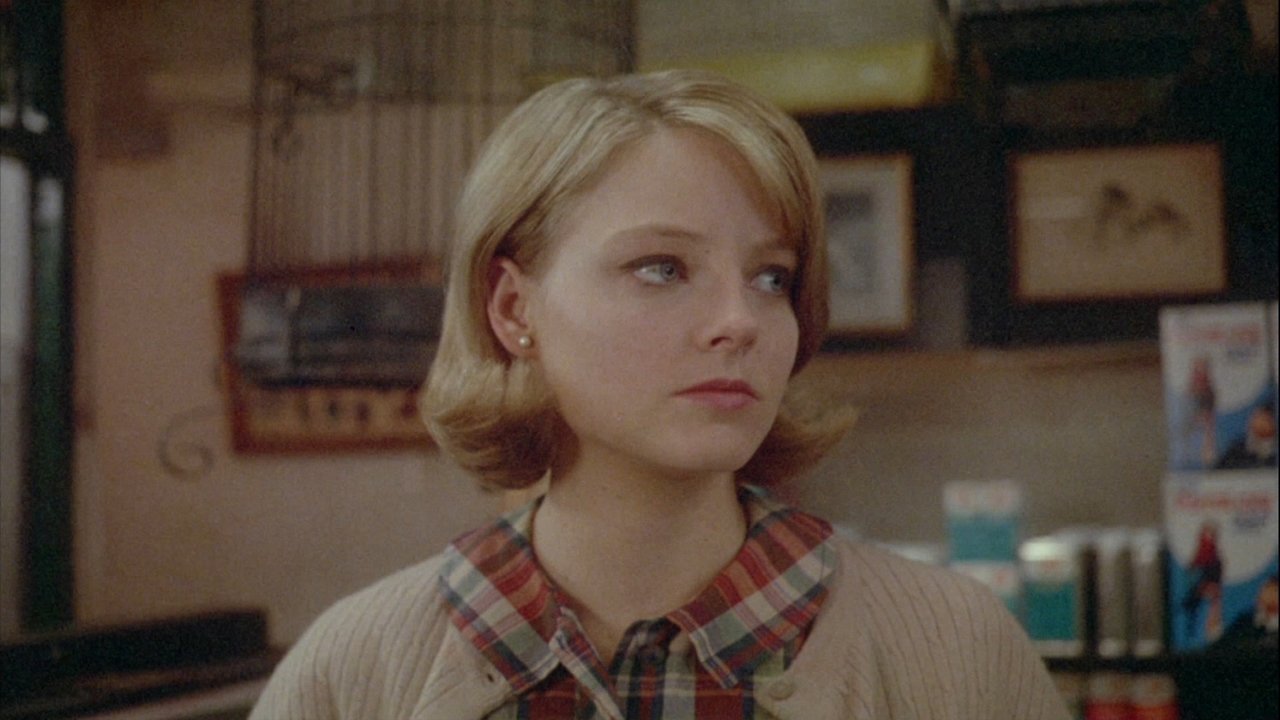
Written by the distinctively voiced John Patrick Shanley (who, incredibly, won the Best Original Screenplay Oscar for Moonstruck the very same year Five Corners saw its limited release), the film drops us into a working-class community grappling with anxieties both large and small. We meet Linda (Jodie Foster), pragmatic and weary beyond her years, running a local pet store; Harry (Tim Robbins), a thoughtful young man wrestling with his conscience after witnessing violence, now drawn to non-violent activism inspired by the burgeoning Civil Rights movement; and Sal (Todd Graff), whose concerns seem more immediate – mostly involving his girlfriend and his precarious job situation. Their lives intersect, diverge, and knot together against the backdrop of storefronts, fire escapes, and the titular intersection.
It feels authentic, this slice of life. Shanley, who grew up in the Bronx, imbues the dialogue with a specific cadence – tough, sometimes poetic, often funny in its directness. It’s a reminder of his unique talent for capturing the rhythms of New York neighborhood speech. Interestingly, Shanley wrote the script much earlier, in the late 70s, based on his own experiences and observations. It took nearly a decade, and the backing of George Harrison's HandMade Films (yes, that George Harrison – the company known for Withnail & I and Time Bandits), to finally bring it to the screen. That journey perhaps adds to its feeling of being slightly out of time, even upon its 1987 release.
The Penguin and the Gathering Storm
The fragile peace of the neighborhood is shattered by the return of Heinz (John Turturro), a local thug recently released from prison. His crime? Attempted rape, with Linda as the victim. His obsession with her hasn't faded, and his reappearance sends ripples of fear through the community. And what a performance from Turturro. In one of his earliest, most chilling roles, he embodies Heinz with a terrifying mix of pathetic neediness and unpredictable menace. The way he stalks the periphery, his awkward physicality (inspired, Turturro has said, partly by penguins after a trip to the zoo!), the sudden flashes of violence – it’s genuinely unsettling. It's the kind of breakout performance that makes you sit up and realize you're watching someone special, someone who would go on to give us so many memorable characters, often collaborating with the Coen Brothers.
This central threat forces Harry to confront the limits of his newfound pacifism. Can ideals hold firm when faced with direct, personal danger? Tim Robbins, in a performance brimming with quiet intensity, perfectly captures Harry's internal struggle. It's a role that hints at the thoughtful depth he would bring to later iconic characters in films like The Shawshank Redemption (1994). Jodie Foster, meanwhile, is simply magnetic. Having taken time off acting to attend Yale, she returned with a mature grit that grounds the film. Linda isn't just a victim; she's resilient, intelligent, and fiercely determined to protect herself. Foster makes you believe in her strength, even when she’s terrified. Remember seeing her navigate this complex role, so different from her child star past but carrying that same fierce intelligence? It felt like watching an artist fully coming into her own power.


Navigating Uneven Tones
Five Corners isn't afraid to be messy, much like life itself. Director Tony Bill, who previously gave us the charming coming-of-age tale My Bodyguard (1980), navigates some tricky tonal shifts here. One moment, we're dealing with Sal's almost sitcom-like job anxieties; the next, we're plunged into the stark terror of Heinz's actions. There are quirky side characters, moments of unexpected humor (like the subplot involving retrieving a dropped arrow from a rooftop), bumping right up against scenes of genuine brutality.
Does it always work? Perhaps not seamlessly for every viewer. Some might find the tonal gears grinding occasionally. But there's an argument to be made that this unevenness reflects the chaotic reality of the time – the civil rights movement gaining momentum, the assassination of JFK still a fresh wound, the old ways clashing with the new, idealism rubbing shoulders with senseless violence. It’s a snapshot of a specific moment of transition, captured with flawed but undeniable honesty. It’s not a comfortable film, but its refusal to offer easy answers is part of its strange power. What does it mean to stand up, or stand aside, when trouble comes knocking right at your door?
A Forgotten Gem Worth Rediscovering
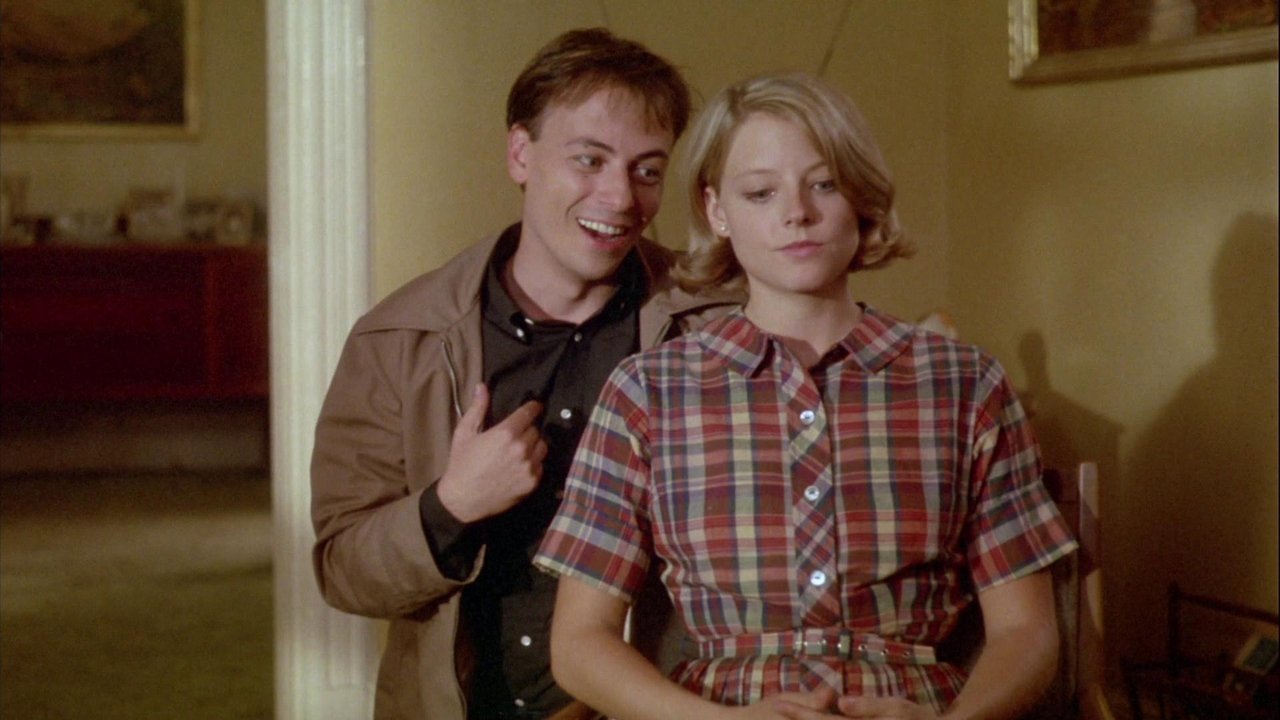
Watching Five Corners today feels like uncovering a slightly dusty, overlooked cassette on the bottom shelf of that beloved old video store. It didn't make a huge splash upon release, perhaps overshadowed by flashier 80s fare or even Shanley's own Moonstruck, but it lingers. It boasts fantastic, early-career performances from actors who would become major stars, a script crackling with authentic dialogue and complex themes, and a palpable sense of time and place. The low-key naturalism of the direction and cinematography adds to the feeling of stepping into a specific moment, the Bronx in '64 feeling both distant and strangely familiar. It’s a film that asks difficult questions about violence, responsibility, and the courage it takes to change – questions that still resonate.
Rating: 7.5/10
This score reflects the film's undeniable strengths – particularly the powerhouse performances from Foster, Robbins, and especially Turturro, Shanley’s sharp writing, and the evocative atmosphere. It's docked slightly for the sometimes jarring tonal shifts that, while perhaps thematically intentional, can occasionally pull you out of the narrative. Still, Five Corners is a compelling, character-driven drama that offers a unique, gritty snapshot of a neighborhood on the cusp of change. It’s a potent reminder that sometimes the most memorable finds weren't the blockbusters, but the quieter, more challenging films waiting to be discovered on the VHS racks. Doesn't it make you wonder what other hidden gems from that era are still waiting for a revisit?