Some screens flicker with neon nightmares or pulse with synthesizer dread. Others just stare back, cold and grey, mirroring the abyss. William Friedkin’s Rampage belongs firmly in the latter category, a film that doesn't just depict violence, but forces you to confront the chilling void where motive ought to be. Watching it unfold, especially back in the dim glow of a CRT, felt less like entertainment and more like bearing witness to something deeply uncomfortable, something the legal system itself seems ill-equipped to handle.
A Descent Into Senselessness
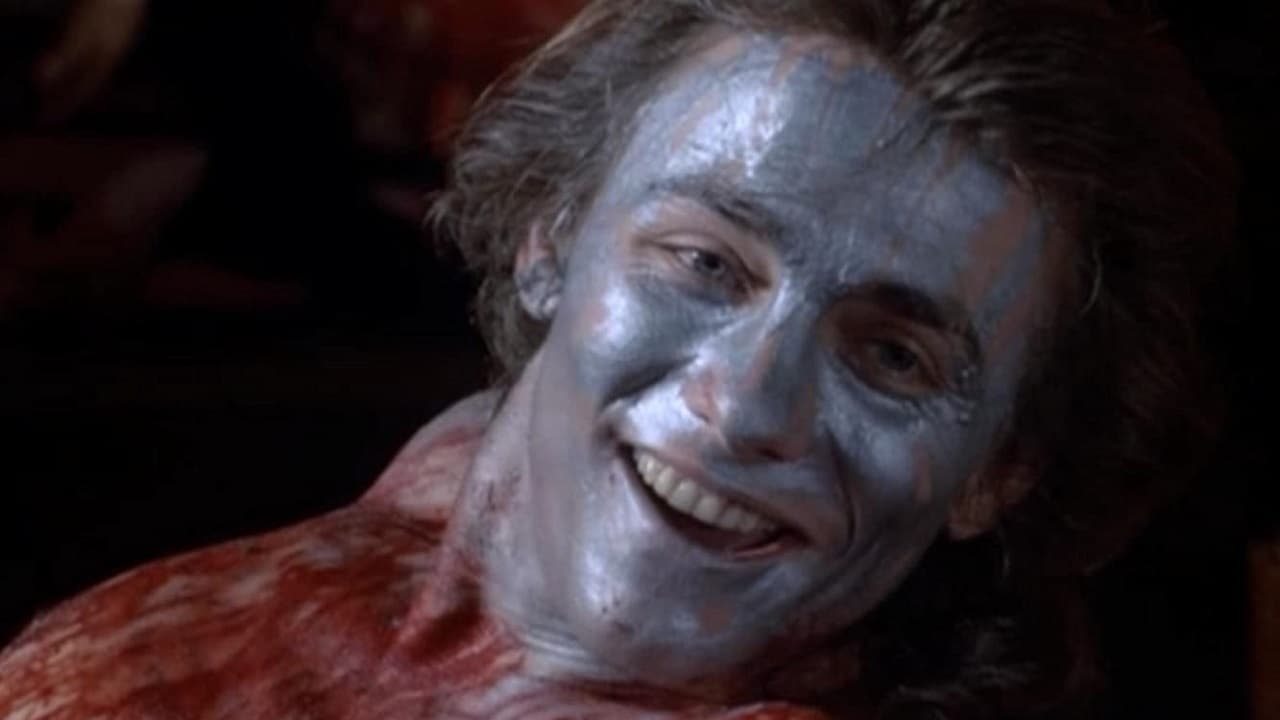
From its opening moments, Rampage establishes a tone of stark, procedural horror. We aren't eased into the narrative; we're thrown into the aftermath of unimaginable brutality. Charles Reece (Alex McArthur) embarks on a killing spree marked by its horrifying randomness and ritualistic elements – acts so grotesque they seem detached from human reasoning. Friedkin, never one to shy away from the grim realities (think The Exorcist (1973) or the gritty underbelly of Cruising (1980)), films these sequences with a disturbing detachment, focusing on the evidence, the cold facts left behind, rather than gratuitous spectacle. It’s a choice that amplifies the dread, forcing the viewer to grapple with the why – or the terrifying possibility that there isn't one. The film draws unnerving parallels to real-life figures like Richard Chase, the "Vampire of Sacramento," whose crimes shared a similarly baffling lack of conventional motive, adding a layer of chilling authenticity.
The Crusader and The Void
Caught in the legal and moral crossfire is District Attorney Anthony Fraser, played with weary conviction by Michael Biehn. Fresh off iconic roles in The Terminator (1984) and Aliens (1986), Biehn brings a grounded intensity to Fraser, a man personally repulsed by Reece’s actions yet professionally bound to seek justice within the confines of the law. The film pivots from the initial horror into a tense courtroom drama, centering on the contentious issue of the insanity defense. Fraser argues vehemently against it, believing Reece, however monstrous, understands the nature of his actions. It’s here the film digs its hooks in, questioning the very framework society uses to categorize and contain such profound darkness. Does labeling Reece "insane" offer an easy out, a way to avoid confronting the possibility of pure, unadulterated evil operating within a rational mind?
Alex McArthur’s portrayal of Reece is key to the film’s unsettling power. He avoids theatrical villainy, opting instead for a disturbing passivity, an eerie calm that flickers with sudden, chilling pronouncements. It’s a performance that gets under your skin, making Reece feel less like a character and more like an embodiment of societal breakdown. Doesn't that quiet detachment still feel unnerving, decades later? Friedkin reportedly immersed himself in research on serial killers and the legal arguments surrounding insanity pleas, determined to present the debate with unflinching, almost documentary-like clarity.
Friedkin's Uncompromising Vision
This isn't your typical 80s thriller. There are no wise-cracking cops, no slick action set pieces. Friedkin strips away the genre conventions, leaving behind a raw, unsettling examination of violence and its legal repercussions. The cinematography is often stark, the editing sharp, mirroring Fraser's determined focus. The score, originally composed by the legendary Ennio Morricone, further enhances the bleak atmosphere, though Friedkin, in his typical pursuit of perfection (or perhaps contrarianism), later significantly altered or replaced parts of it for different releases, adding another layer to the film's complicated history. This meticulous, sometimes severe approach is pure Friedkin – demanding, provocative, and utterly unwilling to offer easy answers.
Lost in Limbo: A Troubled Release
The story behind Rampage’s journey to the screen is almost as fraught as its subject matter. Filmed primarily in Stockton, California in late 1986 and early 1987 on a modest budget (around $7 million), it became a casualty of the collapse of its production company, De Laurentiis Entertainment Group (DEG). This effectively shelved the film for years. When it finally emerged in 1992, Friedkin had re-edited it, reportedly altering the ending to reflect his own evolving, and arguably more cynical, views on the death penalty and the justice system's ability to truly handle figures like Reece. This delay robbed the film of momentum, leaving it a somewhat overlooked entry in Friedkin’s formidable filmography, a cult curiosity whispered about by those who managed to track down a VHS copy rather than the talked-about thriller it might have been. Imagine the frustration, having Michael Biehn hot off his Aliens fame, only for the film to languish unseen for half a decade.
The Verdict
Rampage remains a potent and deeply uncomfortable film. It lacks the iconic status of Friedkin's earlier masterpieces, partly due to its troubled release and uncompromisingly bleak nature. It’s not a "fun" watch, nor was it ever intended to be. Its power lies in its refusal to flinch, its stark portrayal of violence, and its intelligent, troubling exploration of the legal and moral ambiguities surrounding extreme criminal behavior. Biehn delivers a strong, centered performance, and McArthur is genuinely chilling. The procedural elements are gripping, and Friedkin’s direction is as assured and provocative as ever. It might feel dated in some technical aspects, but its core questions about sanity, evil, and justice remain disturbingly relevant.
Rating: 7.5/10
Why this score? Rampage is a technically proficient, intellectually stimulating, and genuinely unsettling thriller anchored by strong performances and Friedkin’s unflinching direction. It successfully evokes the intended atmosphere of dread and moral ambiguity. However, its bleakness can be alienating, and the long delay hampered its initial impact, leaving it feeling somewhat like a missed opportunity compared to Friedkin’s very best. The courtroom drama, while compelling, occasionally slows the grim momentum established early on. It’s a challenging, worthwhile film, especially for Friedkin admirers and fans of gritty 80s crime stories, but it requires a certain tolerance for the relentlessly grim.
It’s a film that lingers, not because of jump scares, but because of the cold knot of dread it ties in your stomach – a chilling reminder from the VHS vaults that some darkness defies easy explanation.