There’s a certain kind of unease that settles in when fiction bleeds too convincingly into reality, isn't there? It’s the feeling at the heart of Street Smart, a film that arrived in 1987 with a serrated edge that cut deeper than much of the decade's glossier fare. This wasn't the kind of movie you idly grabbed off the shelf based on cover art alone; it carried a weight, a sense of impending consequence that clung to the tape long after the VCR clicked off. What begins as a desperate gamble by a journalist spirals into a vortex of danger, forcing us to confront uncomfortable truths about ambition, exploitation, and the stories we tell ourselves – and others.
A Lie Takes Root
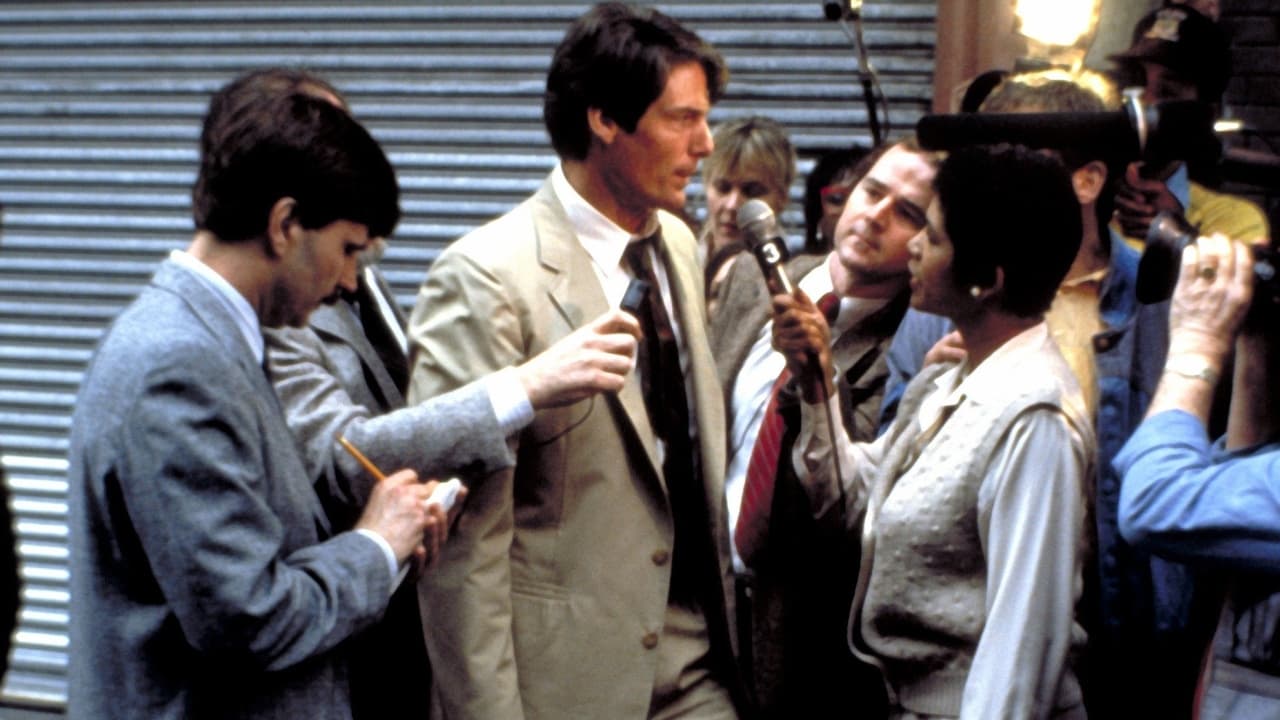
The premise, penned by David Freeman (reportedly drawing from his own experiences researching the New York street scene), is deceptively simple yet instantly fraught with tension. Christopher Reeve, stepping deliberately out from beneath the massive shadow of his Superman cape, plays Jonathan Fisher, a magazine writer whose career is stalling. Facing a deadline and desperate for a scoop, he concocts a vivid, detailed profile of a charismatic, dangerous pimp navigating the treacherous landscape of Times Square. The story is a hit, lauded for its authenticity. The problem? That authenticity strikes a chord with a real pimp, the menacing Leo "Fast Black" Redding, who sees himself – perhaps rightly, perhaps opportunistically – in Fisher's fabricated narrative. Suddenly, Fisher's fictional creation has terrifyingly real consequences, pulling him into Fast Black's orbit.
The Arrival of an Icon, The Reinvention of Another
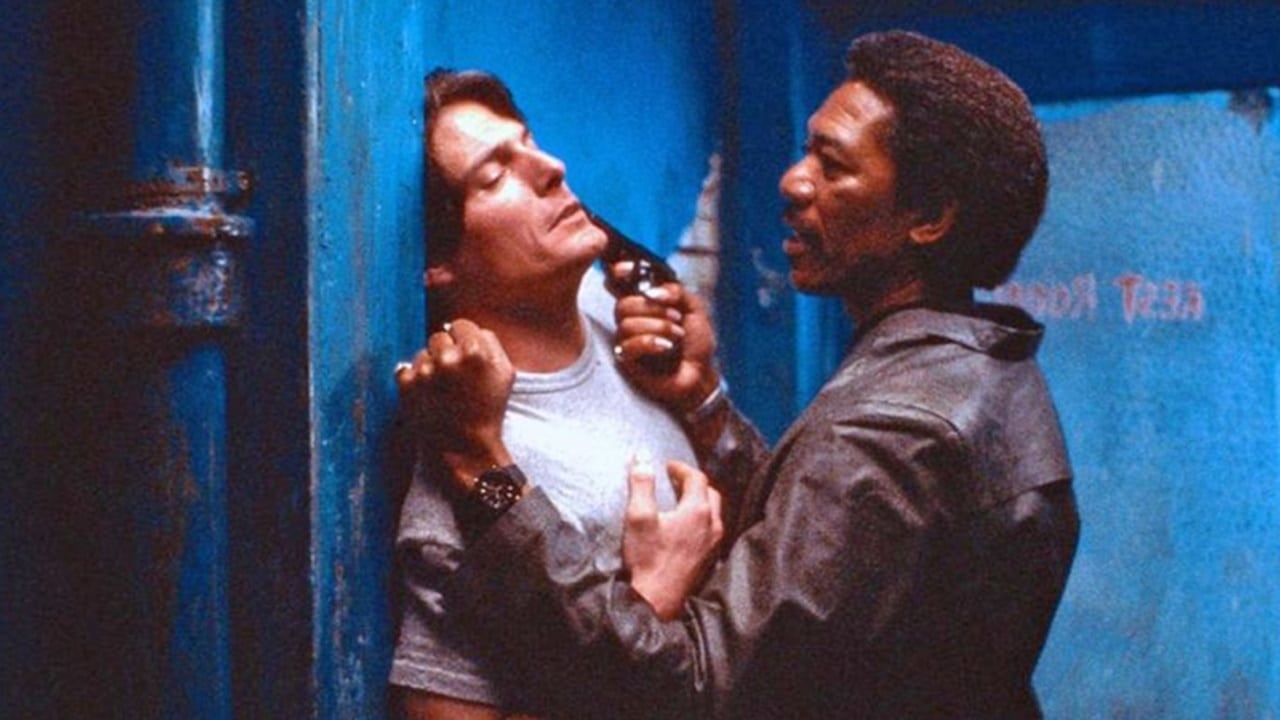
Let's be blunt: Street Smart is the film that truly announced Morgan Freeman to the world. Before this, he was a respected stage actor and familiar face from television (The Electric Company) and smaller film roles. But his portrayal of Fast Black is nothing short of electrifying. It’s a performance of coiled intensity, predatory charm, and sudden, shocking violence that earned him his first Academy Award nomination for Best Supporting Actor. Freeman doesn't just play a pimp; he embodies a terrifying force of nature, a man who operates by his own brutal code. Watch his eyes – the shifts from smooth manipulation to chilling menace are lightning-fast and utterly believable. It's a masterclass in conveying danger without resorting to caricature. He makes Fast Black magnetic even as he repels us, forcing the viewer to understand his power within his world. It’s the kind of breakout performance that instantly changes an actor's trajectory, and deservedly so.
Against this powerhouse turn, Christopher Reeve had the challenging task of anchoring the film as the increasingly compromised protagonist. It was a brave choice for Reeve, actively seeking roles to showcase his range beyond the Man of Steel. While perhaps inevitably overshadowed by Freeman's sheer force, Reeve delivers a compelling performance as Fisher. He effectively portrays the character's slick ambition curdling into genuine fear and moral ambiguity. You see the sweat on his brow, the growing desperation in his eyes as he realizes the hole he’s dug for himself. It’s not a flawless portrayal – Fisher can occasionally feel reactive rather than proactive – but Reeve commits fully to the character's uncomfortable descent. His willingness to take on such a complex, ethically grey role, reportedly taking a pay cut to do so for the struggling Cannon Films (then making a bid for more prestigious fare alongside films like Barfly), speaks volumes about his artistic intentions. Kathy Baker, too, deserves recognition for her strong, sympathetic performance as Punchy, one of Fast Black's exploited women who forms a tentative connection with Fisher.
Neon Jungle and Moral Compromise
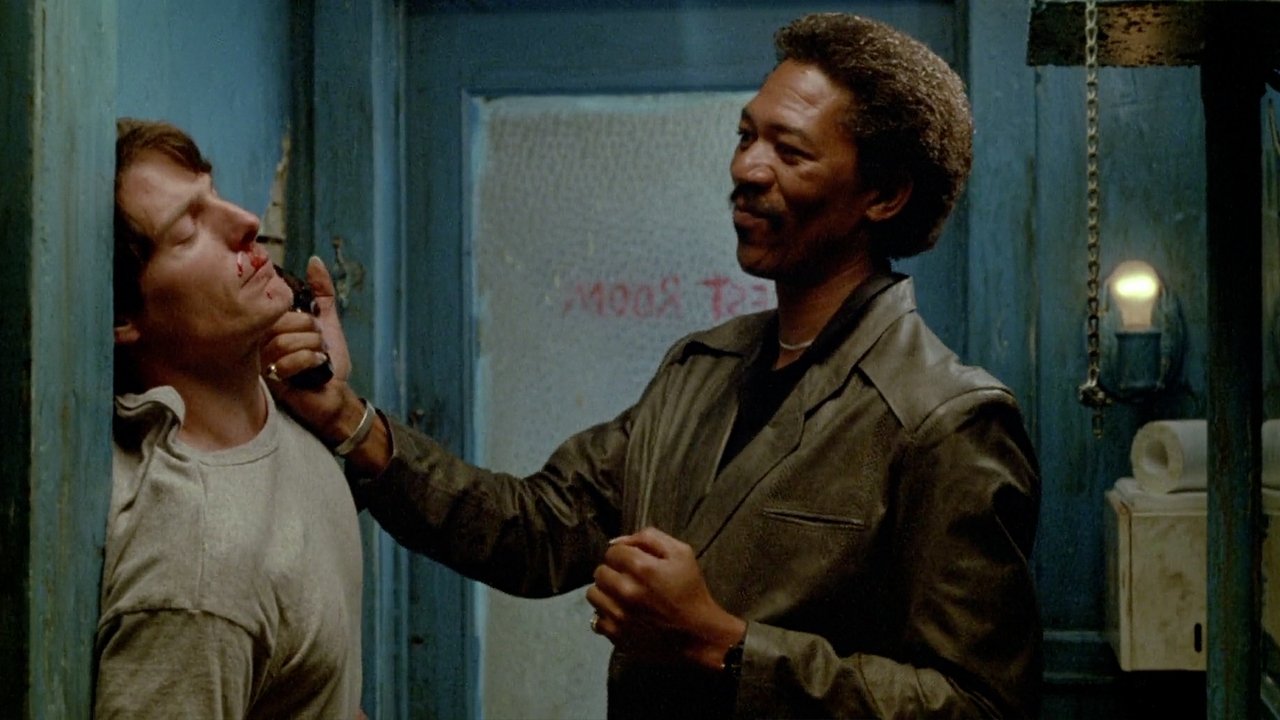
Director Jerry Schatzberg, known for gritty character studies like The Panic in Needle Park (1971) and Scarecrow (1973), brings a documentary-like realism to the film's depiction of 1980s New York City. The streets feel alive, dangerous, and unforgiving. Schatzberg avoids sensationalism, letting the inherent tension of the situation and the power of the performances drive the narrative. The film doesn't shy away from the ugliness of the world it portrays, nor does it offer easy answers. It raises potent questions about journalistic ethics – how far is too far for a story? Where is the line between observation and exploitation? Fisher initially sees Fast Black as great material, a stepping stone, failing to grasp the volatile humanity and genuine danger he’s trifling with until it’s far too late.
From Research to Reel Danger
The authenticity that permeates Street Smart wasn't accidental. Writer David Freeman spent considerable time immersing himself in the world he wrote about, interviewing and observing pimps and prostitutes in the Times Square area during the late 70s. His original script apparently floated around Hollywood for years before finding a home at Cannon Films, an outfit more readily associated with action B-movies starring Chuck Norris or Charles Bronson. Their backing of Street Smart represented a gamble on prestige, one that paid off critically, if not commercially (it earned praise, especially for Freeman, but wasn't a box office smash). Morgan Freeman himself reportedly drew inspiration for Fast Black's distinctive limp from observing a local character near his own New York neighborhood. These details ground the film, giving it a texture that feels earned. It’s a reminder that sometimes the most compelling stories are found not in high-concept fantasy, but in the morally complex realities hidden in plain sight.
The Verdict
Street Smart remains a potent, unsettling thriller decades later. It’s a film anchored by one of the great breakout performances of the 1980s and a compelling, against-type turn from its leading man. While perhaps not as widely remembered today as some other films from the era, its exploration of media ethics, ambition, and the dangerous allure of the underworld feels remarkably current. It lacks the comforting resolution of many mainstream thrillers, leaving the viewer with a lingering sense of unease and a host of unanswered questions about the choices we make and the unforeseen consequences they unleash. It’s a tough, intelligent film that earns its grit.
Rating: 8/10
This isn't just a footnote in Morgan Freeman's career; it's the explosive first chapter. Street Smart stands as a sharp, well-crafted reminder from the VHS era that sometimes the most dangerous stories aren't the ones we invent, but the real ones we stumble into.