### The Savage Beauty and the Human Cost
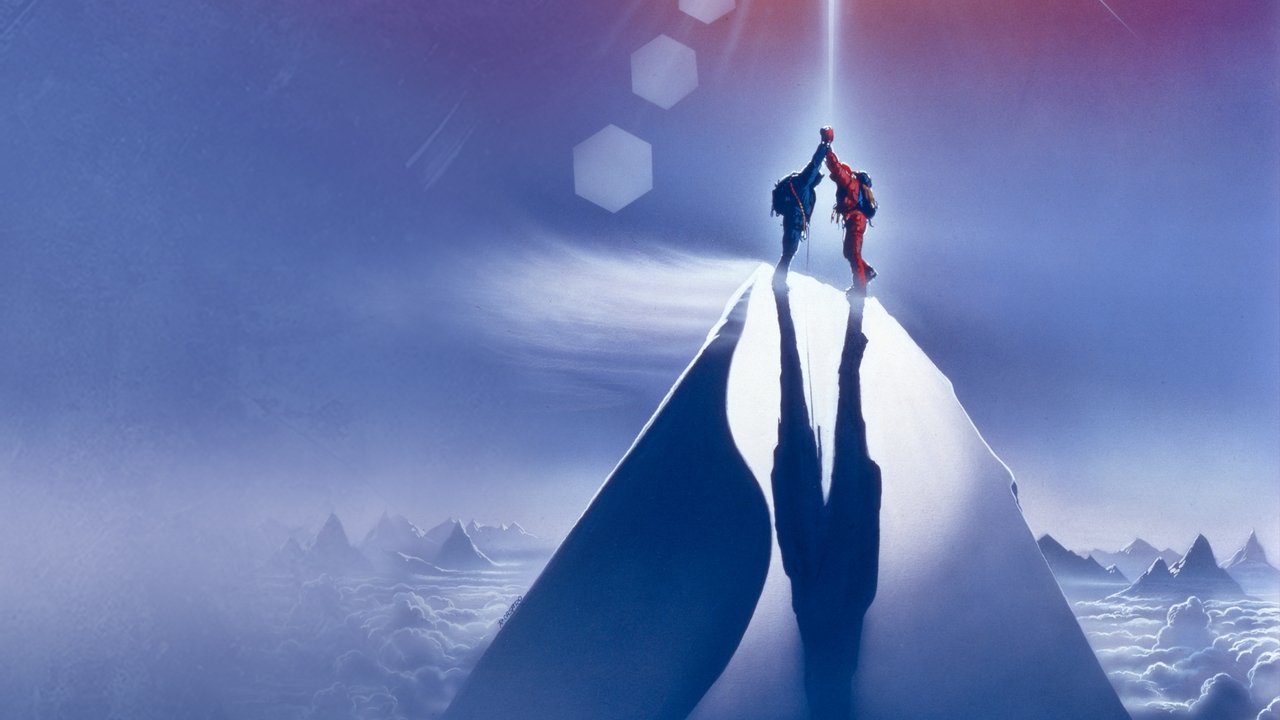
There’s a stark, undeniable presence to the mountain in Franc Roddam’s K2 (1991). It's not just a setting; it feels like the film's central, unforgiving character. Watching it again recently, pulling that familiar tape from its worn sleeve, I was struck not just by the breathtaking, often terrifying, visuals, but by the quiet intensity simmering beneath the surface – a story less about conquering a peak and more about the lines we draw, and cross, for ambition and friendship. It poses a question that echoes long after the credits roll: what price is too high for the summit?
### More Than Just a Climb
Based on a 1982 stage play by Patrick Meyers (who also co-wrote the screenplay), K2 carries a theatrical weight in its focus on the dynamic between its two leads. We have Taylor Brooks, portrayed by Michael Biehn – an actor many of us knew best from his high-octane roles in The Terminator (1984) and Aliens (1986). Here, Biehn channels that intensity into a laser-focused, almost reckless ambition. Taylor isn't just a climber; he's consumed by the need to reach the top, sometimes at the expense of caution, or even loyalty. Playing opposite him is Matt Craven as Harold Jamison, the thoughtful physicist, the family man, the voice of reason often drowned out by Taylor's relentless drive.
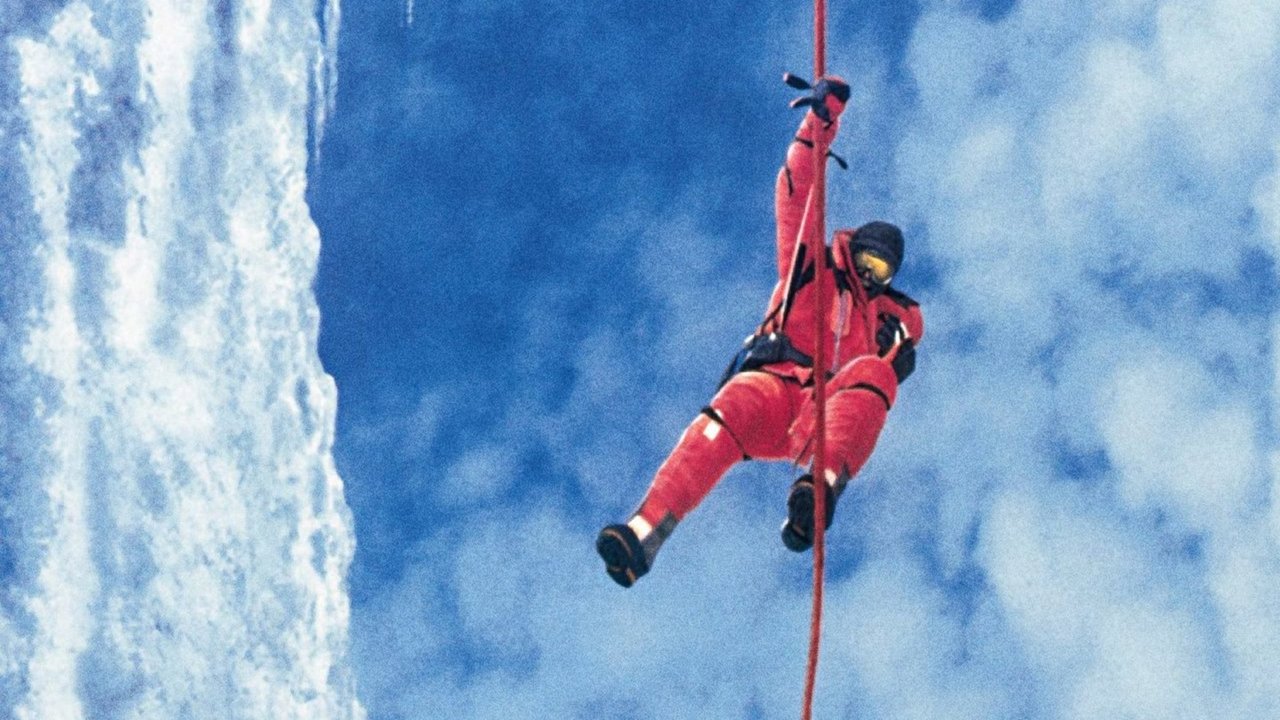
Their relationship is the core of the film. It’s a believable, often fraught, depiction of male friendship pushed to its absolute limit. You feel the history between them, the shared jokes, the unspoken resentments, the deep bond that both fuels and complicates their ascent. Craven brings a wonderful vulnerability to Harold, making his internal conflicts – the pull of adventure versus the anchor of responsibility – palpable. Biehn, meanwhile, embodies the seductive danger of single-minded obsession. It’s fascinating to watch him navigate Taylor's arrogance and underlying fear. Their arguments aren't just dialogue; they feel like seismic shifts in a relationship cracking under immense pressure.
### Filming on the Edge
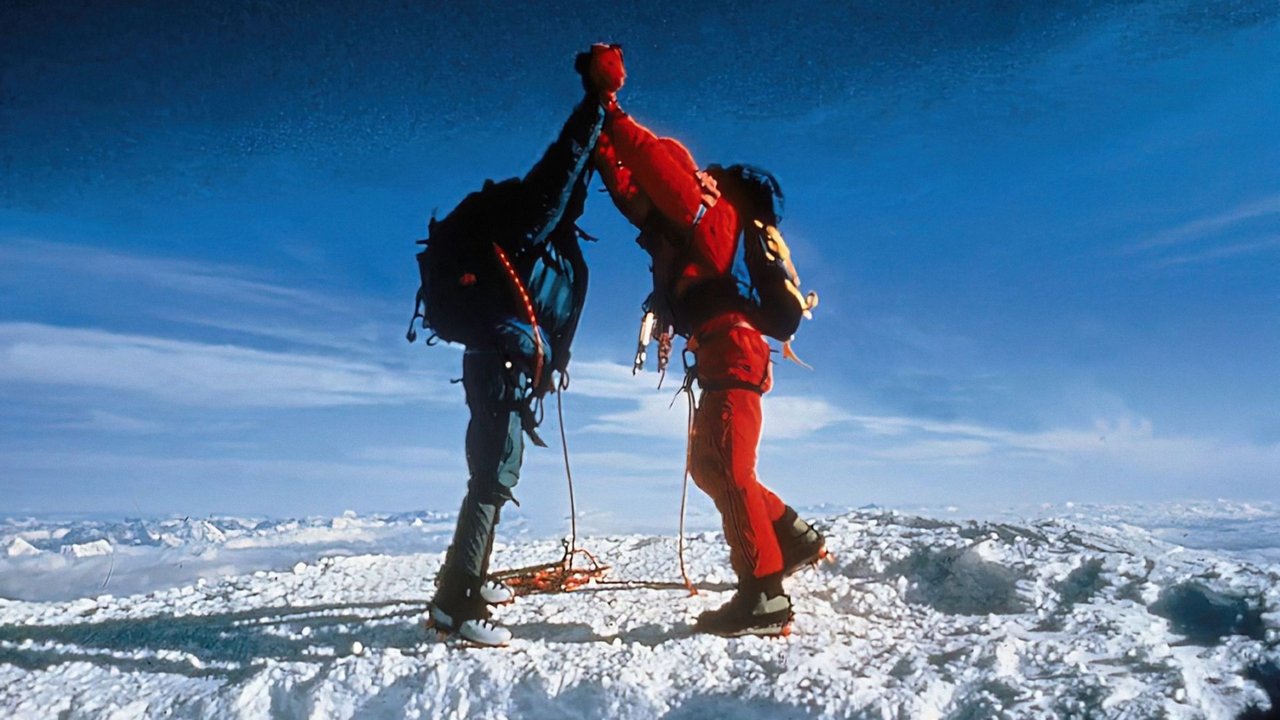
What elevates K2 beyond its character drama is the sheer audacity of its production. Director Franc Roddam, perhaps an unexpected choice after his iconic work on Quadrophenia (1979), committed to a level of realism that feels tangible even today. While principal photography took place in the rugged landscapes of British Columbia, Canada, crucial second-unit footage was actually shot on K2 itself in the Karakoram Range of Pakistan. This wasn't just establishing shots; it involved capturing the perilous environment firsthand, lending the film an authenticity that CGI simply couldn't replicate back then (or perhaps even now).
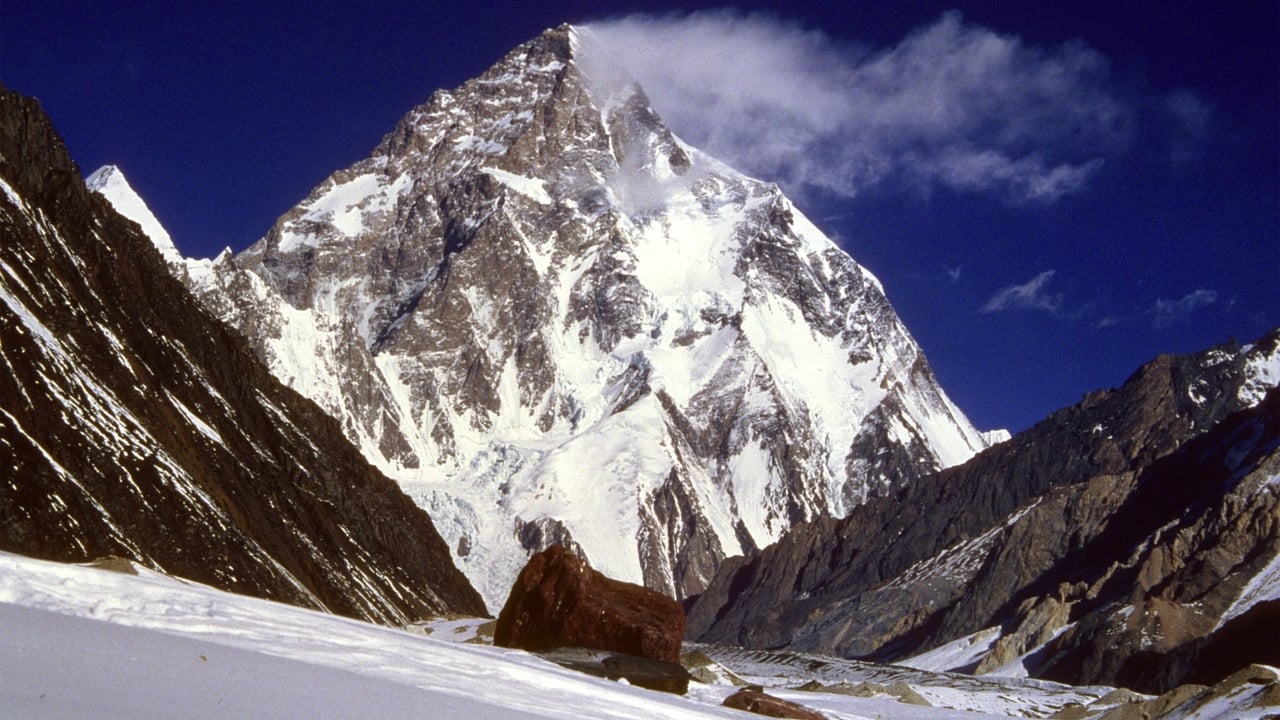
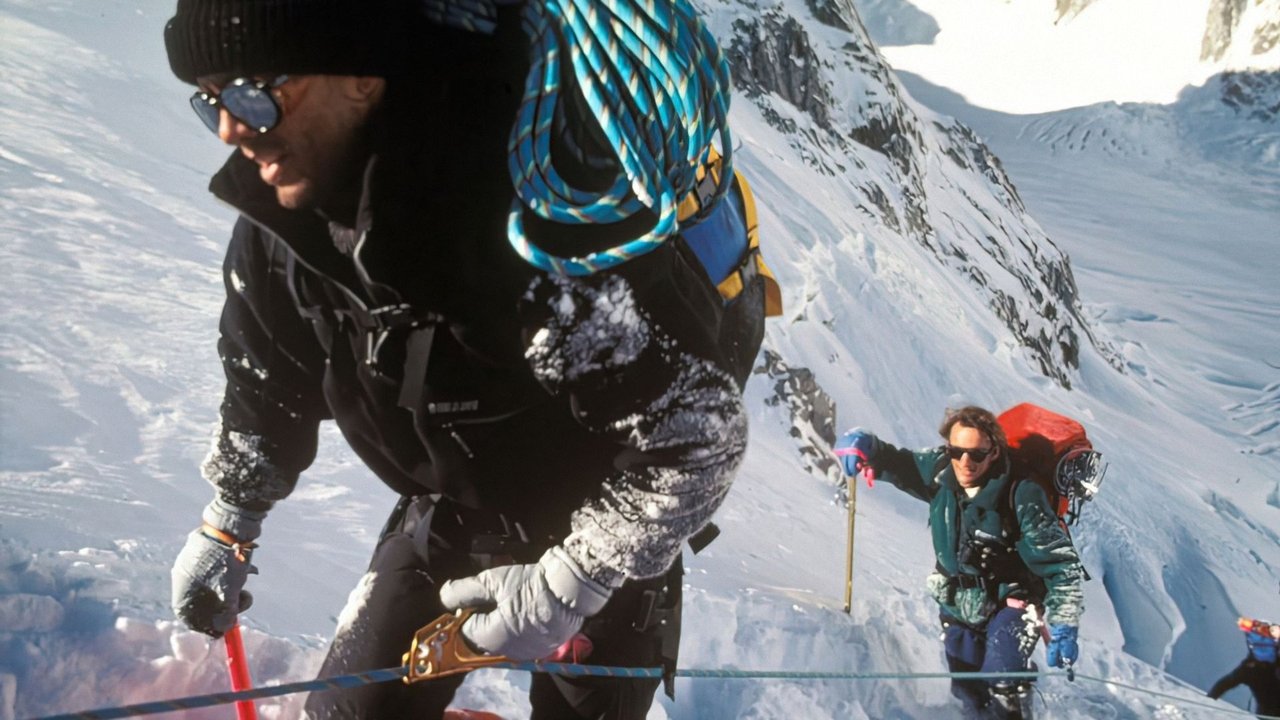
Reportedly, the production faced immense challenges mirroring those of the climbers themselves – extreme weather, altitude sickness, logistical nightmares. It’s said that some of the crew suffered injuries, a stark reminder of the dangers inherent in capturing the mountain's raw power. This commitment bleeds onto the screen. The climbing sequences, often using long lenses to emphasize the scale and isolation, are genuinely gripping. You feel the biting wind, the precariousness of each handhold, the overwhelming sense of humanity dwarfed by nature's brutal majesty. Knowing some of what unfolded behind the camera deepens the appreciation for what they achieved on screen. It wasn't just acting; it was endurance. While the film had a decent budget for the time (around $12 million), it sadly didn't conquer the box office, pulling in only about $3.3 million domestically. Yet, like many films we cherish from the VHS era, its life on home video gave it a second wind, finding its audience among those who appreciated its blend of adventure and drama.
### Legacy of the Savage Mountain
Is K2 a perfect film? Perhaps not. Some might find the pacing occasionally deliberate, a holdover from its stage origins. The supporting characters, including the wealthy expedition sponsor played by Raymond J. Barry, feel somewhat secondary to the central duo's intense dynamic. But its strengths are undeniable. The cinematography remains stunning, capturing both the awe-inspiring beauty and the lethal reality of high-altitude mountaineering. The score effectively underscores the tension and the moments of fragile triumph.
More importantly, the film resonates because it explores universal themes: the magnetic pull of the impossible, the complexities of friendship under duress, the confrontation with mortality, and the question of what truly defines success. It avoids easy answers. Taylor’s drive isn’t purely heroic; it’s tinged with selfishness. Harold’s caution isn’t cowardice; it’s rooted in love and responsibility. Doesn't this push-and-pull mirror dilemmas we all face, albeit on less literal mountains?
***
Rating: 8/10
K2 stands as a powerful, often harrowing piece of 90s cinema that blends breathtaking adventure with deeply human drama. The commitment to realism in its filming, coupled with the compelling performances from Michael Biehn and Matt Craven, creates an experience that feels both epic and intimate. It justifies its rating through its stunning visuals, authentic portrayal of extreme conditions, and its thoughtful exploration of friendship tested by ambition and the unforgiving power of nature. It’s a film that makes you feel the cold, the fear, and the desperate hope clinging to the side of the world’s second-highest peak.
What lingers most, perhaps, isn't just the image of the summit, but the haunting understanding of what it takes – and what it can cost – to reach it. It remains a visceral, unforgettable journey well worth taking, especially if you appreciate films that respect the gravity of their subject matter.