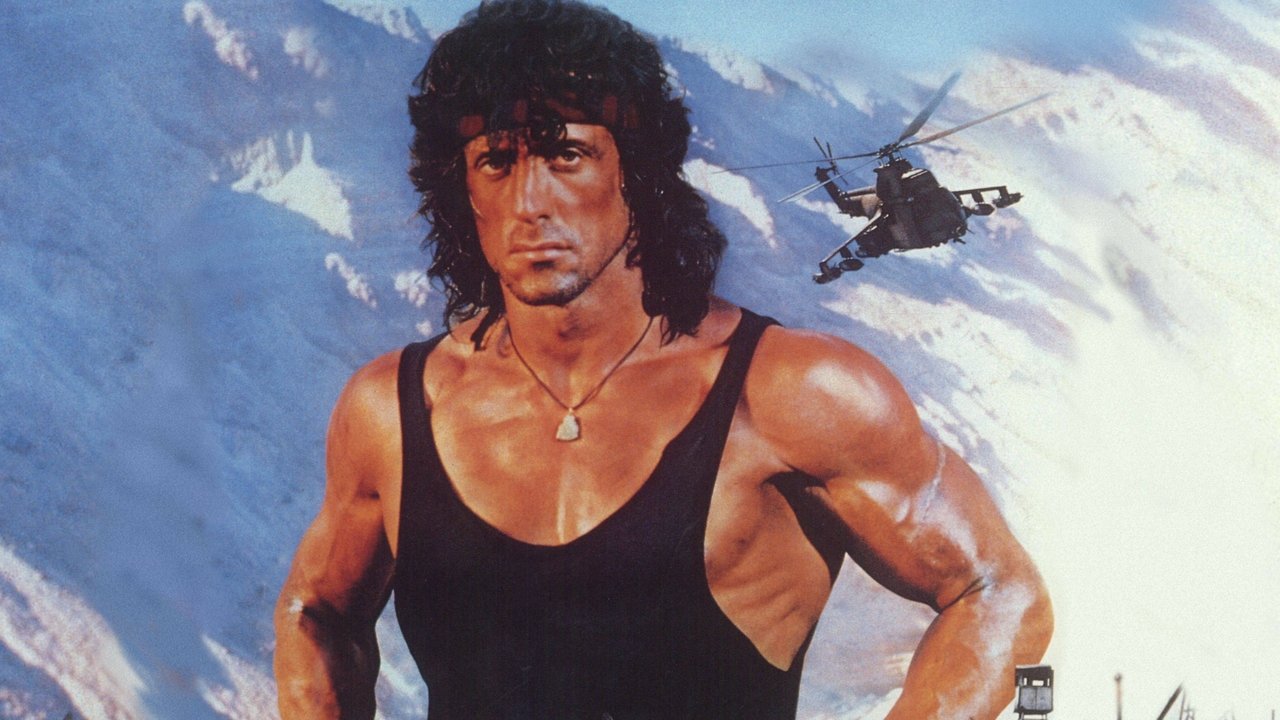
Alright, fellow tapeheads, rewind your minds back to 1988. The Cold War was still simmering, action movies were getting bigger and louder, and video store shelves groaned under the weight of explosive new releases. Nestled amongst them, likely with a cover featuring a ridiculously ripped Sylvester Stallone against a backdrop of fire, was Rambo III. Forget nuance, forget subtlety – this was peak 80s action, distilled onto magnetic tape and ready to blow your tube TV speakers.
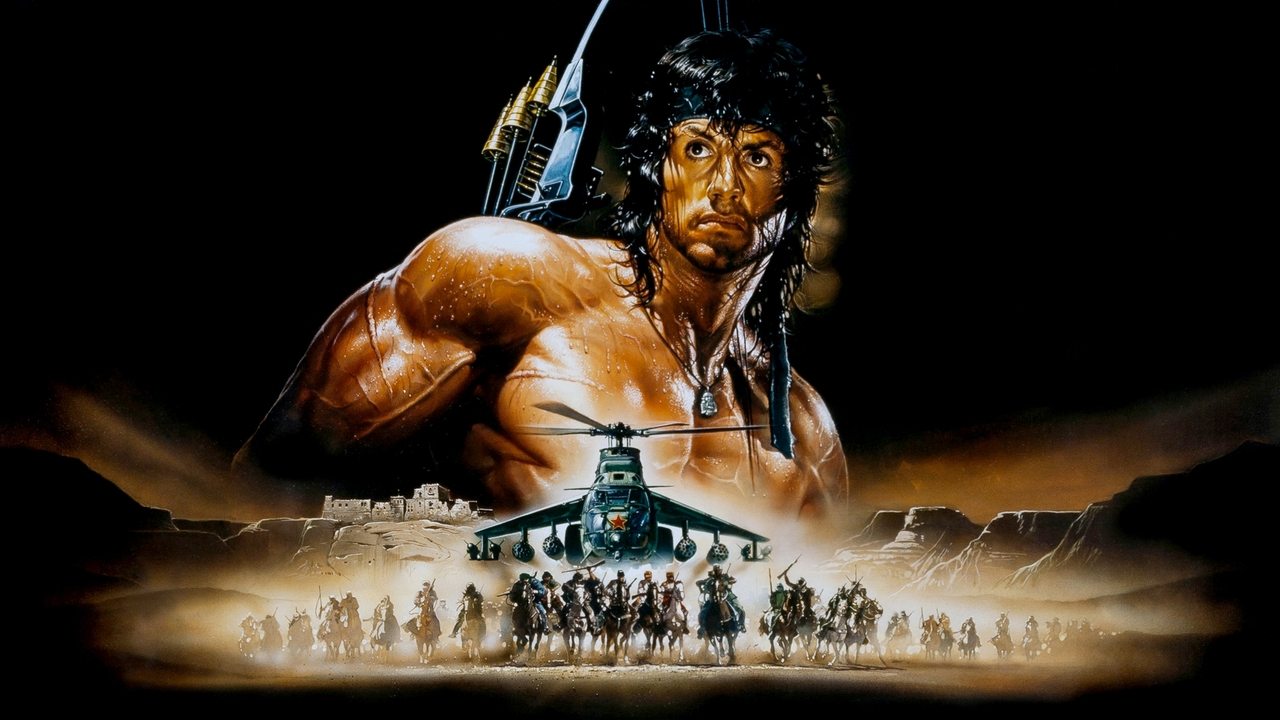
Popping this one into the VCR back in the day felt like an event. You knew what you were getting: John Rambo, the reluctant warrior, dragged back into the fray. This time, his mission is personal. His former commander and only friend, Colonel Sam Trautman (Richard Crenna, reliable as ever), has been captured by ruthless Soviet forces occupying Afghanistan. Rambo, who's found a semblance of peace helping monks in Thailand (yes, really), must once again become a one-man army.
An Escalation of Epic Proportions
If First Blood (1982) was a tense survival thriller and Rambo: First Blood Part II (1985) ramped up the action heroics, Rambo III straps the entire franchise to a rocket and fires it into the stratosphere. This thing was famously, eye-wateringly expensive for its time – reports hover around the $63 million mark, making it one of the priciest pictures ever produced back then. And honestly? You see every single dollar exploding on screen. This film entered the Guinness Book of World Records for its sheer violence at the time – a body count so high it becomes almost abstract, a ballet of bullets and bombs.
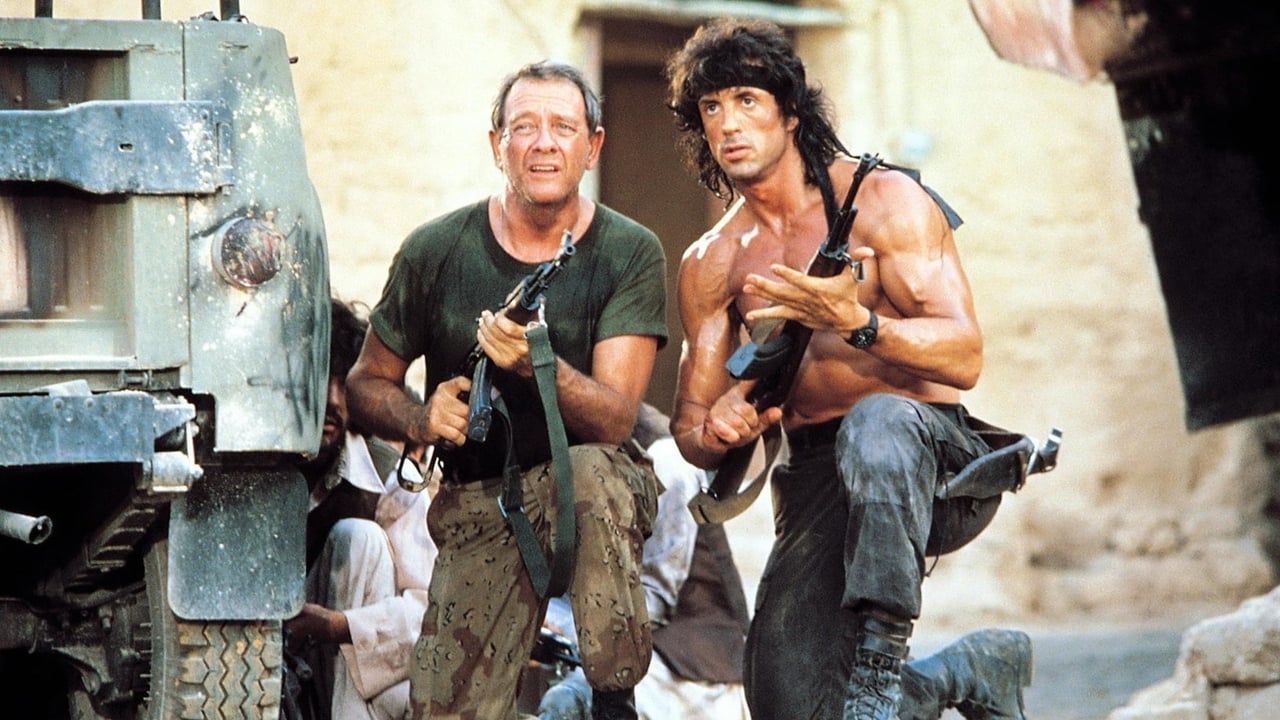
The plot is wafer-thin, serving primarily as a framework to hang increasingly elaborate action sequences on. Rambo teams up with Afghan Mujahideen fighters (a dedication that became... awkward... in later years) to take on the Soviets, led by the sneering Colonel Zaysen, played with enjoyable menace by Marc de Jonge. But let's be real, we weren't renting this for geopolitical commentary. We were here for the Rambo show.
Practical Mayhem Perfected
This is where Rambo III truly shines, especially viewed through our retro lens. The action is relentless, and crucially, it feels tangible in a way modern CGI spectacles often don't. Remember those massive fireballs engulfing Soviet helicopters? That wasn't cooked up on a computer; that was real fuel, real fire, captured in-camera. The stunt work is breathtakingly dangerous – incredible horse falls, soldiers flung through the air by explosions, and that insane final charge where Rambo, on horseback, plays chicken with a Soviet Hind helicopter. It's ludicrous, yes, but undeniably thrilling because you know real people were risking their necks to get those shots.
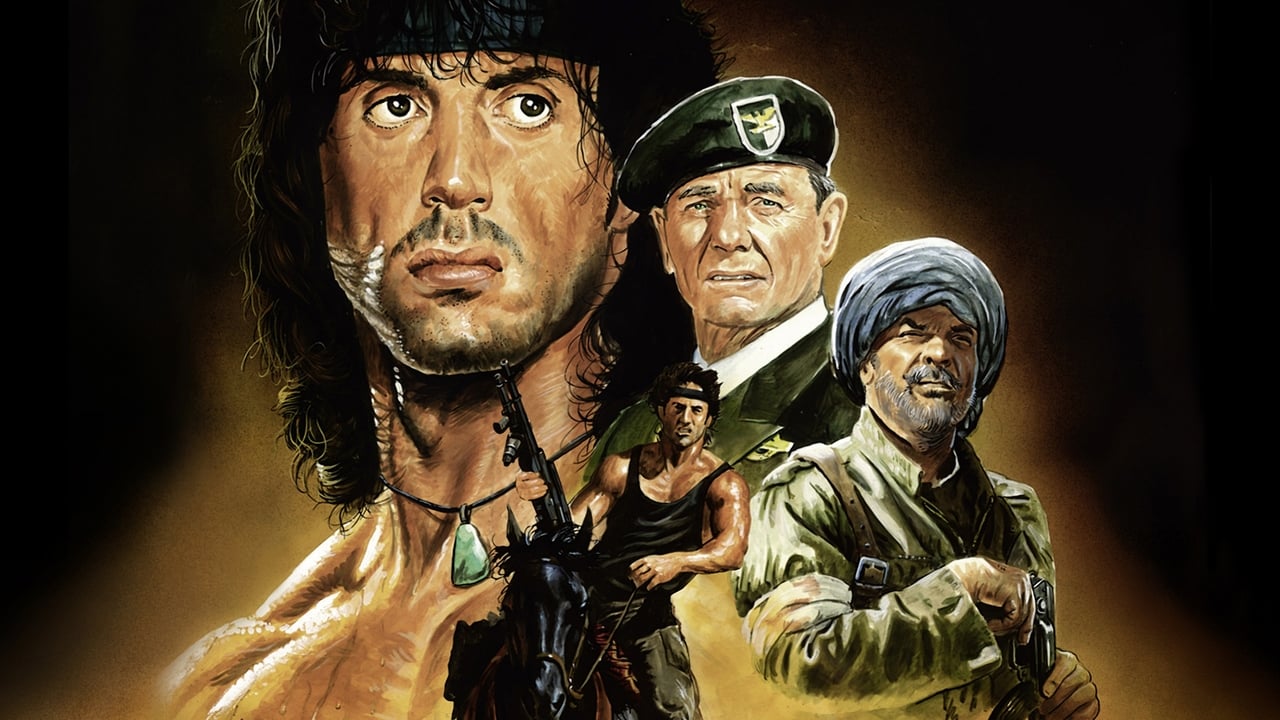
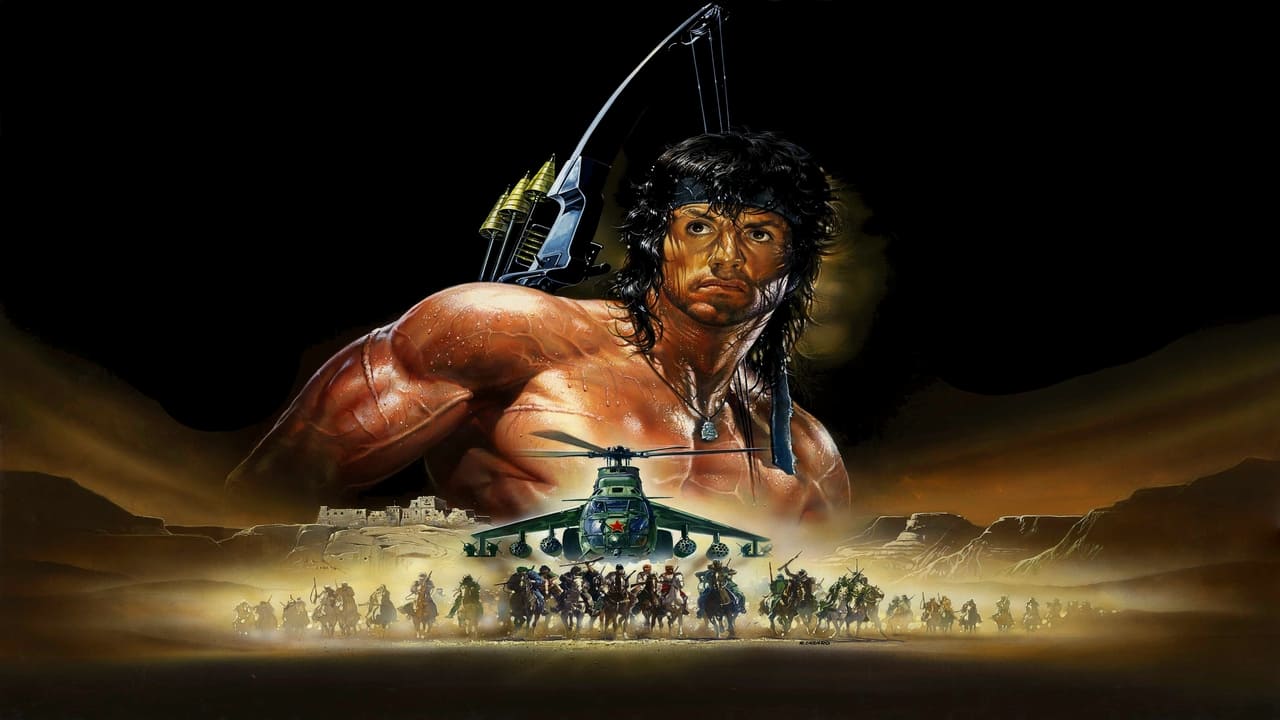
Interestingly, the film's action focus might be partly due to a behind-the-scenes shake-up. Russell Mulcahy, the stylish director behind Highlander (1986), initially started filming but left due to creative differences. He was replaced by Peter MacDonald, a seasoned second-unit director with a hefty resume of handling complex action sequences. You can almost feel that shift – the film leans heavily into pure, visceral spectacle, MacDonald's expertise shining through in the staging of the large-scale battles filmed primarily across Israel and Thailand, doubling convincingly (enough for the time) as the Afghan landscape.
Stallone IS Rambo
Sylvester Stallone, who also co-wrote the screenplay with Sheldon Lettich (Bloodsport), is more mythic than man here. He’s impossibly muscular, utters maybe a hundred words total, and performs feats of near-superhuman endurance – like the infamous self-surgery scene involving gunpowder and fire. It’s pure, unadulterated 80s machismo, delivered with granite-faced conviction. He is Rambo, embodying the stoic, unstoppable force the character had become. While critics at the time often lambasted the film for its jingoism and over-the-top violence, audiences turned up, though perhaps not quite in the numbers the studio hoped for given the astronomical budget (it pulled in around $189 million worldwide).
Watching it now, the politics feel like a dusty Cold War relic, and the dialogue often borders on self-parody. But the sheer craft involved in the practical action sequences remains impressive. The thumping score by the legendary Jerry Goldsmith perfectly complements the on-screen chaos, driving the relentless pace. It's a time capsule of a specific era of action filmmaking, before digital trickery became the norm.
***
VHS Heaven Rating: 7/10
Justification: While the plot is threadbare and the politics are firmly rooted in a bygone era, Rambo III delivers exactly what it promises: wall-to-wall, spectacularly staged practical action. It’s excessive, loud, and unapologetically 80s. The sheer scale of the stunt work and pyrotechnics, especially considering when it was made, earns it major points for pure spectacle. It might lack the raw intensity of First Blood or the iconic status of Part II, but as a high-water mark for pre-CGI blockbuster mayhem, it’s a must-see for action fans.
Final Comment: Rambo III is the movie equivalent of lighting fireworks indoors – dangerous, probably ill-advised, but undeniably spectacular to watch. Just make sure your tracking is adjusted.