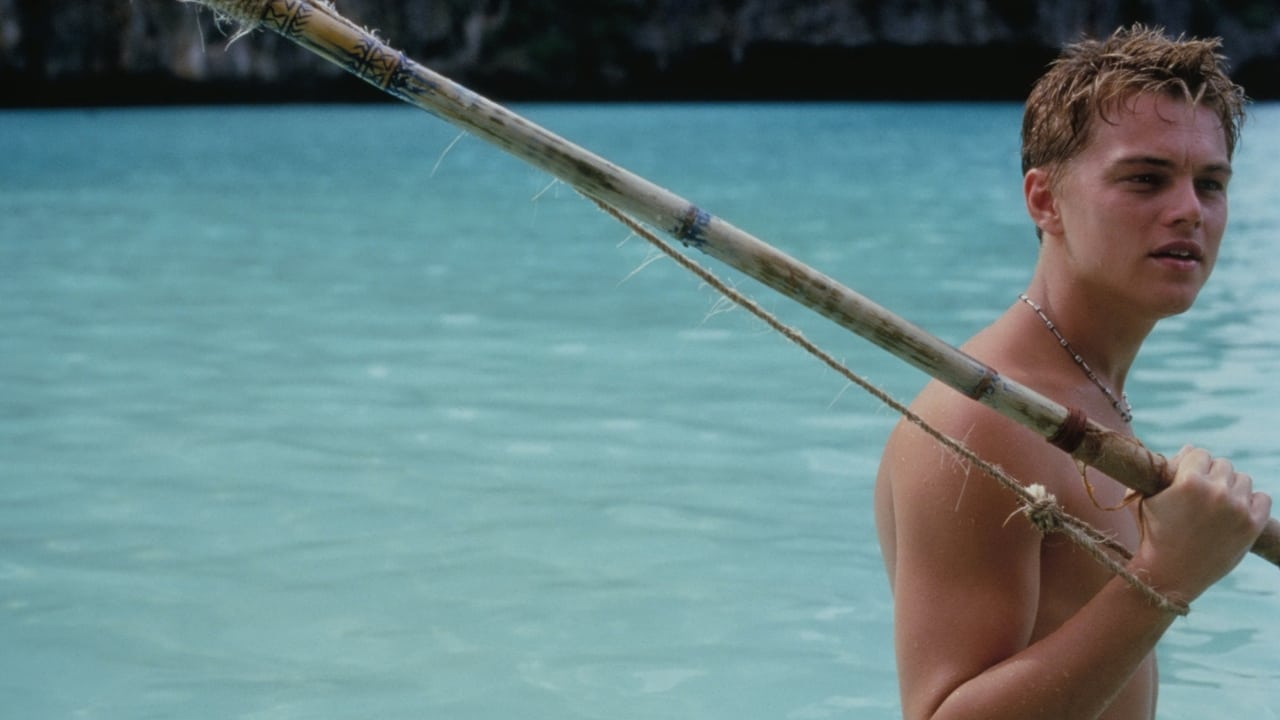
It starts, as these things often do, with a whisper. A rumour, carried on the humid Bangkok air, of a place untouched, unspoiled – a hidden paradise far from the tourist trail. Remember that feeling? That turn-of-the-millennium urge for authentic escape, before smartphones mapped every corner of the globe? Danny Boyle's The Beach (2000), adapted from the sharp novel by Alex Garland, arrived right on that cusp, offering a sun-drenched, seductive vision that felt both thrillingly exotic and deeply unsettling. It wasn't quite the 90s anymore, but the film carried that decade's energy – the pulsing soundtrack, the search for something real, even as it foreshadowed the complexities the new century would bring.
Paradise Found, or Lost?
We follow Richard, played by a post-Titanic (1997) Leonardo DiCaprio radiating both restless youth and a burgeoning intensity. He’s the quintessential backpacker seeking not just sights, but experience. A chance encounter with the disturbed Daffy (Robert Carlyle, unforgettable even in his brief screen time) yields a crudely drawn map, the key to a legendary island community living in secret harmony. Teaming up with French couple Françoise (Virginie Ledoyen) and Étienne (Guillaume Canet), Richard embarks on the perilous journey, culminating in a breathtaking swim into a hidden lagoon. What they find initially seems to fulfill the dream: turquoise waters, white sands, and a self-sustaining collective led by the serene, yet steely, Sal (Tilda Swinton). It’s Eden, rebuilt by disillusioned Westerners. But can paradise, once created by humans, ever truly escape human nature?
Beneath the Surface
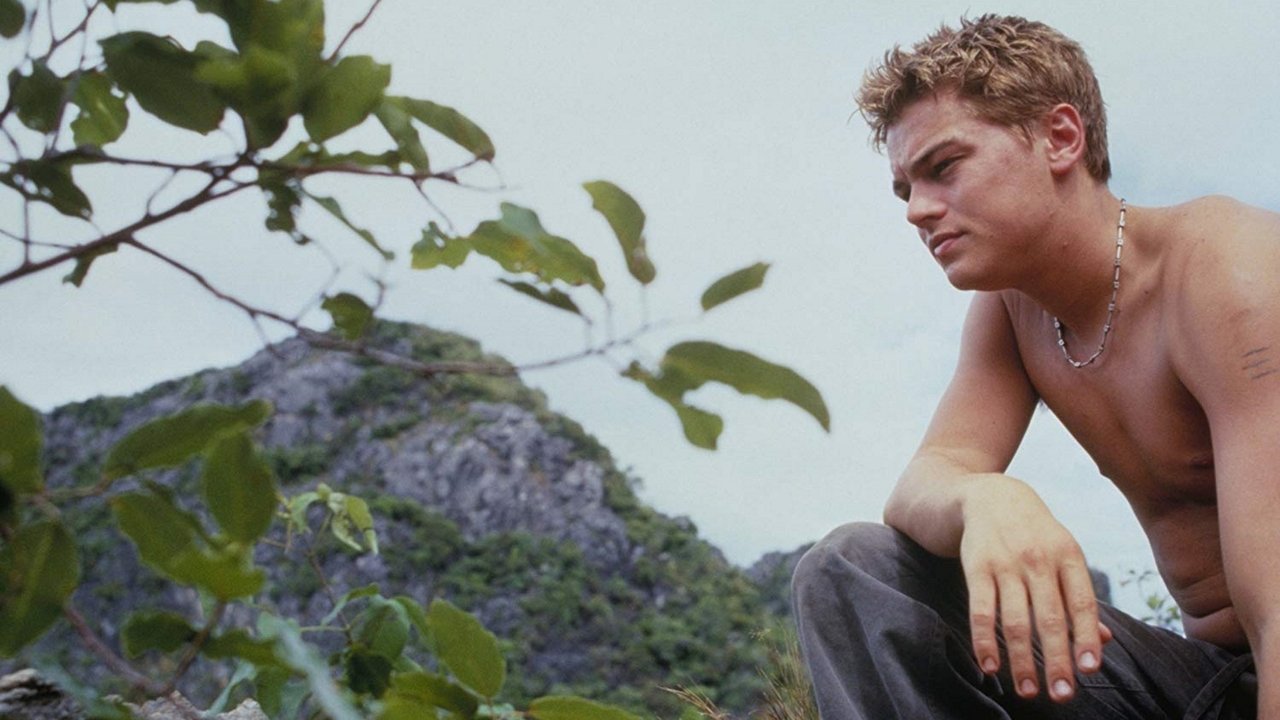
This is where The Beach gets interesting, shifting from travelogue adventure to something darker. Boyle, still riding the wave from Trainspotting (1996), infuses the film with his trademark visual flair and kinetic editing. The early scenes capture the intoxicating beauty of the location (Thailand's Phi Phi Leh island, specifically Maya Bay), making the eventual rot feel even more pronounced. The film expertly contrasts the idyllic setting with the simmering tensions within the group – jealousy, possessiveness, the inherent selfishness that even utopia can't seem to purge. We see the formation of cliques, the fear of outsiders, and the moral compromises made to protect their 'perfect' world. Doesn't that feel eerily familiar, the way any closed community can curdle under pressure?
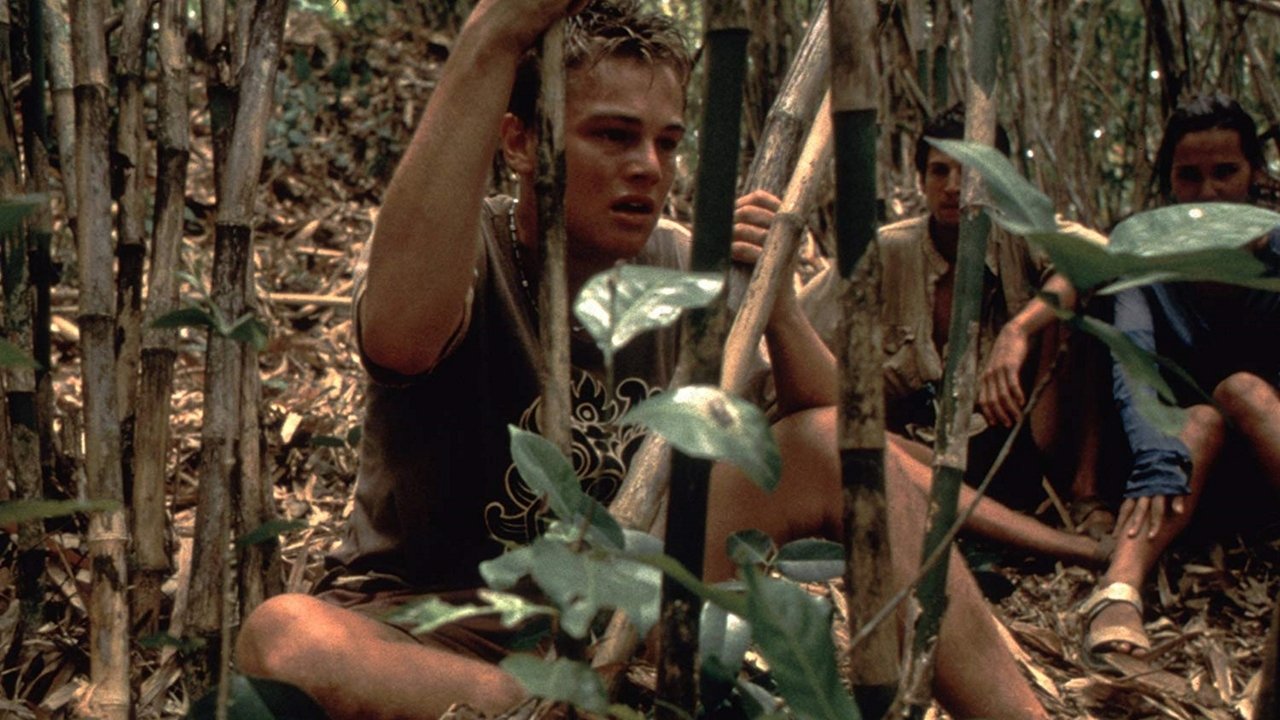
DiCaprio, tasked with carrying the film, does a commendable job navigating Richard's arc. He transforms from an eager, slightly naive seeker into someone increasingly paranoid and isolated, culminating in that jarring, almost surreal sequence where he mentally morphs into a video game character, hunting through the jungle. It’s a bold, if slightly divisive, directorial choice from Boyle, visually representing Richard’s complete detachment from the reality he sought so desperately. Swinton, as Sal, is magnetic. She embodies the calm authority needed to hold the fragile community together, but hints at the ruthlessness required to maintain control. Her performance is crucial; she's the gatekeeper, the matriarch, and ultimately, a symbol of how ideals can warp into dogma.
Trouble in Paradise (Behind the Scenes)

The production itself wasn't without its own share of real-world drama, adding a layer of uncomfortable irony to the film's themes. Filming on Maya Bay involved 20th Century Fox making significant alterations to the beach's natural landscape – bulldozing dunes and planting non-native palm trees to make it look more 'paradise-like'. This sparked environmental protests and lawsuits that dragged on for years, a stark reminder of the very impact the film's characters sought to escape. It’s a fascinating, if regrettable, piece of trivia that underscores the central question: can we ever truly find an untouched paradise without leaving our mark?
Interestingly, Ewan McGregor, Boyle's frequent collaborator at the time, was originally expected to play Richard. Boyle's decision to cast the globally massive DiCaprio instead caused a significant rift between the director and actor that lasted for years. While DiCaprio brought undeniable star power (the film, made for around $50 million, grossed a healthy $144 million worldwide), one can't help but wonder how McGregor's different energy might have altered the film's feel. Alex Garland's novel was also considerably darker and more cynical; the film softens some edges, aiming for a slightly broader appeal, which might explain some of the mixed critical reactions upon release. Remember Moby's "Porcelain" on the soundtrack? It became almost synonymous with the film, perfectly capturing that blend of melancholic beauty and yearning.
The Lingering Tide
Watching The Beach today evokes a specific kind of nostalgia – not just for the film itself, but for that pre-social media era of travel, the allure of the unknown. It captures a moment in time, a generation's idealistic, perhaps naive, quest for meaning outside the mainstream. While the film's tonal shifts can sometimes feel abrupt, moving from sun-kissed wonder to psychological thriller, its core ideas remain potent. It asks uncomfortable questions about escapism, the corrupting influence of 'paradise', and whether we carry our own flaws with us, no matter how far we run. It’s a visually stunning film, propelled by DiCaprio’s committed performance and Boyle’s energetic direction, even if its narrative doesn't always cohere perfectly.
Rating: 7/10
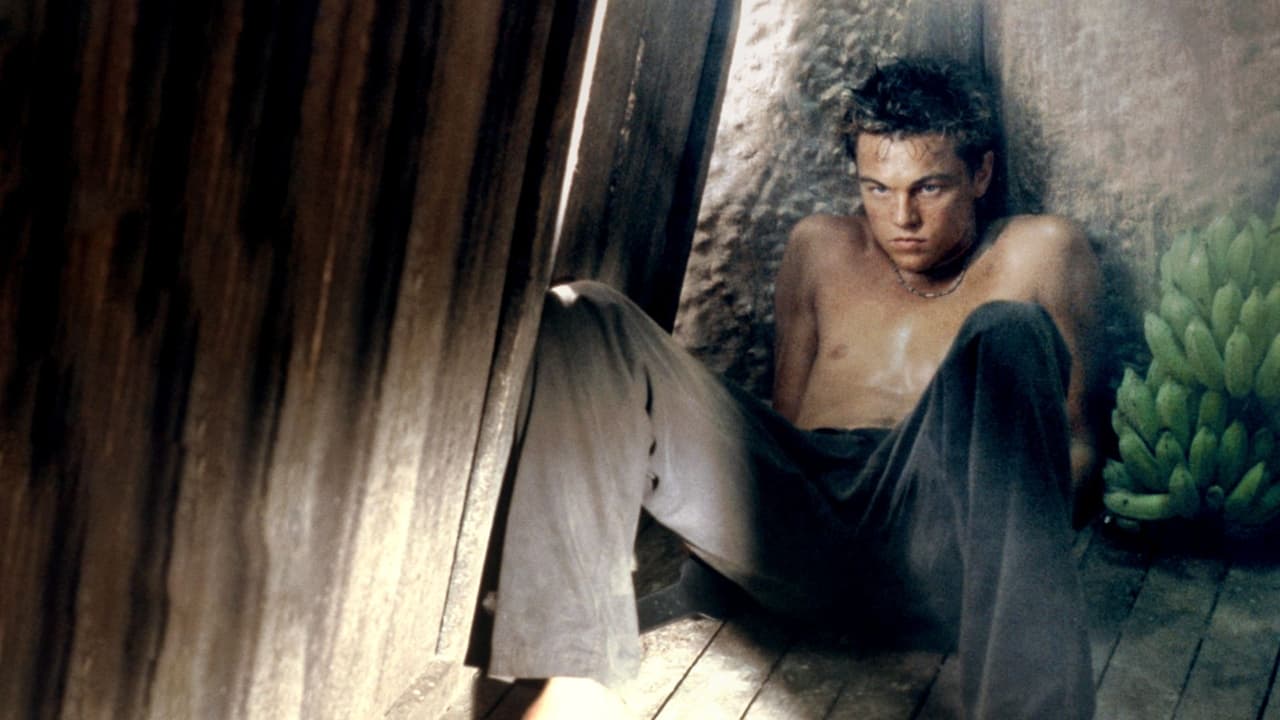
This score reflects the film's undeniable visual power, Leonardo DiCaprio's compelling central performance, Tilda Swinton's strength, and its effective capture of a specific cultural moment. Danny Boyle's direction is typically vibrant, and the core thematic exploration of paradise lost remains intriguing. However, it loses points for occasional tonal inconsistencies, particularly the jarring video game sequence, and for softening some of the novel's sharper edges, which ultimately prevents it from achieving true greatness. It's a film that almost perfectly crystallizes its ideas but pulls back slightly.
The Beach lingers not just as a snapshot of its stars and director on the rise, or as a controversial environmental footnote, but as a potent, flawed exploration of a timeless human desire: the search for somewhere perfect, and the inevitable discovery that paradise might be a state of mind, not a place on a map. What happens when the dream destination becomes just another place to survive?