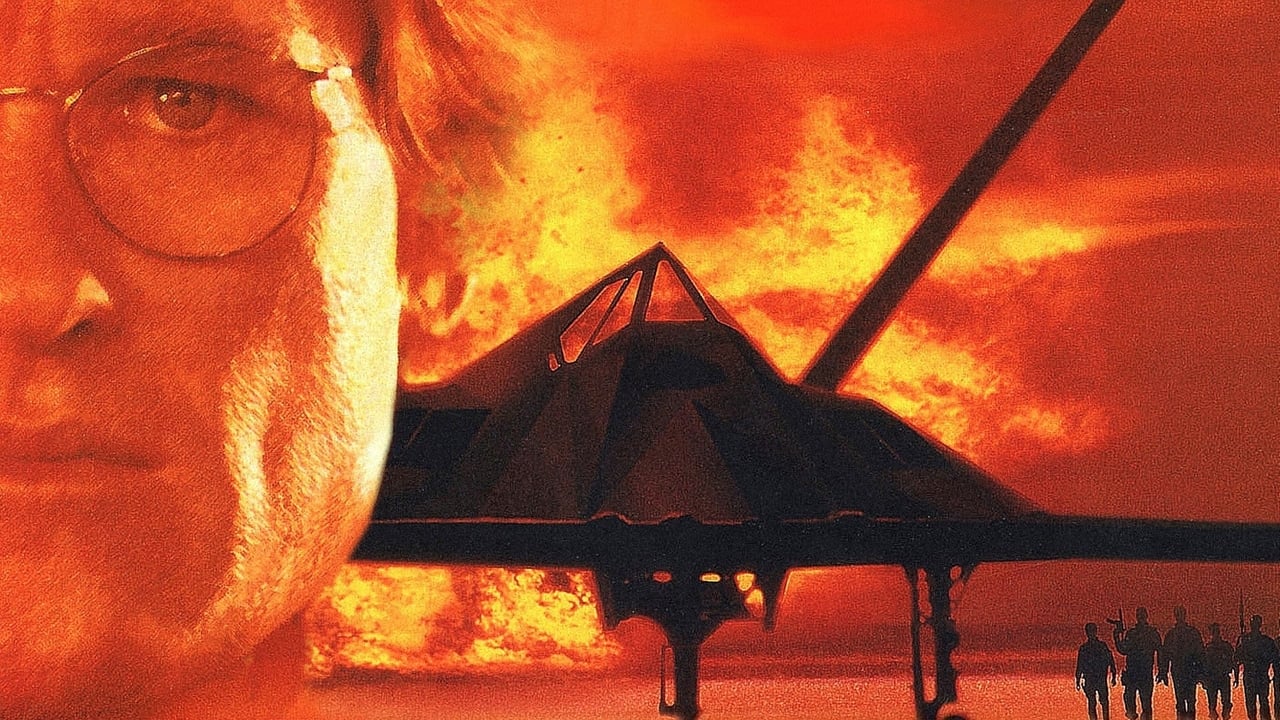
It hangs there in the digital ether, a phantom memory from the back shelves of the video store: the sleek, dark cover of Executive Decision promising high-altitude thrills and military precision. But beyond the initial gloss of a standard 90s actioner lies something surprisingly taut, a film that understood the chilling power of claustrophobia and the ticking clock, even amidst its blockbuster aspirations. It wasn't just another hijacking flick; it carried an unexpected edge, a willingness to play rough that lodged itself in the mind long after the static hiss of the rewinding tape.
Boarding Pass to Terror
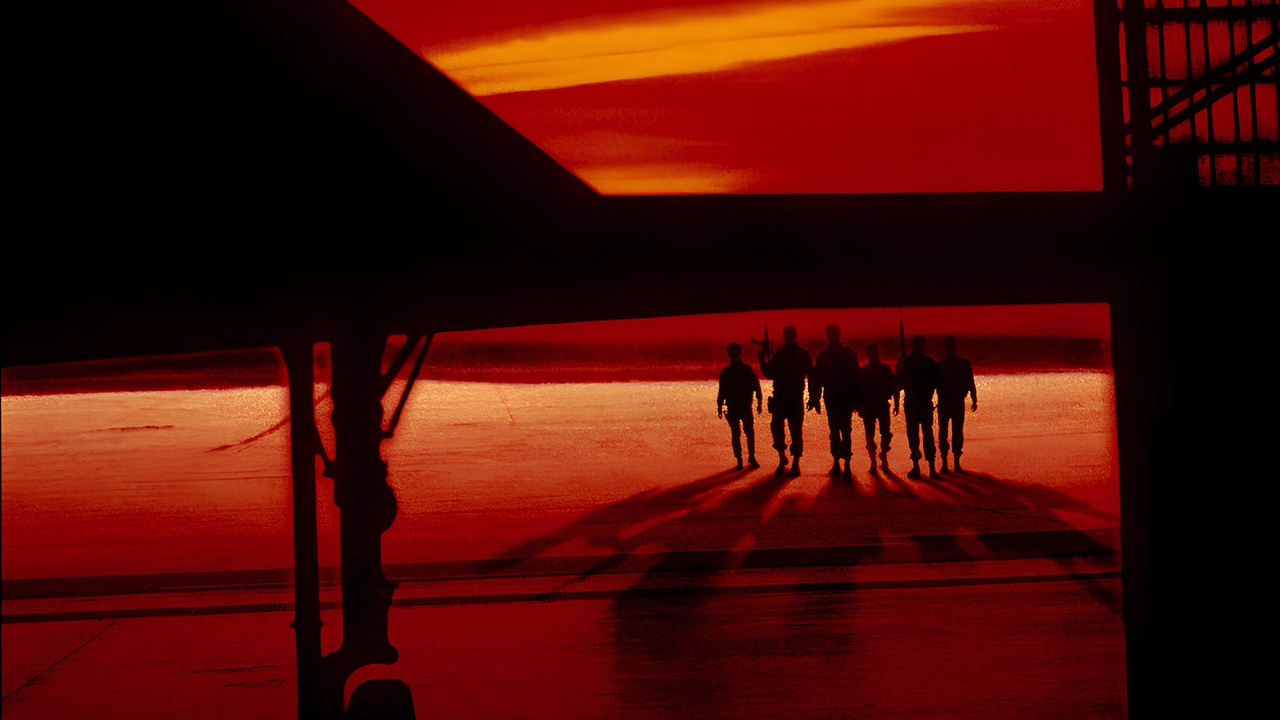
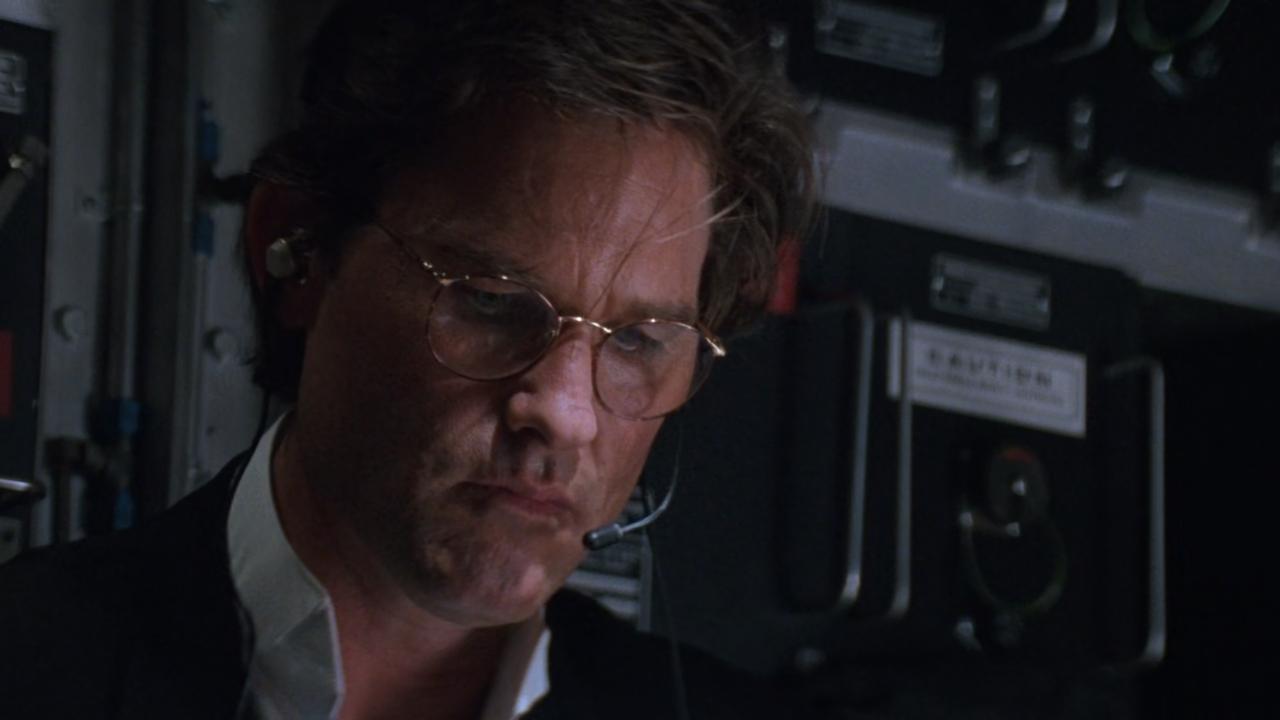
The premise, conceived by the Jim Thomas and John Thomas writing duo who previously plunged us into the jungle nightmare of Predator (1987), is pure high-concept dynamite: Oceanic Airlines Flight 343, a Boeing 747 en route from Athens to Washington D.C., is seized by ruthless terrorists led by the chillingly composed Nagi Hassan (David Suchet, miles away from his later Poirot fame). On board, nestled amongst the terrified passengers, is a nerve agent potent enough to wipe out the Eastern Seaboard. Enter Dr. David Grant (Kurt Russell), a mild-mannered intelligence analyst who theorized this exact scenario. He finds himself unexpectedly bundled onto a state-of-the-art F-117 stealth aircraft, tasked with advising an elite special forces team, led by the stoic Lt. Colonel Austin Travis (Steven Seagal), on a terrifyingly risky mid-air boarding.
The Elephant (or Action Star) in the Room
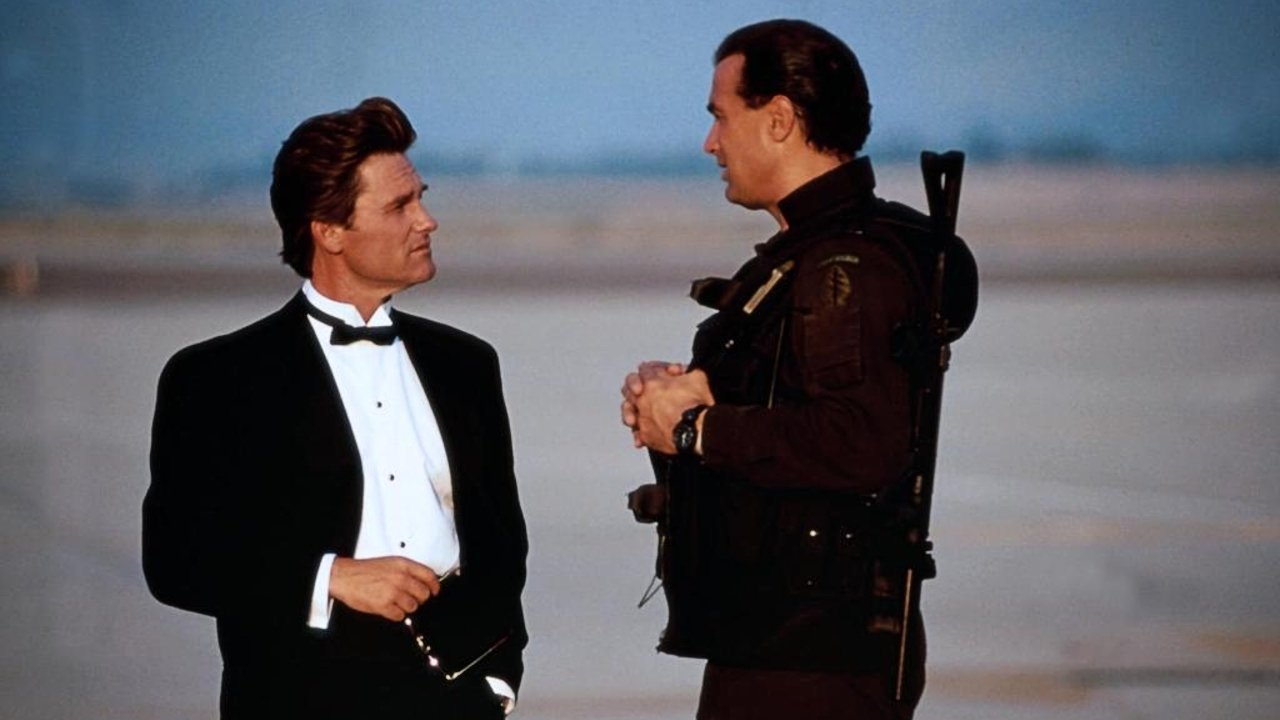
Let's address it immediately, because anyone who rented this tape back in '96 remembers the collective gasp. Steven Seagal, arguably at the peak of his box-office dominance (Under Siege was only four years prior), is positioned as the film's hard-as-nails lead... for about twenty minutes. His abrupt, shocking exit during the perilous docking procedure wasn't just a plot twist; it was a seismic event in 90s action cinema. Reportedly, Seagal himself was less than pleased with this narrative decision, but it serves the film brilliantly. It rips away the audience's safety net, signaling that the established rules don't apply. Suddenly, the intellectual analyst, Russell's Grant, is thrust into the operational hot seat, drastically raising the stakes and grounding the film in a more vulnerable, relatable perspective. This unexpected narrative gamble, orchestrated by first-time director Stuart Baird – a legendary editor whose credits include Superman (1978), Lethal Weapon (1987), and later Casino Royale (2006) – immediately sets Executive Decision apart.
Claustrophobia at 30,000 Feet
Once the team (or what's left of it) is aboard the 747, Baird's editing prowess truly shines. The film becomes a masterclass in sustained tension. Forget sprawling action sequences; the brilliance here lies in the confinement. Large sections of the 747 interior were meticulously constructed on soundstages, creating an environment that feels genuinely cramped and perilous. Baird uses the confined spaces – the overhead compartments, the cramped electronics bay, the narrow aisles – to maximum effect. Every creak of the fuselage, every whispered command, every near-discovery cranks the suspense unbearably tight. We feel trapped with the characters, sharing their shallow breaths and racing pulses. Assisting them from within is the quick-thinking flight attendant Jean (Halle Berry, bringing steel and resourcefulness to the role), who becomes their crucial eyes and ears among the passengers.

Behind the Stealth and Strategy
While initially pitched under a working title that screamed Die Hard on a Plane, Executive Decision evolved into something more focused on procedure and problem-solving, albeit punctuated by bursts of necessary violence. The mid-air transfer sequence, a blend of impressive practical effects for the time and nascent CGI, felt genuinely cutting-edge back then. You could almost feel the turbulence through the flickering CRT screen. The film juggled a hefty $55 million budget – a significant sum for the era – but it paid off, netting a respectable $122 million worldwide. It demonstrated that audiences were receptive to a slightly more cerebral action thriller, one that prioritized suspense over constant explosions (though it certainly delivers on action when required). Trivia hounds might appreciate knowing the level of detail involved; the production reportedly consulted with aerospace engineers and military advisors to lend authenticity to the tech and tactics, even if dramatic license was clearly taken.
The Verdict from the Video Vault
Executive Decision isn't flawless. It adheres to certain genre conventions, and some plot mechanics require a degree of suspension of disbelief (the mid-air boarding itself remains a marvel of movie logic). Yet, its strengths far outweigh its weaknesses. Kurt Russell delivers a fantastic performance as the analyst pushed beyond his limits, embodying brains over sheer brawn. The supporting cast, including John Leguizamo and Oliver Platt as members of the spec-ops team, are uniformly solid. The villains, particularly Suchet and the late, great Andreas Katsulas (G'Kar from Babylon 5) as his fanatical second-in-command, provide genuine menace without descending into caricature.
What truly elevates it, especially viewed through the lens of VHS nostalgia, is its commitment to tension. It’s a film that makes you hold your breath, that understands the power of silence and shadow within the belly of the beast. The bold move with Seagal's character remains a memorable piece of 90s movie lore, a rug-pull that genuinely changed the game mid-stream. Doesn't that initial shock still feel audacious today?
Rating: 8/10
This score reflects a genuinely well-crafted thriller that delivers exceptional suspense, features a strong lead performance from Russell, and executes a daring early twist with aplomb. It holds up remarkably well, its focus on claustrophobic tension feeling perhaps even more potent now than amidst the louder action landscape of the mid-90s. Executive Decision earned its spot on the "Staff Picks" shelf – a smart, gripping ride that proved mid-air suspense could be just as thrilling as any ground-based firefight. It remains a standout example of the 90s action-thriller done right.