The air hangs thick and cold over the vast, unforgiving wilderness of the Pacific Northwest. Pines stand like silent, ancient judges, their shadows stretching long and menacing. It's the kind of stark, imposing beauty that can swallow a man whole, a place where desperation might lead you, but something far darker awaits. This isn't just about getting lost in the woods; in Ernest R. Dickerson's Surviving the Game (1994), the real predators walk on two legs, carry high-powered rifles, and wear expensive hunting gear. And you, Jack Mason, are the prey.
### The Devil's Bargain
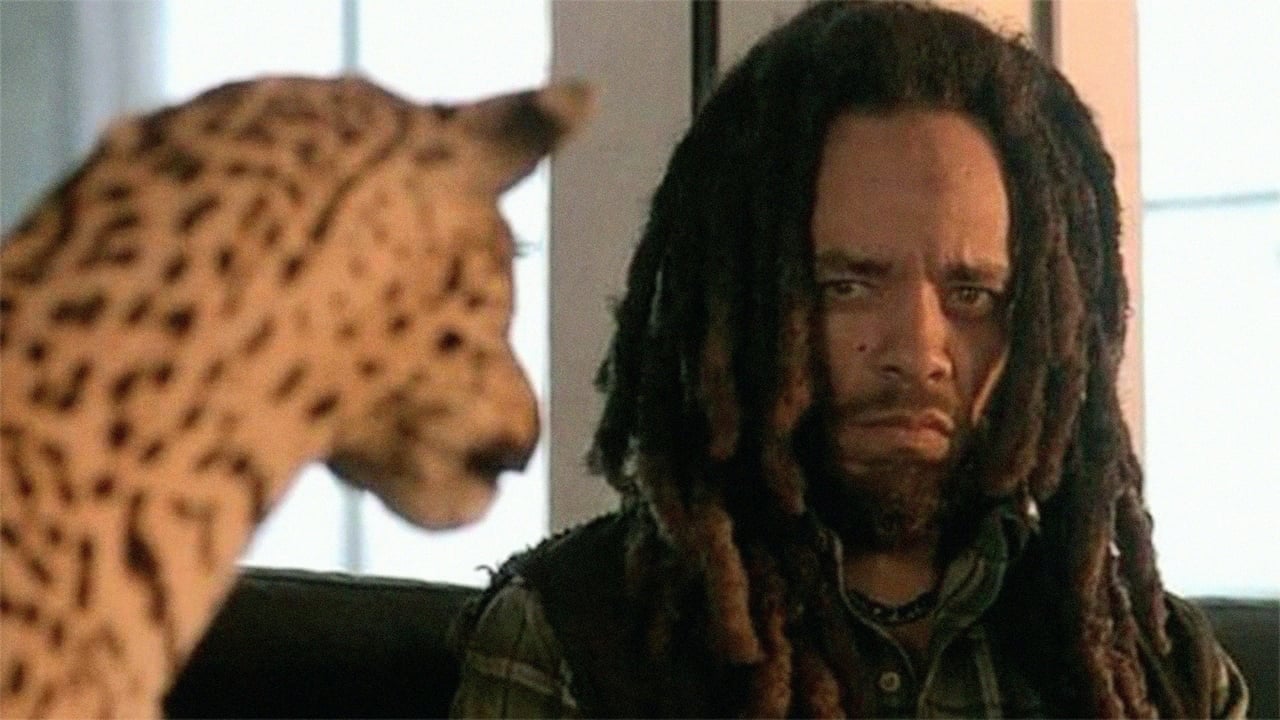
We first meet Mason, played with a simmering intensity by Ice-T, living rough on the streets of Seattle. He's lost his family, his home, everything. There’s a raw weariness in his eyes that speaks volumes about hitting rock bottom. So when the seemingly benevolent outreach worker Walter Cole (Charles S. Dutton, bringing his usual gravitas) offers him a high-paying gig as a hunting guide for a group of wealthy businessmen, it feels like a lifeline tossed into a churning sea of despair. The initial scenes effectively capture that gnawing sense of hopelessness, making Mason’s decision to trust these strangers tragically understandable. Of course, anyone who rented this tape back in the day knew exactly where this setup was heading. The dread isn't if things will go bad, but when and how horrifically.
Director Ernest R. Dickerson, already renowned for his stunning cinematography work with Spike Lee on films like Do the Right Thing (1989) and having directed the urban thriller Juice (1992), brings a distinct visual style here. He uses the imposing Washington state locations (shot primarily in the Wenatchee National Forest) to great effect, emphasizing Mason's isolation against the overwhelming indifference of nature – and the calculated cruelty of man. There’s a grounded, gritty feel to the proceedings, less stylized than John Woo’s Hard Target (1993), which tackled a similar theme the year before, but perhaps more chillingly plausible because of it.
### A Rogues' Gallery of Hunters
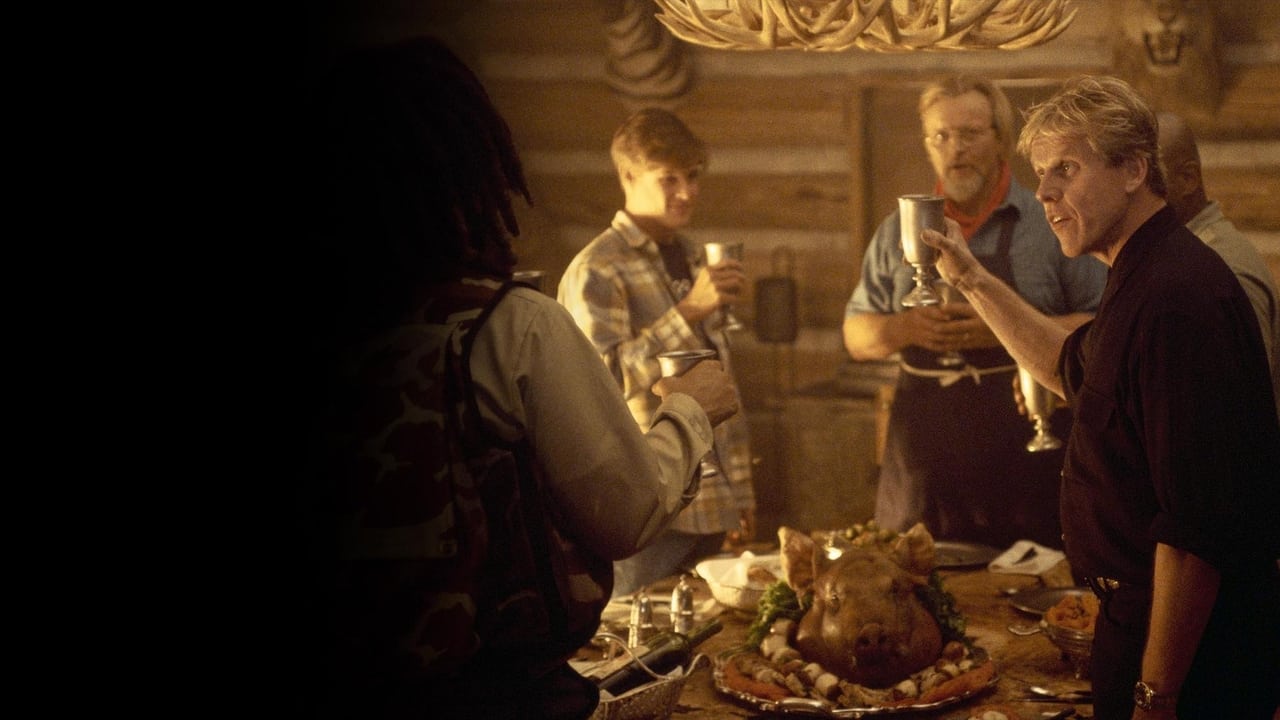
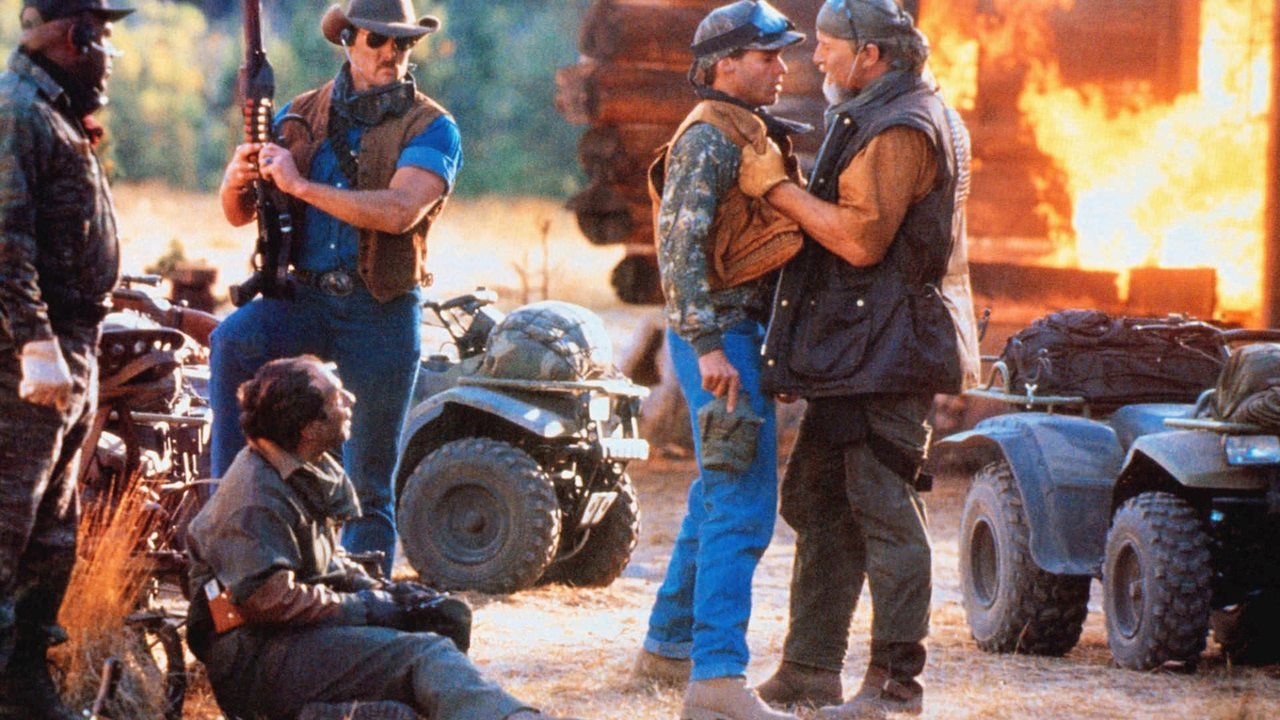
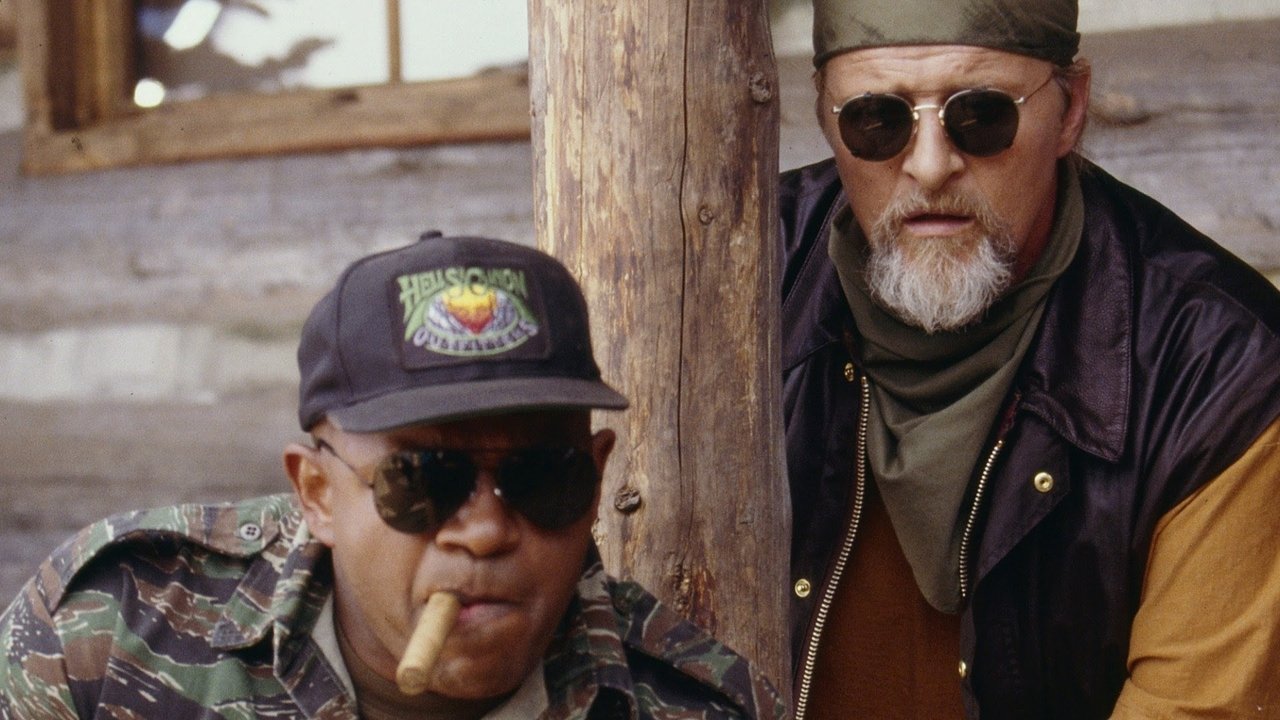
The moment Mason arrives at the remote, well-appointed cabin, the atmosphere curdles. The ‘businessmen’ are revealed, a truly unsettling ensemble cast. Leading the pack is Thomas Burns, played with icy precision by the legendary Rutger Hauer. Fresh off memorable roles but always capable of tapping into that Blade Runner (1982) intensity, Hauer embodies the cold, philosophical sadism of the hunt's mastermind. He’s flanked by a crew that feels hand-picked from hell’s boardroom: Gary Busey as Doc Hawkins, the gleefully unhinged psychiatrist; F. Murray Abraham and William McNamara as the dysfunctional father-son duo Derek Wolfe Sr. and Jr., adding a layer of twisted family legacy to the bloodsport; and John C. McGinley as John Griffin, the Wall Street shark who sees human life as just another commodity. Even Dutton’s Cole reveals his complicity, the friendly face masking a pragmatic ruthlessness.
The script, penned by Eric Bernt, doesn't delve too deeply into their individual psychologies beyond establishing them as bored, powerful men seeking the ultimate thrill. Yet, the sheer caliber of the actors elevates the material. Busey, in particular, is reliably unpredictable, injecting a manic energy that feels genuinely dangerous. Watching them casually enjoy breakfast before revealing their deadly intentions is one of the film's most effectively unnerving sequences. Reportedly, the actors embraced the challenging wilderness shoot, adding to the film’s authentic, rugged feel. There wasn't much room for error navigating that terrain, both for the characters and the performers.
### Turning the Tables
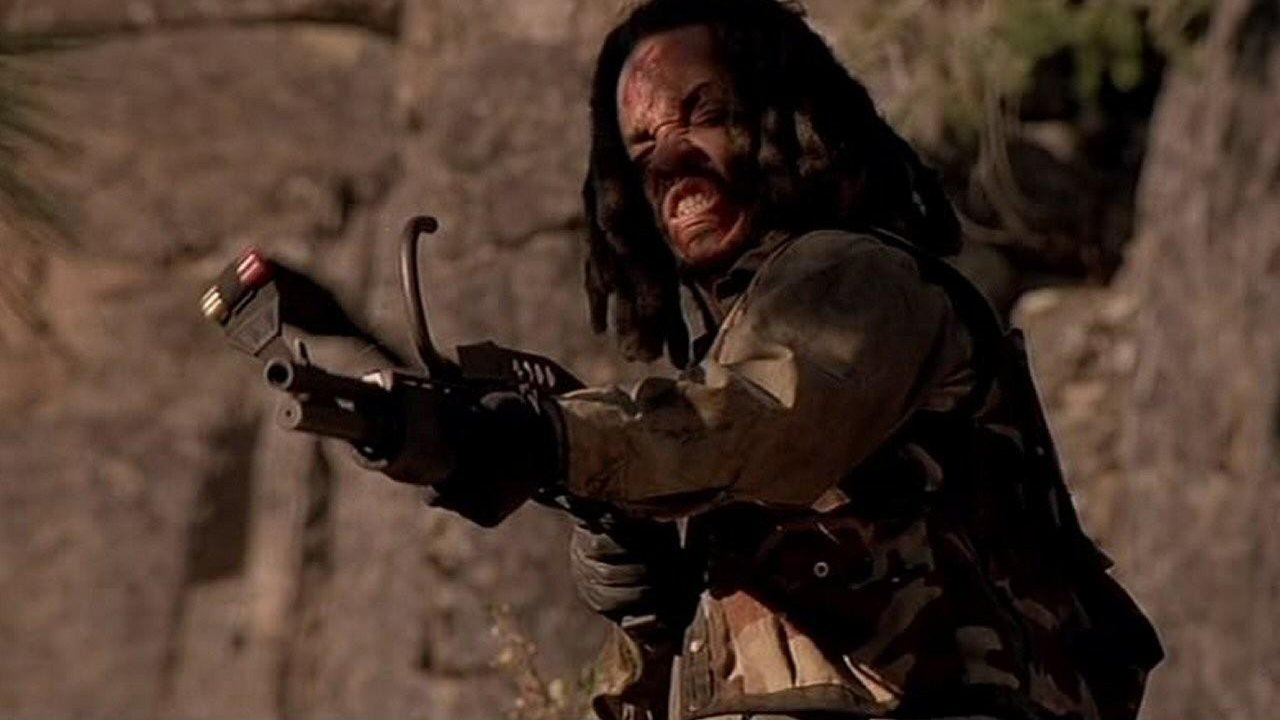
Once the hunt begins, the film kicks into gear as a tense game of cat and mouse. Mason, initially paralyzed by disbelief and terror, has to tap into primal survival instincts. Ice-T convincingly portrays this transformation from victim to resourceful survivor. While maybe not having the physical prowess of a Van Damme or Schwarzenegger, his portrayal feels grounded. He’s not suddenly a superhero; he’s desperate, intelligent, and fueled by righteous fury. The action sequences are brutal and functional, fitting the film's grim tone. Dickerson focuses on the environment as both obstacle and weapon, making the forest itself a character in the deadly chase. Remember the tension of Mason using makeshift traps? It felt genuinely earned, not just a convenient plot device.
The film doesn’t shy away from the inherent social commentary, either. It’s a stark depiction of class warfare, where the wealthy elite literally prey on the vulnerable and disenfranchised. Mason isn't just fighting for his life; he's fighting against a system that deemed him disposable. Dickerson subtly weaves this in, avoiding heavy-handed preaching but letting the situation speak for itself. The film’s modest $7.4 million budget (making back only around $7.7 million, sadly making it a box office disappointment overshadowed perhaps by bigger studio fare) likely necessitated a focus on practical action and atmosphere over elaborate set pieces, which ultimately serves the story’s gritty realism.
### A Relic Worth Revisiting?
Watching Surviving the Game today is a potent hit of 90s thriller nostalgia. It’s lean, mean, and features a fantastic assembly of character actors clearly having a blast playing bad guys. The premise, borrowed from the classic The Most Dangerous Game, remains compelling, and Dickerson’s direction ensures the tension rarely flags. Ice-T holds his own admirably in the lead, proving his early acting chops were no fluke. Does it feel dated in places? Sure, some dialogue might clunk, and the plot mechanics aren't revolutionary. But the core dread, the chilling performance by Hauer, and the visceral thrill of the chase still land effectively. I distinctly remember the stark, imposing cover art on the VHS shelf at Blockbuster, promising something brutal and uncompromising. It largely delivered.
It never achieved the iconic status of some of its contemporaries, but Surviving the Game remains a solid, well-crafted B-movie thriller that perfectly captures a certain gritty, pre-CGI aesthetic. It’s a film that understood atmosphere, tension, and the power of a truly despicable villain (or five).
Rating: 7/10
Justification: Surviving the Game earns a solid 7 for its gripping premise, strong direction from Ernest R. Dickerson that maximizes atmosphere, a fantastic villain ensemble led by a chilling Rutger Hauer, and a convincing central performance from Ice-T. While hampered slightly by a modest budget and a script that doesn't fully explore its potential depths, it delivers sustained tension and brutal action effectively. Its commercial failure belies its quality as a cult VHS-era thriller.
Final Thought: It may not have reinvented the chase movie, but Surviving the Game remains a potent reminder of how effective a simple, dark premise and a committed cast could be, leaving a chill that lingers long after the static fades.