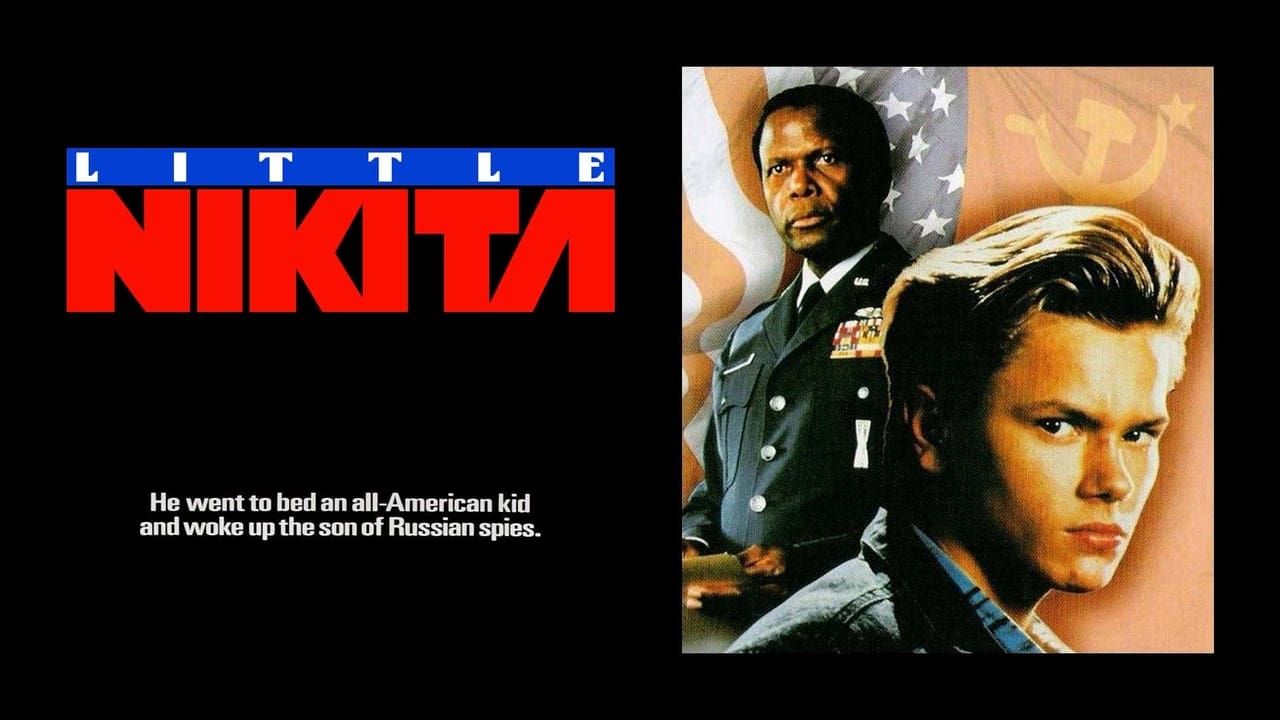
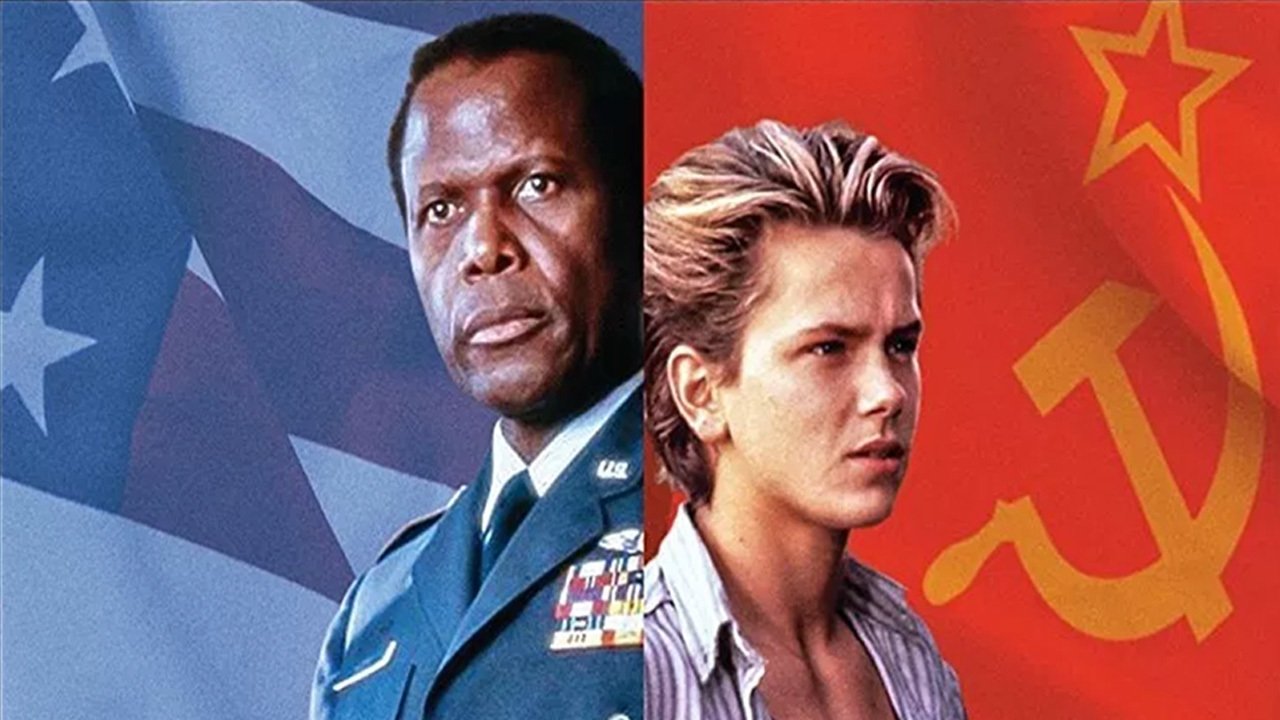
There's a certain quiet unease that permeates Little Nikita, a feeling like static clinging to a favourite sweater just pulled from the dryer. It’s not the loud, explosive tension of many Cold War thrillers from the era, but something more intimate, nestled unsettlingly within the sun-drenched normalcy of suburban San Diego. What lingers most, perhaps, isn't just the spycraft, but the faces of its two leads: the legendary Sidney Poitier, returning to the screen after a decade, and the incandescent River Phoenix, radiating adolescent turmoil. Their unexpected pairing forms the fragile, beating heart of this 1988 film.
### A Cold War Chill in Sunny California
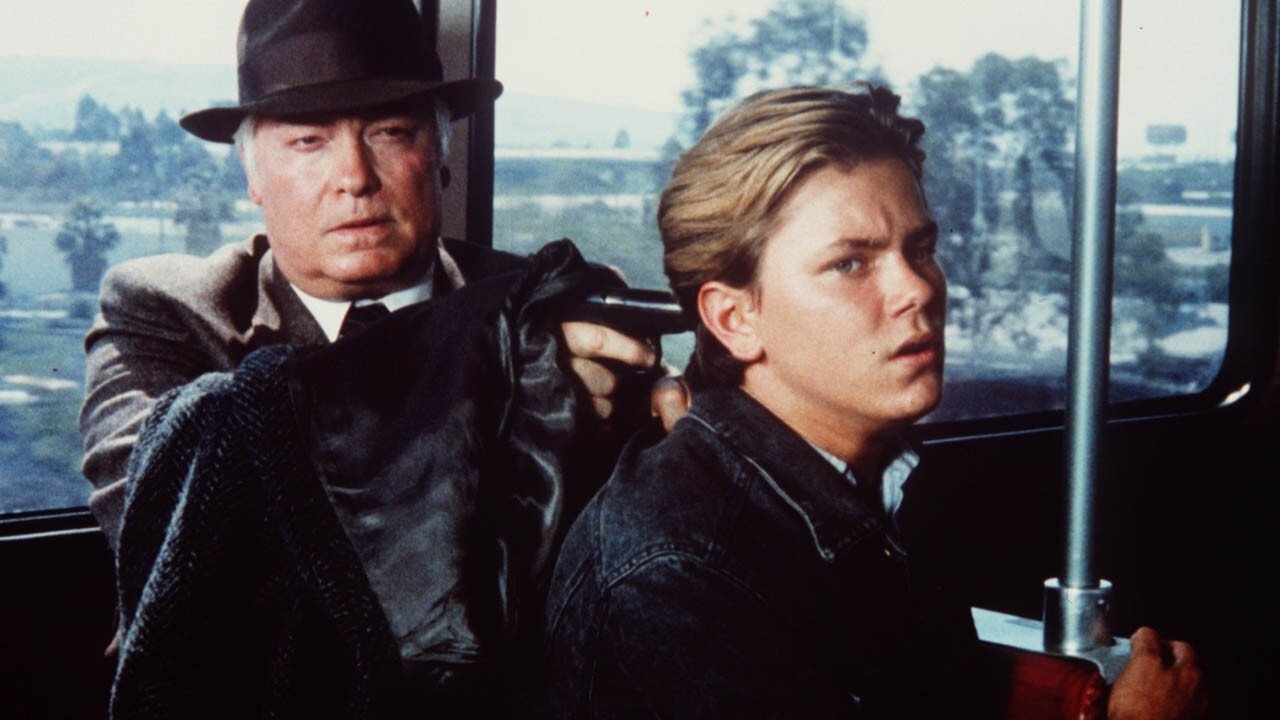
The premise itself feels like a curious artifact of its time. Phoenix plays Jeff Grant, a seemingly typical American teenager applying for the Air Force Academy. The routine background check, however, flags something deeply irregular, drawing the attention of seasoned FBI agent Roy Parmenter (Poitier). Parmenter discovers Jeff's parents (Richard Bradford and Caroline Kava) aren't who they seem; they are deep-cover Soviet sleeper agents. As Roy gets closer to Jeff, aiming to use him, a tentative, almost father-son bond forms, complicated immensely by the arrival of a rogue KGB agent known as "Scuba" (Richard Lynch) sent to eliminate compromised assets – including Jeff's parents.
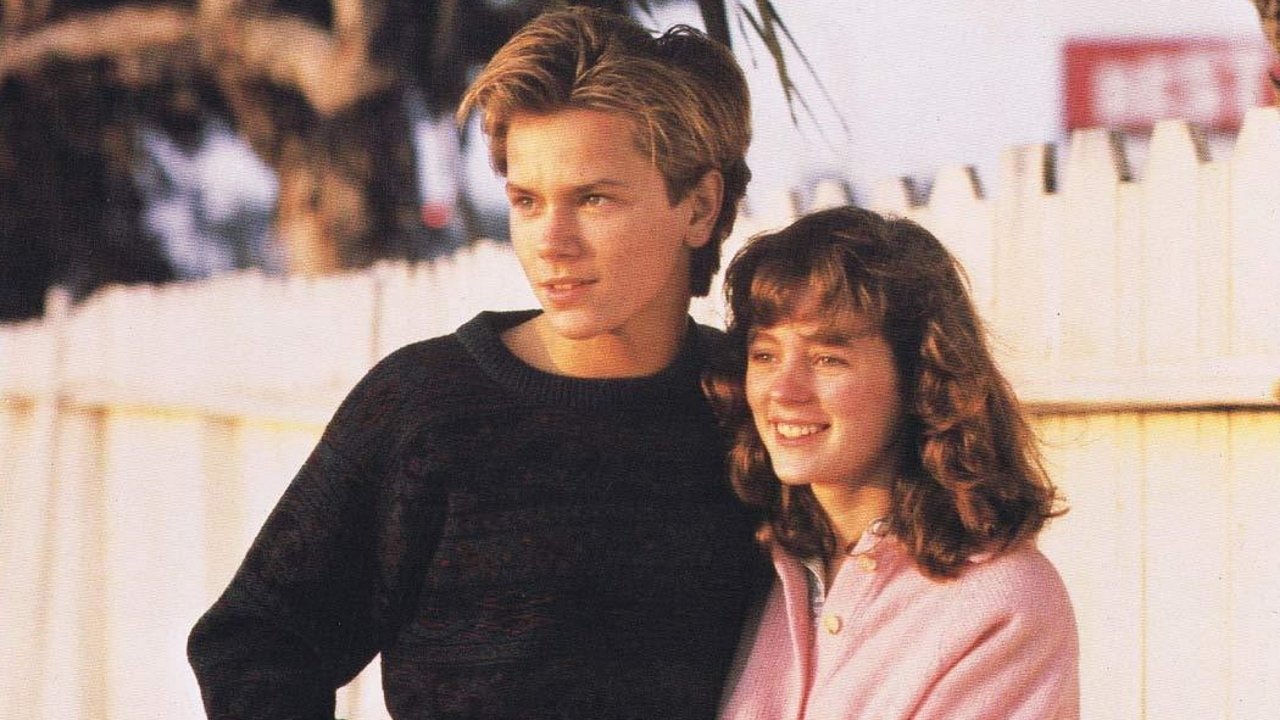
Released just a year before the Berlin Wall fell, Little Nikita captures a specific moment of Cold War anxiety, shifting the battleground from shadowy European alleys to manicured American lawns. It asks a potent question: what happens when the enemy isn't just "over there," but potentially sleeping down the hall? The film, shot largely on location, uses the bright, almost mundane backdrop of San Diego to amplify this contrast – the ordinary masking the extraordinary threat.
### The Power of Presence: Poitier and Phoenix
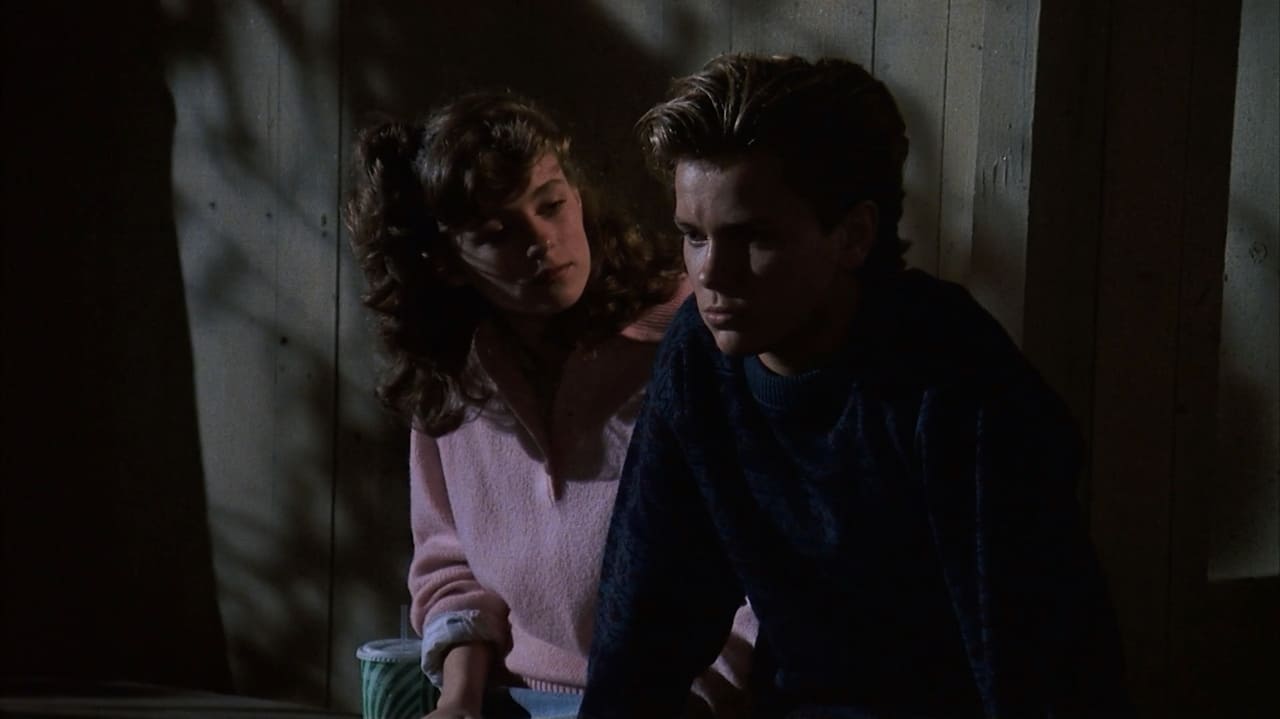
The film truly ignites in the scenes between Poitier and Phoenix. For Sidney Poitier, this marked a significant return to acting after focusing on directing throughout the late 70s and early 80s. He hadn't starred in a film since 1977's A Piece of the Action. Reportedly, the strength of the script, co-written by two-time Oscar winner Bo Goldman (One Flew Over the Cuckoo's Nest, Melvin and Howard), was a major factor in coaxing him back. And what a return it is. Poitier embodies Roy Parmenter with immense gravitas and a quiet, watchful intelligence. There’s weariness in his eyes, but also a deep well of empathy that makes his growing connection with Jeff utterly believable. He doesn't need grand pronouncements; a subtle shift in expression, a moment of quiet consideration – it’s all there. It’s the kind of performance that reminds you why he remains an icon.
Opposite him, River Phoenix is simply electric. Coming off acclaimed roles in Stand by Me (1986) and The Mosquito Coast (1986), he brings that unique blend of raw vulnerability and burning intensity to Jeff. Watching him grapple with the earth-shattering revelation about his parents, the confusion, betrayal, and anger warring within him, is genuinely affecting. Phoenix had an uncanny ability to convey deep, complex emotions with startling authenticity. The scenes where Jeff confronts his parents, or tests the boundaries with Roy, crackle with genuine feeling. It’s a performance that hinted at the incredible range we tragically wouldn’t see fully realized.
### An Uneasy Blend of Tones
Helmed by Richard Benjamin, a director perhaps better known for comedies like My Favorite Year (1982) or later, Mermaids (1990), Little Nikita sometimes struggles to balance its disparate elements. It's part spy thriller, part coming-of-age drama, part family melodrama. While the core relationship between Roy and Jeff is compelling, the espionage plot occasionally feels a touch underdeveloped or reliant on familiar tropes – the rogue agent, the ticking clock. Benjamin handles the character moments with sensitivity, particularly those involving Phoenix, but the thriller mechanics sometimes lack the sharp edge or suspense found in contemporaries like No Way Out (1987).
The supporting cast, including a reliable early turn from Richard Jenkins as Roy's FBI partner, does solid work. Richard Bradford and Caroline Kava effectively portray the impossible conflict of Jeff’s parents – their love for their son warring with decades of ingrained loyalty and fear. Yet, the film undeniably belongs to its two leads. Their chemistry elevates the material, papering over some of the script's less convincing moments or tonal shifts.
### Retro Fun Facts & Lasting Echoes
Thinking back to renting this one, maybe picking it up based on the cover art featuring Poitier and Phoenix, it felt different from the usual action fare crowding the shelves. It was quieter, more thoughtful. Despite the star power and the pedigree of writer Bo Goldman, Little Nikita wasn't a major box office success, pulling in just $1.7 million domestically against its estimated $15 million budget. Perhaps its hybrid nature made it difficult to market effectively in an era leaning towards more clear-cut genre films.
It’s interesting to note that the film's central idea – sleeper agents embedded in American life – would gain renewed cultural currency years later with shows like The Americans. Little Nikita, viewed now, feels like a precursor, exploring that unsettling concept through a distinctly late-80s, character-focused lens. It might not be the most polished thriller of its time, but its emotional core, powered by two magnetic performances, remains surprisingly resonant.
***
Rating: 7/10
Justification: Little Nikita earns a solid 7 primarily on the strength of the compelling central performances by Sidney Poitier and River Phoenix. Their dynamic anchors the film and provides genuine emotional weight. The premise is intriguing, capturing a specific late-Cold War mood, and the film explores themes of identity and loyalty effectively. However, it's held back slightly by an occasionally uneven tone and thriller elements that don't always fully ignite, likely reflecting director Richard Benjamin's less frequent work in the genre. It’s a worthwhile watch, especially for fans of the leads, but falls just short of being a true classic of the era.
Final Thought: More than just a spy story, Little Nikita is a poignant snapshot of two actors at vastly different, yet equally compelling, points in their careers, navigating a world where the lines between family, identity, and duty blur under the long shadow of the Cold War. It’s a film that stays with you, quietly asking what truly defines us.