The air in Port Alicia hangs heavy, not just with the perpetual damp of coastal Alaska, but with the weight of unspoken histories. That feeling, the sense of lives paused between a regretted past and an uncertain future, permeates every frame of John Sayles' 1999 drama, Limbo. It’s a title that resonates long before the characters find themselves physically adrift, capturing the emotional stasis of its central figures, souls waiting for a tide to turn, unsure if it ever will. Watching it again now, years after first pulling that tape from its sleeve, the film’s quiet power feels undiminished, perhaps even amplified by time.
Portraits in Waiting
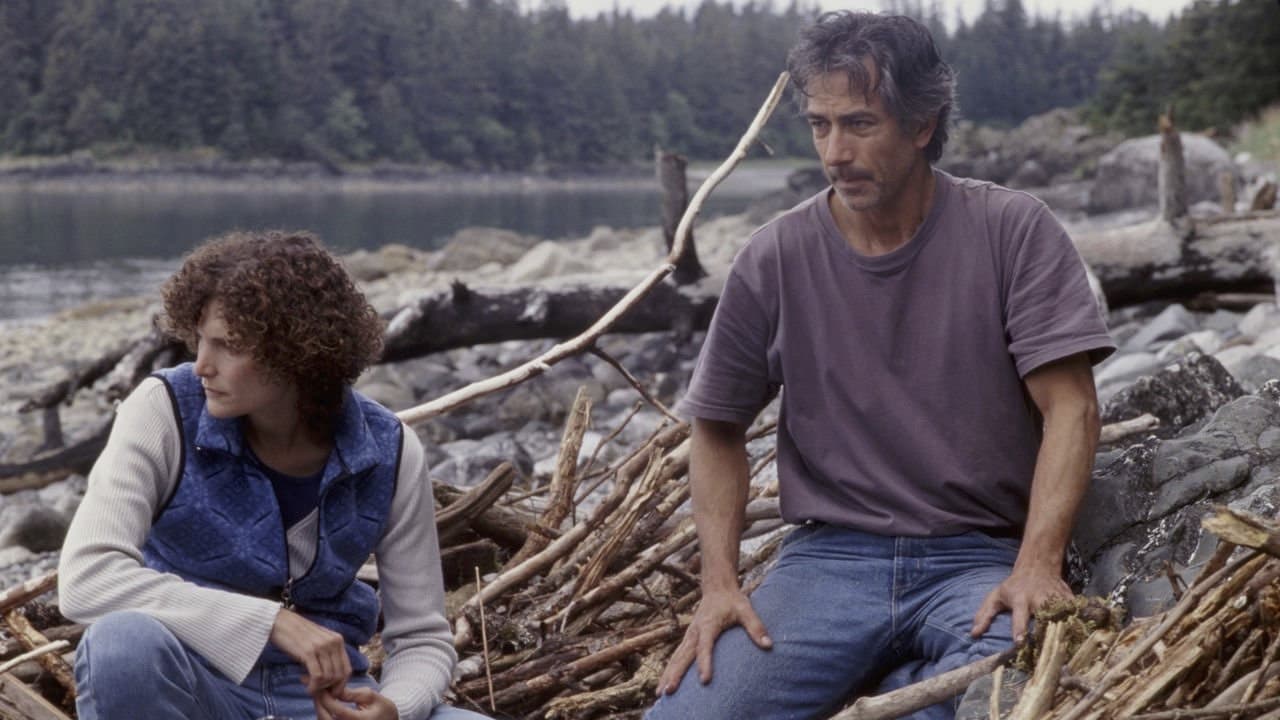
At the heart of Limbo are Joe Gastineau (David Strathairn) and Donna De Angelo (Mary Elizabeth Mastrantonio). Joe is a former fisherman, now a handyman, grounded by a maritime tragedy two decades prior that claimed the lives of his partners. Strathairn, a frequent and brilliant collaborator with Sayles (think Matewan or Lone Star), embodies Joe's quiet shame and weary competence with profound authenticity. His silences speak volumes, his gaze holding the vast, unforgiving landscape of his past. Mastrantonio, equally compelling, plays Donna, a lounge singer whose voice carries the blues of too many wrong turns and broken promises. She’s drifted into Port Alicia with her bright but wary teenage daughter, Noelle (Vanessa Martinez), hoping for a fresh start but seemingly destined to repeat old patterns. The chemistry between Strathairn and Mastrantonio is palpable – a slow burn built on shared weariness and the hesitant flicker of second chances. They are characters etched with the realism Sayles is renowned for, complex individuals defined as much by their flaws and regrets as by their resilience.
Where the Land Meets the Water
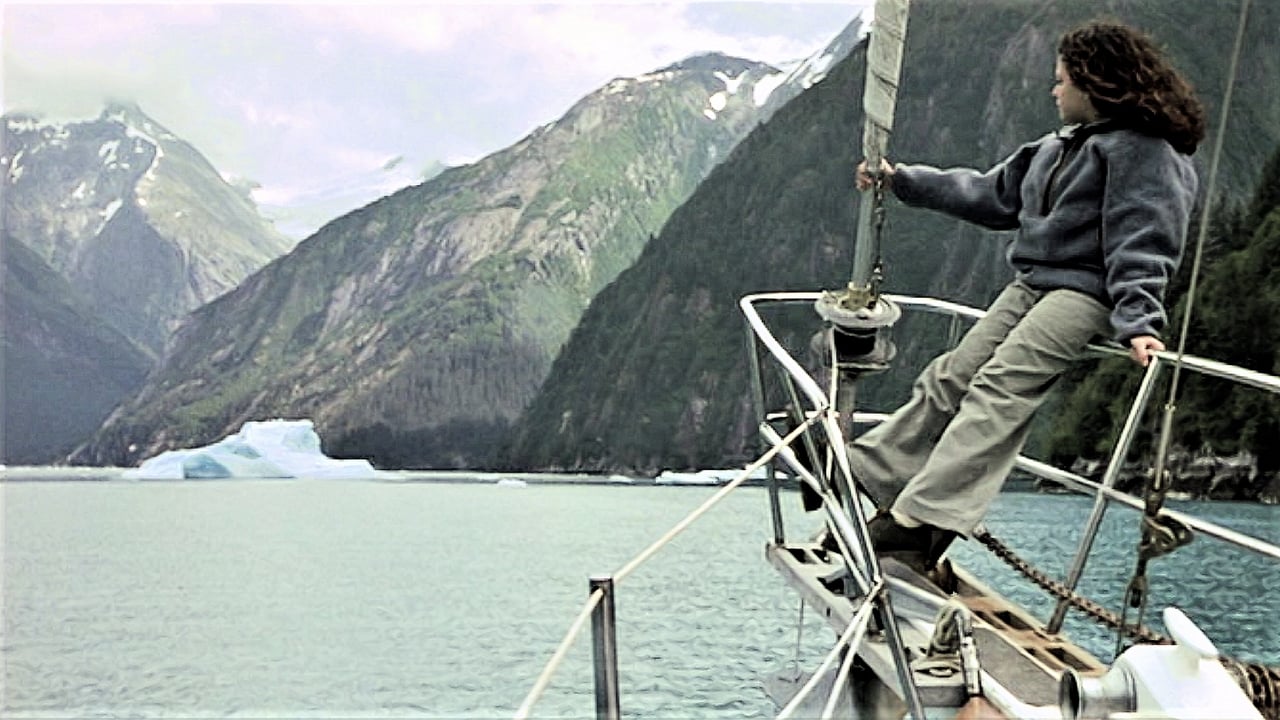
Sayles, who also penned the meticulous script, grounds the narrative firmly in its location. Filmed near Juneau, Alaska, the environment is far more than mere backdrop; it’s an active participant. Legendary cinematographer Haskell Wexler captures both the breathtaking beauty and the inherent menace of the Alaskan wilderness – the endless twilight, the dense forests, the imposing mountains, the unforgiving sea. This setting mirrors the characters' internal states: vast potential for beauty and renewal, shadowed by constant, lurking danger. The town itself, with its transient workers, local tensions, and economic anxieties, feels utterly real, a microcosm of communities clinging to the edge, both geographically and economically. Sayles has always excelled at portraying these lived-in worlds, and Port Alicia is no exception.
Into the Wilderness
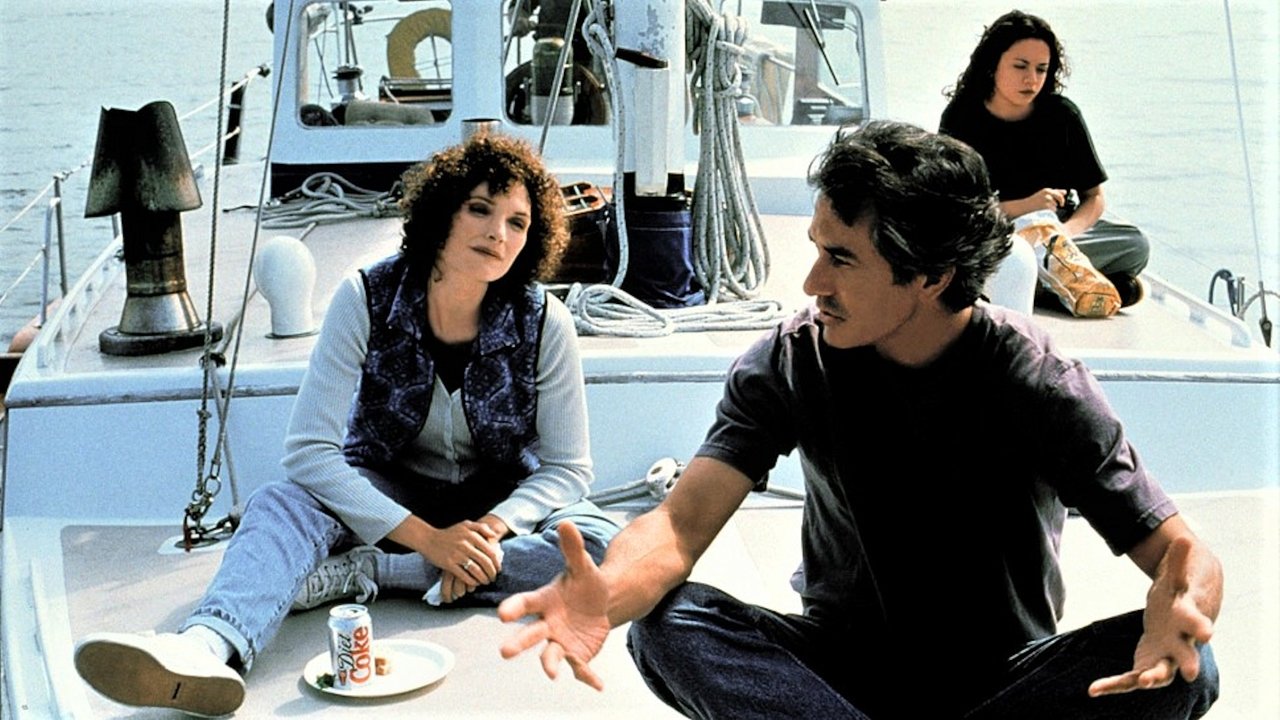
The plot takes a sharp turn when Donna's charming but deeply untrustworthy brother-in-law, "Smilin' Jack" Johannson (a brief but impactful appearance by Kris Kristofferson), draws Joe and Donna into his shady dealings. Without delving into spoilers, circumstances force Joe, Donna, and Noelle to flee aboard Joe's boat, seeking refuge in the remote, uninhabited islands dotting the coastline. It's here the film shifts into a survival narrative, but Sayles subverts expectations. The focus remains squarely on the characters: their resourcefulness, their fears, the shifting dynamics between them as the veneer of civilization peels away. How do people burdened by past traumas navigate present peril? What emerges when the routines and distractions of life are stripped away, leaving only basic needs and raw emotion? It's a testament to the writing and performances that this section feels less like a genre exercise and more like a natural, harrowing extension of their internal journeys. You genuinely feel the cold, the hunger, the gnawing uncertainty.

Sayles' Unflinching Gaze
This isn't a film that offers easy answers or neat resolutions. John Sayles has always been an fiercely independent filmmaker, operating outside the Hollywood mainstream, and Limbo reflects that sensibility. It was developed with his typical meticulousness and likely made for a budget around $10 million – modest by studio standards, allowing him creative control. It even competed for the top prize at the Cannes Film Festival in 1999, signaling its artistic ambition. The film takes its time, allowing moments to breathe, focusing on character interactions over explosive action. Its deliberate pace mirrors the slow rhythm of life in Port Alicia and the agonizing crawl of time for those lost in the wilderness.
The Ending That Lingers
And then there's the ending. (Consider this a gentle heads-up if you prefer absolute surprise, though discussing it is almost unavoidable with Limbo). The final scene is famously, perhaps infamously, ambiguous. Does salvation arrive, or something else entirely? Sayles deliberately leaves it open, a choice that frustrated some viewers back in the day (and likely still does) but feels entirely consistent with the film's themes. Limbo is about living in uncertainty, about the past constantly shadowing the present, about the future always remaining just out of sight. A tidy conclusion would have felt dishonest, a betrayal of the characters' precarious existence. Instead, it leaves you contemplating possibilities, holding your breath alongside the characters, forced to decide for yourself what you believe happens next. What lingers most, perhaps, is the profound question of whether escaping one kind of limbo simply leads to another.
***
VHS Heaven Rating: 8/10
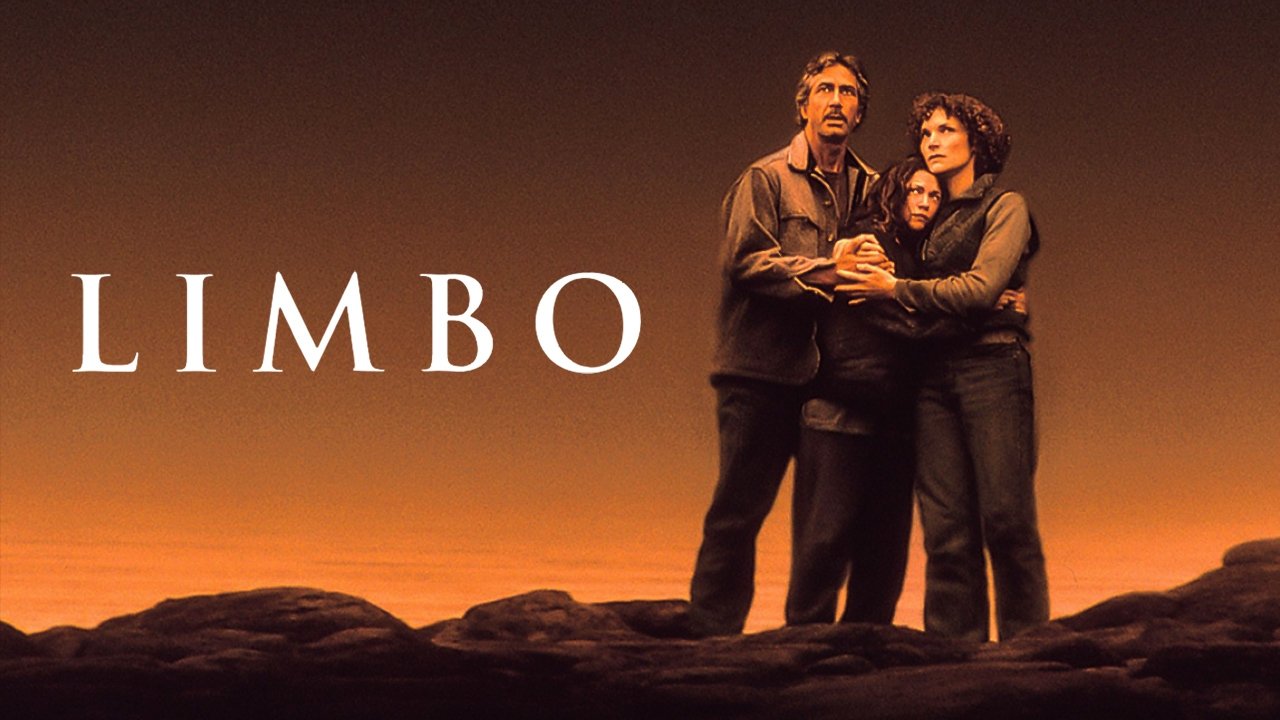
Limbo earns its 8/10 rating through its exceptional performances, particularly from Strathairn and Mastrantonio, its palpable sense of place captured brilliantly by Wexler, and Sayles' intelligent, character-driven script. It's a mature, thoughtful drama that eschews easy sentimentality for stark realism and thematic depth. The deliberate pacing and famously ambiguous ending might not satisfy everyone, especially those seeking clear-cut genre thrills, but they are integral to the film's power and artistic integrity. It requires patience, but the reward is a haunting and deeply human story.
It’s a film that truly stays with you, a stark reminder from the cusp of the new millennium that sometimes the most terrifying wilderness isn't the one outside, but the one within. Did you ever stumble across this one late at night at the rental store, expecting something different, only to be drawn into its quiet intensity?