Okay, let's dim the lights, maybe pop some corn, and settle in. Remember those afternoons spent browsing the aisles of the local video store? Sometimes, nestled between the blockbuster hits, you'd find these intriguing covers, often featuring faces you sort of recognized, hinting at a story that felt both familiar and slightly dangerous. That's exactly the vibe The Brotherhood of Justice (1986) gives off, a film that landed not on the big screen, but directly into our living rooms via ABC, eventually becoming a staple on those well-worn rental shelves. And looking back, it carries more weight than just nostalgia; it holds a surprisingly raw nerve.
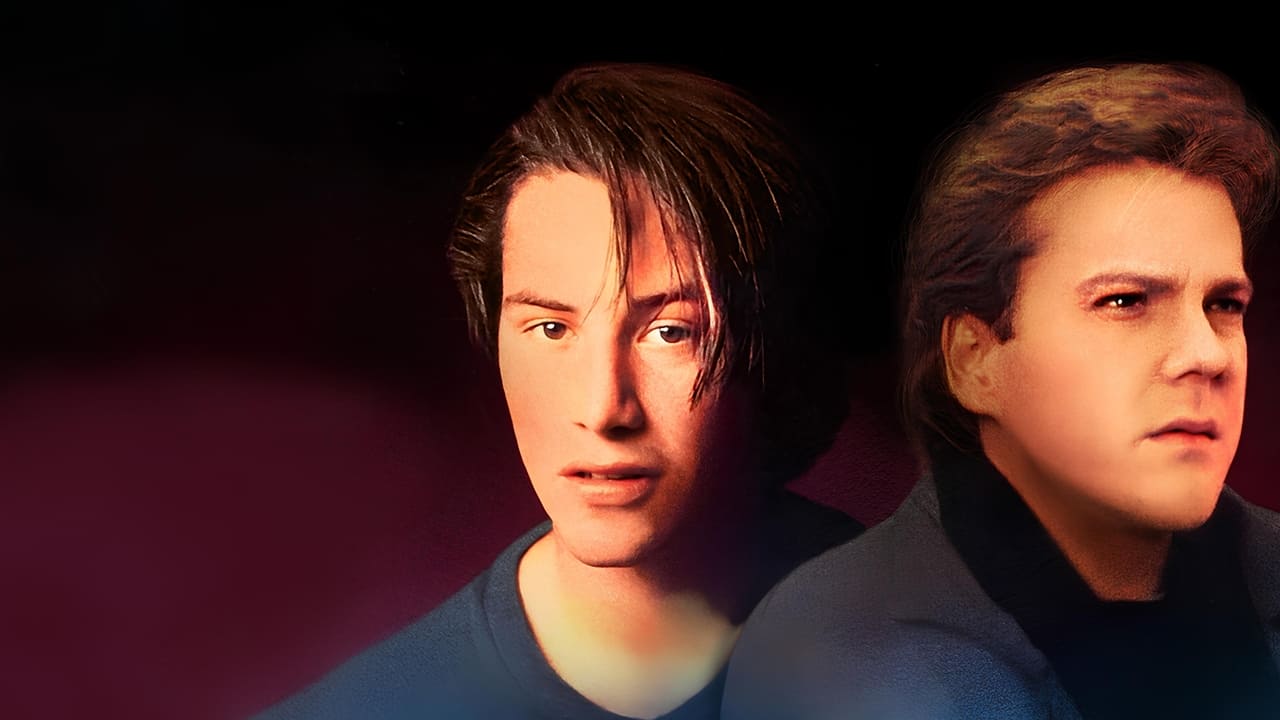
What strikes you first, watching it now, is seeing Keanu Reeves and Kiefer Sutherland shoulder-to-shoulder, years before their respective ascents to superstardom. There’s an undeniable spark there, a glimpse of the intensity both would later command. Here, they are leaders of the titular "Brotherhood," a group of privileged high school students fed up with the vandalism, drug use, and general apathy running rampant through their seemingly idyllic suburban school. Their initial impulse feels almost noble, doesn't it? A desire to restore order, to protect their own.
From Vigilantes to Villains
The setup, penned by Noah Jubelirer and Walter Halsey Davis, is classic teenage drama territory, but with a darker undercurrent. Led by Reeves’ charismatic Derek and fueled by the more volatile energy of Sutherland’s Victor, the Brotherhood starts by patrolling school grounds, deterring troublemakers. It’s easy, initially, to get swept up in their righteous cause. Director Charles Braverman, known more perhaps for his documentary work, captures that sense of youthful certainty, the belief that they know what's right and have the power to enforce it.
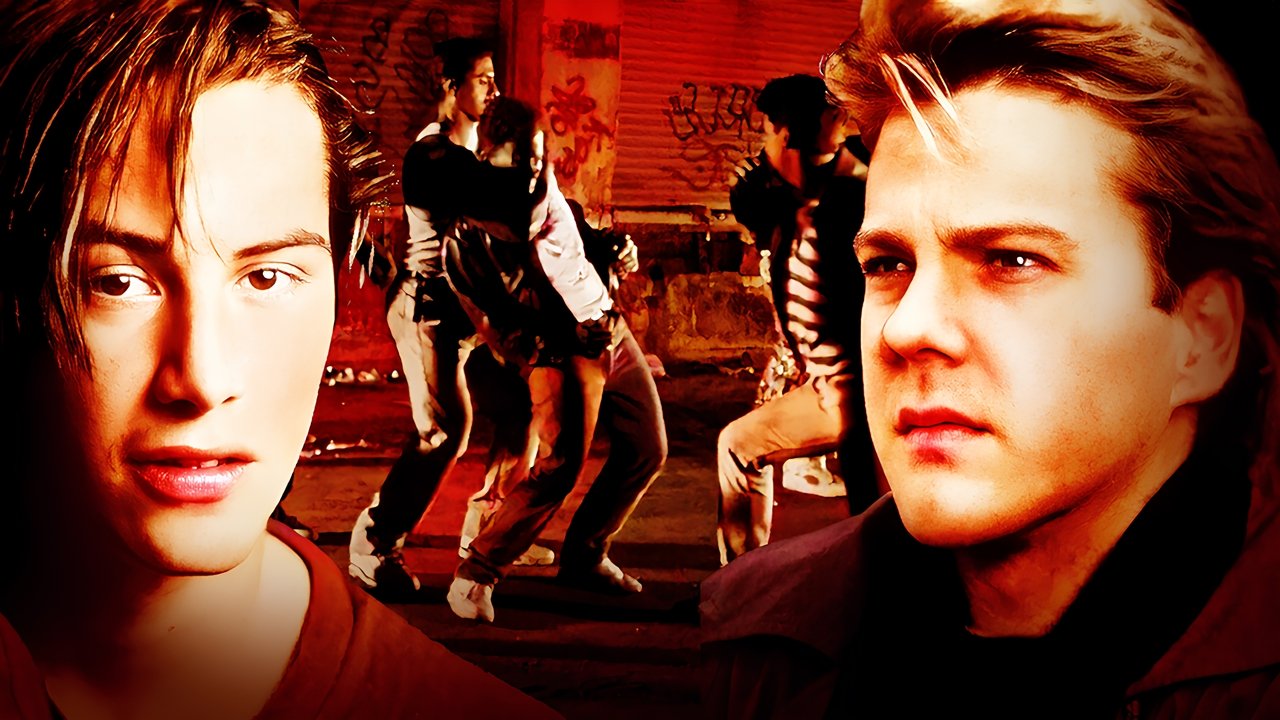
But isn't that often where the trouble begins? The film doesn't shy away from depicting the inevitable slide. What starts as citizen's arrest quickly escalates. Threats turn into violence. Targets shift from actual criminals to anyone deemed "undesirable" or simply defiant of the Brotherhood's self-appointed authority. The cheap masks they don become less a symbol of unity and more a shield for anonymity, enabling acts they might never commit otherwise. It forces you to ask: where is that line between protecting a community and terrorizing it?
Seeds of Stardom, Shadows of Truth
Watching Reeves here is fascinating. You see flashes of the quiet intensity he’d later perfect, but also a vulnerability as Derek grapples with the monster he's helped create. He’s the moral center, albeit a flawed one, increasingly disturbed by the group’s methods. Sutherland, conversely, crackles with a dangerous energy as Victor, embodying the seductive power of unchecked authority. He’s captivatingly intense, hinting at the complex anti-heroes he would later portray. Their dynamic forms the core conflict, a push-and-pull between idealism and extremism. And let's not forget Lori Loughlin as Christie, caught in the middle, representing a sort of normalcy threatened by the escalating chaos. The cast is rounded out by other familiar faces in early roles, like Billy Zane and Don Michael Paul, making it a time capsule of burgeoning talent.
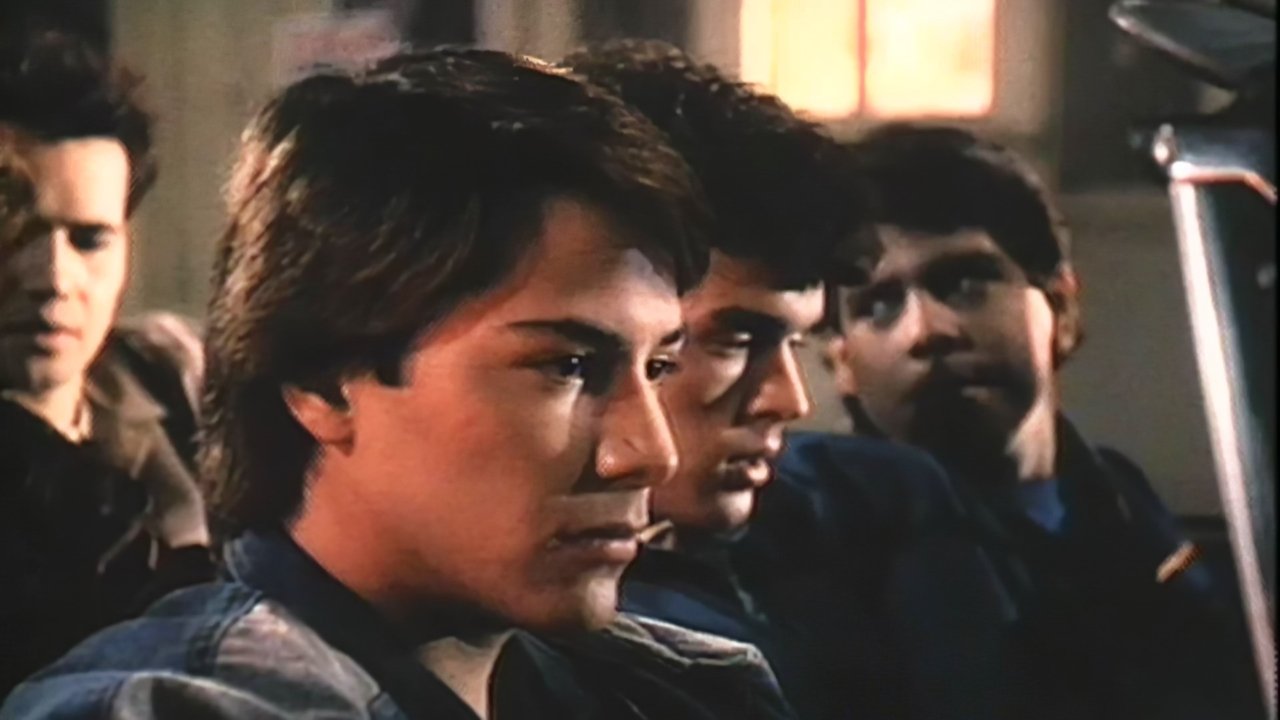
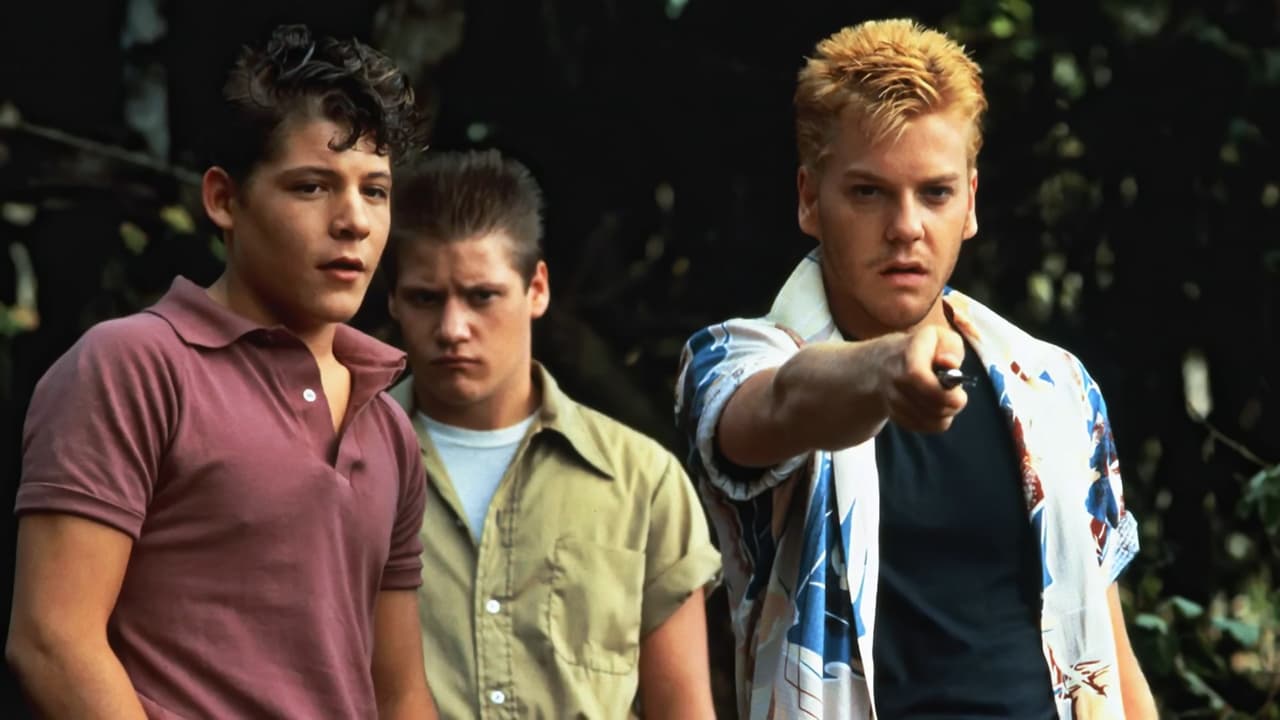
What adds a particularly chilling layer is knowing the film was inspired by the real-life activities of a similar student vigilante group at a Texas high school in the mid-80s. This wasn't pure fiction; it tapped into anxieties about youth violence and the breakdown of authority that felt very present at the time. Knowing this transforms the viewing experience – it’s not just a cautionary tale, but a reflection, however dramatized, of something unsettlingly real. Filmed primarily at Aptos High School in Santa Cruz County, California, the setting feels authentic, that blend of sun-drenched teenage life masking deeper tensions.
The Look and Feel of '86 TV
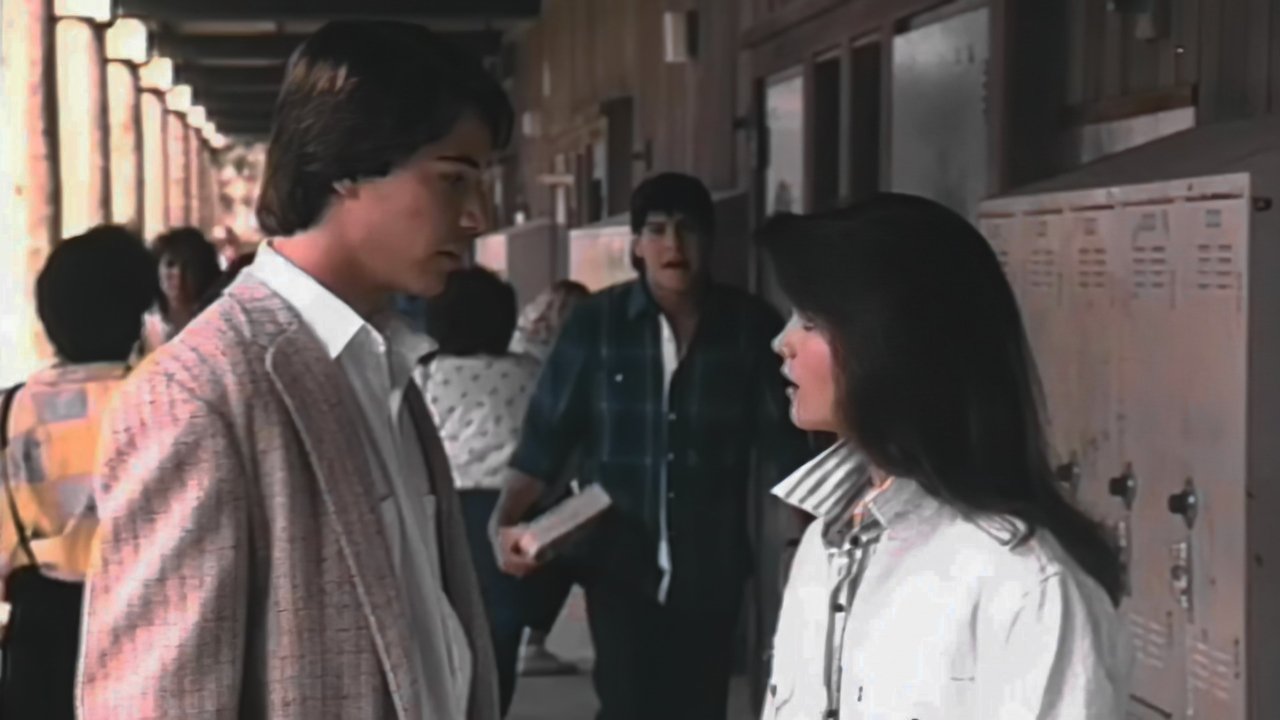
Make no mistake, this has the distinct look and feel of a mid-80s TV movie. The production values aren't extravagant, the pacing can sometimes feel a bit earnest, and the messaging, while potent, isn't always subtle. Yet, these qualities don't necessarily detract; they place it firmly in its era, reminding us of a time when television tackled serious social issues head-on, even if sometimes with a slightly heavy hand. There's an honesty to its approach, a lack of cynicism that feels refreshing compared to more modern, slicker productions. The score, the fashion, the very grain of the image – it all pulls you back. Remember that specific quality of picture on a CRT, the way these dramas felt immediate and important?
The film doesn't offer easy answers. It presents the allure of taking control, the intoxicating rush of power within a peer group, and the terrifying speed at which good intentions can curdle into something ugly. It explores mob mentality and the pressure to conform, even when your conscience screams otherwise. How many of us, in our youth, felt the pull of belonging, sometimes at the expense of our better judgment?
Rating & Final Reflection
The Brotherhood of Justice is a fascinating snapshot of its time, elevated by the compelling early performances of its leads and a genuinely disturbing premise rooted in reality. It’s more than just a curiosity for Reeves or Sutherland completists; it’s a potent, if imperfect, exploration of vigilantism and the dark side of youthful idealism. While its TV movie origins are apparent, its themes resonate with unsettling clarity.
Rating: 7/10
Justification: The score reflects the strong central performances, particularly the early glimpses of star power from Reeves and Sutherland, and the film's genuinely thought-provoking, fact-inspired premise. It effectively captures the unsettling slide from righteousness to tyranny. While held back slightly by its TV movie budget and occasional lack of subtlety, its thematic weight and nostalgic value make it a compelling watch from the era.
It leaves you pondering that fragile line between order and oppression, a question just as relevant today as it was when this tape first hit the rental shelves. What happens when the protectors become the problem?