"No beast is more savage than man when possessed with the knowledge that he is mortal." That chilling line, spat out with caged-animal fury by Jon Voight's Manny Manheim, echoes long after the credits roll on Runaway Train. This isn't just an action film; it's a primal scream hurtling through the frozen wastes of Alaska, a brutal, existential nightmare disguised as a 1985 thriller. Watching it back then, likely on a slightly grainy VHS rented from the corner store, felt less like entertainment and more like bearing witness to something raw and untamed. The chill wasn't just from the blizzard outside the speeding locomotive; it was the frost creeping into your soul.
Escape Velocity
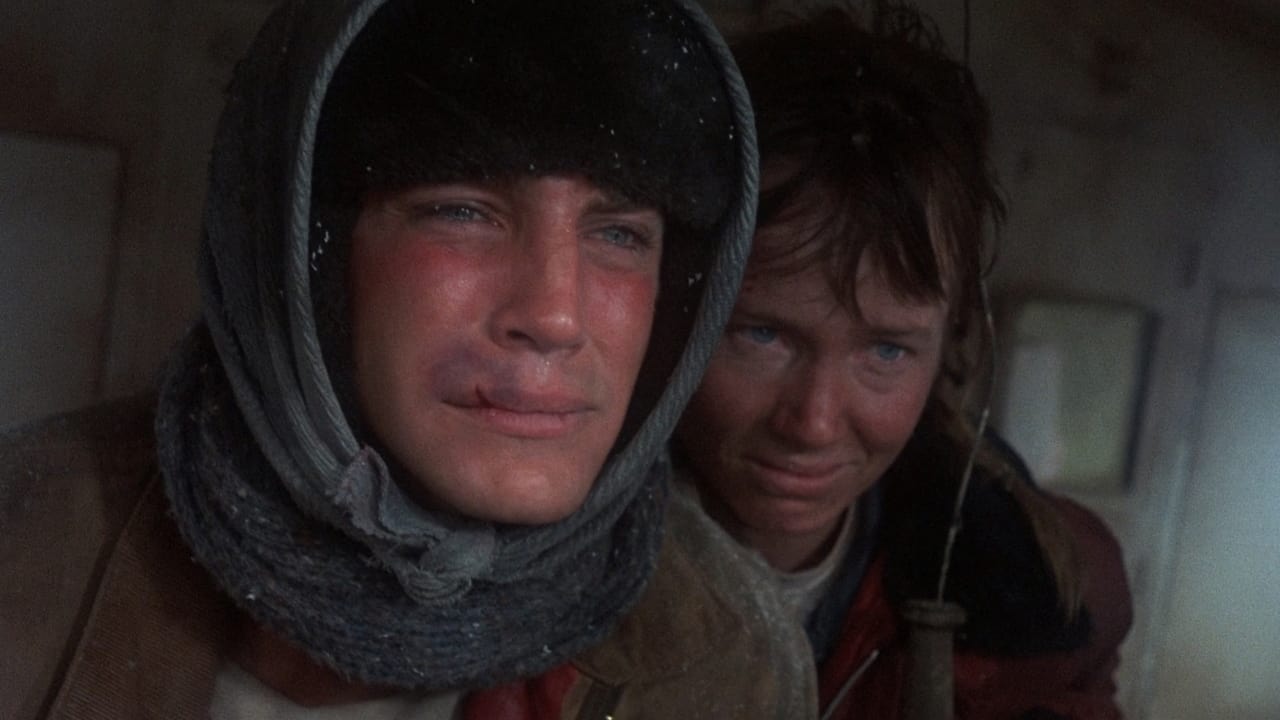
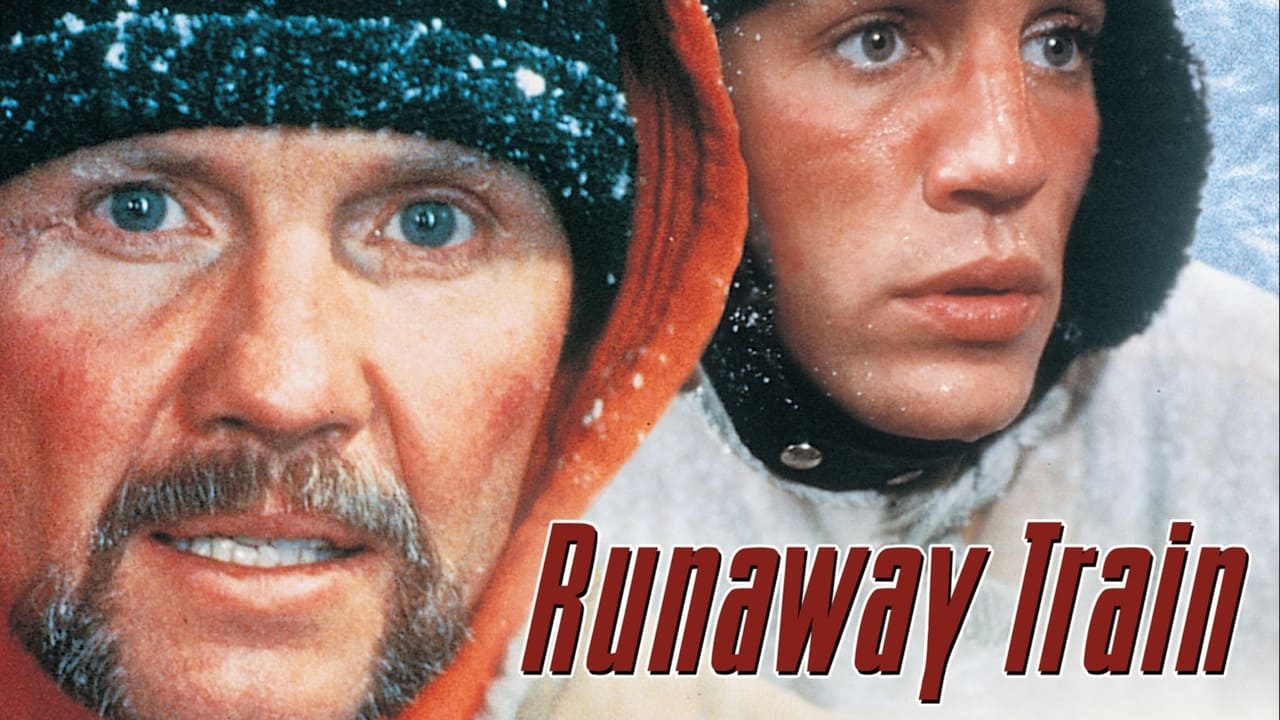
The setup is pure, distilled desperation. Manny, a hardened bank robber deemed too dangerous even for the maximum-security Stonehaven Penitentiary, finally busts out after years in solitary – a punishment inflicted by the vindictive Warden Ranken (John P. Ryan, embodying pure institutional cruelty). Dragging along the younger, dangerously impulsive Buck (Eric Roberts, crackling with a nervous energy that earned him an Oscar nomination alongside Voight), their escape leads them onto what they think is a safe passage: a set of coupled locomotives barreling through the desolate Alaskan landscape. They couldn't be more wrong. The engineer suffers a fatal heart attack moments after engaging the throttle, leaving Manny, Buck, and eventually a terrified railroad worker, Sara (Rebecca De Mornay, bringing a necessary human counterpoint to the male savagery), trapped aboard a metal beast with no brakes and no one at the controls.
The Kurosawa Ghost Train
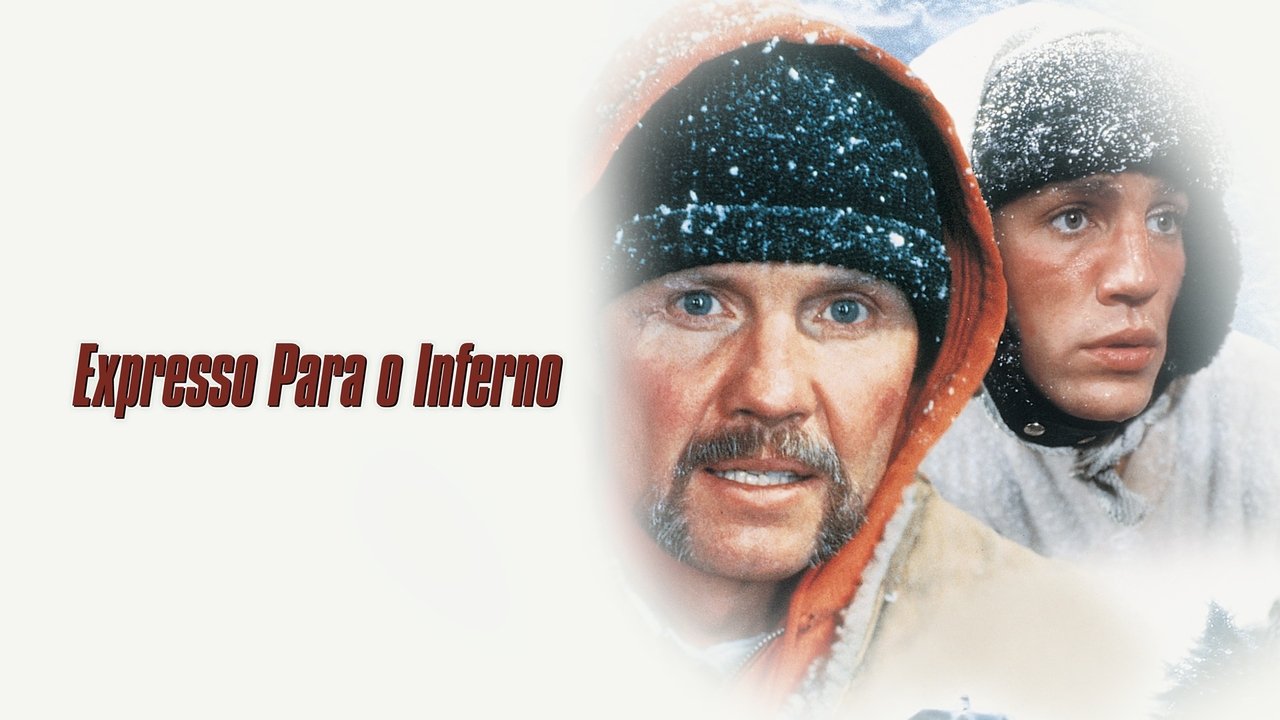
What elevates Runaway Train beyond a standard disaster flick is its surprisingly philosophical core and its fascinating pedigree. Few realize this thunderous piece of American action cinema began life decades earlier as a script by the legendary Japanese filmmaker Akira Kurosawa. Though Kurosawa originally intended to direct it himself in the 1960s with American backing (imagine that film!), the project languished until Russian director Andrei Konchalovsky (who would later give us the very different Tango & Cash) took the helm. Konchalovsky, along with screenwriters including ex-convict Edward Bunker (Reservoir Dogs' Mr. Blue), retained Kurosawa's core concept but infused it with a distinctly gritty, Reagan-era American bleakness. You can feel the ghost of Kurosawa in the film's stark compositions and its exploration of humanity pushed to its absolute limit, but the execution is pure, visceral 80s filmmaking.
Forged in Ice and Steel
The film’s power owes much to its brutal authenticity. Konchalovsky insisted on shooting largely on real, moving trains in the harsh Alaskan winter. You feel the biting cold, the shuddering vibration of the steel behemoth, the terrifying reality of the situation. The practical stunt work is genuinely breathtaking, possessing a weight and danger largely absent in today's CGI-heavy spectacles. There are stories of Jon Voight and Eric Roberts performing some precarious stunts themselves, adding another layer of realism to their desperate performances. Voight, in particular, is phenomenal. Sporting prosthetic teeth and a thousand-yard stare honed by years of isolation, he transforms into Manny, a man wrestling not just with the immediate physical threat, but with the very nature of freedom and his own inner beast. Does that chilling final shot still haunt anyone else?
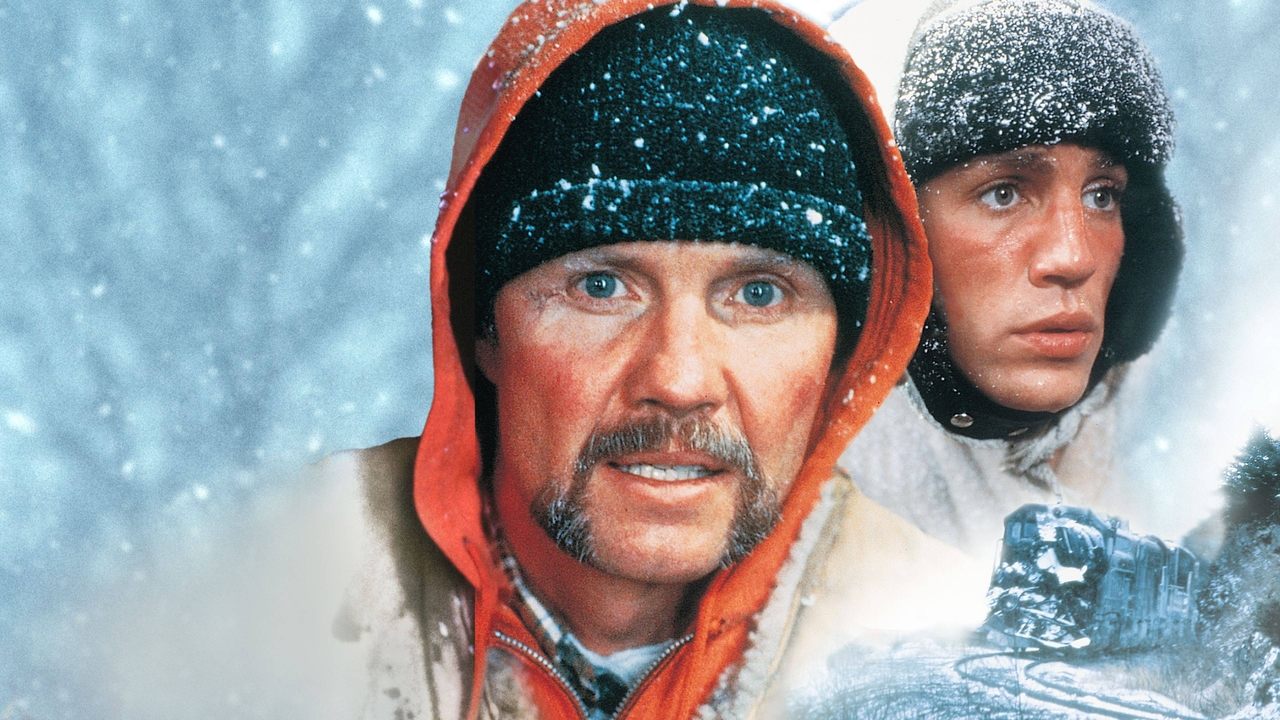
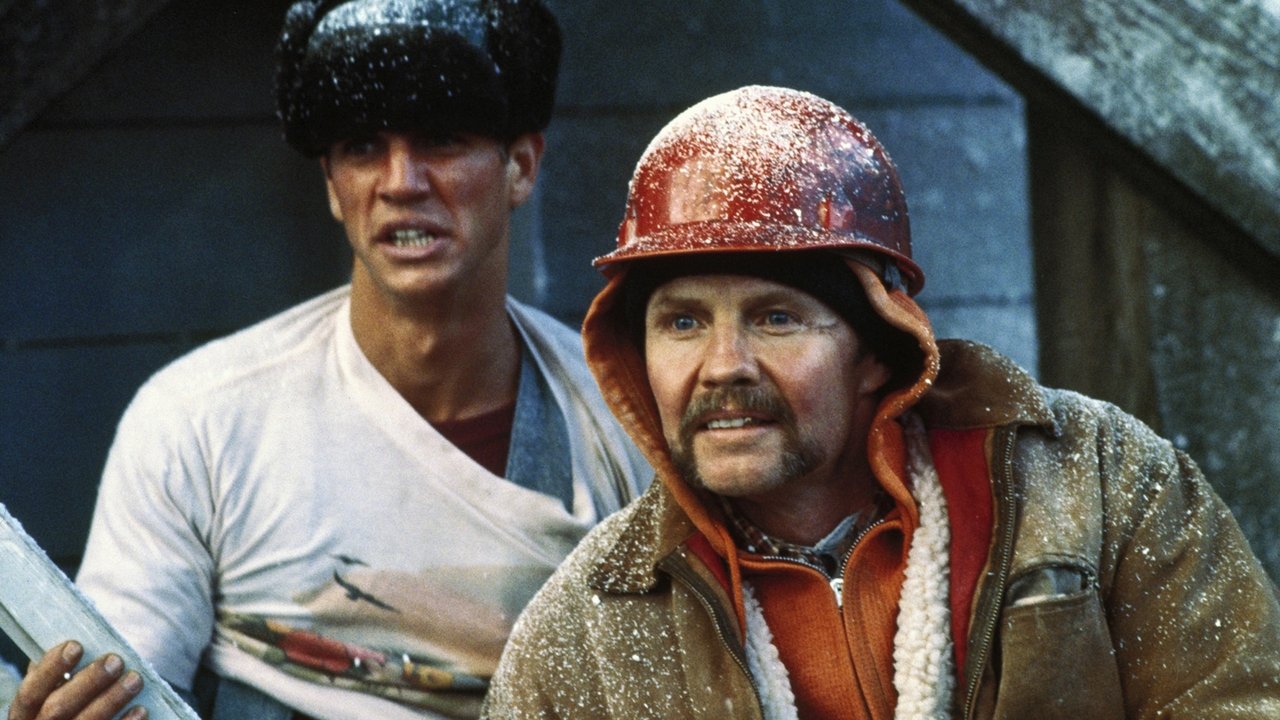
The tension isn't just about the potential crash; it's in the volatile chemistry between Voight's calculating survivor and Roberts's almost feral Buck. Their dialogue crackles with desperation and resentment, a powder keg ready to blow even before the train became their prison. Trevor Jones's score mirrors this perfectly – pulsing, relentless, and often deeply unsettling, it underscores the mechanical dread and the human turmoil raging within the speeding locomotive. Reportedly budgeted around $9 million, the film barely broke even at the box office upon release, perhaps proving too bleak for mainstream tastes expecting simpler thrills. Yet, its reputation has deservedly grown, cementing its status as a cult 80s action classic.
Iron Will, Bleak Destiny
Runaway Train feels like a throwback even for its time – a character-driven thriller prioritizing grit and theme over explosions, though it certainly delivers on visceral impact. It captures that specific feeling of late-night VHS discovery, the kind of film that burrows under your skin with its intensity and its refusal to offer easy answers or a tidy resolution. It’s a movie about momentum – the literal unstoppable force of the train, and the figurative momentum of lives careening towards destruction. The bleakness might be overwhelming for some, but it feels earned, stemming directly from the characters and their impossible situation. It’s a testament to Konchalovsky's muscular direction and the powerhouse performances that it remains such a gripping, unsettling experience.
VHS Heaven Rating: 9/10
This score reflects the film's masterful build-up of tension, its unforgettable lead performances (especially Voight's Oscar-nominated turn), the sheer audacity of its practical execution, and its surprisingly resonant existential themes. It loses a point perhaps only for the sheer, almost unrelenting bleakness which might limit its rewatch appeal for some, and Roberts’ performance occasionally tipping into caricature (though memorably so).
Runaway Train is more than just an action film; it’s a stark, powerful meditation on survival, freedom, and the thin line between man and beast, barreling towards an unforgettable conclusion. It’s a high-water mark for 80s existential action, a truly essential piece of VHS-era grit.