There are some VHS tapes you slide into the VCR expecting comfort food, a familiar genre hit that delivers exactly what the cover promises. And then there are tapes like Pedro Almodóvar's Kika (1993). I distinctly remember the vibrant, almost lurid box art practically buzzing on the shelf at the local video store, hinting at something chaotic, colourful, and utterly untamed. Watching it felt less like settling in for a movie and more like plugging directly into the Spanish maestro's unfiltered id, a whirlwind of high fashion, low morals, and questionable television programming that leaves you breathless, sometimes amused, and often profoundly unsettled.
A Technicolor Tangled Web
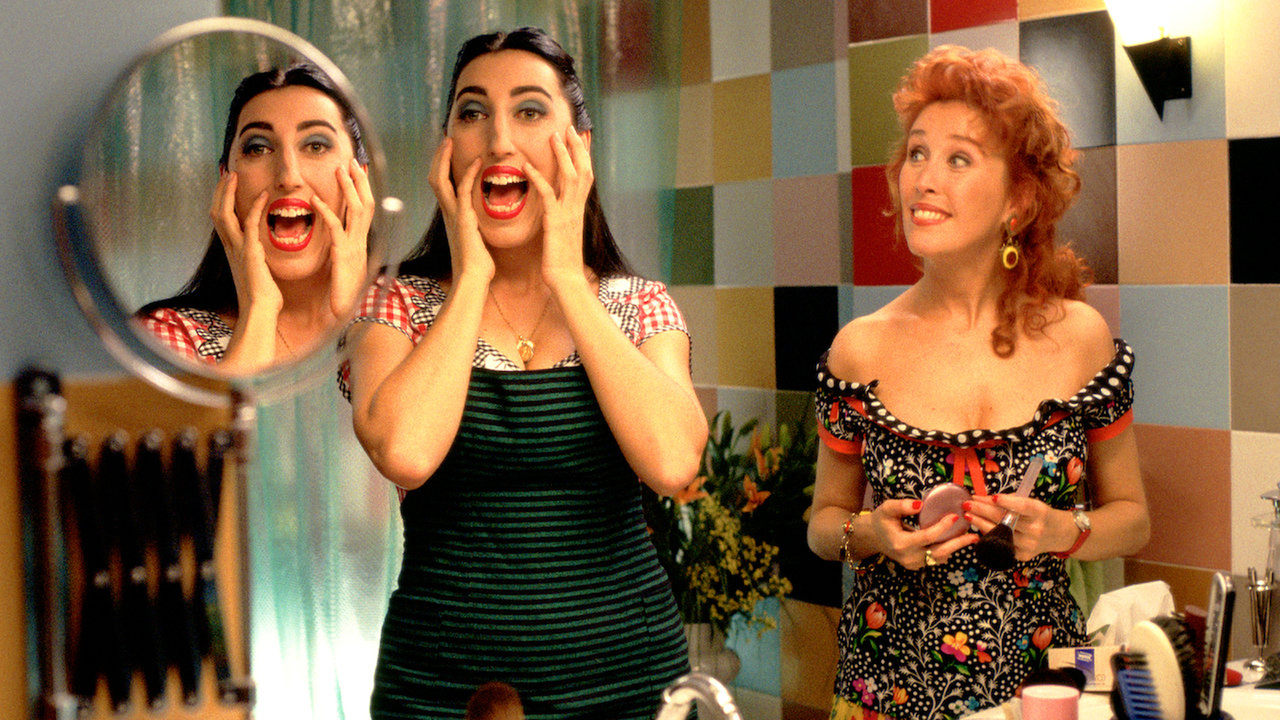
At its heart, Kika follows the titular character, Kika (Verónica Forqué), a relentlessly optimistic makeup artist navigating a truly bizarre Madrid landscape. Her life is a messy intersection of complicated relationships: there's Ramón (Álex Casanovas), her photographer boyfriend obsessed with documenting death; Nicholas (Peter Coyote), Ramón's stepfather, an enigmatic American novelist with secrets simmering beneath his cool exterior; and Juana (Rossy de Palma, an Almodóvar regular instantly recognisable from films like Women on the Verge of a Nervous Breakdown (1988)), Kika's perpetually disgruntled, possibly lesbian housekeeper. If that weren't enough, an escaped convict porn star adds another layer of danger and desire. It’s a setup ripe for melodrama, but Almodóvar pushes it into the realm of hyper-real satire.
Eye Candy and Outrage
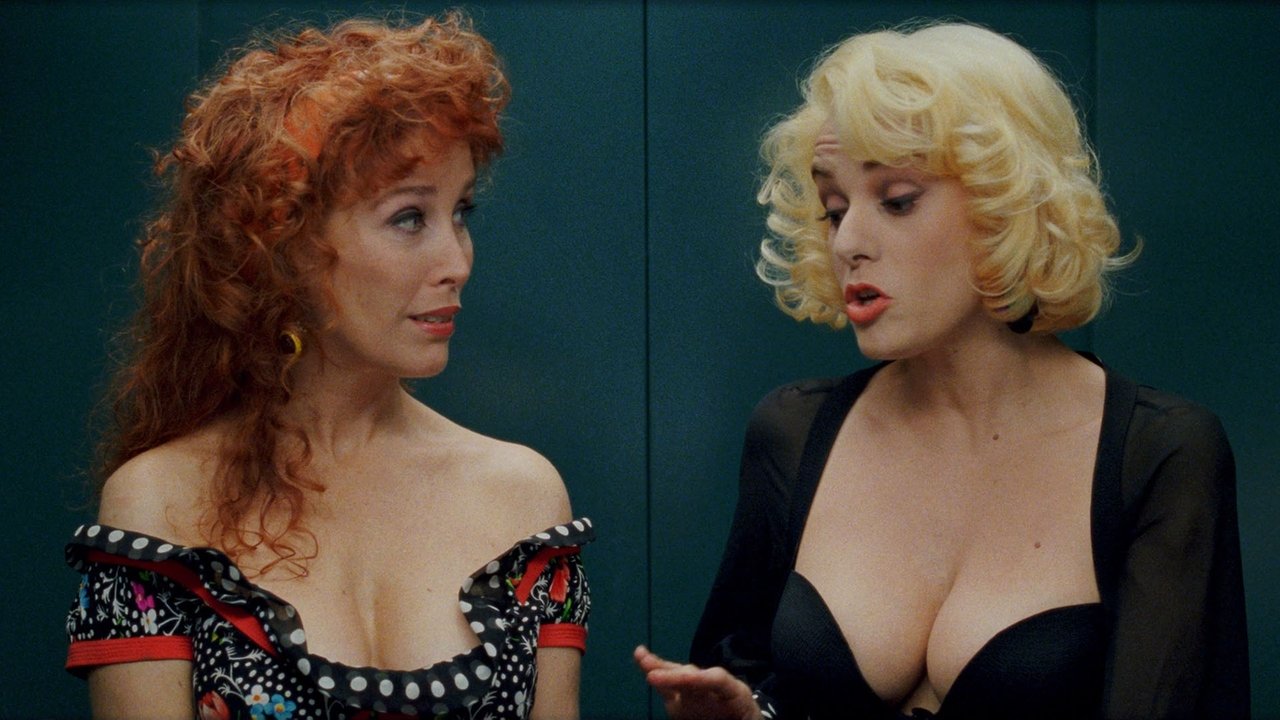
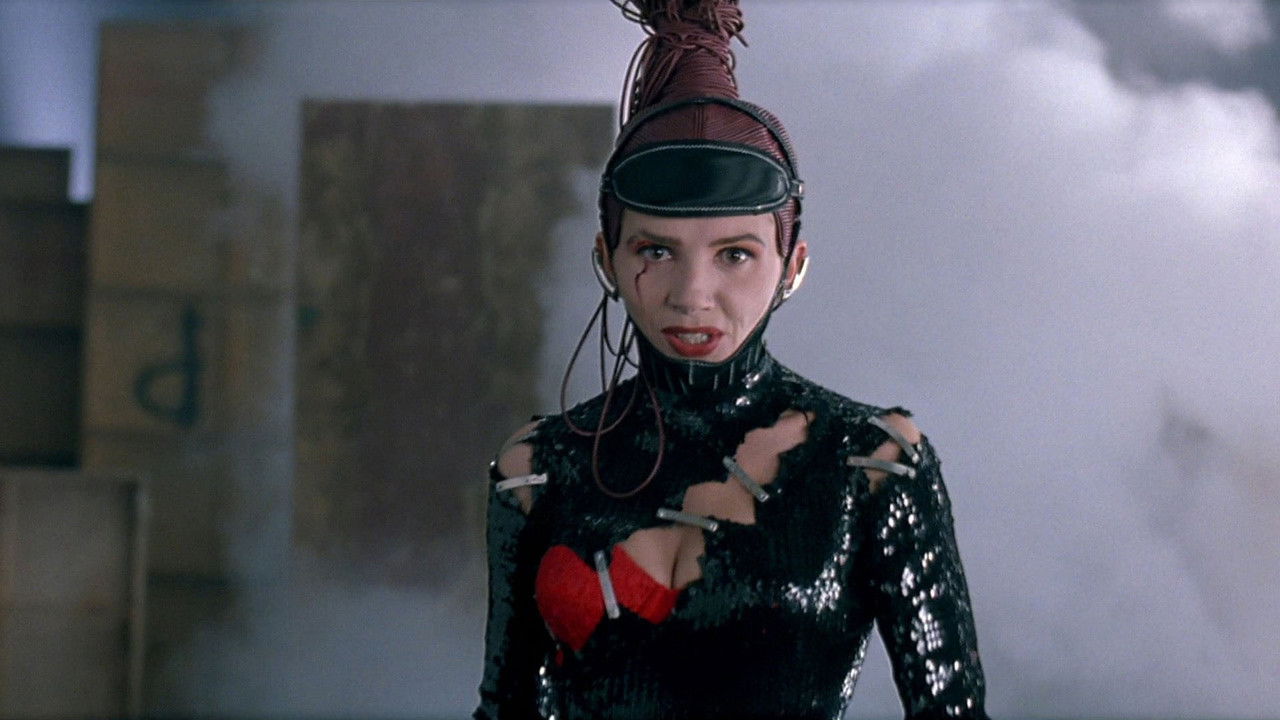
Visually, Kika is an absolute assault on the senses, in the best possible way if you appreciate bold aesthetics. The production design pops with the director's signature vibrant palette – reds, blues, yellows screaming off the screen, even through the charming fuzz of CRT static. And then there are the costumes. Jean Paul Gaultier, the enfant terrible of French fashion, collaborated with Almodóvar here, resulting in some truly unforgettable, and often outrageous, looks. The most iconic, of course, belongs to Andrea Caracortada ("Scarface"), played with manic, predatory glee by Victoria Abril. Her character, the host of a sensationalist reality TV show called "Lo Peor del Día" ("The Worst of the Day"), stalks crime scenes clad in Gaultier creations that are part high-tech surveillance gear, part dominatrix fantasy, complete with a helmet-mounted camera. It wasn't just costume design; it was a statement, perfectly embodying the film's critique of media voyeurism taken to its grotesque extreme. Apparently, Gaultier initially designed even more outlandish concepts, which Almodóvar had to gently tone down to fit the (already stretched) bounds of reality.
The Controversy and the Commentary
You can't really talk about Kika without addressing its most debated element: a prolonged, darkly comedic scene involving Kika and the escaped convict. It’s a moment designed to provoke, blurring the lines between horror and farce in a way that deeply divided audiences and critics upon release. Almodóvar defended it as a satire on how media trivializes and sensationalizes violence, particularly against women, pointing fingers directly at the kind of exploitative television Andrea Caracortada represents. Watching it now, does the satire land effectively, or does it feel like a misstep? It remains a complex question. The film forces us to confront the uncomfortable relationship between entertainment and suffering, a theme that feels disturbingly relevant in our own hyper-documented, reality-TV-saturated age. Doesn't Andrea's relentless pursuit of tragedy for ratings feel eerily familiar?
Performances Under Pressure
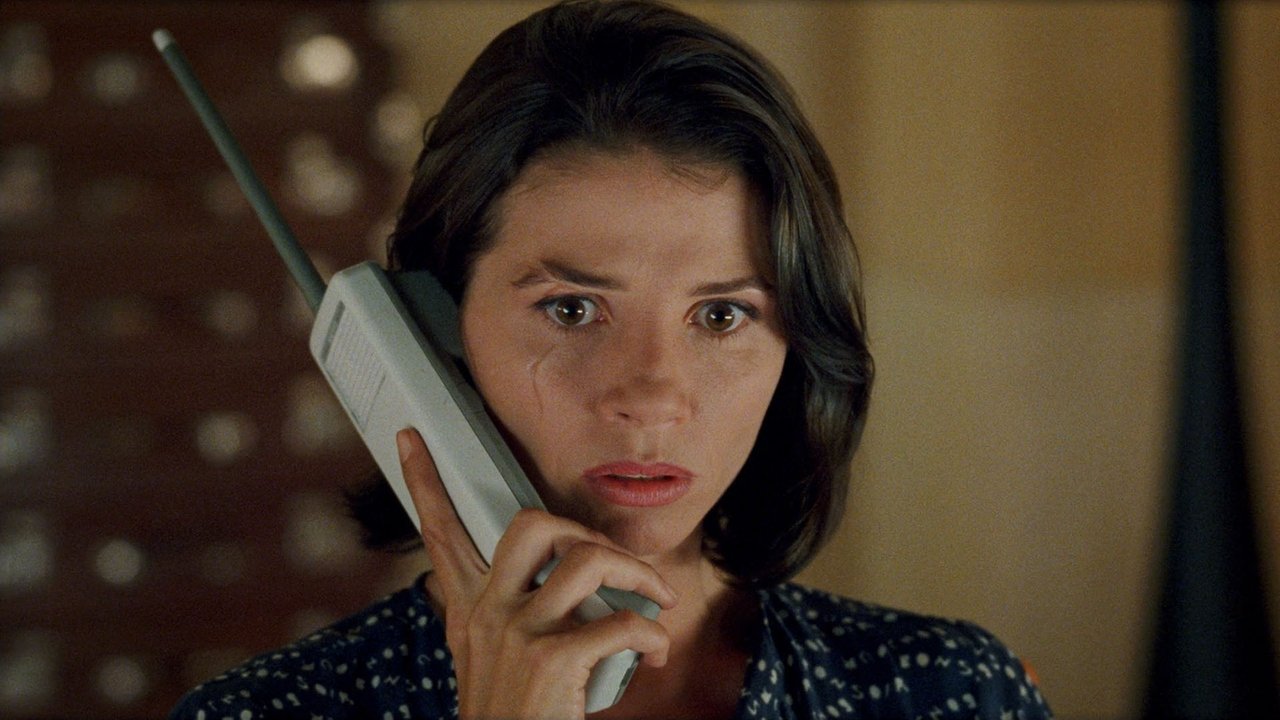
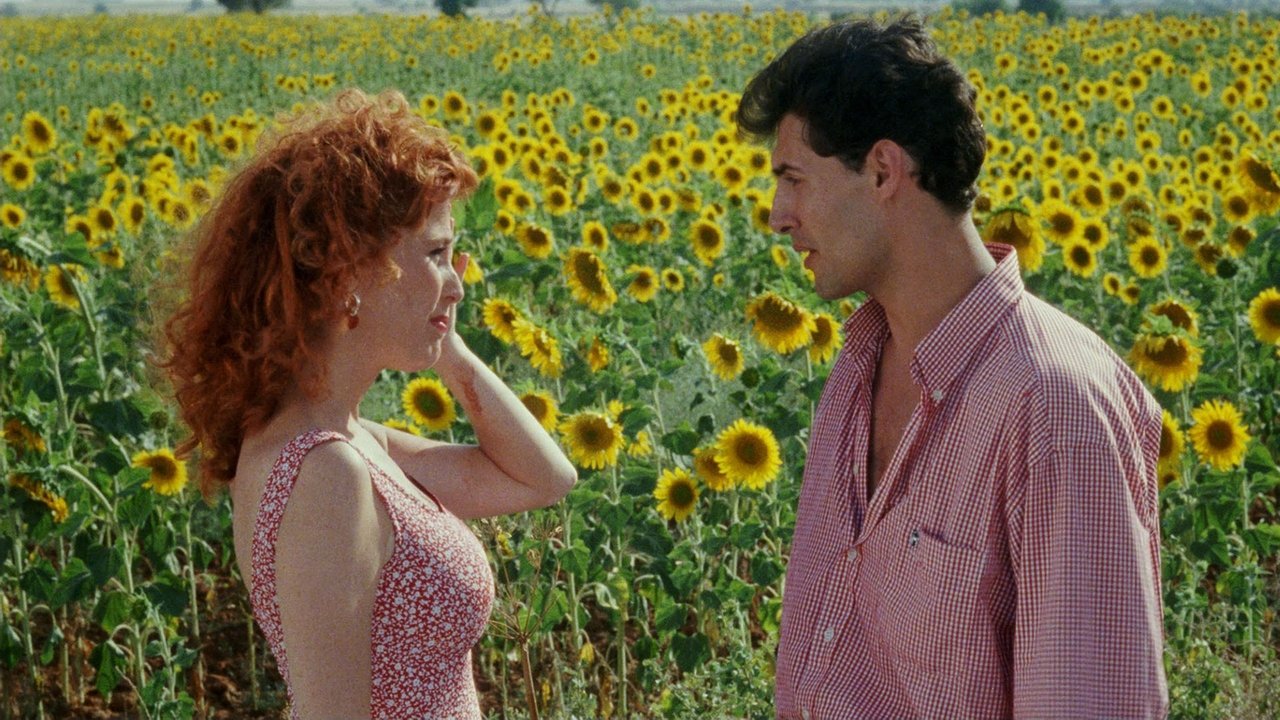
Amidst the visual chaos and thematic turbulence, the performances anchor the film. Verónica Forqué (who won the Goya Award for Best Actress for this role) is wonderful as Kika, her wide-eyed innocence and resilience providing a necessary human core. She makes Kika’s often baffling choices feel rooted in a genuine, if naive, search for connection. Victoria Abril, reuniting with Almodóvar after Tie Me Up! Tie Me Down! (1989) and High Heels (1991), delivers a career-defining performance of monstrous charisma as Andrea. She’s terrifyingly funny and just plain terrifying, a walking embodiment of media vampirism. Peter Coyote, the lone American in the main cast, brings a quiet intensity as Nicholas, suggesting hidden depths and darkness. His casting adds an interesting layer, an outsider observing (and perhaps manipulating) the surrounding Spanish chaos.
A Flawed, Fascinating Time Capsule
Kika wasn't Almodóvar's biggest hit, nor is it typically ranked among his masterpieces like All About My Mother (1999) or Talk to Her (2002). It earned a respectable amount at the Spanish box office but met with a mixed, sometimes hostile, critical reception internationally, particularly in the US. Yet, revisiting it on VHS, or even via a modern format that preserves its eye-popping colour, reveals a film bursting with ideas, energy, and audacious style. It’s messy, challenging, and tonally all over the place – swinging wildly from screwball comedy to disturbing darkness – but it’s never, ever boring. It feels like Almodóvar throwing everything at the wall, resulting in a fascinating, if flawed, splatter painting of late 20th-century anxieties.
Rating: 7/10
This rating reflects Kika's undeniable visual flair, bravura performances (especially Abril's), and provocative satirical edge, balanced against its sometimes jarring tonal shifts and controversial handling of sensitive material. It’s not a comfortable watch, nor is it Almodóvar at his most refined, but its sheer audacity and pointed commentary on media culture make it a vital, memorable piece of 90s cinema.
For the adventurous viewer browsing the virtual shelves of memory, Kika remains a challenging, vibrant, and ultimately unforgettable viewing experience – a cinematic Molotov cocktail lobbed right at the screen. What lingers most, perhaps, is the chilling accuracy of its media satire, looking even sharper in today's world than it did flickering on our TVs back in '93.