### Beneath the Gloss and Glamour
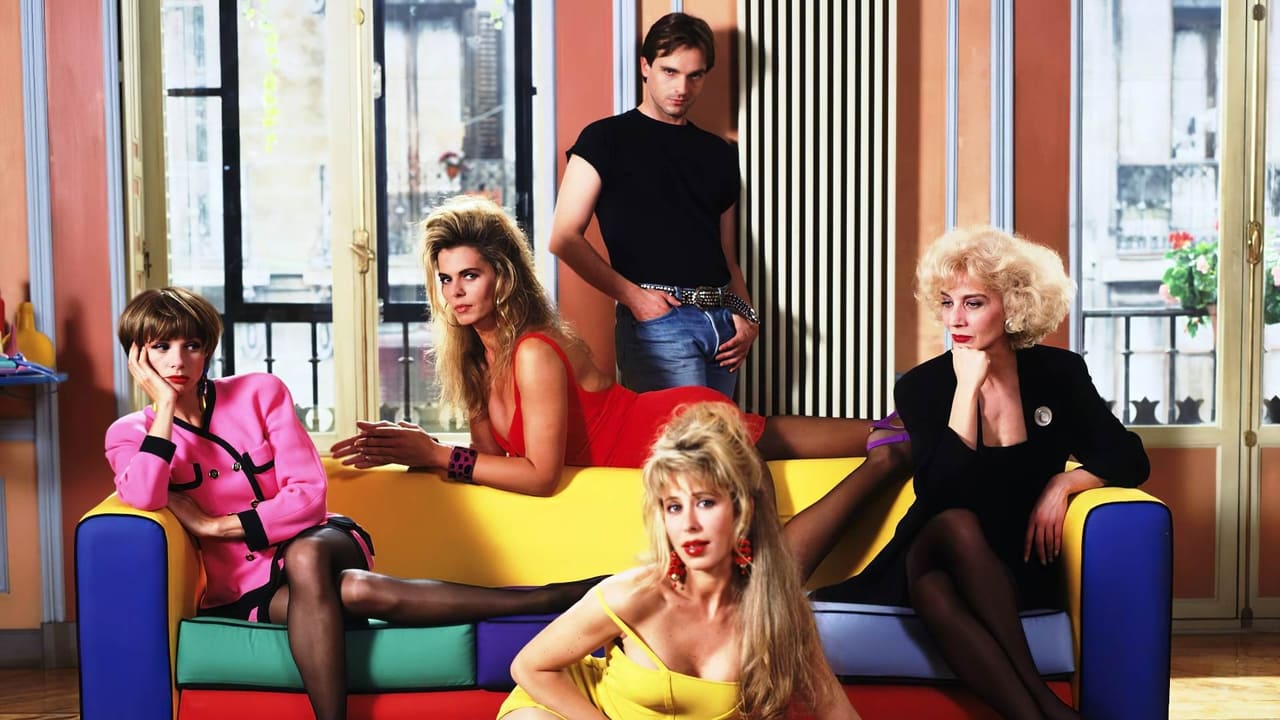
There's a particular kind of intensity that Pedro Almodóvar commands, a vibrant, almost overwhelming collision of high passion and high style. Watching High Heels (Spanish: Tacones Lejanos) again after all these years, hitting play on that well-worn tape, it wasn't just the shock of those saturated colours or the memory of its twisty plot that struck me. It was the film's central, aching question hanging heavy in the air: can a daughter ever truly escape the shadow, the echo, the sheer gravitational pull of her mother?
Released in 1991, High Heels arrived when Almodóvar was solidifying his reputation outside Spain, building on the international success of Women on the Verge of a Nervous Breakdown (1988). It plunges us into the turbulent relationship between Rebeca (Victoria Abril), a television news anchor, and her estranged mother, Becky del Páramo (Marisa Paredes), a famous torch singer returning to Madrid after fifteen years. Their reunion is fraught, layered with years of resentment, desperate longing, and a strange, almost unnerving mirroring. When Rebeca's husband (and Becky's former lover), Manuel, is murdered, the complex ties binding mother and daughter tighten into a knot of suspicion, confession, and performance.
A Mother's Long Shadow
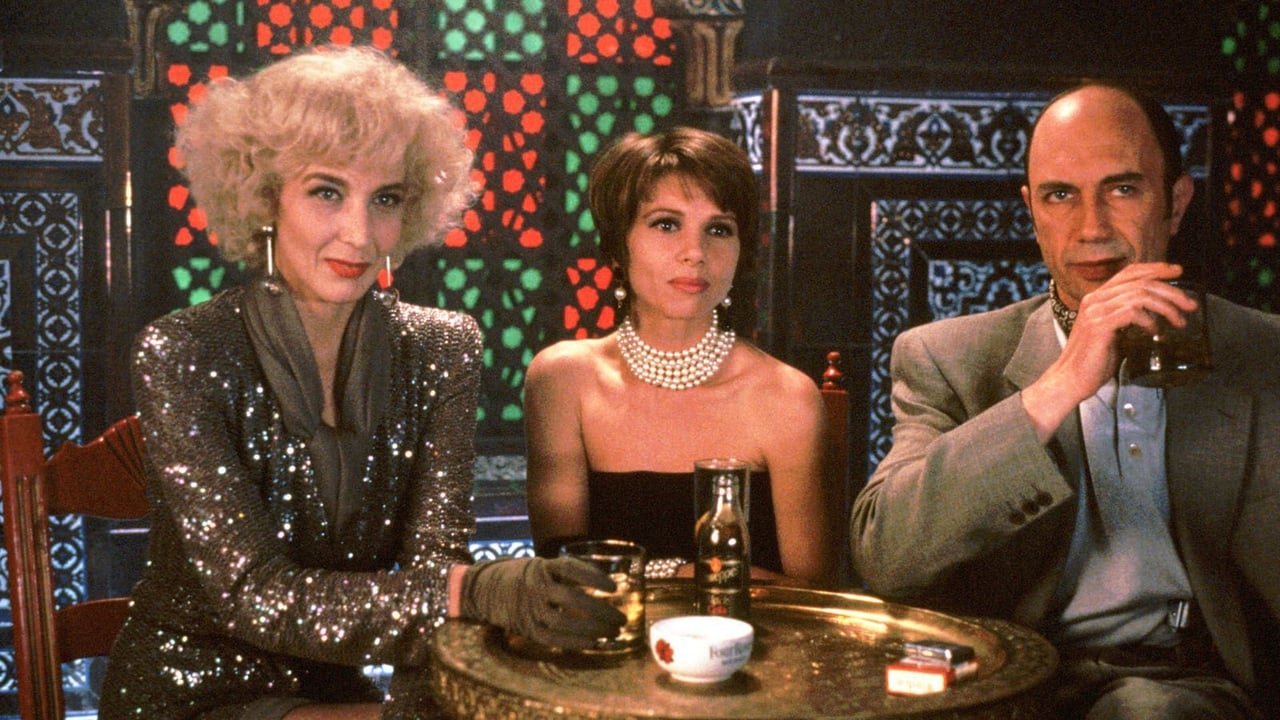
At its heart, this is a film about mothers and daughters, a theme Almodóvar returns to often, reportedly drawing from the powerful matriarchal figures of his own upbringing. Marisa Paredes is magnificent as Becky, a diva wrapped in glamour and self-absorption, yet hinting at vulnerability beneath the flawless facade. She embodies a certain kind of larger-than-life stardom, demanding the spotlight even in private moments. Paredes delivers a performance that feels both theatrical and deeply rooted in a specific kind of emotional unavailability.
Victoria Abril, a frequent Almodóvar muse (Tie Me Up! Tie Me Down!), matches her step for step. Her Rebeca is a fascinating creation – professionally composed but emotionally raw, desperately seeking her mother's approval while simultaneously trying to carve out her own identity. The tragedy is that her attempts often involve imitating Becky, consciously or unconsciously adopting her mannerisms, her style, even her lovers. Abril navigates this complex terrain with incredible nuance; you see the flicker of the lost child behind the sophisticated newsreader's eyes. Their scenes together crackle with an energy that's part love, part rivalry, part sheer, painful history. What does it mean when the person you crave connection with most is also the source of your deepest insecurities?
Almodóvar's Vivid Canvas
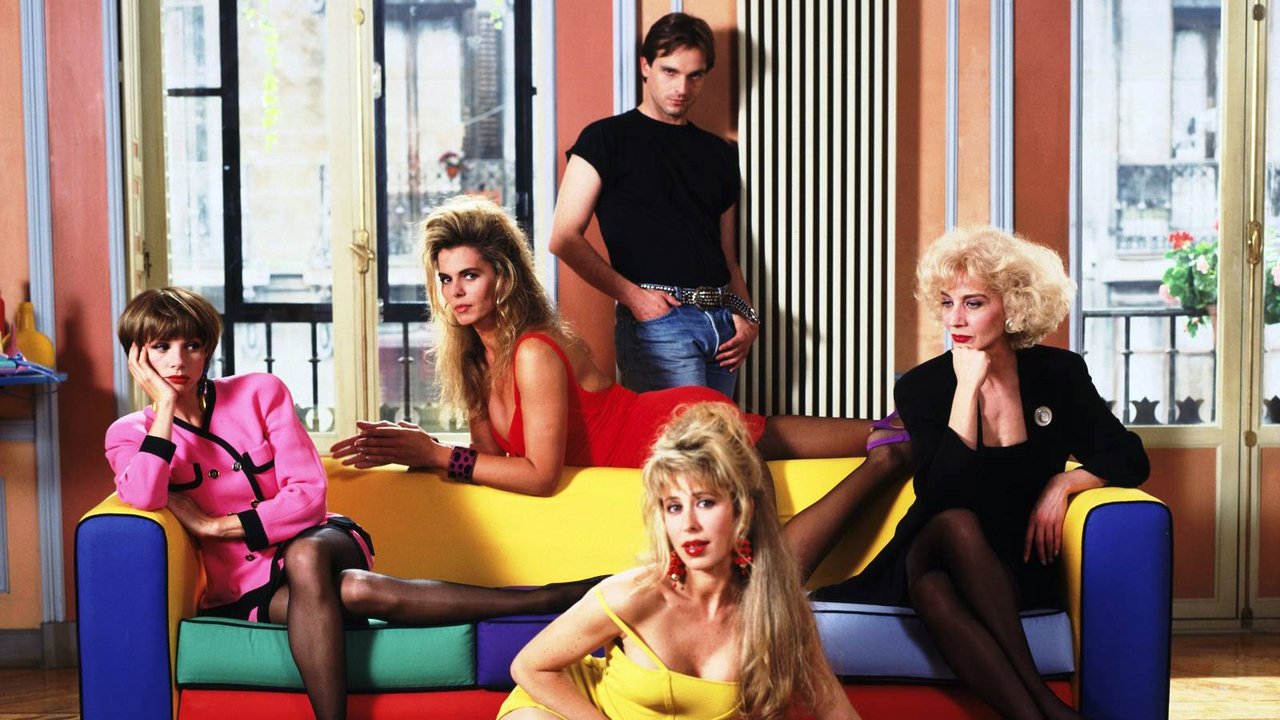
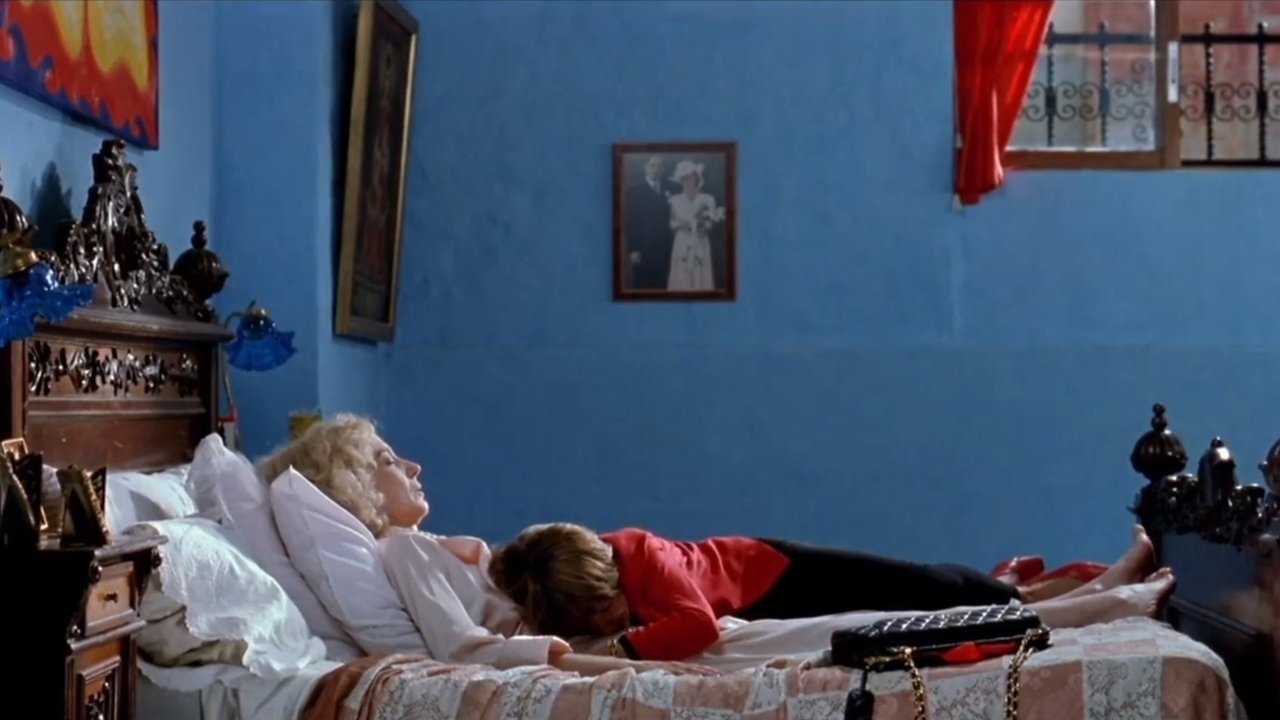
Visually, High Heels is pure, undiluted Almodóvar. The bold primary colours – the passionate reds, the cool blues – aren't just decorative; they scream emotion, reflecting the characters' inner turmoil. The production design is meticulous, creating spaces that feel both real and heightened, like stages for the ongoing drama. And the costumes! Rebeca's wardrobe, famously designed by Chanel, speaks volumes about her attempts to project a controlled, sophisticated image, a stark contrast to her mother's more flamboyant performance attire.
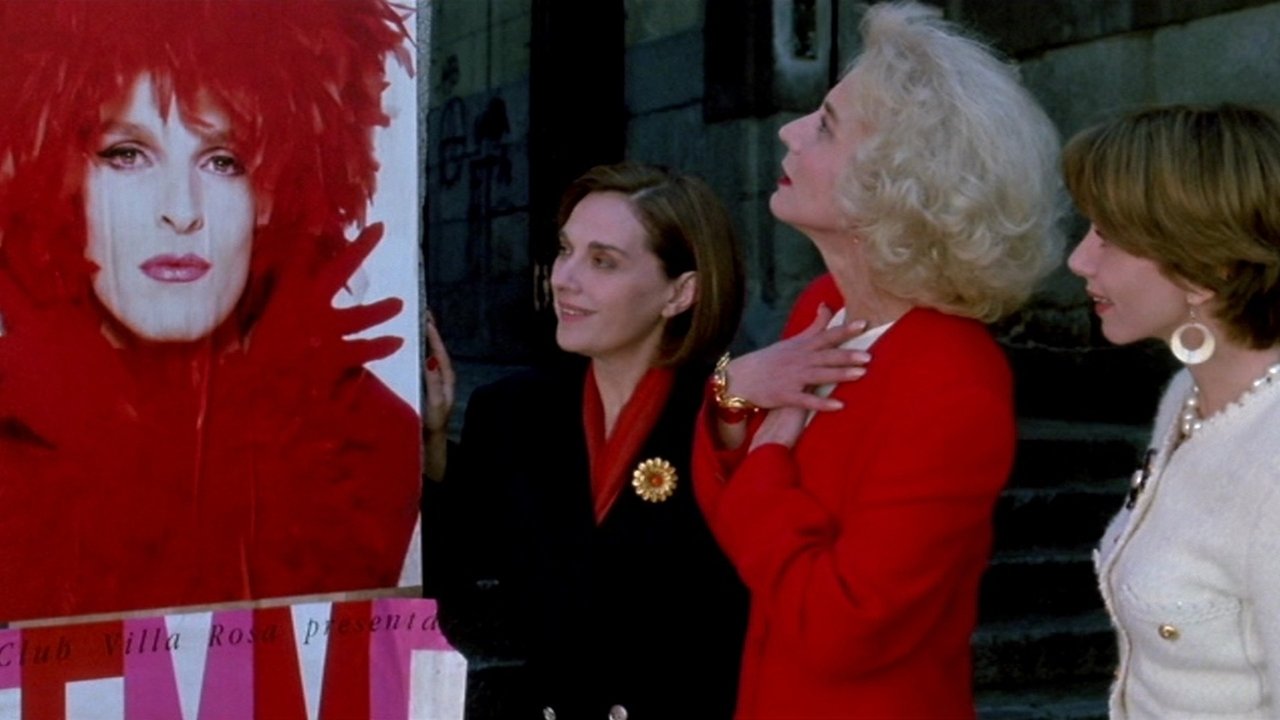
It's this interplay between surface and depth, between performance and reality, that fascinates. This is perhaps most perfectly encapsulated in the character of Femme Lethal, a drag performer who impersonates Becky, played with captivating charisma by Spanish music icon Miguel Bosé. His performance of the Agustín Lara classic "Piensa en mí" (Think of Me), lip-synced by Luz Casal, isn't just a showstopper; it's a pivotal moment where identities blur, and the act of imitation becomes a profound expression of longing and connection. It's a scene drenched in the kind of meta-theatricality Almodóvar excels at, borrowing from classic Hollywood melodrama (think Douglas Sirk) but filtering it through his unique, queer, postmodern sensibility.
Behind the Curtain
Almodóvar masterfully blends genres here – it’s a high-stakes melodrama, a knotty murder mystery, and occasionally, surprisingly funny in its observations of human absurdity. This mix could be jarring in lesser hands, but he makes it sing. It’s worth remembering this film came together relatively quickly for Almodóvar, showcasing his growing confidence and command of his craft. While perhaps not reaching the fever pitch of Women on the Verge, High Heels earned a respectable $1.8 million at the US box office (around $4 million today), cementing his status as a key international auteur. It was a film that felt distinctly Spanish, yet resonated globally with its exploration of universal family dynamics, albeit pushed to operatic extremes. The title itself, Tacones Lejanos (Distant Heels), evokes the sound of Becky leaving Rebeca as a child – a sound that echoes throughout her life, a symbol of absence, glamour, and perhaps even danger.
Lingering Echoes
Does High Heels feel dated? In some ways, perhaps inevitably. The technology, the specific cultural references – they place it firmly in the early 90s. Yet, the emotional core remains potent. The film asks uncomfortable questions about love, obsession, identity, and the legacies – both nurturing and damaging – passed down through families. It’s a film that luxuriates in its emotions, unafraid of melodrama, using heightened reality to explore genuine psychological truths. It might be too much for some, its passions too operatic, its plot twists too convenient. But isn't that part of the Almodóvar experience we signed up for when we slid that tape into the VCR?
***
Rating: 8/10
Justification: High Heels is a visually stunning, emotionally complex, and impeccably performed melodrama. While the plot occasionally strains credulity, the powerhouse performances from Abril and Paredes, combined with Almodóvar's masterful direction and signature style, make it utterly compelling. It successfully blends genres and explores profound themes with artistic flair. The 8 reflects its strength as a key work in Almodóvar's filmography and a standout piece of early 90s art-house cinema, acknowledging that its heightened reality might not resonate with all viewers.
Final Thought: Long after the credits roll, it's the echo of those heels – distant yet deafening – and the vibrant, aching portrait of a mother-daughter bond stretched to its limits that truly stays with you.