Here we go, another trip down the VHS rental aisle, but this time we're bypassing the explosive action flicks and Day-Glo comedies for something richer, something that burrows under the skin. Remember pulling a tape off the shelf, maybe drawn by a familiar director's name, and finding yourself immersed in a world far more complex and emotionally resonant than the cover art hinted at? That’s the feeling Pedro Almodóvar’s 1995 film, The Flower of My Secret (Spanish: La flor de mi secreto), evokes – a sense of discovering a hidden, poignant truth behind a colourful façade.
### Beneath the Pseudonym's Shadow
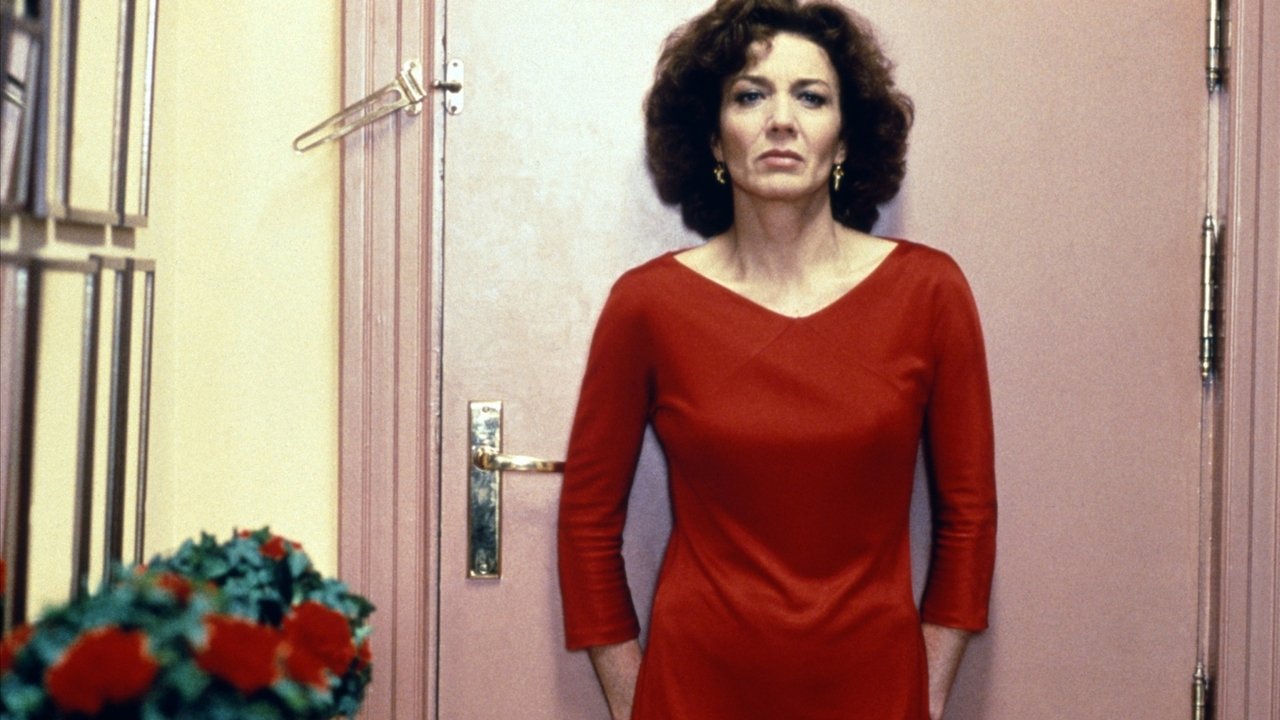
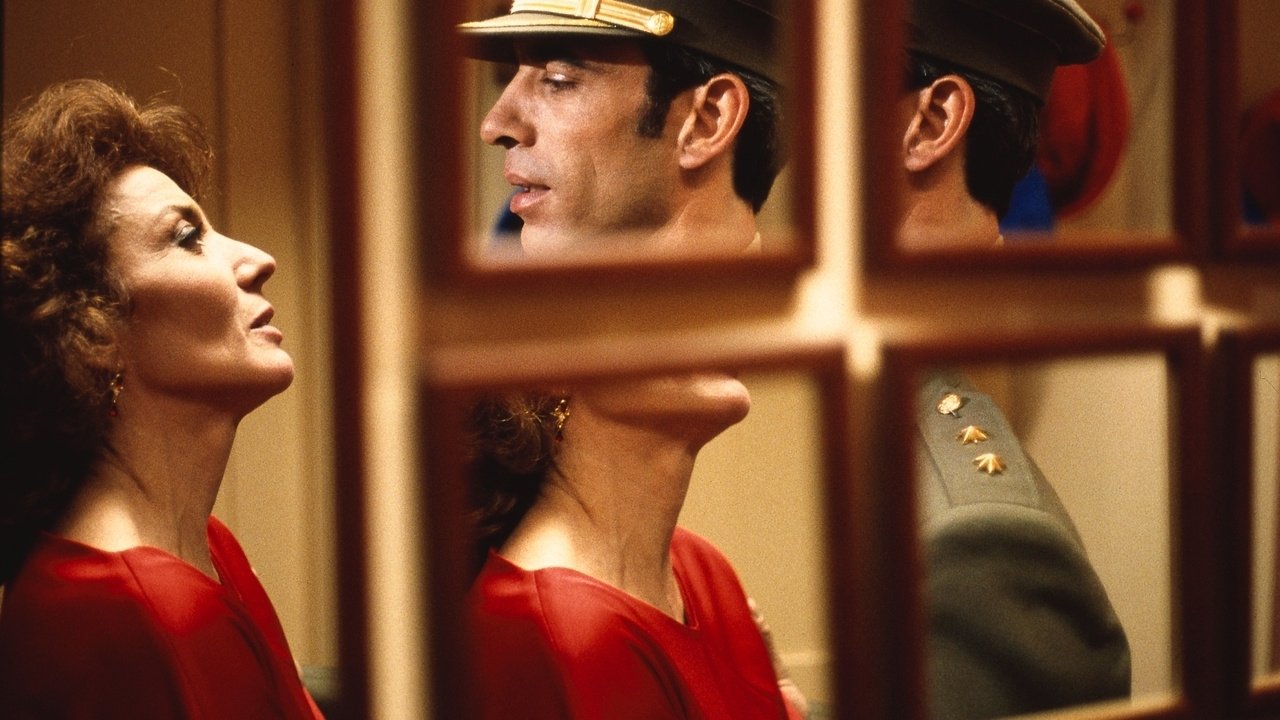
The film introduces us to Leo Macías, brilliantly embodied by the incomparable Marisa Paredes, one of Almodóvar's most vital collaborators. Leo lives a fractured existence. By day, she's a celebrated author of sentimental romance novels, churning out bestsellers under the pseudonym Amanda Gris – tales drenched in the kind of syrupy optimism she herself cannot feel. By night, or rather, in the stark reality of her chic Madrid apartment, she's a woman crumbling. Her marriage to Paco (Imanol Arias), a NATO officer frequently absent, is disintegrating; her creative well has run dry, replaced by a bitterness that leaks into her writing, much to her publisher's dismay; and her relationship with her own aging mother (Chus Lampreave, another Almodóvar regular delivering understated gold) is strained. What unfolds isn't the high-camp melodrama some might associate with early Almodóvar, but a deeply felt portrait of a mid-life crisis steeped in loneliness and artistic compromise.
### Almodóvar Turns Inward
Watching The Flower of My Secret back in the 90s, perhaps nestled between viewings of Pulp Fiction and Clueless, felt like witnessing a shift. Almodóvar, the maestro of vibrant chaos seen in films like Women on the Verge of a Nervous Breakdown (1988), seemed to be turning a corner. The colours are still present – those bold reds and blues that are his signature – but they often frame a deeper melancholy. This film feels like a bridge, connecting the energetic, post-Franco Movida Madrileña spirit of his earlier work to the more layered, character-focused dramas like All About My Mother (1999) that would follow. It’s Almodóvar exploring despair, but through his uniquely empathetic and visually arresting lens. Interestingly, a plot point Leo pitches and has rejected by her publishers – a story about a woman hiding her husband's body in a freezer – contained the seed Almodóvar himself would later cultivate into his acclaimed 2006 film, Volver. It’s fascinating to see these thematic threads being woven even then.
### A Masterclass in Vulnerability
The absolute anchor of this film is Marisa Paredes. Her Leo is a tightrope walk of conflicting emotions. She conveys the brittle pride of a successful woman, the raw vulnerability of a spouse feeling abandoned, the cynical weariness of an artist trapped by her own creation, and the desperate yearning for connection. Watch her eyes; they hold entire volumes of unspoken pain and frustration. Paredes makes Leo’s struggle utterly believable, preventing her descent into self-pity from becoming alienating. We root for her, even when she’s making questionable choices (like that ill-fated attempt to reclaim a pair of boots from her estranged husband’s lover).
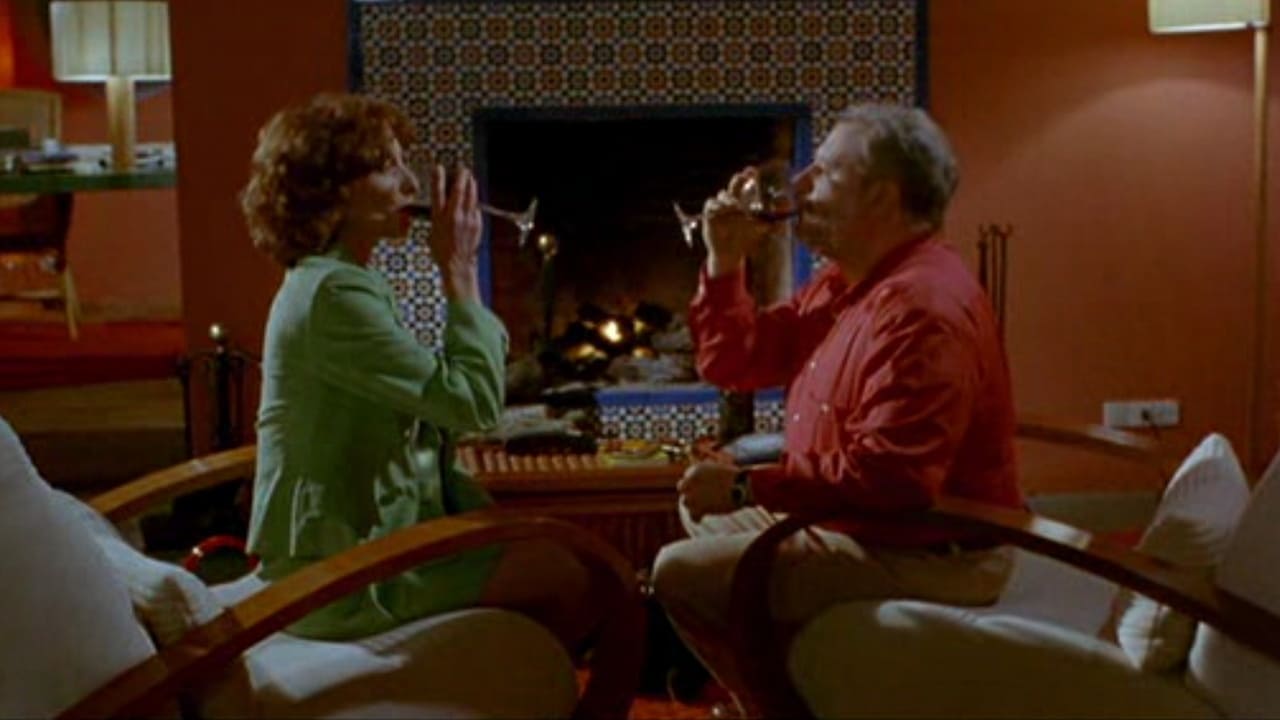
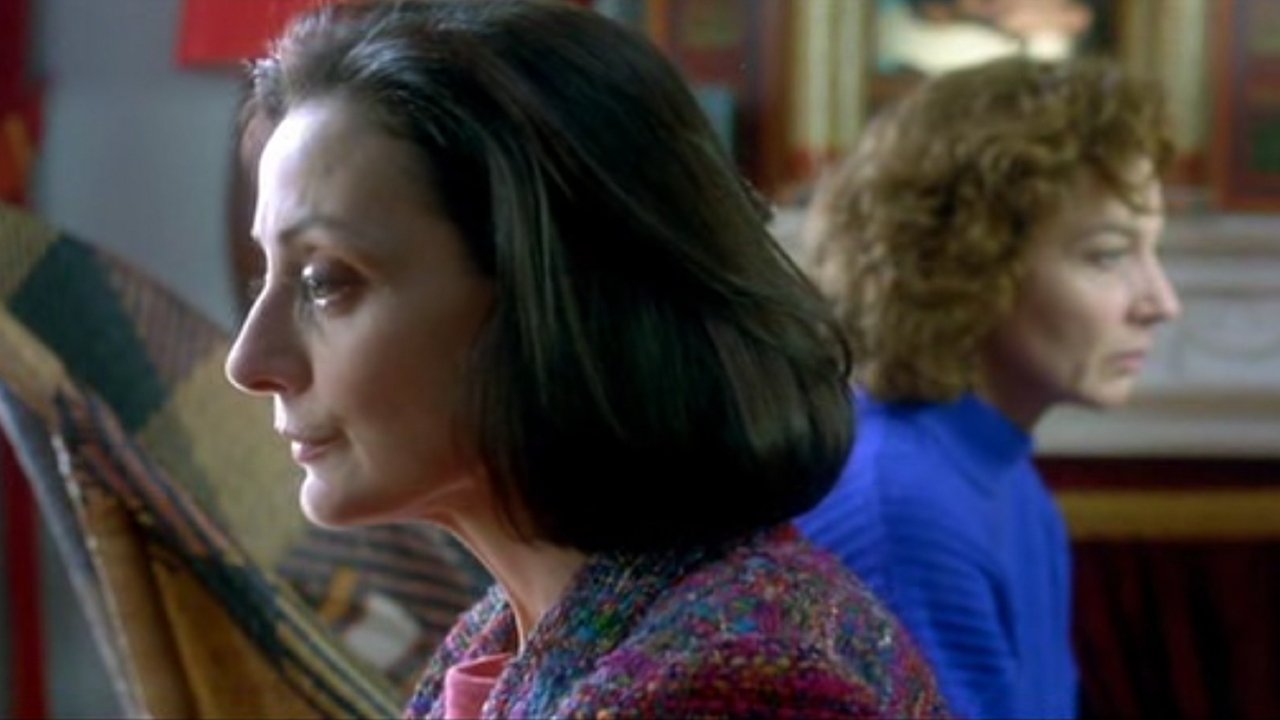
Supporting her is a typically excellent Almodóvar ensemble. Juan Echanove provides warmth and quiet strength as Ángel, the newspaper editor who becomes an unlikely confidant and critic (literally – he hires Leo to critique Amanda Gris!). Their scenes together offer glimpses of hope and intellectual connection amidst Leo’s turmoil. Carme Elías as Leo’s best friend Betty, who harbours her own secrets, adds another layer of complexity to the theme of hidden lives. And even brief appearances, like that of Rossy de Palma as Betty's sharp-tongued sister Rosa, inject that characteristic Almodóvar spark.
### Finding Authenticity Amidst the Tears
The Flower of My Secret wasn't a massive box office smash, certainly not on the scale of some Hollywood contemporaries, but it garnered significant critical acclaim, particularly in Spain, where it scooped up seven Goya Award nominations (Spain's equivalent of the Oscars), including Best Film, Best Director, and Best Actress for Paredes. While it didn't win the top prizes, its artistic merit was widely recognised. The film asks potent questions: How much of ourselves do we sacrifice for success or security? What happens when the persona we project consumes our true identity? Doesn't Leo's struggle to write truthfully while trapped by her 'Amanda Gris' fame echo challenges many artists face? It explores the pain of disconnection – from partners, from family, from one's own creative spirit – with a sensitivity that feels remarkably honest. The flamenco sequence, featuring a smouldering Joaquín Cortés, isn't just spectacle; it's a moment of raw, physical expression that contrasts sharply with Leo's own bottled-up anguish.
This is a film that might have felt less immediate on a buzzing Friday night at the video store than, say, Die Hard with a Vengeance (also 1995), but its emotional weight lingers far longer. It’s a movie that rewards patience, inviting you into the quiet desperation and eventual tentative rebirth of its central character.

Rating: 8/10
This score reflects the film's powerful emotional core, anchored by a truly exceptional performance from Marisa Paredes. It’s a mature, insightful work from Pedro Almodóvar, marking a significant, introspective shift in his already impressive career. While perhaps lacking the immediate, explosive vibrancy of some of his other beloved classics, its depth and sensitivity offer a different, equally compelling kind of satisfaction.
The Flower of My Secret is a reminder that sometimes the most profound stories aren't shouted, but whispered in the quiet moments of despair and rediscovered hope – a gem worth digging out from the back shelves of memory.