Okay, pull up a chair, maybe pour yourself something warm. We're digging into a film that arrived right as the VCR was blinking its final '12:00' – Baltasar Kormákur's 101 Reykjavik (2000). While it technically missed the 90s cut-off, its DNA feels deeply connected to that late-decade indie spirit, the kind of film you might have excitedly discovered on a nascent DVD shelf at the back of the rental store, promising something… different. And different it certainly is. This isn't your typical Hollywood fare; it's a dive into the chilly, perpetually dim world of its titular postal code, mirrored perfectly in the life of its protagonist.
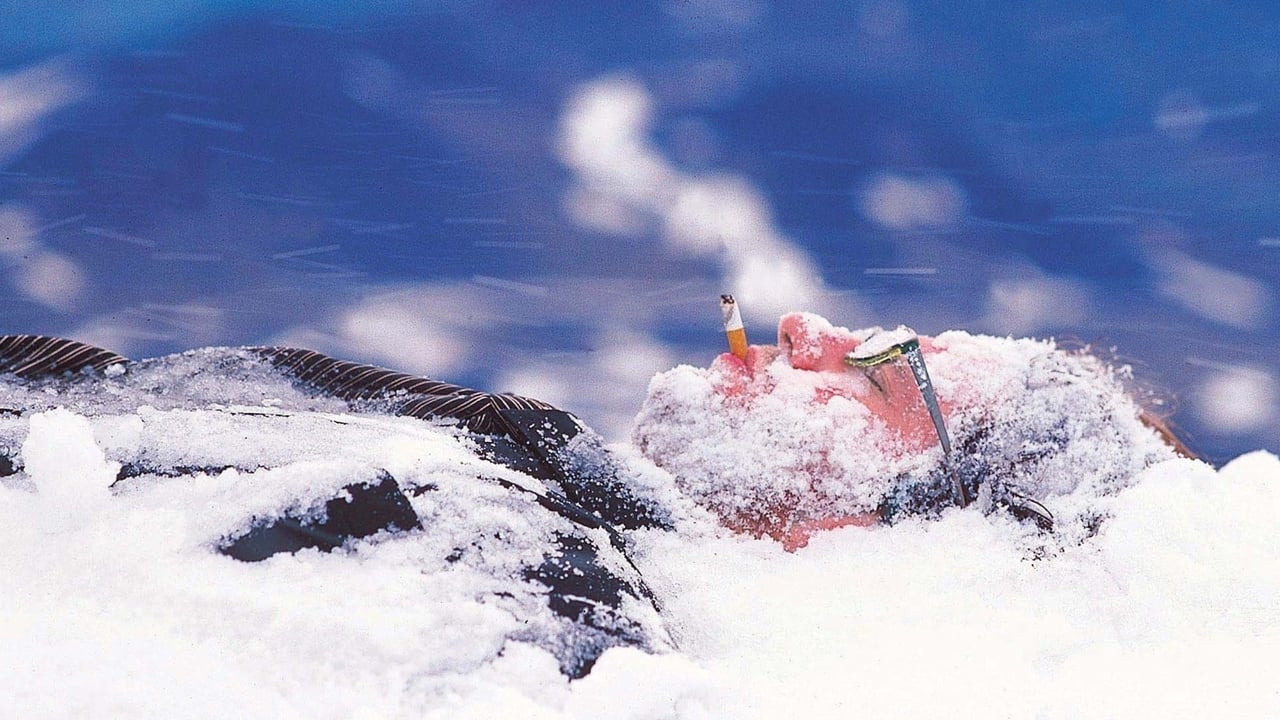
### Frozen Lives in the Land of Fire and Ice
The film plunges us into the existence of Hlynur (Hilmir Snær Guðnason), a man drifting towards 30 who embodies a state of profound inertia. He lives with his mother (Hanna María Karlsdóttir), collects unemployment, spends his days watching porn, and his nights getting lost in Reykjavik's surprisingly vibrant (if perpetually dark) nightlife. There’s a bleak poetry to his aimlessness, a resignation that feels uniquely Icelandic, captured brilliantly by Kormákur’s handheld, almost documentary-style approach in his directorial debut. You feel the claustrophobia of his small apartment, the biting wind outside, the sense that life is happening elsewhere, or perhaps not happening at all.
Guðnason's performance is key here. He makes Hlynur sympathetic, almost pitiable, even amidst his often questionable choices and profound lack of ambition. It’s not just laziness; it’s a deeper apathy, a fear of engagement with a world that seems both overwhelming and underwhelming. Remember that feeling, maybe from your own youth, of not quite knowing where you fit, or if you even wanted to? Hlynur takes it to an extreme, existing in a bubble of routine and avoidance.

### When Things Get Complicated (and They Really Do)
The catalyst for change, or at least for chaos, arrives in the form of Lola (Victoria Abril), his mother's flamenco-teaching Spanish friend who comes to stay for Christmas. Abril, already a force of nature known for her work with Pedro Almodóvar, brings an electrifying, unpredictable energy that shatters Hlynur's carefully constructed ennui. She’s vibrant, sensual, and possesses a warmth utterly alien to Hlynur's gray existence.
What unfolds is… well, complicated doesn't quite cover it. The film navigates a web of unconventional relationships and desires with a frankness that could be jarring, but Kormákur handles it with a darkly comedic, almost matter-of-fact tone. There’s a shocking revelation at the heart of the film – one I won’t spoil outright, but suffice it to say it throws Hlynur’s already shaky world into complete disarray. It forces him, perhaps for the first time, to confront consequences and the messy reality of human connection. It’s a testament to the screenplay (adapted by Kormákur from Hallgrímur Helgason's novel) that this potentially sensational material feels grounded in character, exploring themes of sexuality, identity, and the desperate need to escape – or perhaps embrace – the absurdity of life.
### Capturing Reykjavik's Soul
Beyond the performances and plot, 101 Reykjavik excels in its sense of place. Kormákur, an Icelander himself, captures the specific mood of his capital city – the long nights, the stark landscapes just beyond the city limits, the pubs filled with characters seeking refuge from the cold and perhaps themselves. The film feels authentic, lived-in. It's worth noting that the evocative soundtrack, featuring contributions from Damon Albarn of Blur and Gorillaz fame (who apparently frequented the city), perfectly complements this atmosphere, adding another layer to the film's cool, detached, yet strangely hypnotic vibe.
This wasn't a massive blockbuster, of course. Made on a relatively modest budget, it found its audience through festival circuits and word-of-mouth, becoming a cornerstone of the burgeoning modern Icelandic film scene and launching Kormákur's international career (he'd later direct Hollywood films like Contraband (2012) and Everest (2015)). It’s a reminder of that exciting period around the turn of the millennium when distinctive voices from smaller countries were finding global platforms, often telling stories far removed from mainstream comfort zones.
### Lingering Questions in the Cold Air
Does Hlynur ever truly break free? Does anyone? The film doesn't offer easy answers. It presents a slice of life – albeit a rather strange and unsettling one – and leaves you to ponder the implications. What does it mean to connect? What happens when societal norms dissolve? The film's blend of deadpan humor and genuine pathos makes these questions resonate long after the credits roll. It’s not always comfortable viewing, and Hlynur isn’t always likable, but his journey (or lack thereof) feels painfully, truthfully human in its flaws and contradictions.
It might not have the worn-out tape feel of an 80s classic, but 101 Reykjavik offers that same thrill of discovery – finding a unique, uncompromising vision that sticks with you. It’s a film that captures a specific time and place with unflinching honesty and a surprising amount of heart buried beneath the cynicism.
---
Rating: 8/10
This score reflects the film's strengths: Kormákur's confident debut direction, the powerful and nuanced performances from Guðnason and Abril, its distinct sense of place, and its bravely unconventional storytelling. It captures a specific cultural moment and human condition with dark humor and startling frankness. It loses a couple of points simply because its bleakness and challenging subject matter might not resonate with all viewers, and the deliberately slow pacing reflects the protagonist's inertia perhaps too well at times.
Final Thought: A chilly, funny, and strangely moving portrait of aimlessness on the edge of the world, 101 Reykjavik remains a potent reminder of the unique stories waiting just outside the mainstream glare, even as the millennium turned. It leaves you pondering the icebergs – both literal and metaphorical – that lurk beneath the surface of seemingly quiet lives.