There's a certain quietude that settles over you after watching Aki Kaurismäki's Shadows in Paradise (1986), a feeling distinct from the adrenaline hangover left by so many staples of the 80s video store shelf. It’s less a bang, more a lingering resonance, the hum of fluorescent lights in a deserted supermarket after closing. This wasn't a film you'd likely grab expecting explosions or quippy heroes; finding it tucked away, perhaps in a dusty 'Foreign Films' section, felt like uncovering a secret language of cinema, one spoken in hushed tones and meaningful glances.
A Different Kind of Paradise
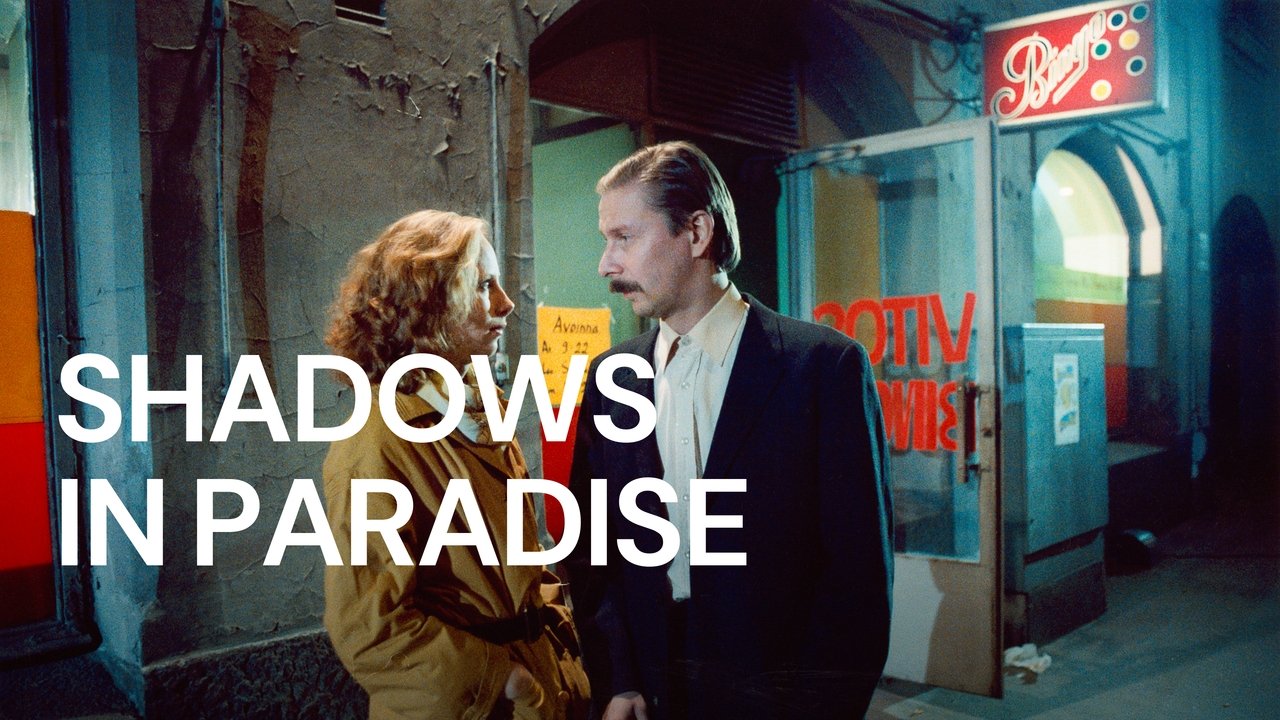
The paradise suggested by the title (Varjoja paratiisissa in the original Finnish) is, of course, deeply ironic, or perhaps just deeply redefined. We're introduced to Nikander (Matti Pellonpää), a Helsinki garbage collector whose life unfolds in a rhythm of routine and quiet resignation. His world is rendered in Kaurismäki's signature palette – often muted, yet somehow starkly beautiful in its unadorned reality. There's little dialogue, fewer wasted movements. When Nikander's colleague dies suddenly, the event is met with the same stoic lack of fuss that defines his daily grind. It's into this precisely rendered world of urban melancholy that Ilona (Kati Outinen) enters.
The Poetry of the Proletariat

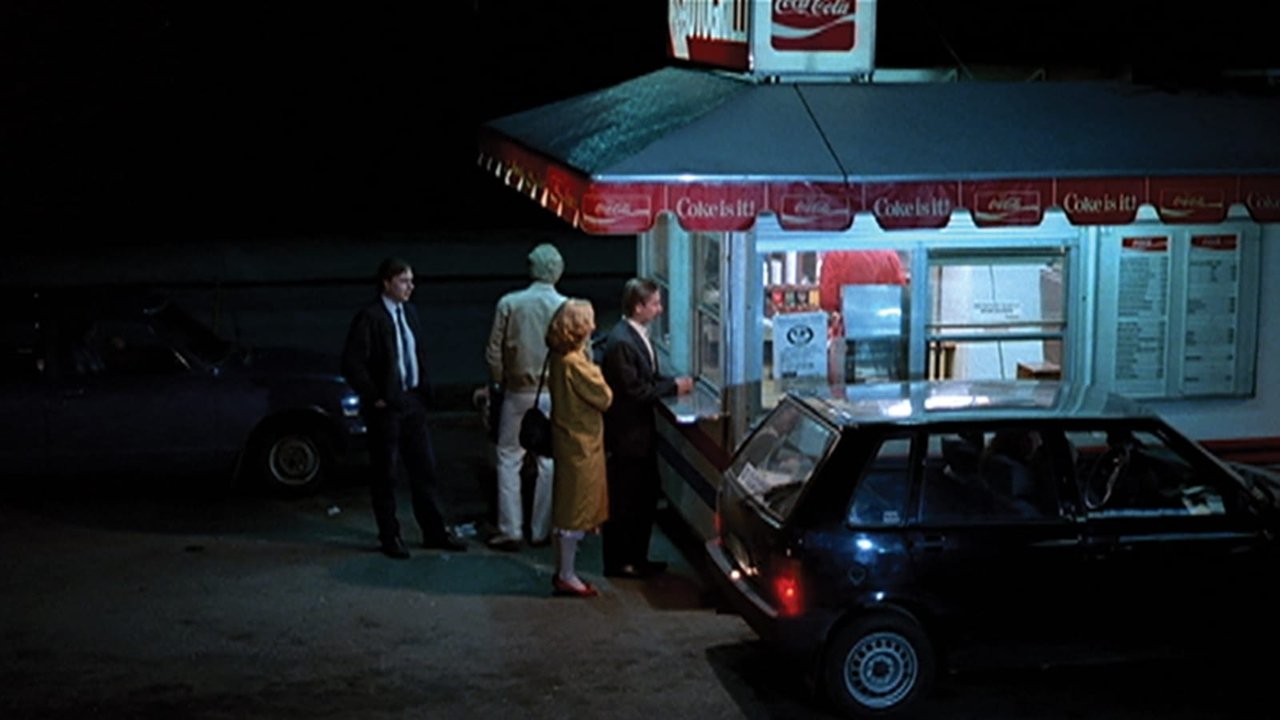
Their meeting, Nikander and the supermarket cashier Ilona, is less a spark and more a slow, tentative thaw. Kati Outinen, who would become a fixture in Kaurismäki's cinematic universe, possesses a remarkable ability to convey oceans of feeling – weariness, flickers of hope, disappointment – with the barest minimum of expression. She’s the perfect counterpoint to Matti Pellonpää, an actor whose face seemed carved from the very granite of Finnish resilience. Pellonpää, who tragically left us far too soon in 1995, had an extraordinary gift for embodying the soulful dignity of the working man. Watching them navigate their hesitant courtship, fumbling through awkward dates and shared silences, feels incredibly authentic. It’s a romance built not on grand gestures, but on the shared recognition of loneliness and the cautious offering of companionship.
This film marked the beginning of what's known as Kaurismäki's "Proletariat Trilogy," followed by the equally compelling Ariel (1988) and The Match Factory Girl (1990). His focus is squarely on those living on the margins, finding moments of grace, dark humor, and unexpected beauty in lives often overlooked. Kaurismäki famously works economically, often favouring first takes and stripping scenes down to their absolute essentials. You feel that directness here – there's no artifice, no attempt to romanticize the grit. Yet, paradoxically, this very sparseness creates a unique kind of poetry.
Sounds and Sights of Solitude
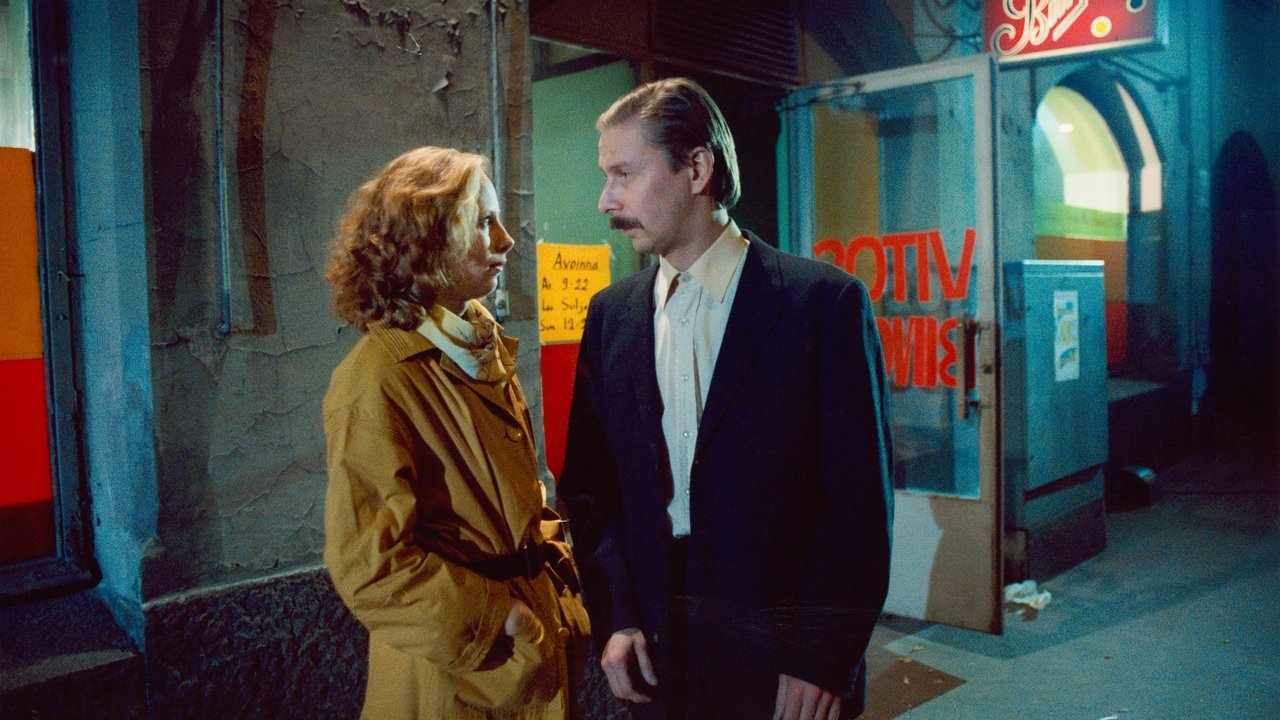

Helsinki itself is a character in the film, but it's not the picturesque tourist version. Kaurismäki shows us the loading docks, the anonymous apartment blocks, the rain-slicked streets under sodium lamps. The cinematography captures a specific mood, a kind of urban isolation that feels both uniquely Finnish and universally relatable. Complementing these visuals is a soundtrack that often feels deliberately anachronistic – melancholic Finnish tango music and classic rockabilly tunes provide an emotional counterpoint to the characters' reserved exteriors. It’s as if the music expresses the feelings they can't quite articulate, a yearning bubbling beneath the surface calm. I recall renting this on VHS, sandwiched perhaps between a boisterous comedy and a slick thriller, and feeling almost startled by its stillness, its confidence in letting moments breathe. It demanded a different kind of attention, a willingness to lean in and listen to the silences.
An Unlikely VHS Gem
Did Shadows in Paradise set the box office alight or spawn a line of action figures? Of course not. Its budget was modest, its aims artistic rather than commercial. Yet, finding it back then felt like a genuine discovery. It was proof that cinema could be quiet, introspective, and profoundly moving without resorting to Hollywood bombast. It’s a film about small hopes and persistent dignity in the face of everyday struggles – getting fired, getting robbed, simply getting by. The 'paradise' might be shadowed, but the possibility of finding connection, however fragile, offers a sliver of light. There’s a moment involving a trip to the bank that perfectly encapsulates Kaurismäki's blend of bleak reality and deadpan absurdity, a scene that stays with you long after the credits roll.
Rating: 8/10
This score reflects the film's artistic achievement, its powerful yet understated performances, and its unique place as a standout piece of minimalist filmmaking from an era often defined by excess. Matti Pellonpää and Kati Outinen are simply unforgettable, embodying the film's soul. It might lack the immediate grab of a blockbuster, but its quiet power and dry wit offer a depth that rewards patient viewing. It's a perfectly distilled shot of Aki Kaurismäki's worldview – humane, darkly funny, and unexpectedly hopeful.
Shadows in Paradise reminds us that sometimes the most profound stories aren't shouted from the rooftops, but whispered in the quiet corners of ordinary lives. What lingers most isn't sadness, but a strange, resilient warmth – the feeling of two lonely souls finding a shared umbrella in the rain.