There’s a certain quiet authenticity that feels almost revolutionary when you stumble across it again, especially nestled amongst the often louder, brighter fare that dominated the video store shelves back in the day. Some films didn't need explosions or synth-heavy soundtracks to leave a mark; they just needed honesty, warmth, and characters who felt less like archetypes and more like people you might actually know. Murphy's Romance (1985) is precisely that kind of film – a gentle, character-driven piece that feels like slipping into a comfortable chair after a long day. It’s the cinematic equivalent of a warm cup of tea on a cool evening, and revisiting it now feels less like dusting off an old VHS tape and more like reconnecting with an old friend.
Finding Footing in Florence
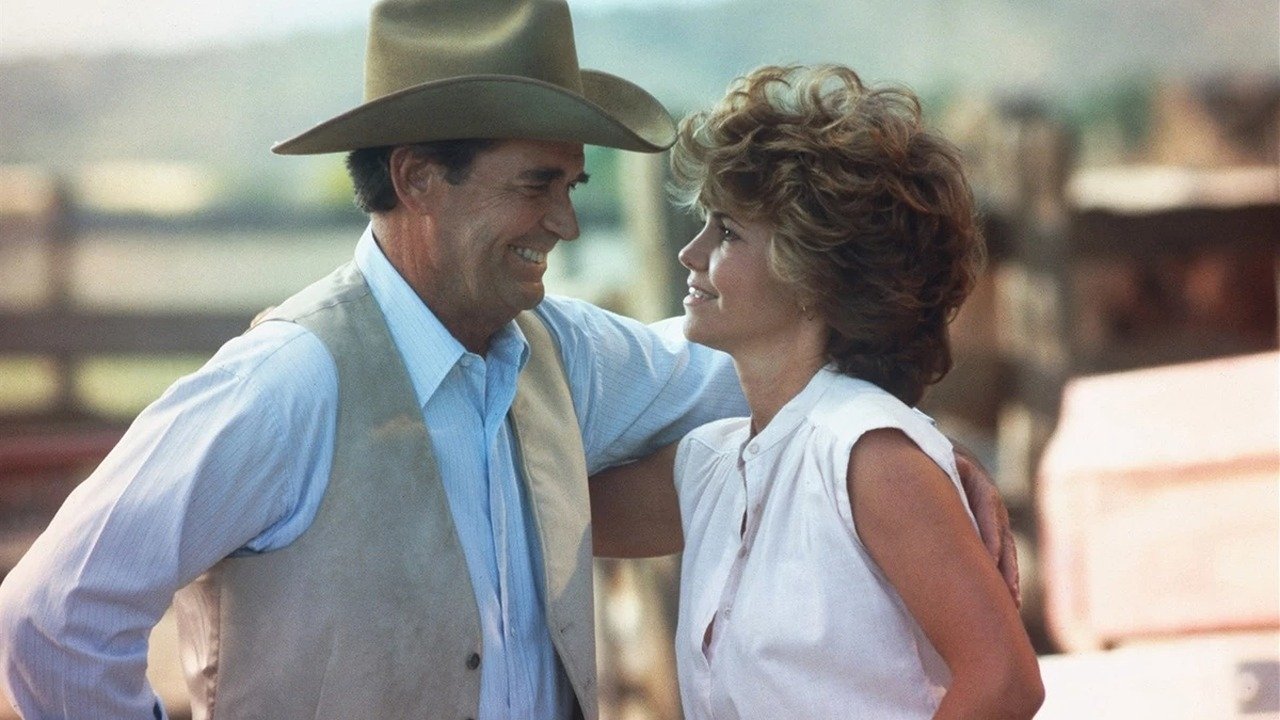
The story, adapted from Max Schott's novella, introduces us to Emma Moriarty (Sally Field), a recently divorced single mother who moves to the small, dusty town of Florence, Arizona, with her young son, Jake (Corey Haim, showing early promise). Emma's trying to make a go of it, setting up a horse ranch and training business, embodying a quiet resilience that Field, fresh off her second Oscar win for Places in the Heart (1984), portrays with understated strength. She’s not looking for romance; she’s looking for stability, a chance to stand on her own two feet. The Arizona landscape, captured without excessive gloss by director Martin Ritt, feels tangible – you can almost feel the dry heat and the slow pace of life settling in around her. Ritt, known for socially conscious dramas like Norma Rae (1979) – which also starred Field and was penned by the same writing duo, Harriet Frank Jr. and Irving Ravetch – brings a grounded sensibility to the proceedings. There's a lived-in quality to the town and its inhabitants that anchors the film.
The Irresistible Gravity of Murphy Jones
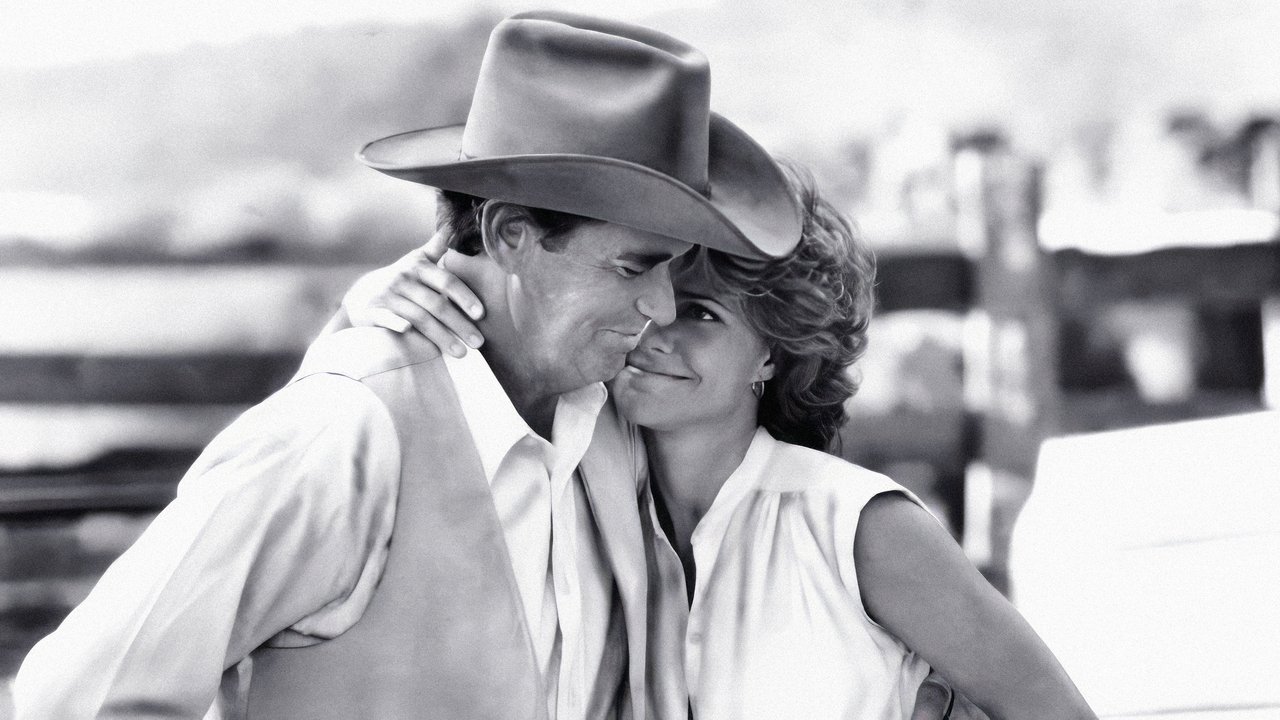
Into Emma’s determined new life strolls Murphy Jones, the town's widower pharmacist, played with effortless, twinkling charm by the legendary James Garner. Murphy isn’t your typical romantic lead, especially by mid-80s standards. He’s older, established, maybe a bit set in his ways, but possessed of a dry wit and a fundamental decency that’s instantly appealing. His interest in Emma is gradual, respectful, blossoming from neighbourly helpfulness into something deeper. Watching Garner inhabit this role is pure pleasure. He doesn’t act charming; he simply is. It’s in the way he leans against a counter, the subtle timing of a wry observation, the quiet confidence that needs no bluster. This performance earned Garner his first and only Academy Award nomination for Best Actor, a long-overdue recognition for a career built on understated charisma. It’s fascinating to learn that Columbia Pictures initially hesitated, wanting someone younger or perhaps a bigger, more dramatic name – Sally Field herself reportedly championed Garner relentlessly for the part, using the considerable industry clout she'd earned. Thank goodness she did; it’s impossible to imagine anyone else capturing Murphy's specific blend of warmth and integrity so perfectly.
Character Over Complication
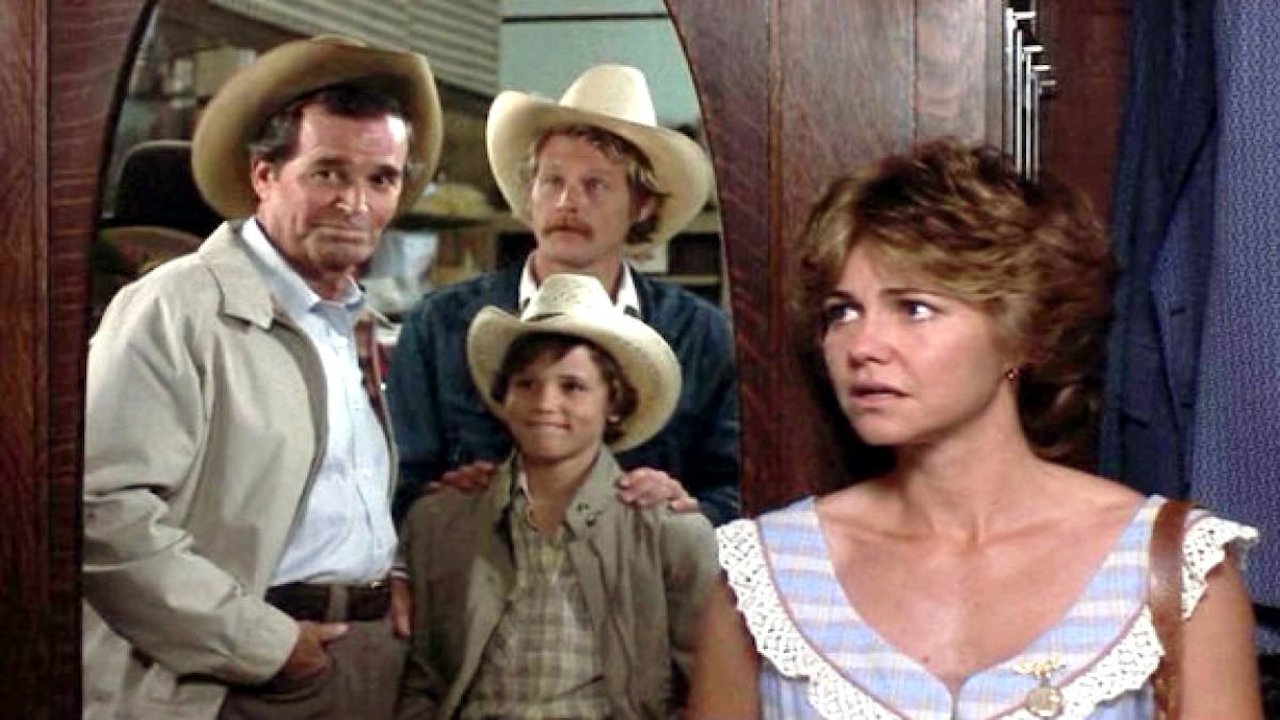
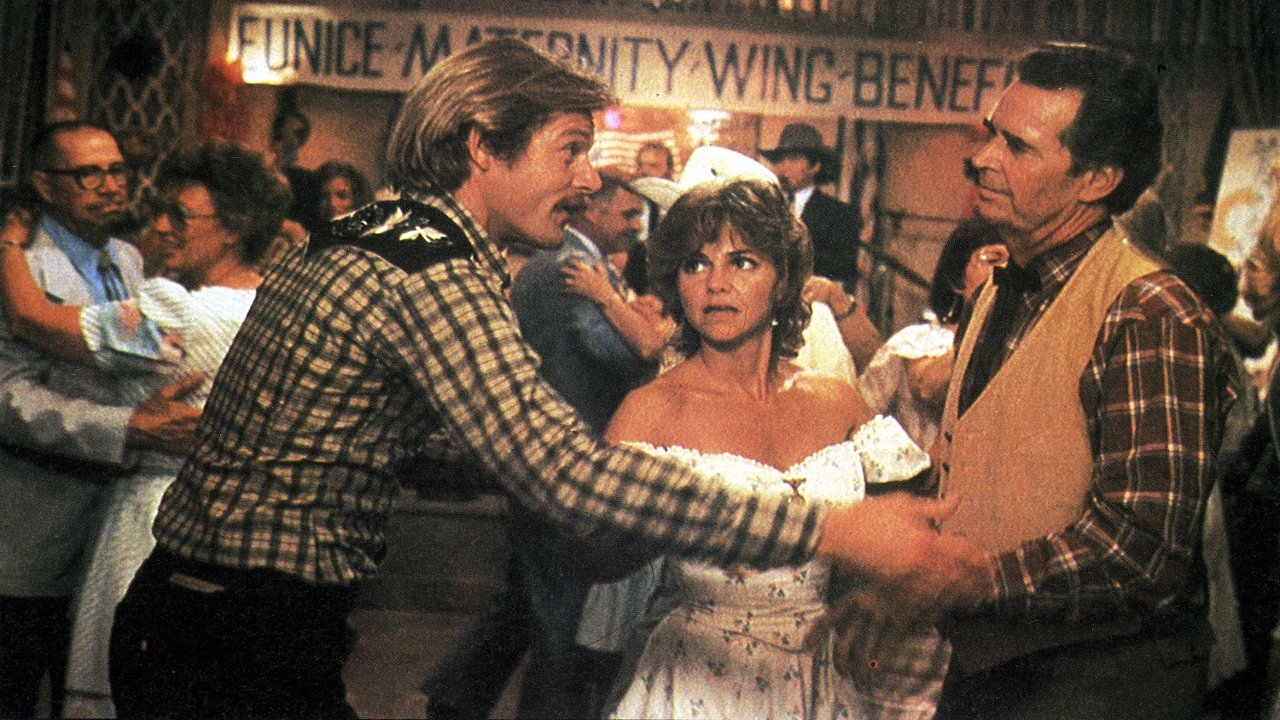
What makes Murphy's Romance resonate is its focus on the developing connection between Emma and Murphy. Their courtship, if you can call it that, feels refreshingly adult. There are no grand, unrealistic gestures, just shared moments, quiet conversations, and the gradual building of trust and affection. The age difference (Garner was 57, Field was 39) is acknowledged but treated matter-of-factly, becoming part of the texture of their relationship rather than a manufactured obstacle. The arrival of Emma's charming but fundamentally unreliable ex-husband, Bobby Jack Moriarty (Brian Kerwin), provides the necessary dramatic friction. Kerwin plays Bobby Jack not as a villain, but as a man-child unable to grasp responsibility, making Emma's choice between his youthful energy and Murphy's steady presence feel meaningful. He represents a past she needs to move beyond, while Murphy offers a potential future built on mutual respect.
The Quiet Craft
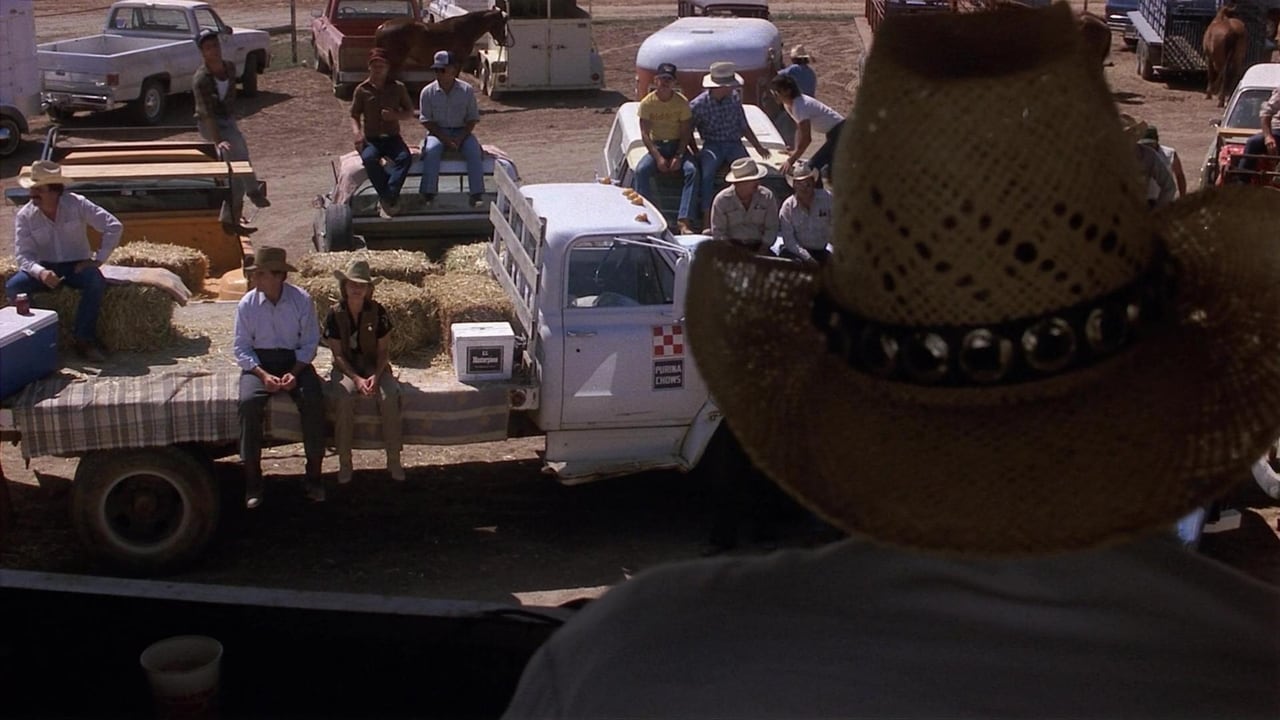
Beyond the central performances, the film benefits from Ritt's unobtrusive direction. He lets the characters breathe and the story unfold naturally, resisting the urge to rush or sensationalize. The cinematography by William A. Fraker (Rosemary's Baby, Bullitt) captures the specific light and feel of the Arizona setting, making the town itself almost a character. Shot primarily on location in Florence, Arizona, the film feels authentic in its sense of place. It wasn't a massive blockbuster – made for around $10 million, it brought in a respectable $21.2 million domestically – but its success felt appropriate for its scale: a well-crafted, human story that found its audience. I remember finding this one on the rental shelf, perhaps nestled between louder action flicks, and being drawn in by its quiet confidence. It felt different, more thoughtful.
A Romance That Lingers
Murphy's Romance might seem almost quaint by today's standards, lacking the cynicism or high-concept hooks prevalent now. But its strength lies in its simplicity and sincerity. It's a film about grown-ups navigating life's transitions, finding companionship, and making choices based on character rather than fleeting passion. The chemistry between Field and Garner is the undeniable heart of the film – warm, believable, and deeply affecting. It’s a reminder that romance doesn’t have to be loud to be profound.
Rating: 8/10
This score reflects the film's exceptional lead performances, particularly Garner's career-highlight turn, the genuine warmth and authenticity of the central relationship, and the refreshingly mature approach to romance. It avoids melodrama, creating a grounded, character-focused story that feels both specific to its time and universally relatable. While perhaps a touch slow for some modern viewers, its quiet charm and emotional honesty earn it high marks.
It’s a film that doesn't shout for attention, but rather invites you in with a gentle smile and a knowing look, leaving you with a feeling of quiet satisfaction. Isn't that kind of connection, grounded in respect and gentle humor, something we still search for, both on screen and off?