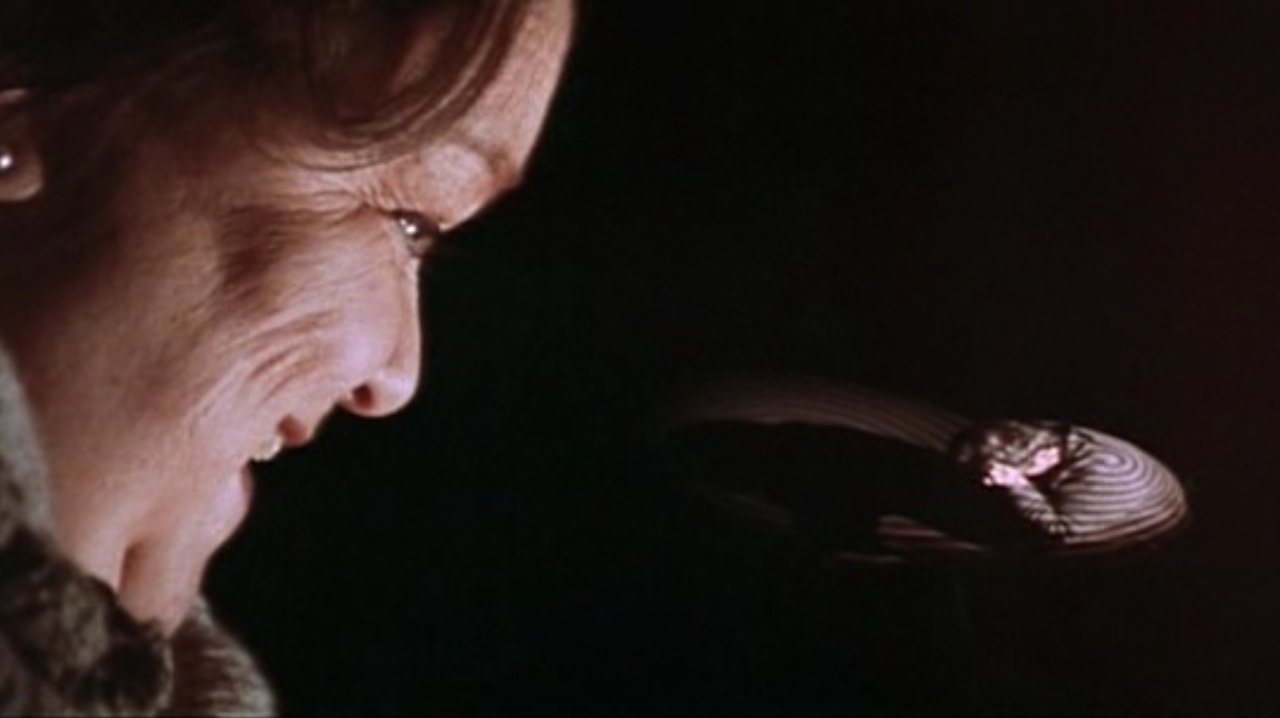
The screen flickers to life, not with studio logos, but with swirling, almost hypnotic patterns. A voice, soothing yet sinister, begins to speak, drawing you in. This isn't just the start of a movie; it's an invitation to participate, a blurring of lines that Spanish director Bigas Luna masterfully orchestrates in his unsettling 1987 meta-horror gem, Anguish (Angustia). Forget jump scares; this is a film that crawls under your skin by making you question where the screen ends and your own reality begins.

Inside the Nightmare, Outside the Frame
At first, we seem to be watching a straightforward, albeit deeply creepy, horror film titled The Mommy. It stars the unforgettable Zelda Rubinstein, forever etched in our minds from Poltergeist, as an overbearing, psychically linked mother manipulating her meek, middle-aged son, John (Michael Lerner), an ophthalmologist's assistant. Her influence pushes him towards increasingly disturbing acts involving, unsettlingly, human eyes. The atmosphere in these segments is thick with dread – claustrophobic interiors, stark lighting, and Rubinstein's chillingly dominant performance create a potent sense of unease. Lerner, often known for more bombastic roles (Barton Fink), is effectively unnerving here as the cowed, sweaty-palmed killer, his subservience as disturbing as his actions. The practical gore effects, particularly those focused on the eyes, retain a squirm-inducing quality that bypasses flashy spectacle for pure visceral discomfort. Remember how tangible those 80s effects felt? Anguish uses them to maximum unsettling effect.
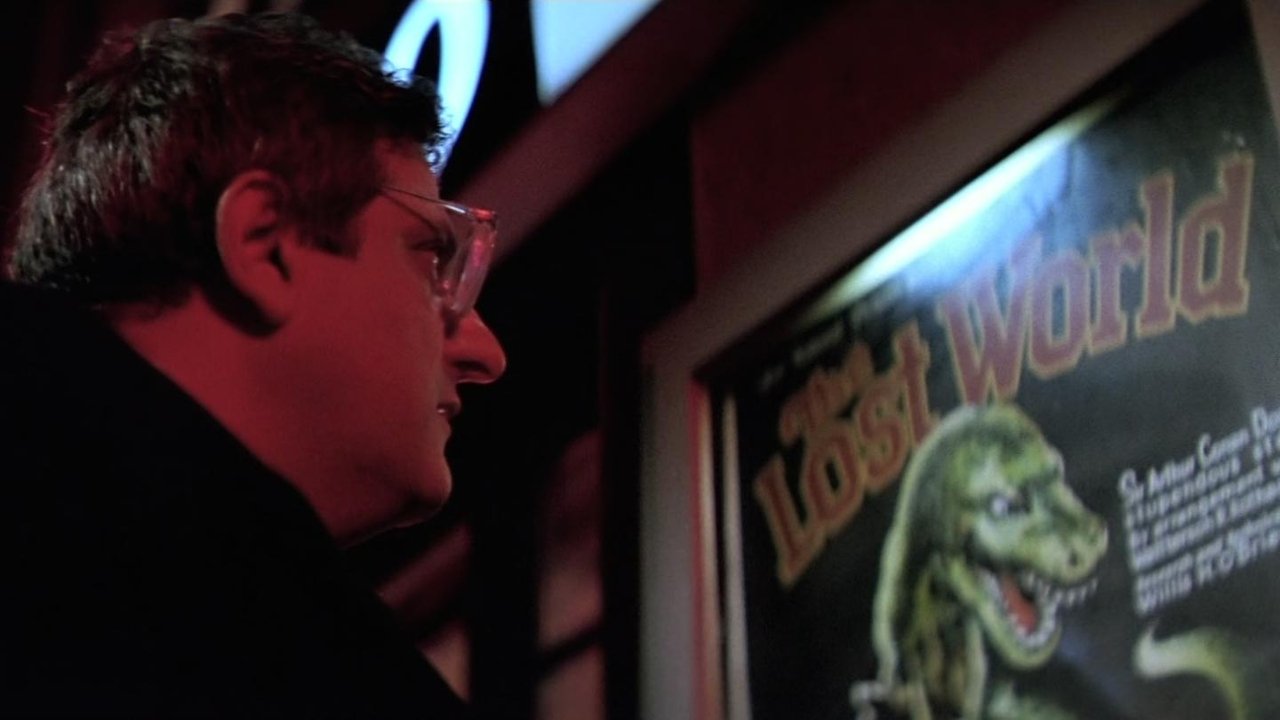
But then, Bigas Luna pulls the rug out. We cut away from The Mommy to reveal… a cinema audience watching it. We are now observers of observers, trapped in a nested reality. The primary narrative shifts to this darkened theater, focusing on two young women, one growing increasingly anxious as the events on screen seem to bleed into the theater itself. Is the killer from The Mommy loose among them? Is the film somehow influencing the audience? Luna expertly plays with sound design and visual cues, mirroring shots and sounds between the film-within-a-film and the 'real' cinema space, creating a palpable sense of paranoia.
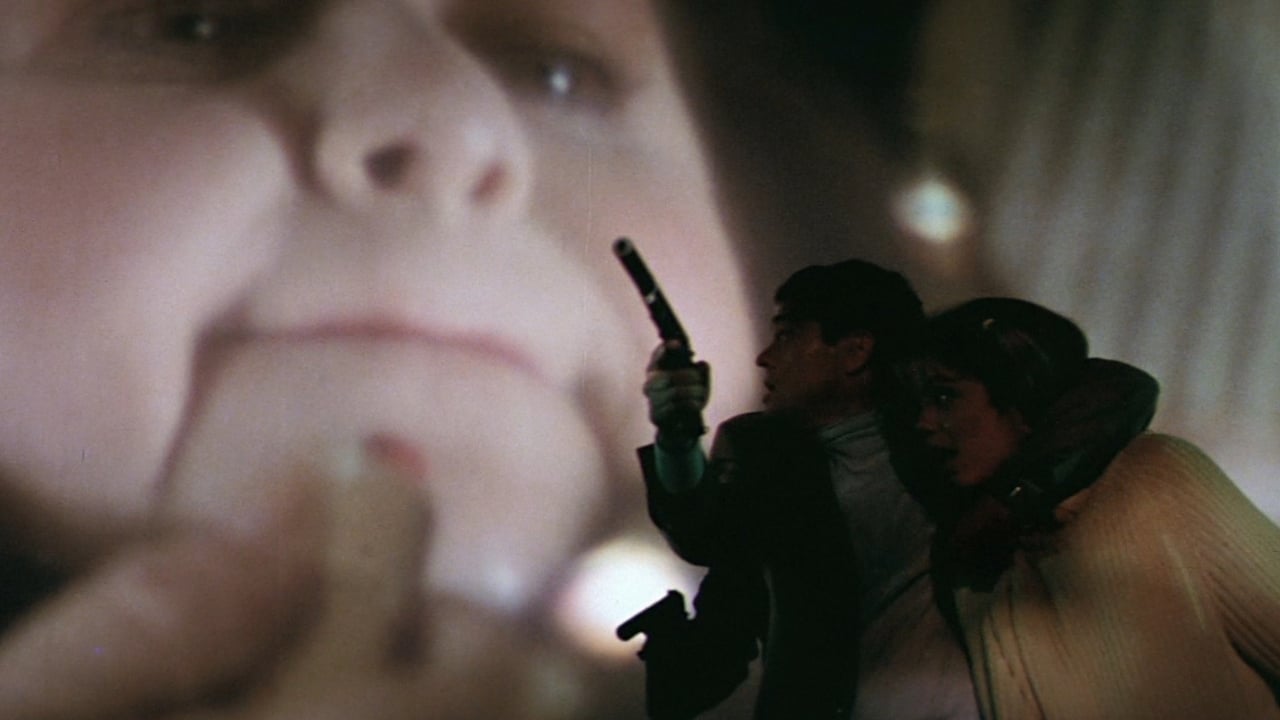
The Hypnotic Gaze of Bigas Luna
Anguish is more than just a clever gimmick. Luna, who also wrote the script, taps into the inherent vulnerability of the cinematic experience – sitting in the dark, passively absorbing images. The film’s opening hypnotic sequence isn't just for the characters in The Mommy; it feels aimed directly at us, the VHS viewer slumped on the couch late at night, or the original audience member sinking into their seat. This unsettling technique was reportedly so effective that some original screenings allegedly had nurses stationed in the lobby, a darkly brilliant marketing touch (or perhaps a genuine precaution?) that only adds to the film's unsettling legend. Could a film really hold that much power?
Shot primarily in Barcelona but set in Los Angeles (a common trick for European co-productions seeking wider appeal), the film cost a relatively modest $1.3 million. Luna uses these resources effectively, focusing on atmosphere over expensive set pieces. The production design contrasts the drab, suffocating world of The Mommy with the shadowy anonymity of the movie theater, both spaces fostering their own kind of dread. The score subtly shifts, enhancing the tension both on the "inner" screen and within the "outer" theater, further blurring the lines. It's a testament to Luna's vision that he could craft such a layered and disorienting experience, a feat he arguably never quite replicated with the same intensity in his later, often more erotically charged works like Jamón Jamón.
Beyond the Screen
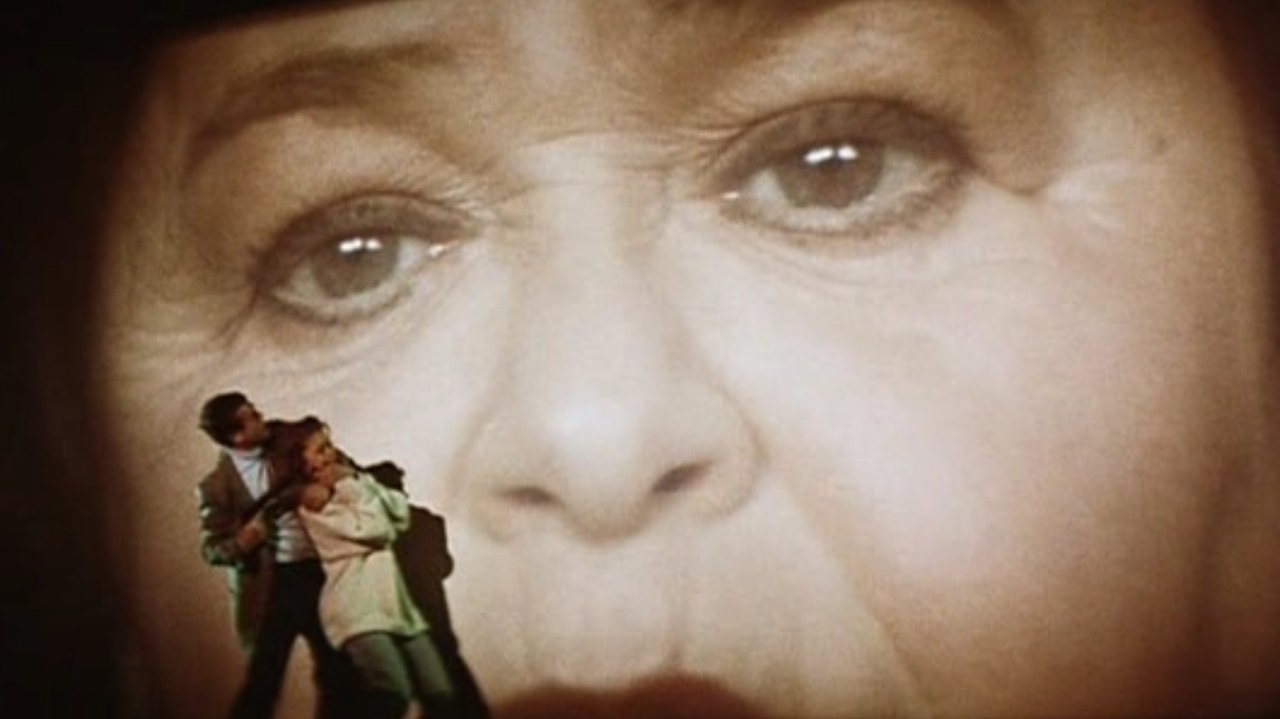
The casting of Zelda Rubinstein was a masterstroke. Fresh off her iconic Tangina role, her diminutive stature and unique voice were already associated with the uncanny. Here, she twists that persona into something truly malevolent, a psychic puppet master whose control extends, perhaps, beyond the fictional frame. Michael Lerner provides the perfect counterpoint, his simmering helplessness making the eventual violence feel both inevitable and pathetic.
The film doesn't just rely on its central conceit; it populates the cinema audience with believable characters whose mounting fear becomes our own. The tension ramps up expertly as the lines between the two realities dissolve entirely in the third act. Does that final twist still manage to catch you off guard after all these years? For many, its chilling ambiguity lingers long after the credits roll. Anguish arrived before the wave of self-aware horror like Scream, offering a more psychologically insidious take on meta-narrative, less concerned with winking at the audience and more focused on implicating them.
Verdict: A Meta-Horror Mind-Bender
Anguish is a uniquely unsettling experience, a film that understands the hypnotic power of cinema and turns it against the viewer. It leverages its film-within-a-film structure not just for cleverness, but to generate genuine paranoia and dread. The performances, particularly Rubinstein's, are pitch-perfect, and Luna's direction confidently guides us through the shifting realities. While perhaps a touch slow for some modern tastes in its build-up, the pervasive atmosphere and the sheer audacity of its concept make it a standout cult classic from the VHS era. It’s the kind of film that makes you glance nervously around the room the next time you’re watching a horror movie alone late at night.
Rating: 8.5/10 - This score reflects the film's ingenious structure, genuinely creepy atmosphere, strong central performances, and lasting psychological impact. It's a masterclass in meta-horror that feels ahead of its time, effectively blurring the line between spectator and participant in a way few films dare. A must-see for anyone exploring the stranger corners of 80s genre cinema.