There’s a certain kind of strangeness that only blooms under the flickering fluorescent lights of a forgotten video store aisle, nestled between dusty copies of mainstream hits. It’s the strangeness of a film like Hack-O-Lantern, a 1988 artifact that feels less like a cohesive movie and more like a fever dream stitched together from spare parts of slasher flicks, Satanic panic PSAs, and someone’s uncle’s home movies featuring a questionable local metal band. Pulling this tape off the shelf, the lurid cover promising generic Halloween thrills, gave little hint of the sheer, bewildering spectacle contained within.
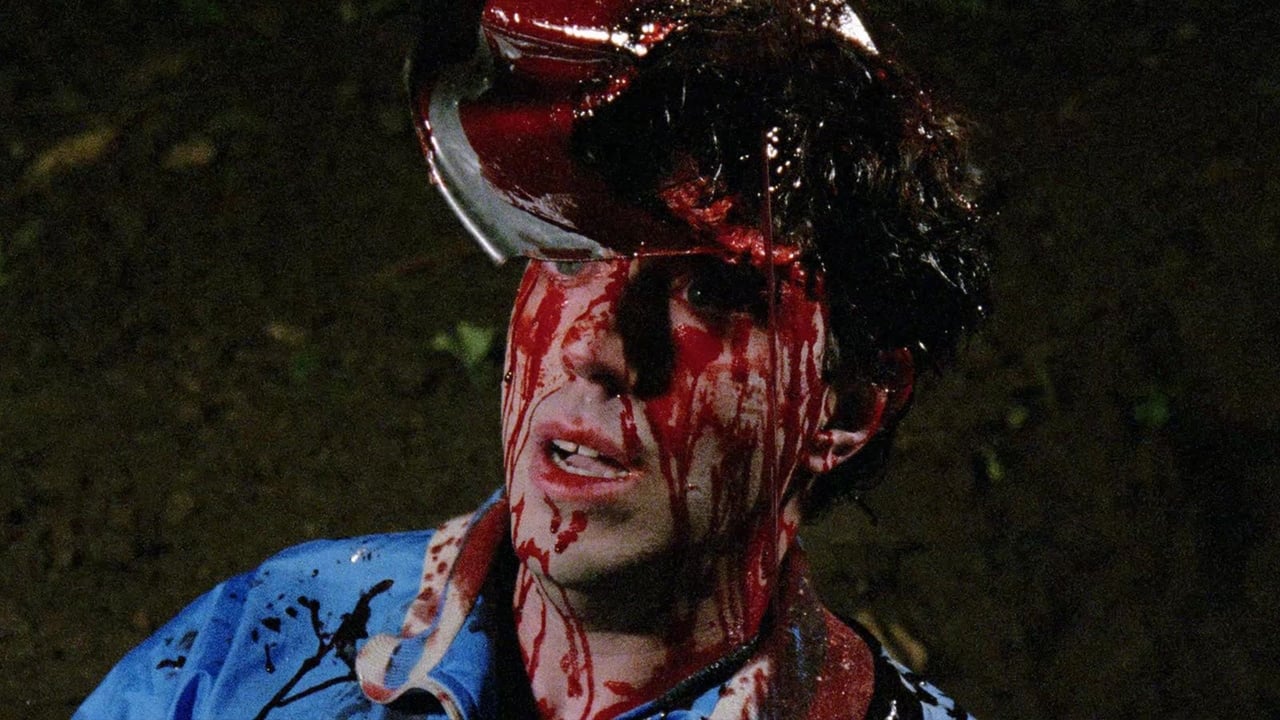
This isn't your typical masked killer stalking teens narrative, though it certainly tries to be... sometimes. The plot, such as it is, revolves around young Tommy, his creepy grandpa (Hy Pyke), a dark family secret involving a Satanic cult, and a Halloween party stalked by a murderer. But director Jag Mundhra, known more for his prolific output in exploitation cinema (like The Jigsaw Murders) than for subtle horror, and writers Tom Sawyers, James R. Moder (and Mundhra himself), seem determined to derail any conventional horror momentum with baffling detours.
Grandpa From the Pit
Let's address the infernal elephant in the room: Hy Pyke as Grandpa. Forget subtle menace or grandfatherly warmth; Pyke delivers one of the most unhinged, scenery-devouring performances ever committed to magnetic tape. His eyes bulge with maniacal glee, his pronouncements on Satanism and family destiny are delivered with the energy of a carnival barker channeling Lucifer himself, and his bizarre facial contortions are genuinely unsettling in their sheer audacity. Rumor has it that Pyke, who surprisingly had bit parts in much bigger films like Blade Runner (playing the bartender 'Taffey Lewis'), was largely left to his own devices here, resulting in this force-of-nature performance that transcends good or bad acting into something purely… other. It’s a spectacle that has to be witnessed to be disbelieved, a black hole of charisma that pulls the entire flimsy production into its orbit. Did anyone on set dare tell him to tone it down? One suspects not.
An Unholy Union: Slashers and Satan
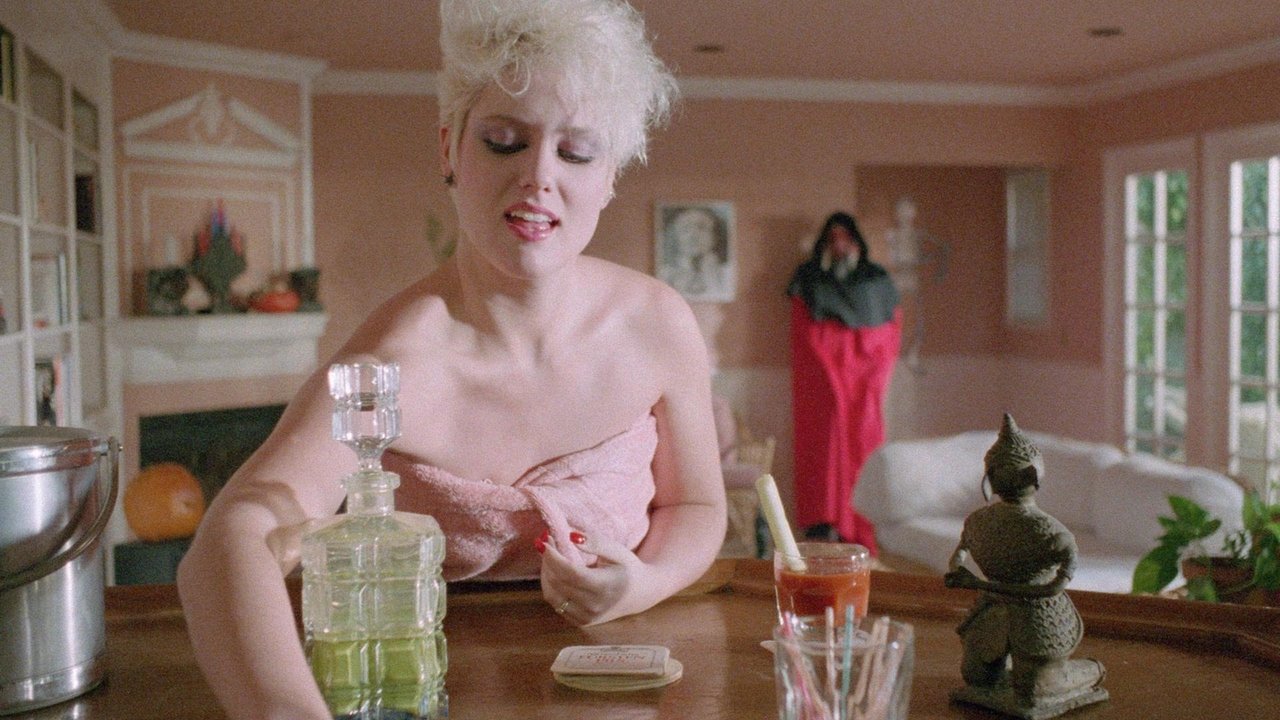
The film tries to tap into the very real Satanic Panic anxieties gripping parts of America in the 80s, weaving a tale of generational devil worship into a standard holiday slasher setup. On paper, maybe it sounded intriguing. On screen, it’s a chaotic mess. The connections are tenuous, the mythology half-baked, and the attempts at building dread are constantly undercut by either Grandpa’s histrionics or the film’s other major detour: the inexplicable extended sequences featuring a live heavy metal band performing at the Halloween party.
These lengthy musical interludes, featuring a band whose raw energy feels completely disconnected from the supposed horror plot, feel like pure padding, likely added to stretch the runtime or perhaps fulfill some forgotten contractual obligation. They stop the film dead in its tracks, transforming it momentarily into a low-budget concert film before abruptly remembering it's supposed to be a slasher. Yet, in a strange way, this jarring tonal whiplash contributes to Hack-O-Lantern's unique, accidental charm. It's a film utterly unsure of what it wants to be, and that confusion becomes its defining characteristic. We also get glimpses of Gregory Scott Cummins here, pre-dating his later familiar appearances as tough guys in films like Cliffhanger, playing one of the deputies navigating this rural chaos.
The Aesthetics of Austerity
Shot on what looks like a shoestring budget, the film has that distinct late-80s direct-to-video aesthetic. The lighting is often flat, the sets look lived-in (perhaps too lived-in), and the gore effects, when they appear, are earnest but limited. The killer's presence is often underwhelming, lacking the iconic menace of a Jason or Michael Myers. There’s a certain grimy authenticity to it, though – the kind you only got from films shot quickly and cheaply, aiming squarely for that bottom shelf at the video store. This wasn’t aiming for slick multiplex horror; it was aiming for a weekend rental fueled by a cool title and a spooky cover. The very title, Hack-O-Lantern (sometimes listed as Halloween Night), feels like a desperate attempt to cash in on the holiday horror craze, promising far more focused slashing than the meandering, bizarre story delivers.
Legacy of the Lantern
Hack-O-Lantern never achieved mainstream recognition, nor did it significantly influence the horror genre, unless you count its contribution to the burgeoning "so bad it's good" VHS cult circuit. It remains a curiosity, a prime example of bizarre, low-budget filmmaking ambition colliding with questionable execution. Watching it today feels like unearthing a time capsule filled not just with 80s fashion and anxieties, but with a peculiar brand of cinematic madness. It’s incoherent, technically inept in many ways, and features acting that ranges from wooden to utterly bonkers. And yet… there’s something hypnotic about its sheer wrongness. I distinctly remember renting this on a whim, expecting generic trash, and being utterly unprepared for the hallucinatory ride. Doesn't that unhinged grandpa performance still burrow into your brain?
VHS Heaven Rating: 3/10
The score reflects the film's objective flaws – poor pacing, nonsensical plot, jarring tonal shifts, and often amateurish execution. However, the points are awarded almost entirely for its staggering cult appeal, Hy Pyke's legendary performance, and its status as a fascinatingly bizarre artifact of the VHS era. It's not "good" by any traditional measure, but for connoisseurs of cinematic oddities and unintentional hilarity, it offers a uniquely bewildering experience.
Hack-O-Lantern stands as a testament to the strange wonders lurking in the forgotten corners of video rental history – a baffling, sometimes tedious, but ultimately unforgettable slice of outsider horror filmmaking. It's less a chilling nightmare, more a bewildering head-scratcher that somehow leaves you smiling.