The opening notes echo like fractured ice chimes, immediately setting a tone of brittle elegance and impending dread. A lone figure glides across a vast, empty rink, the scratch of skates the only sound piercing the frigid air. It’s a scene of strange, isolated beauty, but one that quickly curdles into something deeply unsettling. This is the haunting overture to Curtains (1983), a Canadian slasher film that feels less like a straightforward genre entry and more like a fractured nightmare pieced together from unsettling vignettes. Watching it again, decades later, that initial chill remains remarkably potent.
A Troubled Stage
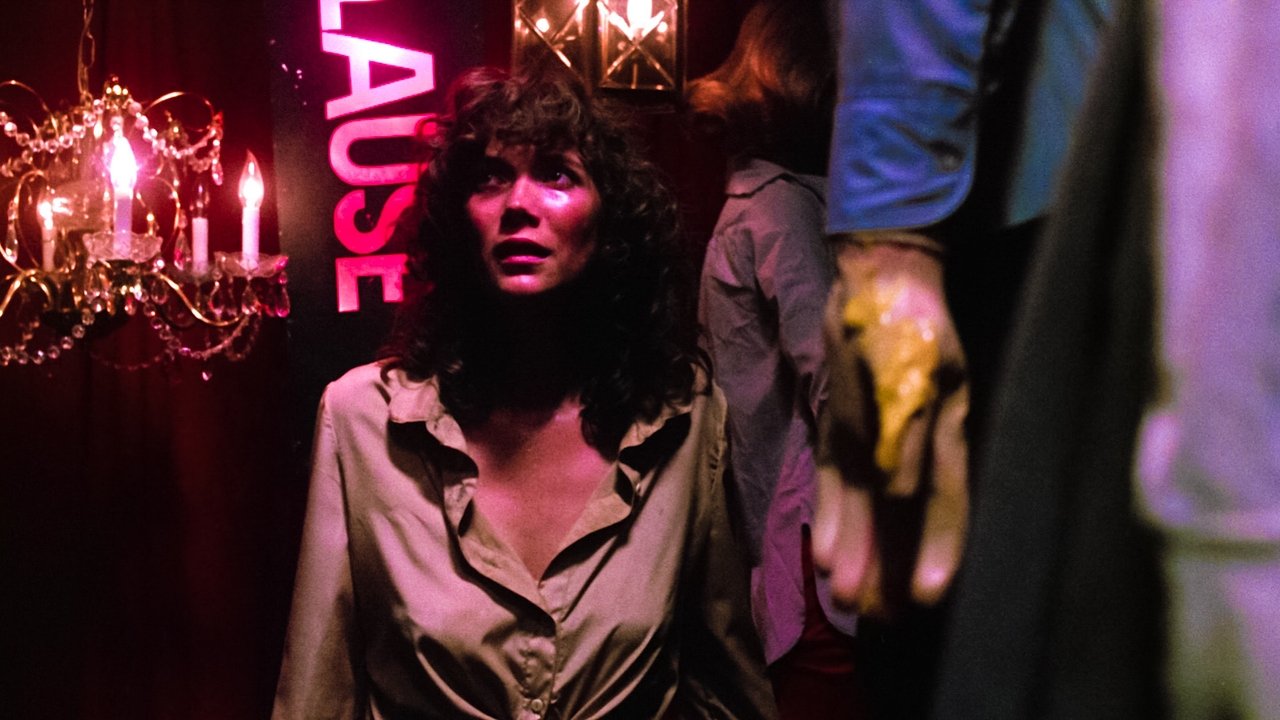
The premise sounds familiar enough for the era: demanding director Jonathan Stryker (John Vernon, radiating menace perfected in films like Dirty Harry and Animal House) invites a gaggle of hopeful actresses to his remote, snowbound mansion to audition for his next big film, Audra. Among them is Samantha Sherwood (Samantha Eggar, who brought intense complexity to The Collector), an actress who went so far as to commit herself to an asylum to research a previous role for Stryker, only to find he'd recast her upon her return. Now, she crashes the audition weekend, adding another layer of tension to an already volatile mix that includes established star Linda Thorson (The Avengers) and younger hopefuls. Soon, a killer wearing a truly grotesque old hag mask begins picking off the competition in creatively staged, often surreal ways.
But Curtains is anything but straightforward. Its disjointed feel, abrupt tonal shifts, and occasionally baffling character motivations aren't just artistic choices; they're scars from a notoriously chaotic production. Original director Richard Ciupka clashed heavily with producer Peter R. Simpson (who had previously produced Prom Night), leading to Ciupka leaving (or being fired, depending on who you ask) and Simpson stepping in to direct extensive reshoots nearly two years after initial photography wrapped. Ciupka even fought, unsuccessfully, to have his name removed, eventually being credited under the pseudonym Jonathan Stryker – yes, the same name as the film's manipulative director character. This behind-the-scenes turmoil bleeds onto the screen, creating a film that sometimes feels like channel-surfing between a psychological drama and a stalk-and-slash picture.
Moments That Linger
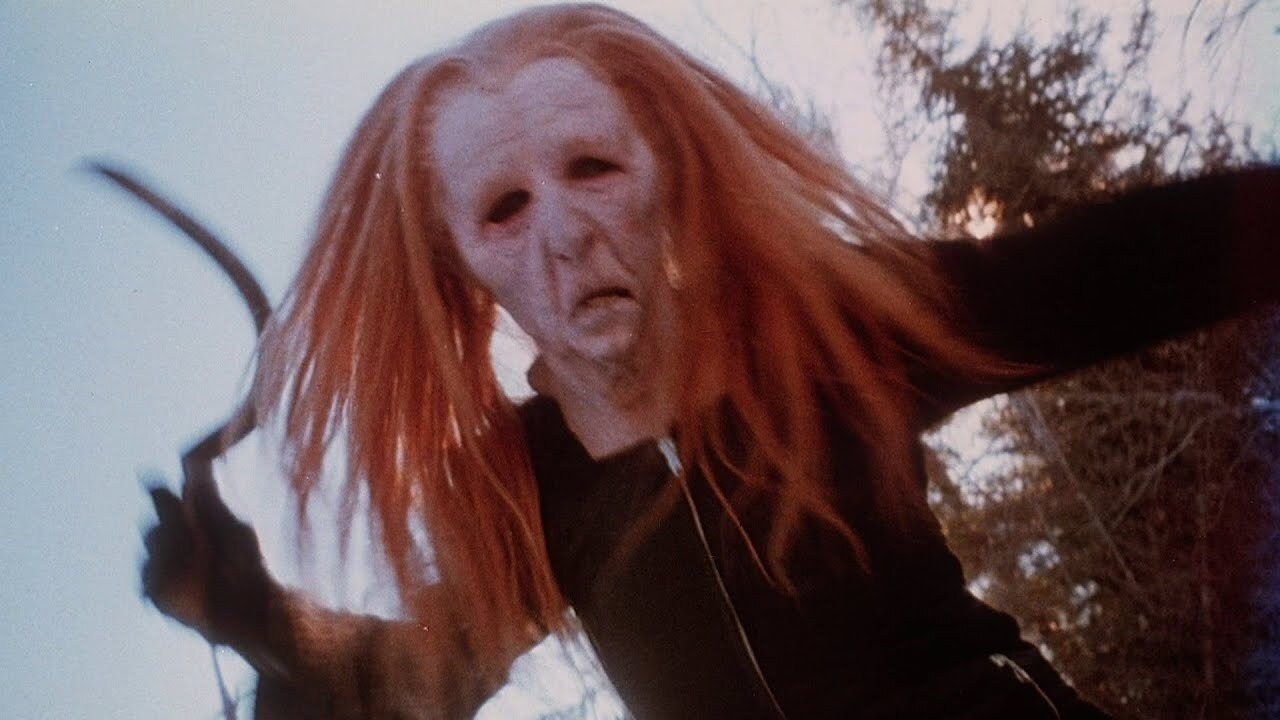
Despite, or perhaps because of, its fractured nature, Curtains boasts some sequences that burrow under your skin and stay there. The aforementioned ice skating scene is arguably the film's chilling centerpiece. The desolate beauty, the sudden appearance of the hag-masked killer wielding a sickle, the victim’s desperate attempts to flee on skates – it’s masterfully staged for suspense and visual poetry, even more impressive when you learn it was one of the later additions conceived by Simpson during the reshoots to inject more conventional horror beats.
Then there’s the infamous sequence involving a detached doll head found on a snowy road. Its blank, accusing stare is inexplicably creepy, a moment of pure surreal dread that doesn't necessarily advance the plot but significantly amps up the unsettling atmosphere. Other memorable moments include a genuinely tense chase through a prop warehouse filled with mannequins (a classic trope, effectively deployed) and a rather startling encounter in the mansion’s indoor pool. The Hag mask itself is a triumph of low-budget horror design – simple, decayed, and genuinely unnerving. Doesn't that leering, wrinkled visage still feel uniquely disturbing compared to some of the more generic slasher masks of the era?

Atmosphere Over Cohesion
What Curtains lacks in narrative coherence, it often makes up for in sheer atmosphere. The isolated mansion setting, blanketed in snow, feels genuinely claustrophobic. The cinematography often favors shadows and off-kilter framing, enhancing the sense of unease. Paul Zaza's score is minimalist but effective, relying on dissonant piano notes and icy synths to create a palpable sense of dread. While the acting is a mixed bag, as is common in slashers of the period, John Vernon is perfectly cast as the egotistical, potentially dangerous director, and Samantha Eggar throws herself into her role with a sometimes startling intensity – her method-acting backstory reportedly mirrored her own dedication to the part.
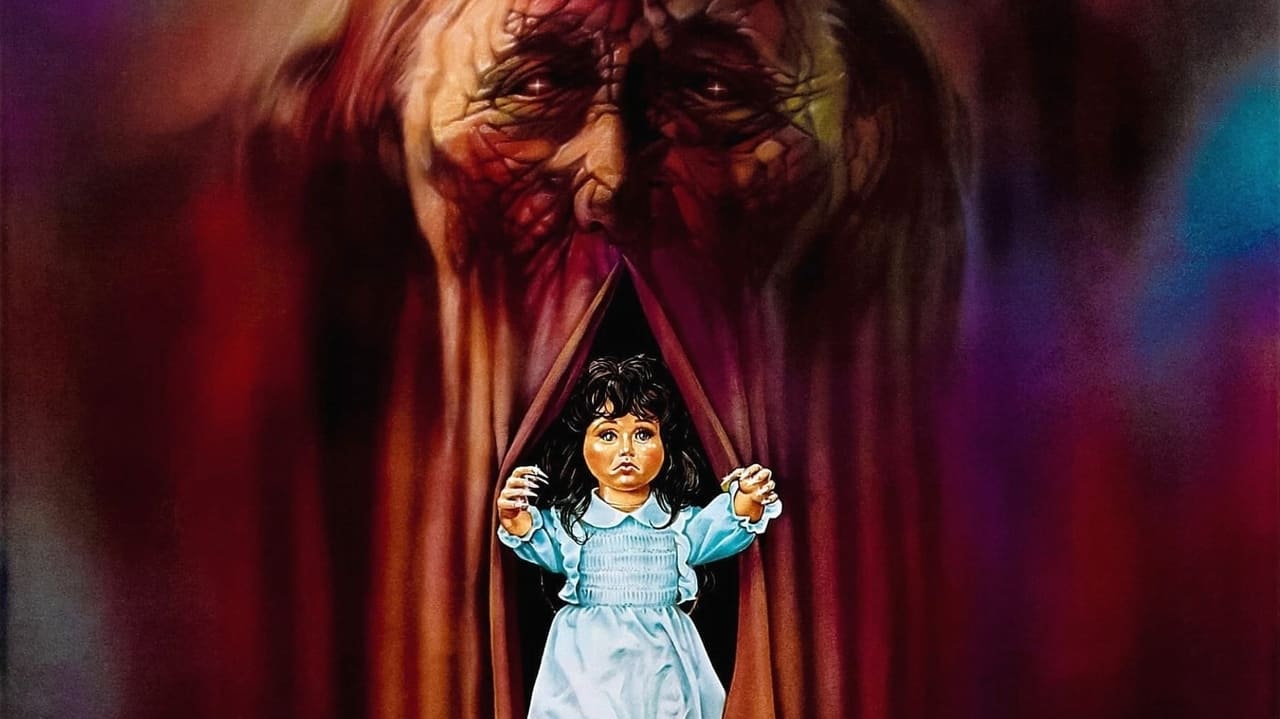
The production chaos meant some plot threads dangle, character arcs feel incomplete, and the killer's ultimate identity and motivation feel somewhat underdeveloped compared to the slow-burn build-up. It’s a film you appreciate more for its individual moments of brilliance and its pervasive strangeness than for its overall narrative integrity. I distinctly remember renting this from a dusty corner of the local video store, drawn in by the lurid cover art, and being utterly baffled but also strangely captivated by its off-kilter rhythm. It wasn’t like the Friday the 13th or Halloween clones; it felt...weirder.
Final Cut
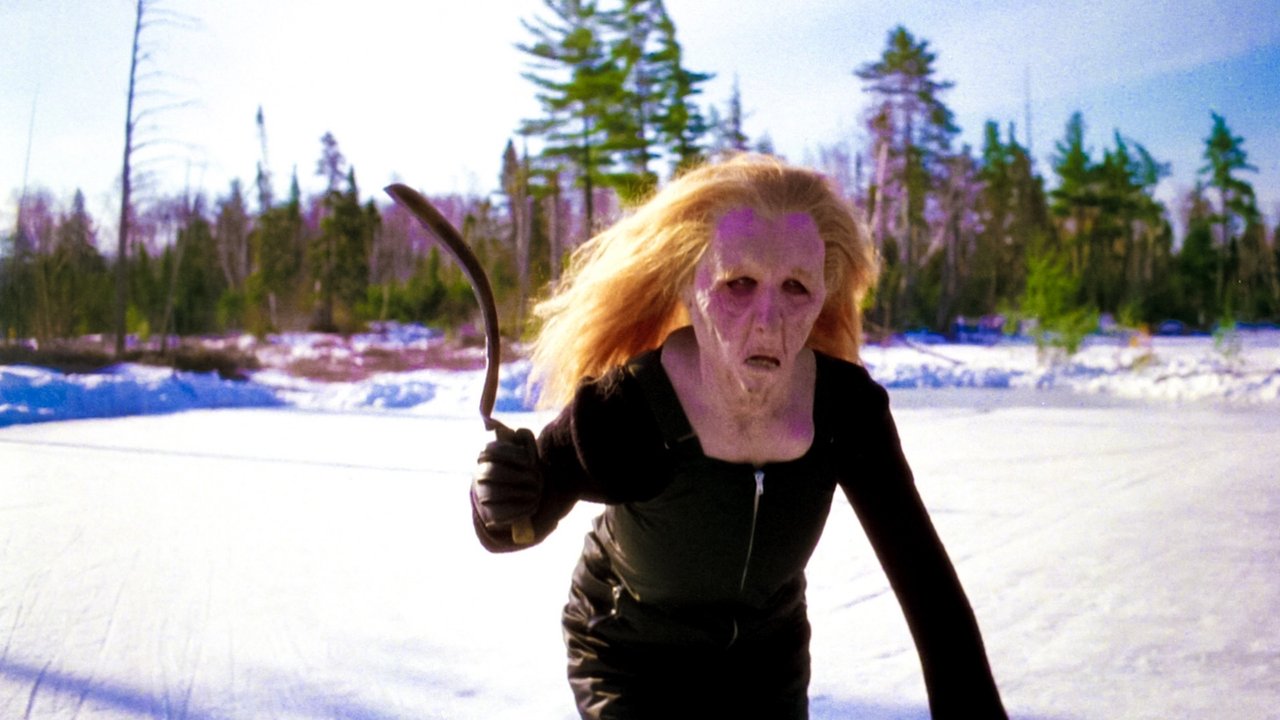
Curtains is the definition of a cult classic – flawed, messy, born of conflict, yet possessing moments of genuine artistry and unsettling power. Its troubled production history is inseparable from the final product, explaining its inconsistencies while also adding a layer of behind-the-scenes intrigue that fascinates retro film fans. It doesn’t fully succeed as either a psychological thriller or a pure slasher, but it occupies a unique, eerie space somewhere in between. The striking visuals, the memorable Hag mask, and that ice skating scene ensure its place in the annals of 80s horror oddities.
Rating: 6/10 - The score reflects a film hampered by its chaotic creation, resulting in narrative inconsistency and uneven pacing. However, its exceptional atmosphere, iconic sequences (especially the ice skating scene), genuinely creepy killer design, and overall unsettling vibe earn it significant points and cement its status as a fascinating, must-see cult curio for any serious VHS-era horror fan.
It remains a strange, haunting artifact from the slasher boom's golden age – a film that proves sometimes the most memorable chills come from the most fractured dreams.