The sterile white corridors stretch endlessly under the cold hum of fluorescent lights. Every shadow seems too long, every distant clatter amplifies into a potential threat. That pervasive sense of vulnerability, the place you go to heal becoming the hunting ground – that's the chilling heart of Visiting Hours, a film that burrowed under the skin back in 1982 and still leaves a residue of unease. It wasn't about jump scares; it was about the slow, creeping dread of being trapped, exposed, and utterly alone with someone who means you harm.
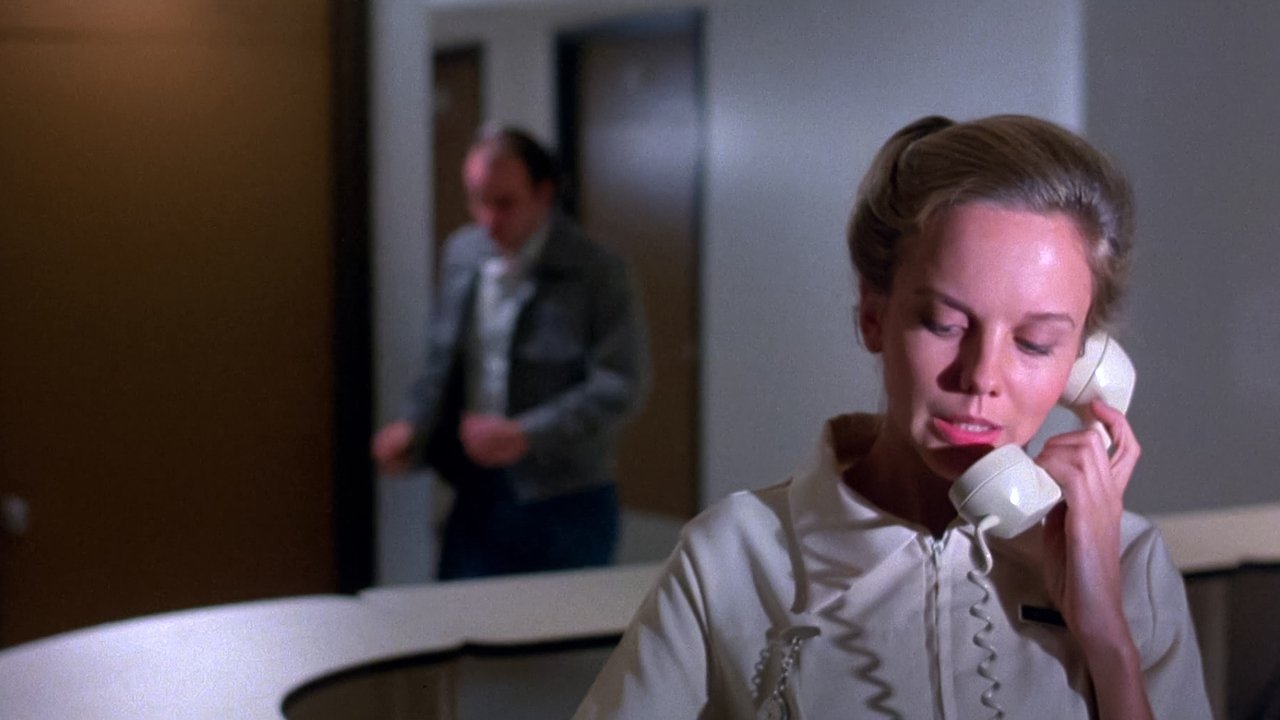
### Cold Corridors, Colder Intentions
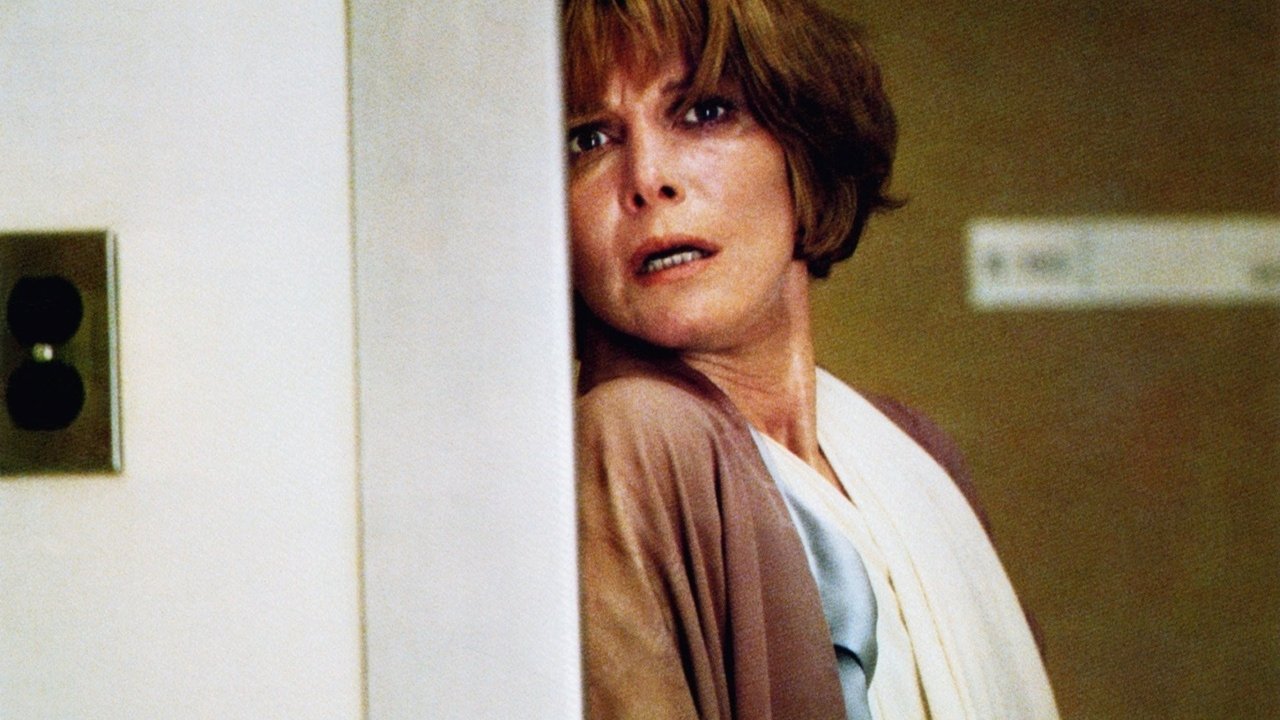
Directed by Canadian filmmaker Jean-Claude Lord, Visiting Hours taps into a primal fear. Deborah Ballin (Lee Grant, a phenomenal actress who always brought gravity to her roles, think Damien: Omen II), a strong-willed television journalist known for her feminist stances, becomes the target of Colt Hawker (Michael Ironside). After a brutal attack in her home leaves her hospitalized, the nightmare isn't over. Hawker, driven by a chillingly detached misogyny, decides visiting hours apply to him too, slipping through the hospital's porous security to finish the job. It's a simple premise, but its execution within the labyrinthine confines of the County General Hospital creates a remarkably effective pressure cooker.
The film leans heavily on atmosphere. The institutional setting isn't just a backdrop; it's an active participant in the terror. Remember those slightly grimy, echoing hospital hallways from the era? Visiting Hours weaponizes them. Every corner turned, every empty room glimpsed, feels fraught with potential danger. Lord uses the inherent anxieties associated with hospitals – helplessness, sterility, the proximity of death – and twists them into a stalk-and-slash narrative.
### The Face of Relentless Hate
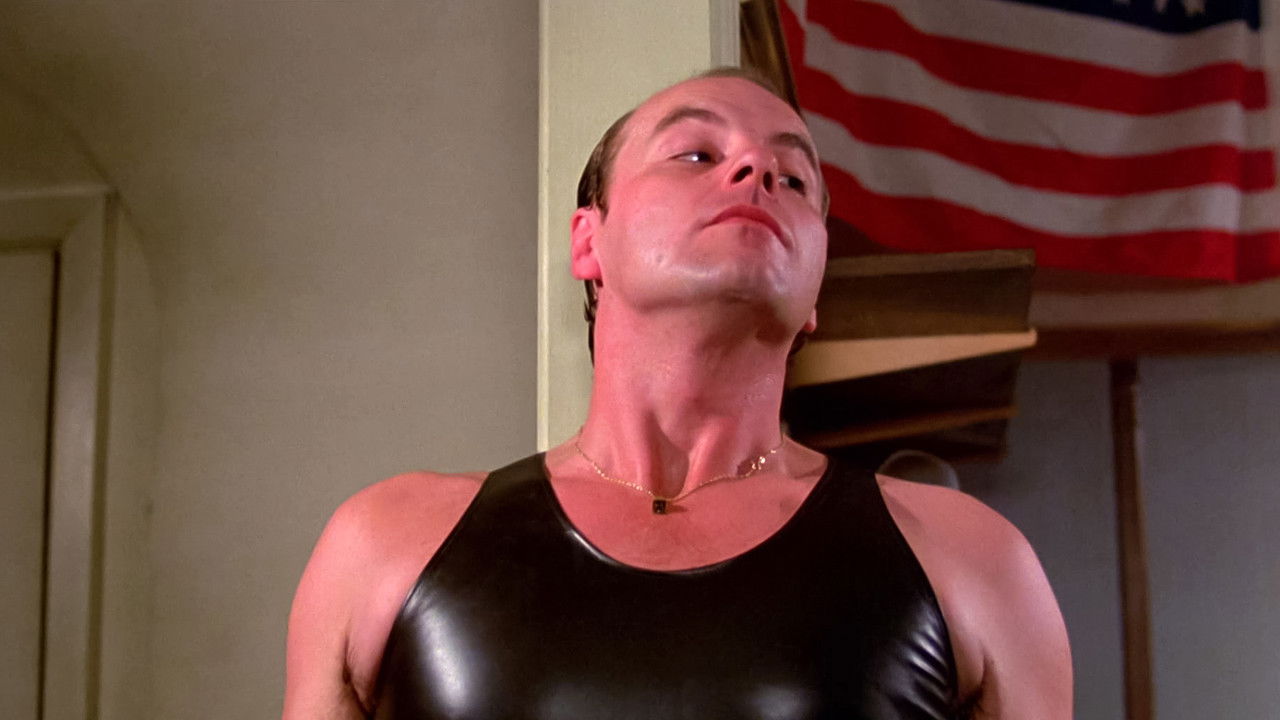
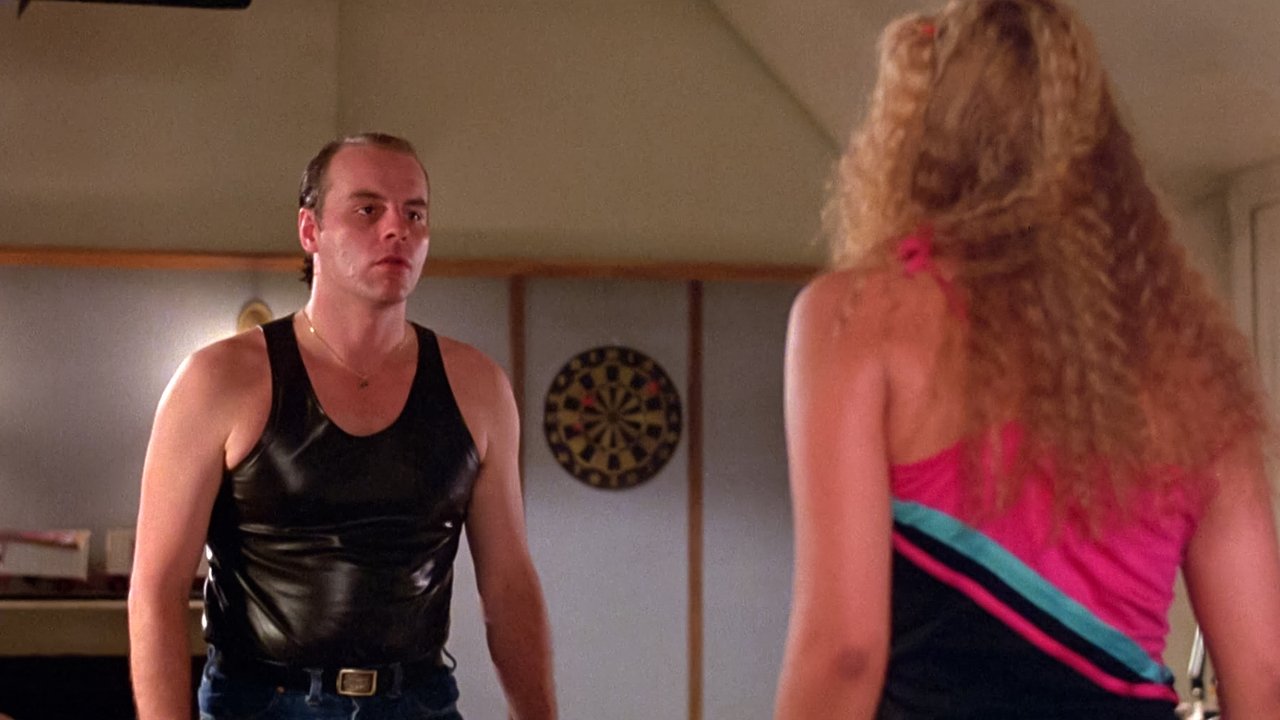
Let's be honest, the reason Visiting Hours lodges itself in memory is Michael Ironside. As Colt Hawker, he delivers a performance of pure, unadulterated menace. This isn't a masked cipher; Hawker is disturbingly human, his motivations rooted in a warped ideology amplified by personal trauma (briefly, chillingly glimpsed). His quiet intensity, the deadness in his eyes, is far more terrifying than any over-the-top theatrics. Ironside, who would later become iconic for roles in films like Scanners (1981) and Total Recall (1990), reportedly maintained a fierce intensity on set, staying somewhat in character to fuel the palpable rage Hawker exudes. Doesn't that focused, simmering hatred still feel genuinely unsettling? It’s a portrayal that elevates the film beyond a standard slasher template.
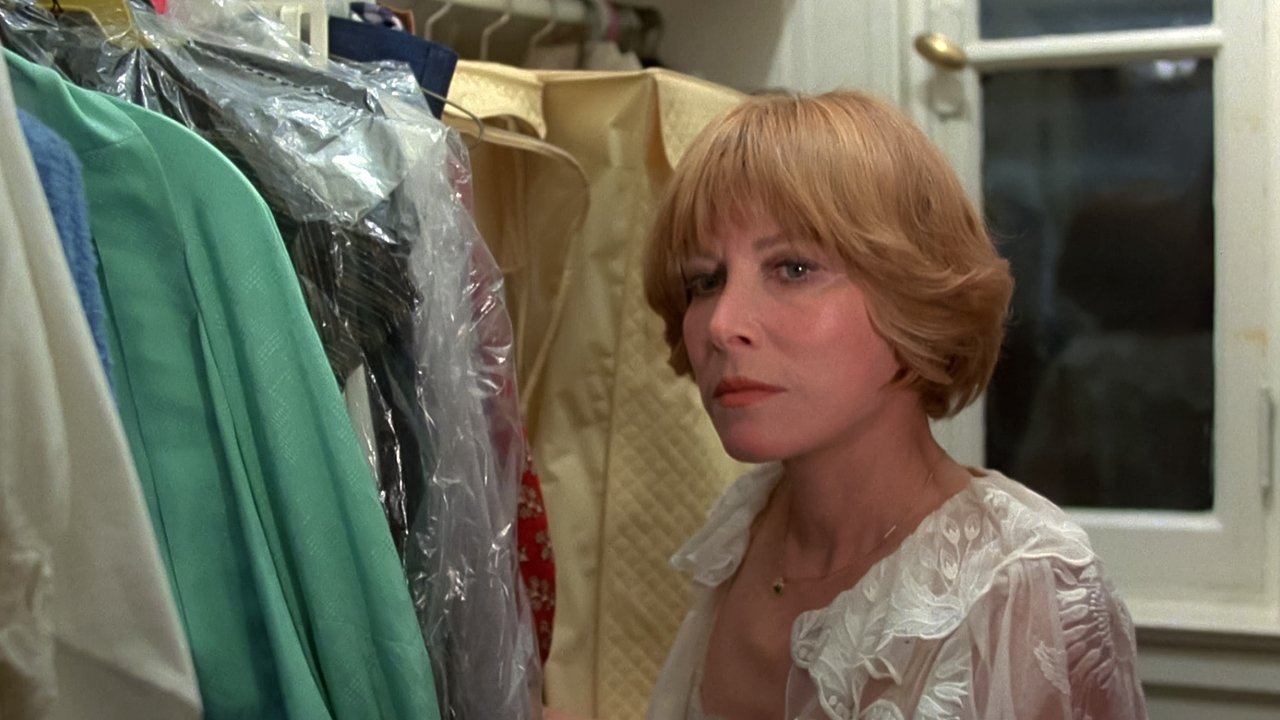
Opposite him, Lee Grant provides the essential human core. Her Deborah Ballin isn't a helpless victim. She’s intelligent, resourceful, and terrified, but refuses to be broken. Grant portrays the physical and psychological toll with nuance, making her fight for survival feel desperately real. And then there's William Shatner as Gary Baylor, Deborah's concerned boss. It was certainly a departure from Captain Kirk, playing a more grounded, almost ordinary character trying to navigate the unfolding horror. While perhaps not his most demanding role, his presence adds a familiar anchor amidst the rising panic.
### Building Dread, Brick by Brick
Visiting Hours isn't known for intricate gore, which might have disappointed some gorehounds renting it from the horror section back in the day. Instead, its power lies in suspense. Think of the agonizing tension of the elevator scene, or the simple, terrifying image of Hawker disguised in hospital scrubs, blending seamlessly into the environment. The film understands that the threat of violence, the anticipation, can be more nerve-wracking than the act itself. The score by Jonathan Goldsmith underscores this perfectly, opting for unnerving cues over bombastic stingers.
Filmed primarily in Montreal, the production utilized real hospital locations, adding a layer of authenticity that enhances the dread. This wasn't some stylized Hollywood set; it felt like a place you could actually find yourself in, making the intrusion of violence even more jarring. While perhaps overshadowed by the bigger slasher franchises emerging around the same time (Friday the 13th, Halloween II were recent hits), Visiting Hours carved its own niche. It was a modest success, earning over $13 million against a $5.5 million budget – a solid return for a Canadian production navigating the competitive early 80s horror market.
Of course, the film wasn't without controversy. Its focus on violence against a prominent feminist figure drew criticism for potentially exploiting misogyny rather than condemning it. It’s a valid discussion point, and watching it today, the gender politics definitely feel rooted in their specific era. Yet, Grant’s strong performance pushes back against simple victimhood, giving the film a complexity some of its contemporaries lacked.
### The Lingering Chill
Watching Visiting Hours today evokes that specific feeling of late-night VHS rentals. The slightly grainy picture, the hum of the VCR – it almost enhances the film's gritty, unsettling atmosphere. It’s a slower burn than many modern thrillers, allowing the tension to seep in gradually. It might feel dated in its pacing or some of its social commentary, but the core concept – being hunted in a place of supposed safety – remains potent. It taps into that vulnerability we all feel when reliant on institutional care, magnifying it into a terrifying game of cat and mouse.
Rating: 7/10
Justification: Visiting Hours earns its score through its palpable atmosphere of dread, Michael Ironside's truly chilling performance, and Lee Grant's resilient portrayal of the protagonist. It successfully utilizes its hospital setting to maximize tension and overcomes a somewhat standard plot with effective suspense-building. While its pacing might test some modern viewers and its themes invite debate, it remains a standout example of the early 80s psychological stalker film, more interested in sustained unease than cheap thrills.
Final Thought: It may not be the flashiest slasher on the shelf, but Visiting Hours is one of those gritty, uncomfortable early 80s thrillers that reminds you true horror often lies not in the monstrous, but in the terrifying possibilities of human malice finding you at your most vulnerable. A chillingly effective hospital nightmare.