Okay, settle in. Dim the lights maybe, let that familiar hum of imagined static fill the room. Because tonight, we’re dialing up a number that still sends a shiver down the spine, even four decades later. We're talking about Fred Walton's 1979 masterclass in escalating dread, When a Stranger Calls. Forget jump scares; this film understood something far more potent – the terror of the unseen, the violation of safety in the one place you should feel most secure.
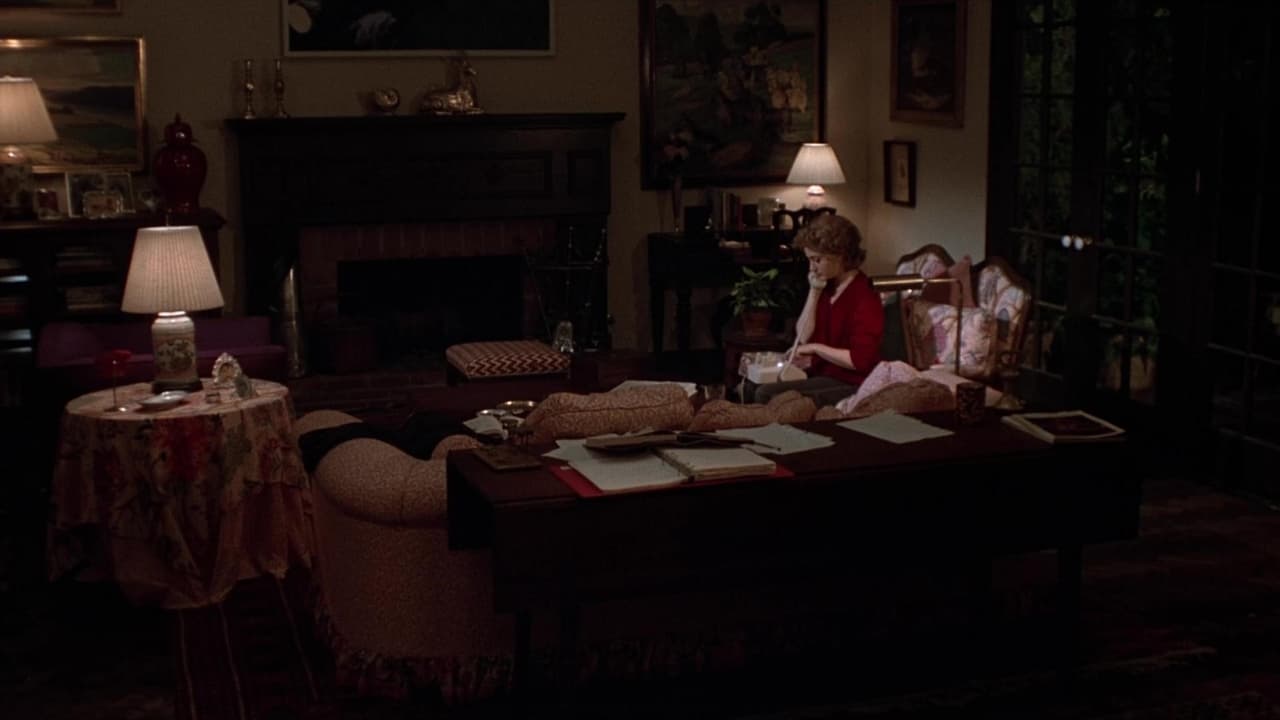
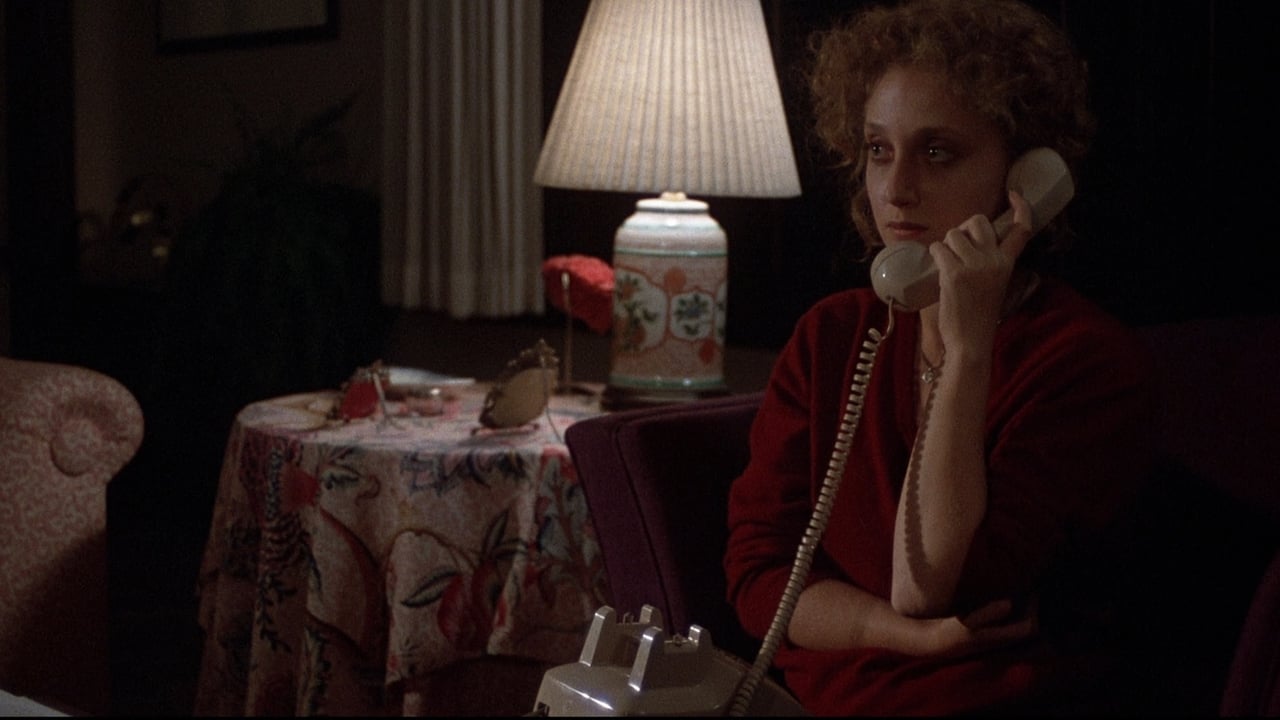
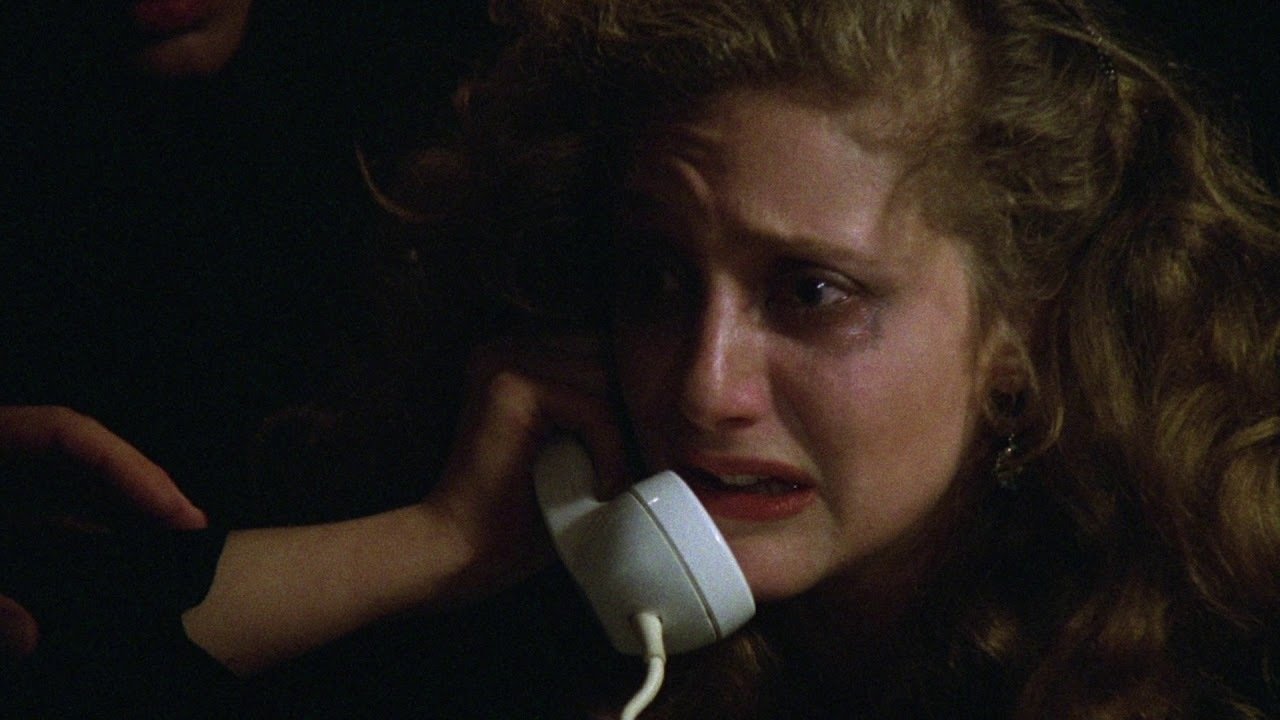
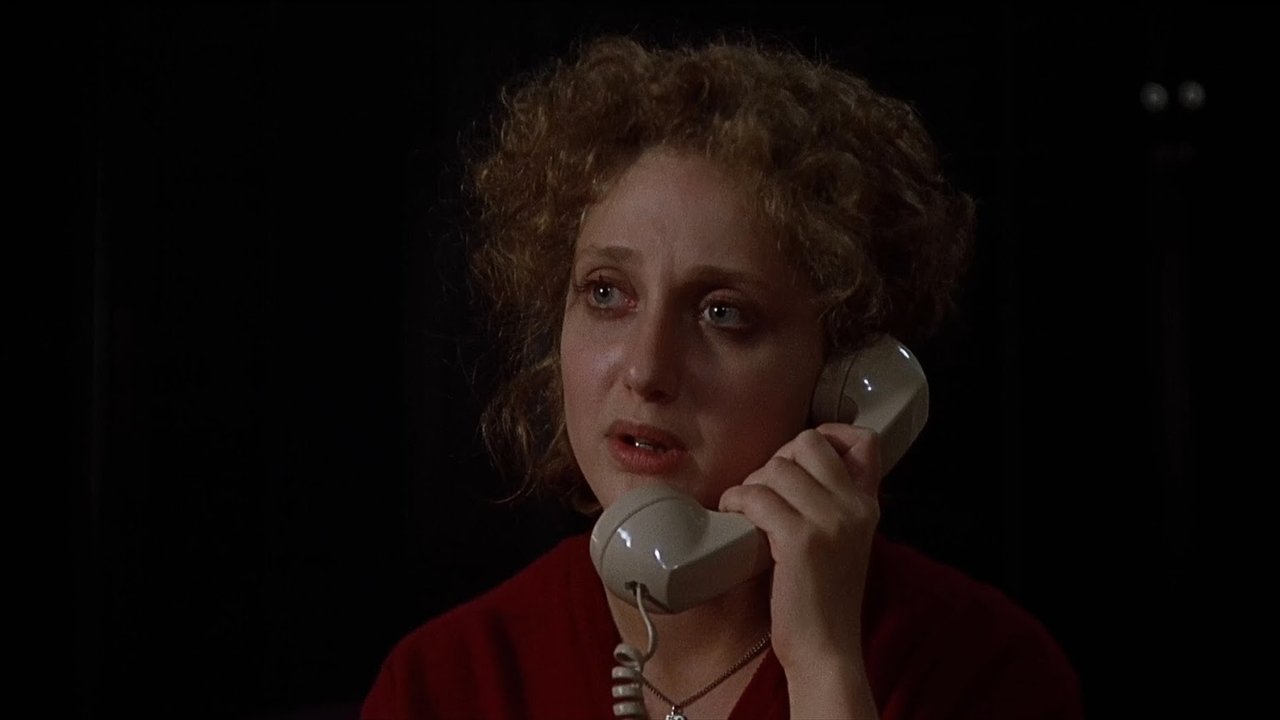
The hook isn't just sharp; it's practically mythic. That opening twenty minutes... has cinema ever weaponized a telephone quite so effectively? It’s pure, distilled suspense, playing on the primal fear embedded in the urban legend of "The Babysitter and the Man Upstairs," a tale whispered at sleepovers long before Walton brought it so chillingly to life. Carol Kane, as the besieged babysitter Jill Johnson, is a revelation. Her wide eyes aren't just conveying fear; they're reflecting the dawning, horrifying realization that the threat isn't out there, it's already inside. Walton, who had honed this sequence in his earlier short film The Sitter, stretches the tension like a rubber band about to snap. Each ring of the phone, each increasingly menacing question from the caller, tightens the knot in your stomach. Remember the first time you heard the operator utter those fateful words: "We've traced the call... it's coming from inside the house!"? It wasn't just a plot twist; it felt like a fundamental breach of reality, a moment seared into the collective consciousness of anyone who saw it back in the day, maybe huddled close to a flickering CRT screen.
That Unforgettable Beginning
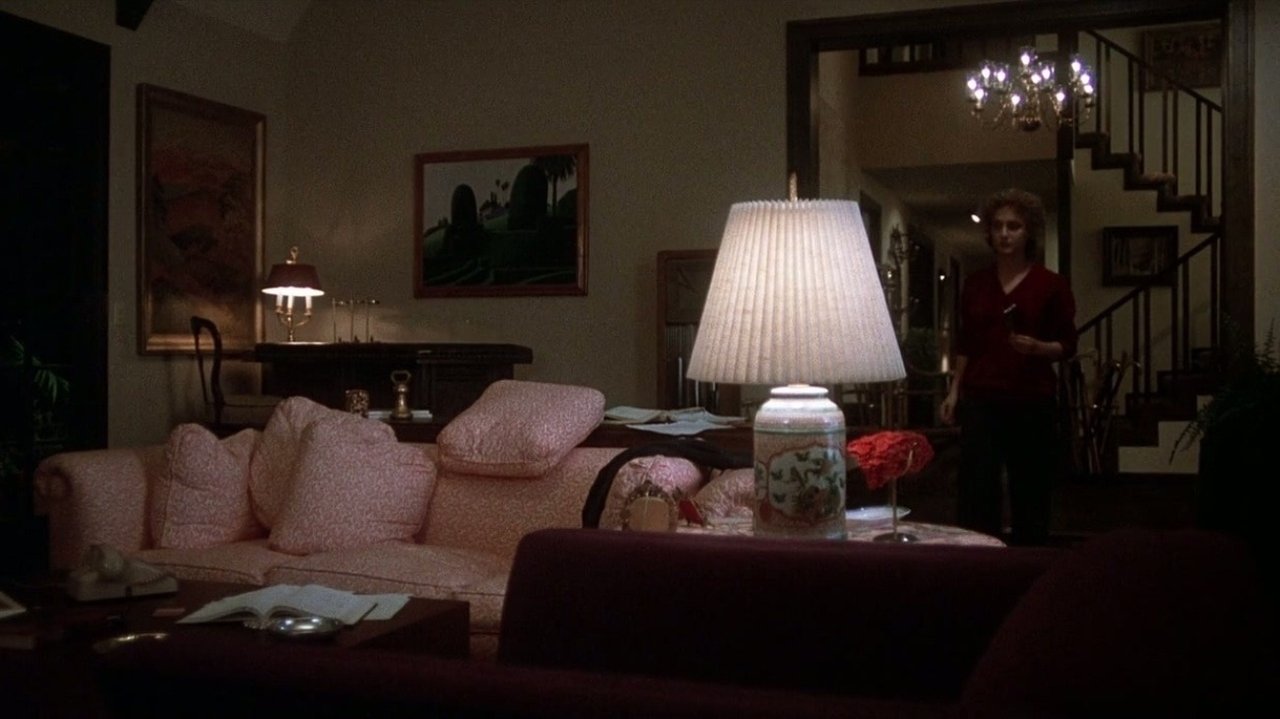
The genius lies in its simplicity. No elaborate monster, no complex backstory needed – just a young woman, isolated in a large, unfamiliar house, and a voice on the line. The production design is deliberately sparse, the lighting stark, emphasizing Jill's vulnerability. Dana Kaproff's score isn't overly intrusive but subtly underscores the rising panic, letting the silences and the jarring ring of the phone do the heavy lifting. Kane’s performance is pitch-perfect; you feel every ounce of her terror transform into desperate action. It’s a sequence so potent, so perfectly constructed, that it became the benchmark against which countless other thrillers, particularly in the burgeoning slasher genre that followed, would be measured. It's said that Walton fought to keep the opening sequence lean and focused, resisting studio pressure to show the killer too early, a decision that proved absolutely crucial to its lasting power.
The Road Less Traveled
And then… the film shifts gears. Dramatically. After that iconic opening, When a Stranger Calls jumps forward seven years, transforming into something closer to a gritty police procedural fused with a character study of the escaped killer, Curt Duncan (played with unnerving emptiness by Tony Beckley), and the haunted detective, John Clifford (Charles Durning), obsessed with recapturing him. This structural choice has always been divisive. Some viewers, riding high on the adrenaline of the opening, felt let down by the slower, more methodical middle act. You can almost feel the seams where the original short film concept was expanded to feature length.
Yet, there’s a compelling argument to be made for this unconventional structure. It grounds the horror, giving weight and consequence to the terror Jill experienced. We see the ripple effects of that night, the psychological toll on both the victim and the pursuer. Charles Durning brings his reliable gravitas to Clifford, a man driven not just by duty, but by a profound sense of responsibility. His scenes with Tracy (Colleen Dewhurst), a world-weary barfly who encounters Duncan, add a layer of tragic realism. It's a grim detour into the loneliness and desperation that exists on the fringes of society, where predators can hide in plain sight. Tragically, Tony Beckley, who delivered such a memorably chilling performance as the softly spoken killer, passed away from cancer shortly after the film's release, adding a somber note to his unsettling portrayal.
Returning to the Source of Fear
The film doesn't forget its promise, though. The final act brings the narrative full circle, returning to Jill, now married with her own children. The dread creeps back in, subtly at first, then with gut-wrenching inevitability. Walton proves he hasn't lost his touch, orchestrating a climax that, while perhaps not quite matching the raw perfection of the opening, delivers a potent dose of suspense and brings the story to a terrifyingly cyclical close. Doesn't that final shot still linger, that feeling that the nightmare is never truly over?
Watching When a Stranger Calls today, especially if you have a decent memory of seeing it on a worn-out VHS tape rented from the local video store, is a fascinating experience. The middle section might test the patience of those expecting wall-to-wall scares, but its power remains undeniable. It tapped into a universal fear – the vulnerability of being alone, the sanctity of home being shattered, the chilling anonymity of a voice on the phone. It’s a film that understood atmosphere, performance, and the slow burn of genuine terror long before digital trickery became the norm.
Rating: 8/10
This score reflects the sheer brilliance and lasting impact of the opening sequence, Carol Kane's terrified authenticity, and the film's overall chilling atmosphere. While the structural shift in the middle act remains a point of contention and slows the relentless pace set initially, it adds a layer of depth often missing in straightforward genre fare. The film earns its place as a cornerstone of the thriller genre, a masterclass in building suspense that feels disturbingly real. When a Stranger Calls didn't just give us a scary movie moment; it gave us a phrase, a scenario, that became shorthand for ultimate domestic dread, proving that sometimes the most terrifying calls are the ones you can't hang up on.