The image burns itself behind your eyelids: a young man, perched like a damaged bird atop a concrete tree inside the sterile white hell of a psychiatric ward. This isn't just an opening scene; it's a keyhole glimpse into the fractured psyche of Fenix, the tormented soul at the heart of Alejandro Jodorowsky's hallucinatory nightmare, Santa Sangre. Released in 1989, after the legendary director's long absence from filmmaking following studio interference on Tusk and the legendary collapse of his ambitious Dune project, this wasn't just a comeback; it was an explosion of repressed creativity, a fever dream splashed onto celluloid that felt utterly alien amidst the glossier horror offerings crowding video store shelves back then. Finding this tape felt like uncovering something forbidden, something truly other.
Circus of Scars
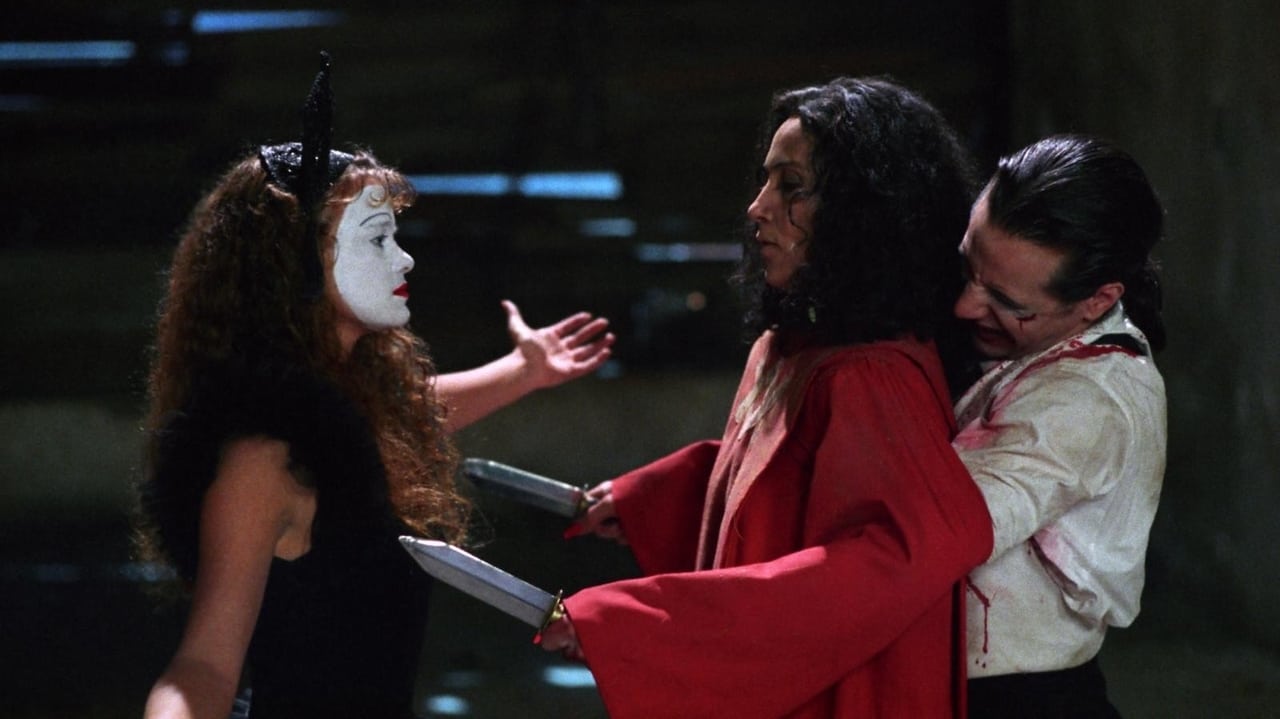
Santa Sangre plunges us into the lurid, intoxicating world of the Circo del Gringo in Mexico. We meet young Fenix, son of the brutish, knife-throwing Orgo (Guy Stockwell) and the fanatical trapeze artist Concha (Blanca Guerra), leader of the heretical Santa Sangre cult worshipping a young girl whose arms were severed. This grotesque backstory isn't just setup; it's the traumatic crucible forging Fenix's destiny. Witnessing his father sever his mother's arms after catching him with the Tattooed Woman, and his mother subsequently killing Orgo in revenge, sends Fenix spiraling into madness and institutionalization. The sheer operatic intensity of these early scenes, blending circus spectacle with shocking violence, sets a relentlessly unsettling tone. Jodorowsky, who studied mime under the legendary Marcel Marceau, imbues the physicality of the circus with both wonder and profound dread.
A Symphony of the Grotesque
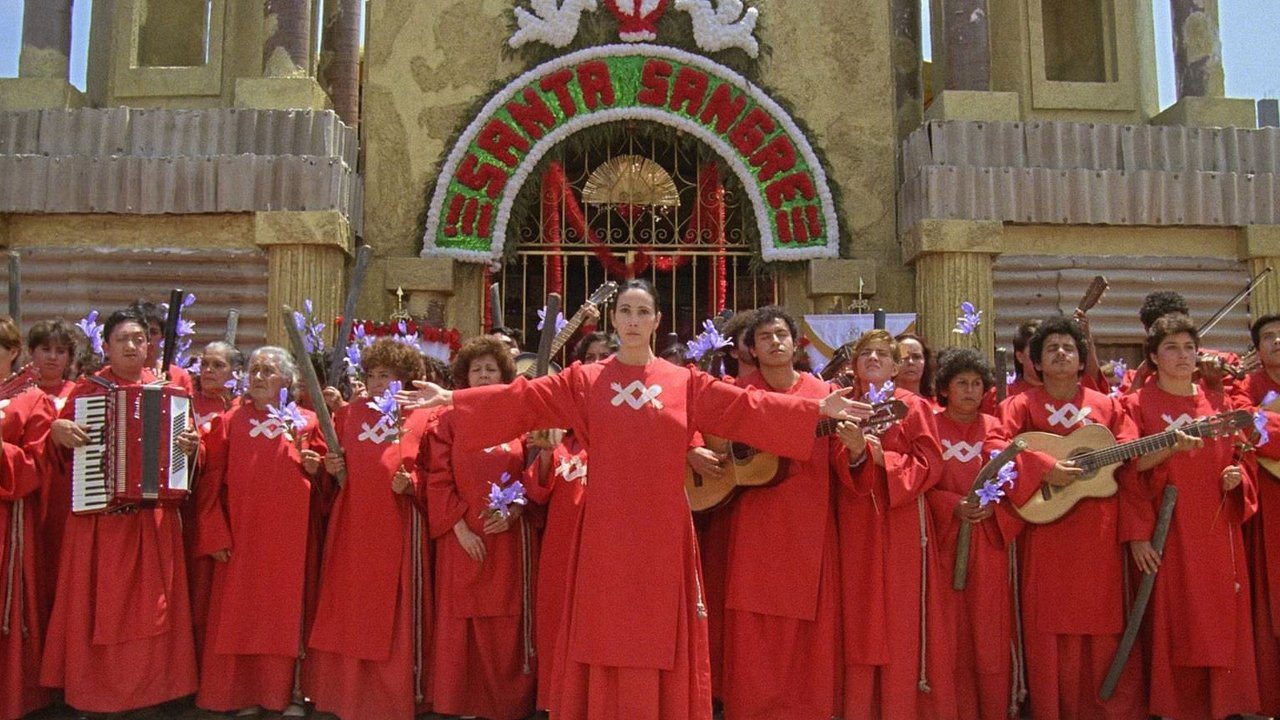
Years later, Fenix (Axel Jodorowsky, the director's son, in a performance of raw, almost painful vulnerability) escapes. He reconnects with his armless mother, Concha, now a spectral figure demanding vengeance. What follows is a descent into Oedipal horror unlike anything else. Fenix becomes his mother's hands, her instrument of murder against women who arouse his desire, his own identity subsumed by her vengeful will. The film masterfully uses vibrant, almost Technicolor palettes, courtesy of cinematographer Daniele Nannuzzi, contrasting sharply with the visceral horror. Remember those practical effects? Concha's seamlessly armless presence, achieved through clever costuming and Blanca Guerra's fiercely committed performance, remains unnervingly convincing. The murders themselves are staged with a kind of theatrical brutality that is both shocking and strangely beautiful, scored hauntingly by Simon Boswell (Phenomena, Hardware). It’s said that Axel Jodorowsky underwent intense psychological preparation for the role, fully immersing himself in Fenix's damaged state, a dedication palpable on screen.
Jodorowsky Unbound
This film feels like pure, unfiltered Jodorowsky, a blend of high art aspirations, surrealist imagery, psychodrama, and exploitation grit. It’s a far cry from the mystical quests of El Topo or The Holy Mountain, grounding its avant-garde sensibilities in a more recognizable (though still deeply strange) horror framework, echoing Hitchcock's Psycho but filtered through a uniquely Latin American, carnivalesque lens. The production itself, partially financed by Claudio Argento (brother of Dario, bridging the worlds of Italian horror and Jodorowsky's unique vision), navigated the challenges of filming in Mexico City, using real locations and even incorporating actual circus performers to lend authenticity to its bizarre world. One unforgettable sequence involves an elephant's funeral procession – reportedly inspired by a real event Jodorowsky witnessed – that perfectly encapsulates the film's blend of the absurd, the poetic, and the deeply melancholic. This wasn't a movie made by committee; it feels intensely personal, almost autobiographical in its exploration of trauma and twisted family dynamics.
The Lingering Stain
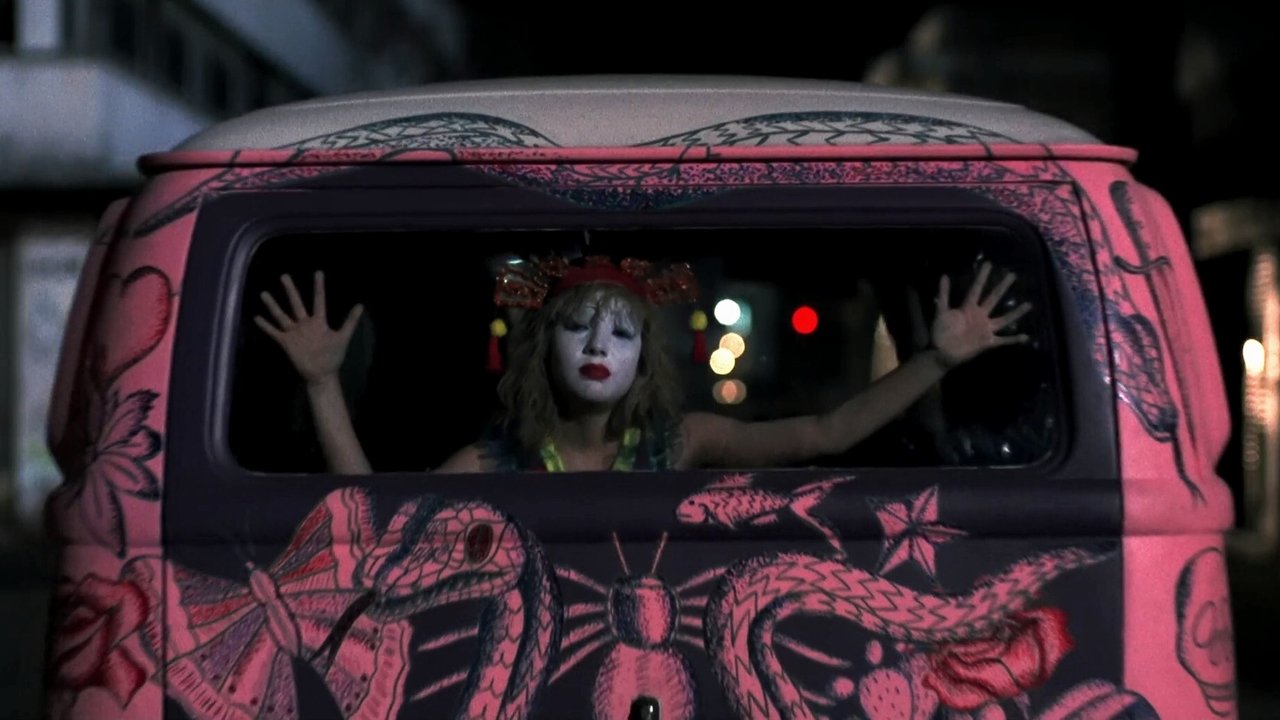
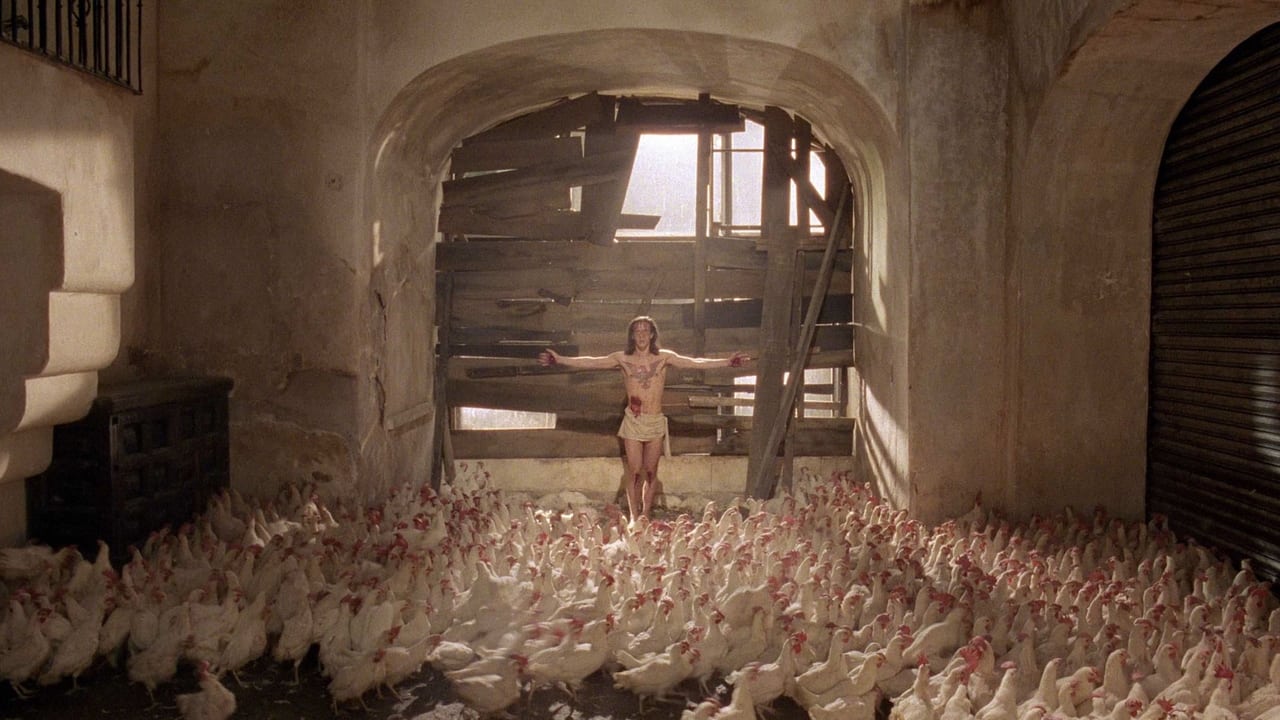
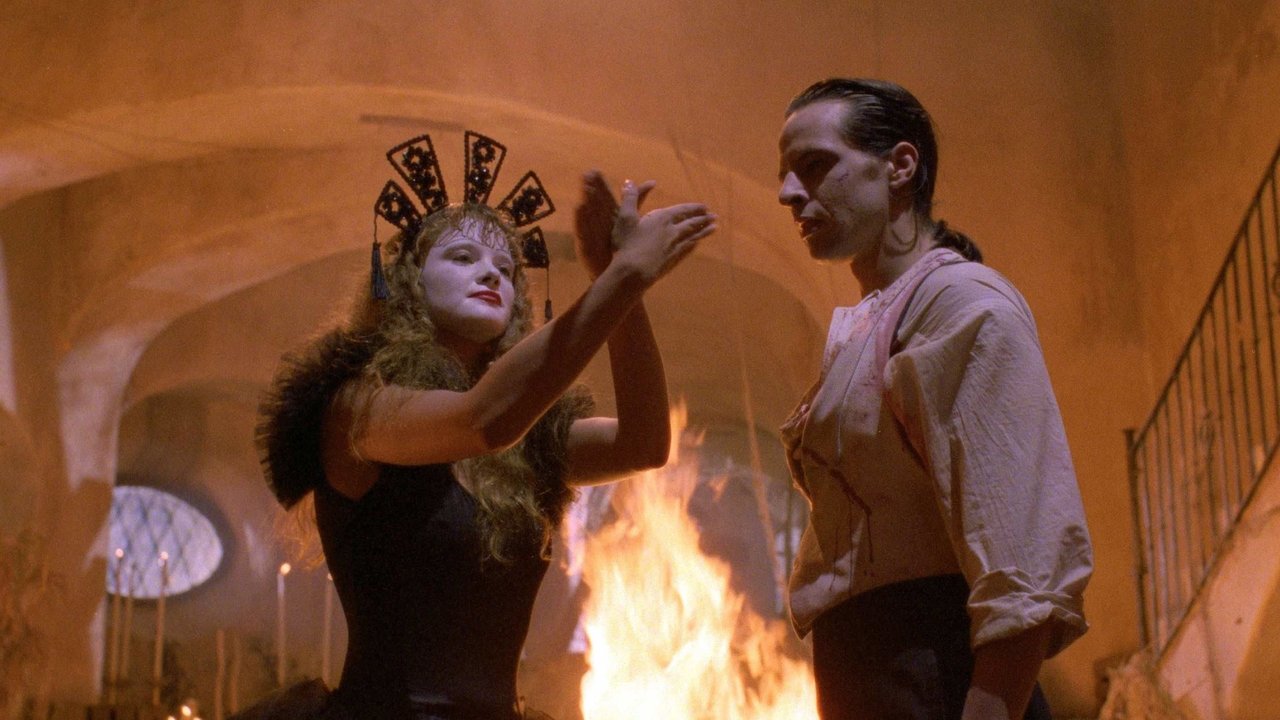
Santa Sangre doesn't rely on jump scares; its horror is psychological, existential. It burrows under your skin with its potent mix of Freudian nightmare fuel, religious iconography twisted into grotesque shapes, and moments of unexpected tenderness, particularly in Fenix's relationship with Alma, a deaf-mute mime (Sabrina Dennison), representing a potential path to healing. Does the film still disturb today? Absolutely. Its deliberate pacing and surreal logic might test some viewers, but its power to evoke genuine unease, to present images both beautiful and repellent simultaneously, remains undiminished. It’s the kind of film that, once seen, is never truly forgotten. Discovering it on VHS felt like finding a hidden, perhaps dangerous, piece of cinematic art. It wasn't comfortable viewing, even then. It wasn't meant to be.
VHS Heaven Rating: 9/10
The rating reflects the film's singular artistic vision, its unforgettable imagery, powerful performances (especially from Axel Jodorowsky and Blanca Guerra), and its status as a unique, challenging masterpiece of surreal horror. It's not an easy watch, and its blend of genres might not be for everyone, but its sheer audacity and psychological depth are undeniable. Santa Sangre stands as a testament to Alejandro Jodorowsky's uncompromising genius and remains one of the most visceral and visually stunning horror films to emerge from the late 80s – a beautiful, bloody, and utterly unforgettable trip.