The static hiss fades, the tracking lines flicker, and the New Line Cinema logo burns onto the screen. But this isn't just any tape sliding into the VCR; it's a trip back to a particularly nasty corner of cinematic hell, one paved with studio interference, brutal censorship battles, and the unmistakable roar of a souped-up chainsaw. We're talking about Leatherface: The Texas Chainsaw Massacre III (1990), a film that practically arrived DOA in theaters, sliced and diced by the MPAA, yet somehow clawed its way into the hearts of gorehounds and franchise completists huddled around their glowing CRT screens.
The Saw is Family... and Trouble
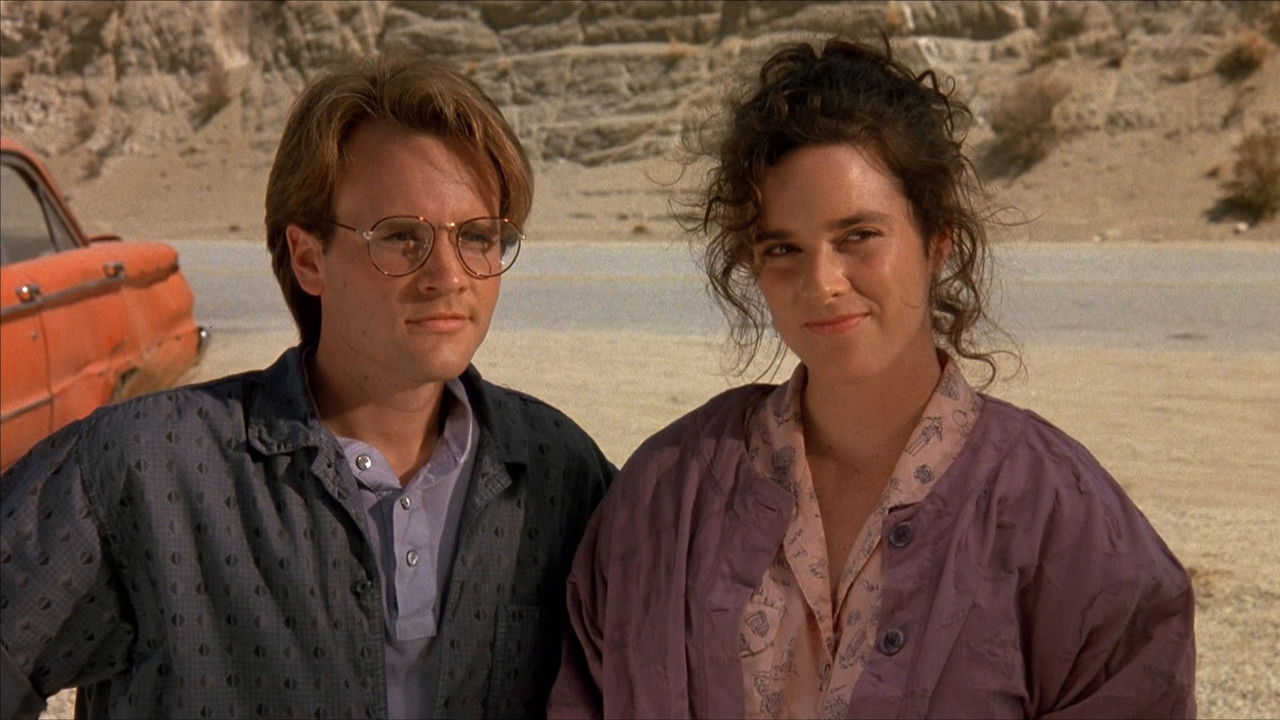
Forget the sun-drenched terror of Tobe Hooper's original masterpiece. Forget the gonzo, black-comedy carnival of its first sequel. Director Jeff Burr, working from a script by splatterpunk author David J. Schow, aimed for something different: a return to gritty, survivalist horror, albeit filtered through a late-80s/early-90s slasher lens. The setup is familiar: young couple Michelle (Kate Hodge) and Ryan (William Butler) are driving coast-to-coast, cutting through the desolate backroads of Texas. A creepy encounter at a last-chance gas station (run by a young, unnerving Viggo Mortensen as Tex) and a run-in with the hulking Leatherface (R.A. Mihailoff) sends them scrambling for their lives, eventually crossing paths with hardcore survivalist Benny (Ken Foree).
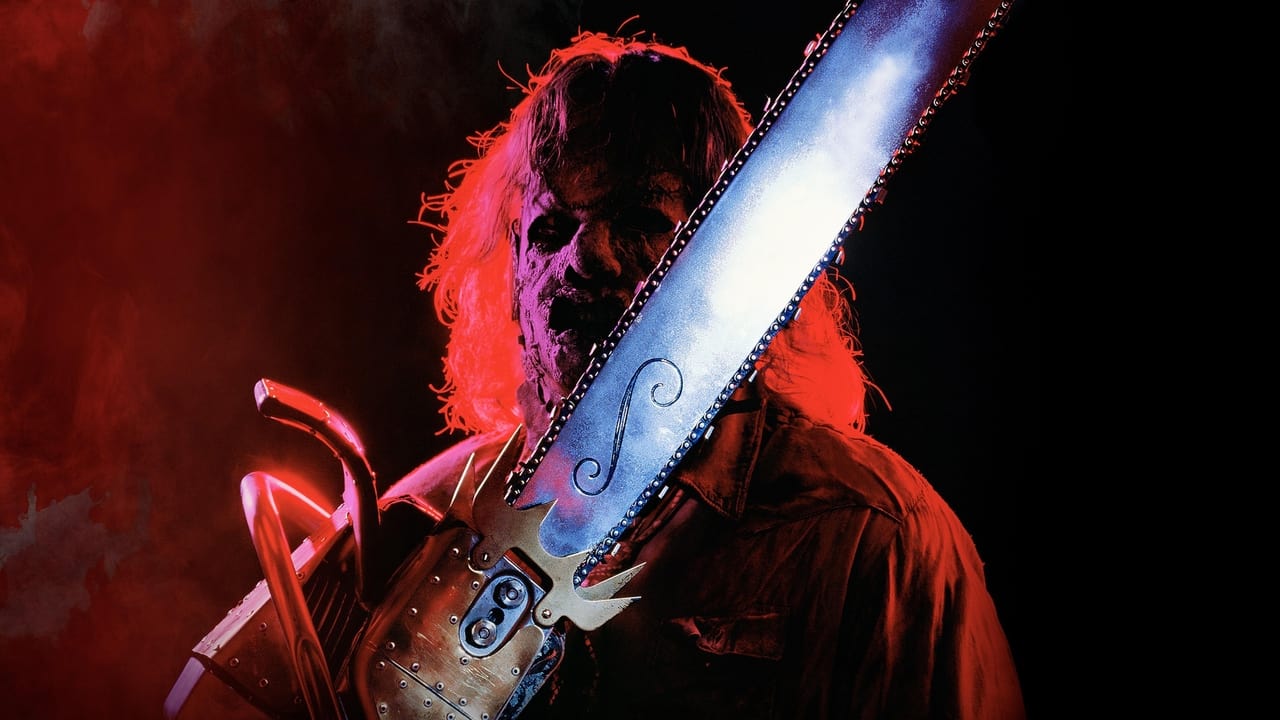
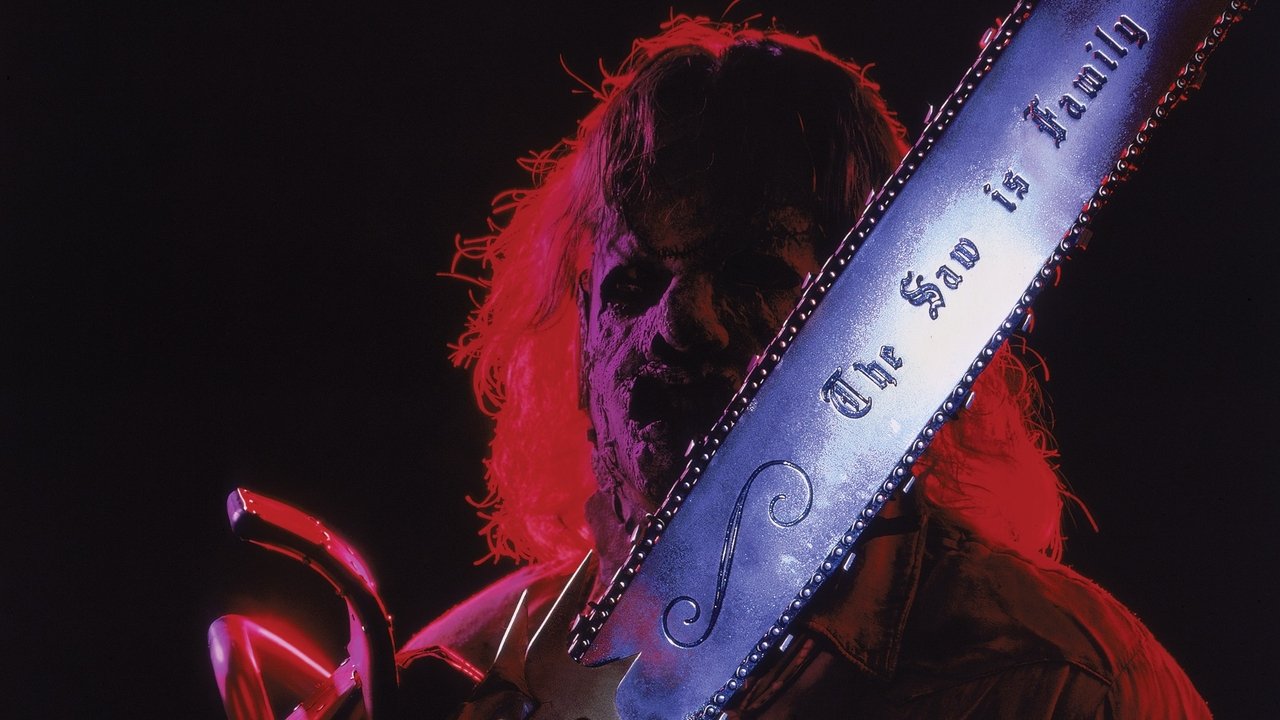
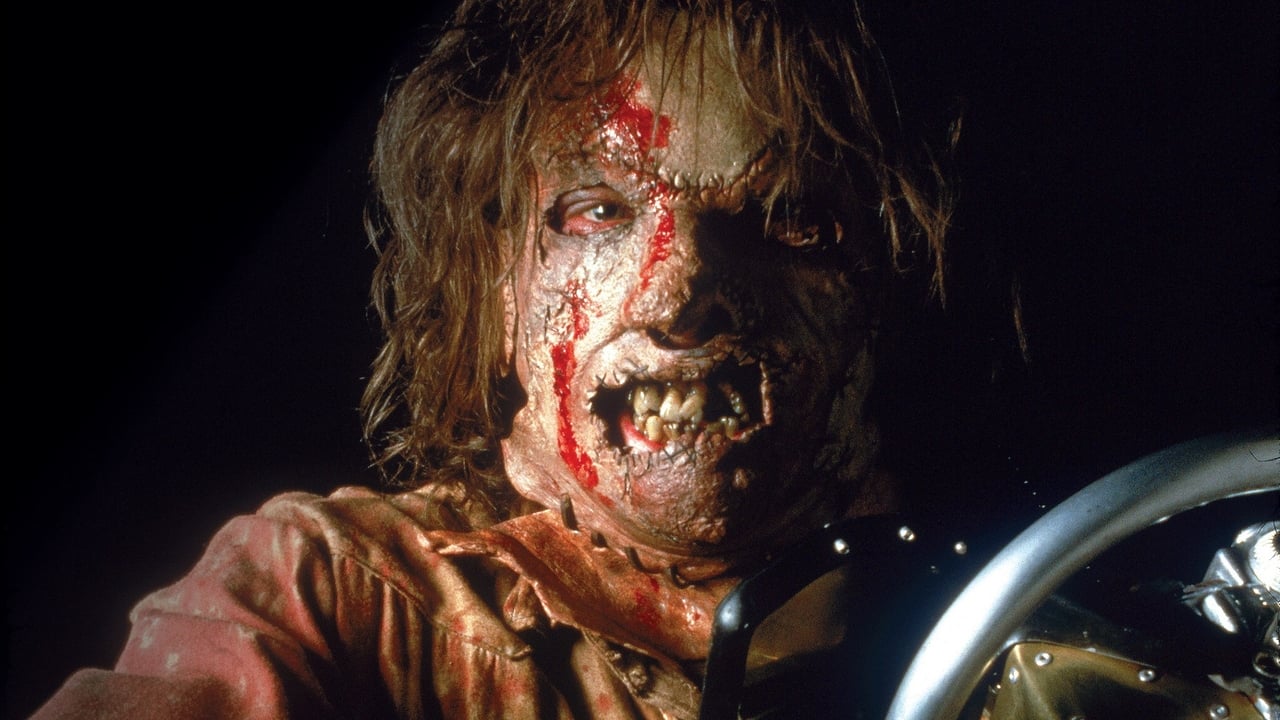
What follows is a desperate night of pursuit and entrapment, as the familiar, twisted Sawyer clan (here including Mama, Tinker, and the little girl) sets about its gruesome business. The intention was clearly to make Leatherface a brutal force of nature again, less the confused man-child of Part 2 and more an engine of destruction. R.A. Mihailoff certainly brings the physicality, looking imposing behind the stitched mask. That custom-built, chrome-plated chainsaw, engraved with "The Saw is Family," is arguably the film's most iconic element – a ridiculously cool prop that screams late-80s excess even amidst the intended grime.
Fighting the Censors, Losing the Gore
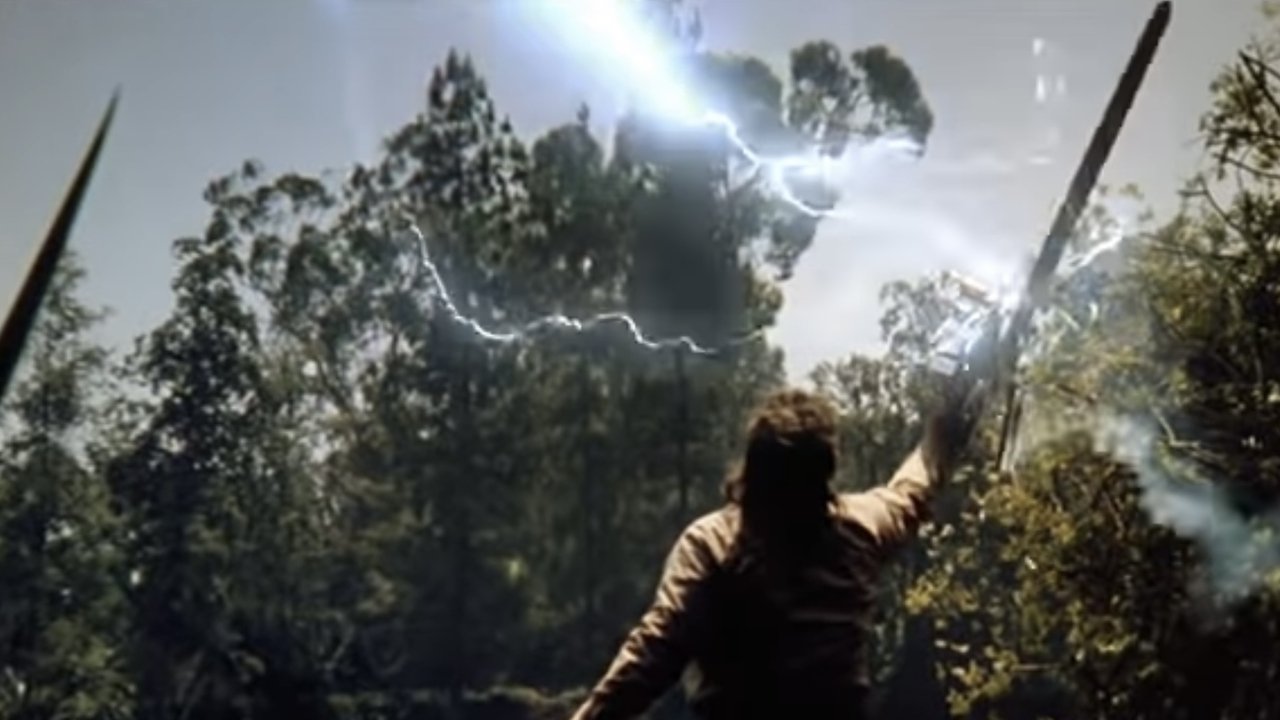
You can feel the struggle against the ratings board etched into every frame of Leatherface. This film endured a legendary battle with the MPAA, reportedly receiving eleven different X-ratings before distributor New Line Cinema mandated cuts to achieve an R. The result is a theatrical version (and the most common VHS release) that feels jarringly neutered. Moments of extreme violence are truncated, implied rather than shown, leaving a strange sense of anticlimax. Thankfully, later "Unrated" releases restored some of the carnage, revealing Burr and Schow's much nastier original vision, filled with the kind of practical gore effects by K.N.B. EFX Group (Greg Nicotero, Robert Kurtzman, Howard Berger) that fans craved.
The production itself was reportedly fraught, moving from Texas locations (briefly) to California sets that tried, with varying success, to replicate the necessary desolation. You can sense the studio pressure, the attempt to mold the Chainsaw legacy into something more conventionally marketable for the era's slasher boom. Despite a modest $2 million budget, it only scraped together around $5.7 million at the box office – a disappointment fueled by negative reviews and the compromised theatrical cut.
Benny Steals the Show
While Hodge makes for a capable final girl, the film truly sparks to life whenever Ken Foree is on screen. Bringing the same formidable presence he lent to Romero's Dawn of the Dead, Foree’s Benny is a welcome blast of competence and sheer badassery in a landscape of terrorized victims. His automatic weapon feels almost like a cheat code against the Sawyers' primitive tools, and his confrontations with Leatherface provide some of the film's most memorable moments. It's a fan-favorite performance for a reason; Foree elevates the material considerably. Watching him stride through the chaos reminds you why he's a genre legend. Doesn't his unexpected resilience feel like a breath of fresh air in this grim scenario?
Atmosphere Amidst the Cuts
Despite the censorship woes, Burr manages to conjure some genuine atmosphere. The nighttime chases through the woods have a clammy tension, and the production design of the Sawyer homestead, while perhaps less iconic than the original, still feels suitably grimy and threatening. The score by Jim Manzie and Pat Regan leans into pulsing synths and percussive hits, typical of the era but effective in ratcheting up the anxiety during key sequences. It might lack the raw, documentary-style dread of the '74 original, but it establishes its own brand of slicker, darker 90s horror mood.
Legacy of a Troubled Sequel
Leatherface: TCM III occupies a strange place in the franchise. It's neither the groundbreaking original nor the bizarrely comedic second entry. It attempted a course correction back towards seriousness but was hampered by external forces. Seen today, especially in its Unrated form, it's a fascinating artifact – a glimpse of a potentially brutal slasher that got kneecapped before it could truly run wild. It features a solid Leatherface portrayal, a standout performance from Ken Foree, and that unforgettable chainsaw. The behind-the-scenes drama – the censorship fight, the script changes, the casting of future superstar Viggo Mortensen in an early unsettling role – adds layers to its story. It’s a film whose troubled production is almost as compelling as the narrative on screen.
---
VHS Heaven Rating: 6/10
Justification: The score reflects a film caught between ambition and compromise. Points are earned for Ken Foree's excellent performance, R.A. Mihailoff's imposing Leatherface, that iconic chainsaw prop, and the moments of genuine atmospheric tension Jeff Burr manages to create. The behind-the-scenes story and the glimpse of a harsher film in the Unrated cut add cult appeal. However, points are deducted for the choppy editing forced by the MPAA in the theatrical cut, a somewhat derivative plot structure borrowing heavily from the original, and side characters who don't always make a strong impact. It’s a flawed but fiercely defended entry for many fans, especially those who appreciate its attempts at gritty horror amidst studio interference.
Final Thought: A film forever marked by the censor's blade, Leatherface remains a grimy, often frustrating, but undeniably watchable slice of early 90s horror, carried by a legendary chainsaw and an even more legendary Ken Foree. It's a testament to the franchise's enduring power that even its troubled children still find a place on our shelves.