It takes a certain kind of nerve, doesn't it? To not only step back into the skin of one of cinema's most indelible monsters but to then step behind the camera and direct yourself in the act. That's the fascinating, slightly unnerving tightrope Anthony Perkins walked with 1986's Psycho III. Forget the impossible shadow of Hitchcock for a moment; consider the sheer audacity of Perkins taking the reins, guiding Norman Bates through another rain-slicked nightmare at his desolate roadside motel. Pulling this tape from the shelf back in the day felt different – less like a guaranteed Hitchcockian masterpiece, perhaps, but buzzing with a strange, almost dangerous potential.

Norman's Shadow, Perkins' Lens
Picking up shortly after the events of the surprisingly effective Psycho II (1983), we find Norman still wrestling with the spectral tyranny of 'Mother'. The Bates Motel remains a lonely outpost, now staffed by the perpetually shiftless Duane Duke (Jeff Fahey), a would-be musician looking for an easy score. But Norman's precarious stability shatters with the arrival of Maureen Coyle (Diana Scarwid), a deeply troubled former nun whose own past trauma and resemblance to Marion Crane trigger Norman's deadliest compulsions. Perkins, as director, doesn't shy away from the darkness; if anything, he leans into the gothic decay. The motel feels even more isolated, drenched in perpetual rain and sickly neon, a physical manifestation of Norman's fractured psyche. It’s less a whodunit and more a 'when-will-he-snap-again' slow burn, punctuated by moments of startling brutality.
A Darker, Weirder Vision
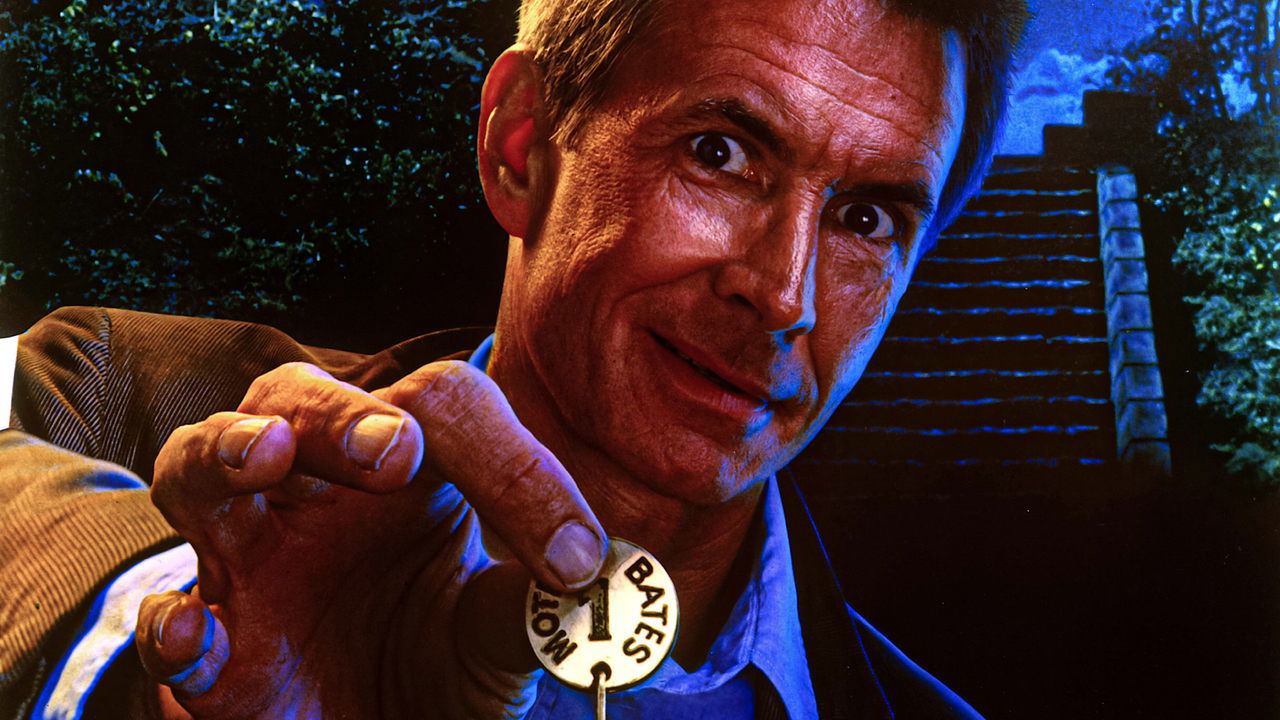
Reportedly, Universal initially envisioned a more straightforward slasher film, but Perkins, alongside writer Charles Edward Pogue (who also delivered the brilliant script for David Cronenberg's The Fly that same year), fought for something stranger, something more attuned to Norman's internal torment. Perkins understood Norman better than anyone, and his direction reflects that intimacy. There’s a pervasive sense of melancholy hanging over the proceedings, a genuine sadness for Norman’s inescapable fate, even as his actions horrify. This isn't just about scares; it's about the suffocating nature of inherited madness. The film often feels like a fever dream, drifting between moments of quiet despair and eruptions of shocking violence. Carter Burwell’s haunting, minimalist score – one of his earlier works before becoming synonymous with the Coen Brothers – perfectly complements this off-kilter mood, avoiding typical slasher stingers for something more atmospheric and dread-inducing.
Retro Fun Facts: Motel Mayhem
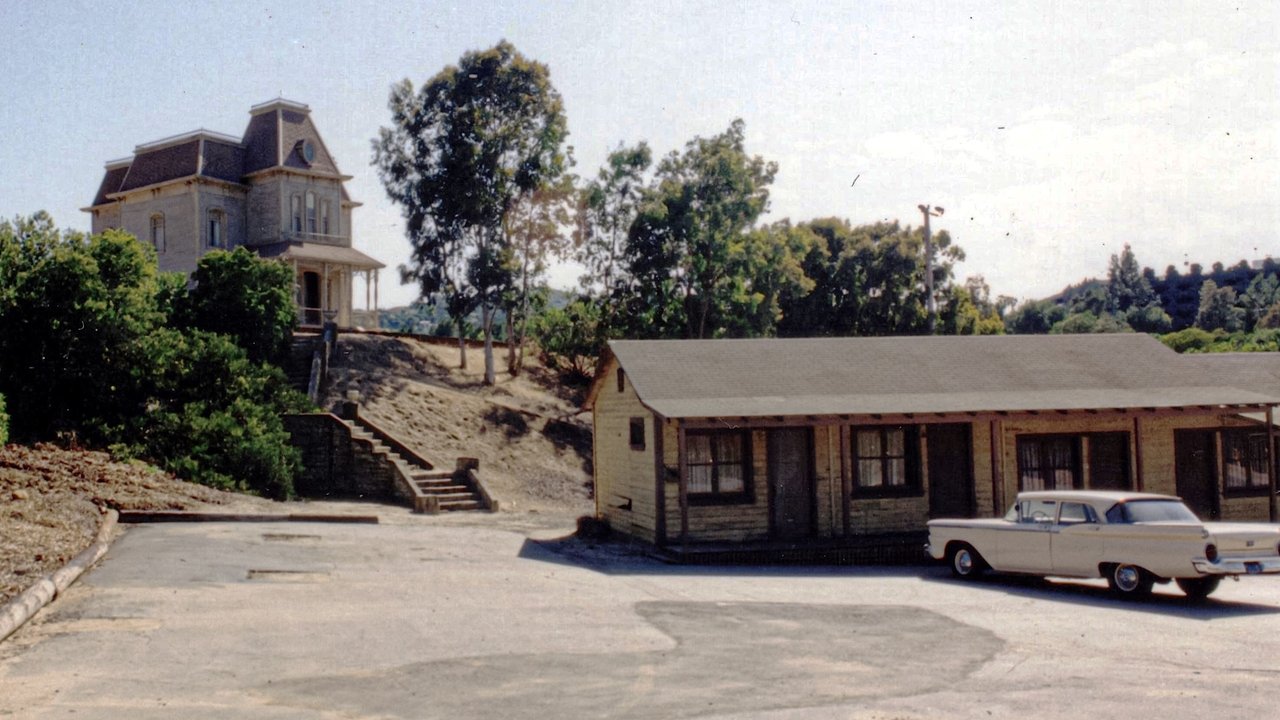
The journey to the screen wasn't smooth. Perkins, while relishing the control of directing, found the dual role exhausting. The script went through changes, shifting focus from pure body count to Norman's psychology. Even so, the finished product didn't escape the censors unscathed. The infamous ice machine sequence, where Norman disposes of a victim in a chillingly methodical (and darkly funny) way, faced significant cuts by the MPAA, along with other moments of gore and violence deemed too intense for an R rating back in '86. You can almost feel the struggle between Perkins' bleaker vision and the studio's desire for a more marketable horror flick. Made for a modest $8.4 million (around $23.4 million today), it pulled in about $14.4 million domestically ($40.1 million today) – respectable, but not the blockbuster numbers of some contemporaries. Filming primarily on the iconic Universal Studios backlot, the Bates house and motel set had become almost mythical by this point, and Perkins uses their inherent creepiness to full effect. Doesn't that crumbling facade still send a shiver down your spine?
Black Humor and Brutality
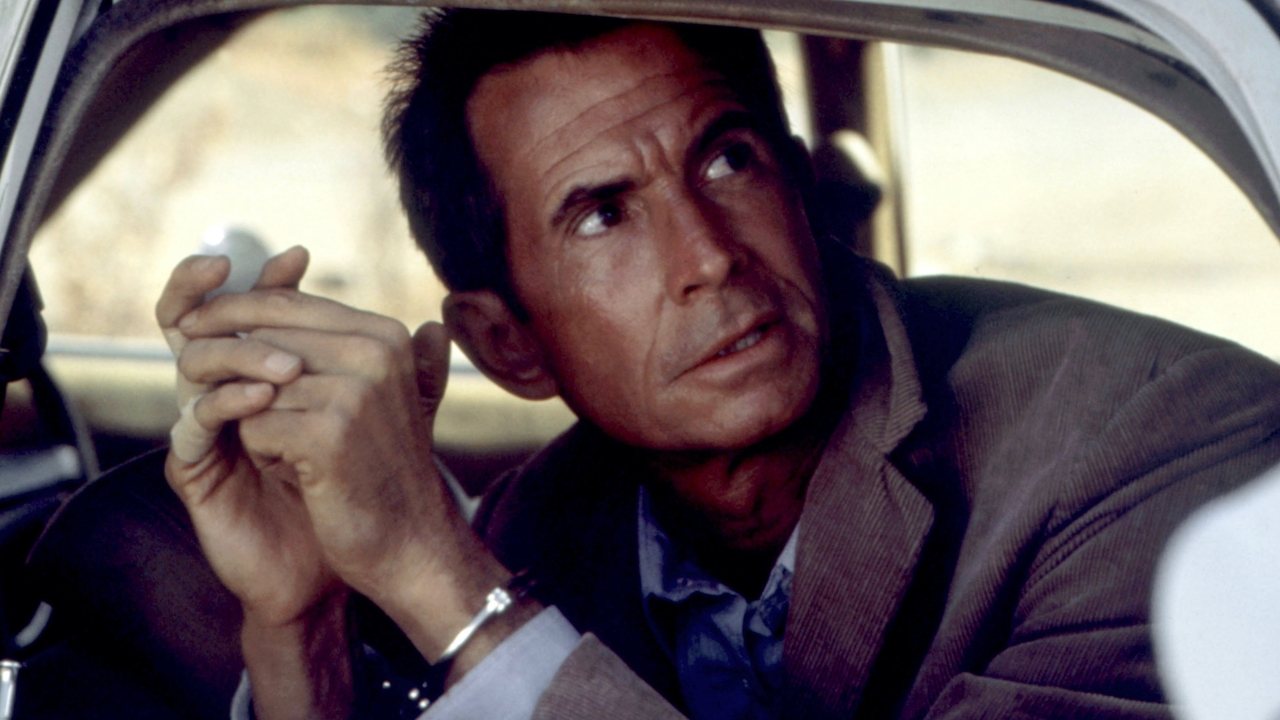
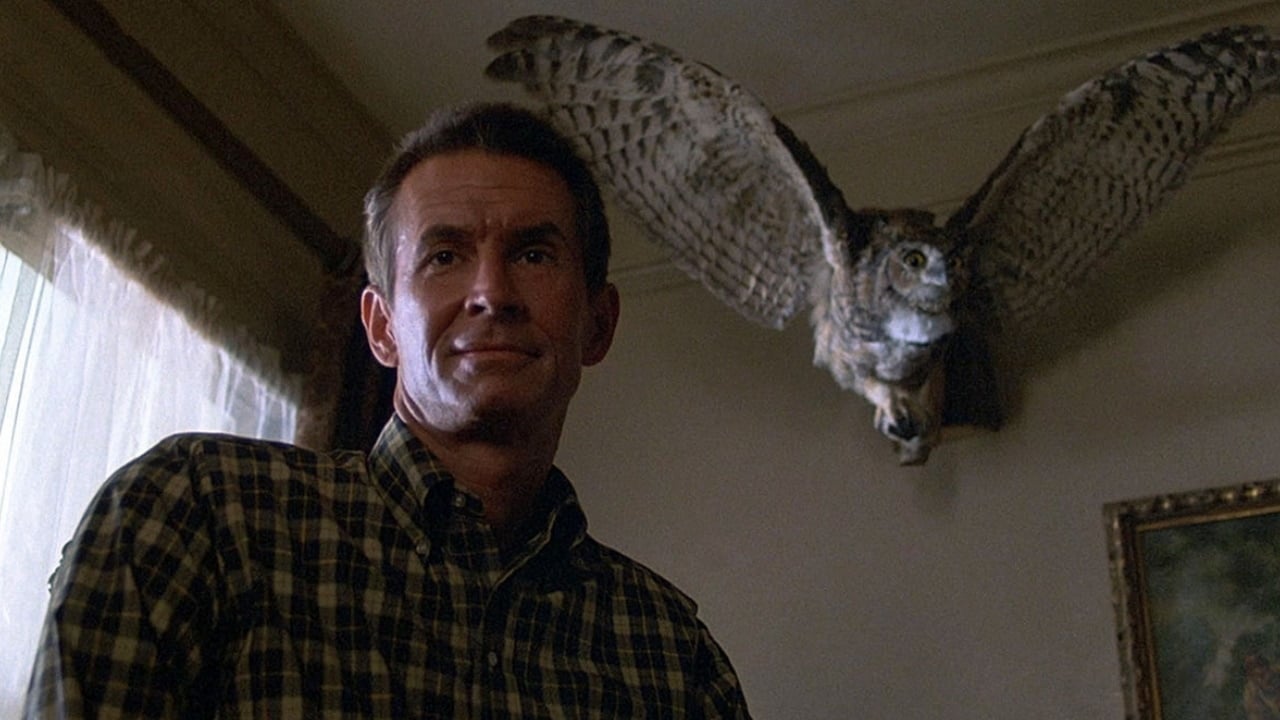
Psycho III is undeniably a product of its time, embracing a more explicit level of violence and a higher body count than its predecessors. Yet, it also possesses a strain of incredibly dark, almost absurdist humor that feels unique to Perkins' interpretation. Norman's awkward attempts at romance, Duke's sleazy opportunism, the sheer gothic melodrama of Maureen's backstory – it all blends into a strange brew that's both unsettling and occasionally, intentionally, funny. Does the humor always land? Maybe not. Sometimes it sits uneasily alongside the genuine horror, but it gives the film a personality distinct from the countless slasher clones flooding video stores at the time. Jeff Fahey is perfectly cast as the opportunistic Duke, and Diana Scarwid brings a fragile intensity to Maureen, even if her character feels deliberately engineered to echo Marion Crane.
An Imperfect Echo
Let's be honest: Psycho III isn't Psycho. It isn't even Psycho II. It operates under the weight of an impossible legacy, and sometimes the plot mechanics creak under the strain of bringing new victims to Norman's door. The 'Maureen looks like Marion' angle feels a touch too convenient, a necessary contrivance to push Norman over the edge once more. Yet, there's something undeniably compelling about Perkins' vision here. Watching it again, maybe on a slightly worn VHS copy dug out from the back of a closet, you appreciate its commitment to mood, its willingness to be strange, and Perkins' deeply personal, almost tragic portrayal of Norman, both in front of and behind the camera. It’s a flawed film, certainly, but one with a distinct, chilling identity.
Rating: 6/10
Justification: While burdened by franchise expectations and some narrative conveniences, Psycho III scores points for Anthony Perkins' committed direction and performance, creating a uniquely dark, atmospheric, and melancholic entry. The unsettling mood, Carter Burwell's score, and moments of effective black humor elevate it above standard 80s slasher fare, even if it can't escape the shadow of the original. The MPAA cuts likely robbed it of some intended impact, leaving a film that feels both brutal and slightly compromised.
Final Thought: Psycho III remains a fascinating curio in the horror landscape – a rare instance of an actor directing themselves in their most iconic, terrifying role, resulting in a sequel that’s weirder, sadder, and more personal than anyone expected. It’s the Bates Motel seen through Norman’s own fractured gaze.