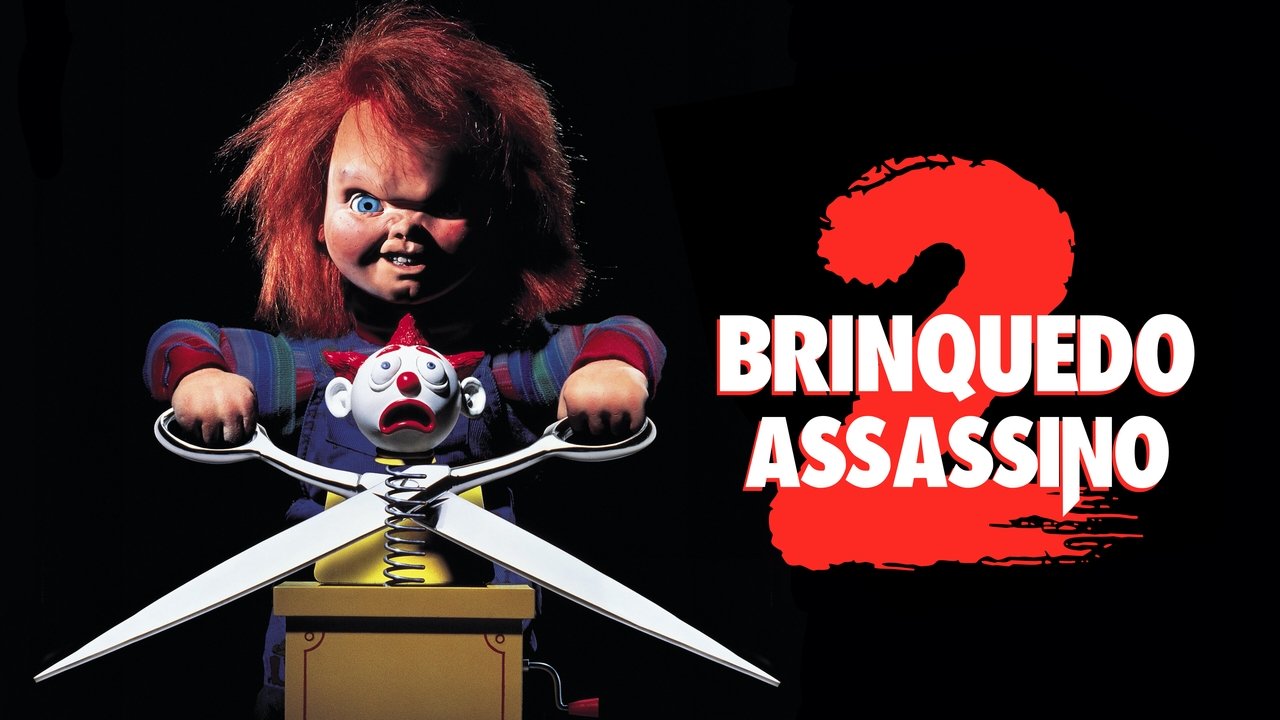
They say you can't keep a Good Guy down. Burnt, broken, and seemingly defeated, the demonic doll wasn't quite done playing. That familiar, chilling jingle from the Play Pals toy company opens Child's Play 2 (1990), not with innocence, but with a mechanical dread. We watch as the charred remains of Chucky are meticulously reconstructed, his plastic eyes snapping open with renewed malevolence. It’s a statement of intent: the nightmare isn't over; it’s just been rebuilt, meaner and more determined. This wasn't the slow-burn suspense of the original; this was a full-throttle slasher sequel ready to embrace the mayhem.
A New Home, Same Old Terror
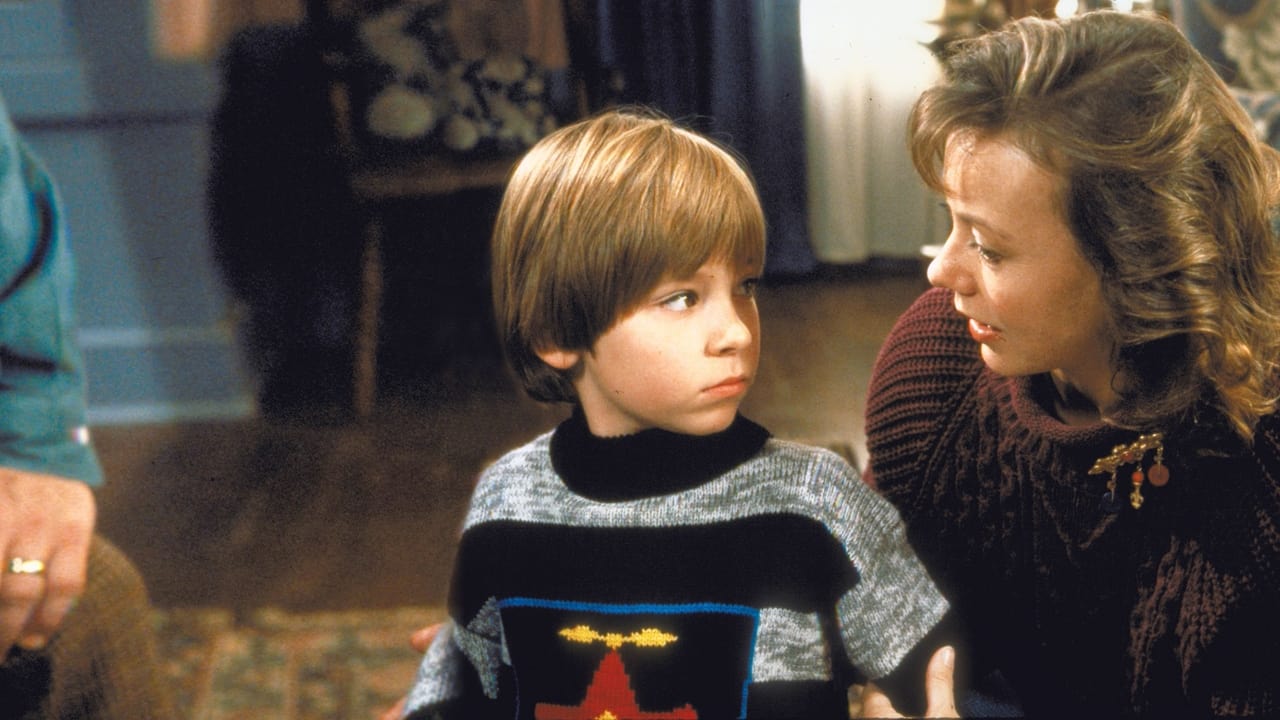
Picking up almost immediately after the first film, young Andy Barclay (Alex Vincent, bravely returning to the role that surely haunted some childhoods) is now in foster care. His mother is undergoing psychiatric evaluation, institutionalized because nobody believed her "killer doll" story. It’s a grimly realistic touch – the system failing the victim, leaving him vulnerable once more. Andy lands with Joanne (Jenny Agutter, a genre veteran known from An American Werewolf in London) and Phil Simpson (Gerrit Graham, recognizable from Used Cars and Phantom of the Paradise), well-meaning but ultimately unprepared foster parents. They, like everyone else, dismiss Andy's fears as trauma. Of course, Chucky, voiced with gleeful menace once again by Brad Dourif, inevitably tracks him down, intent on transferring his soul before it's too late. Added to the mix is cynical but tough foster teen Kyle (Christine Elise), who becomes Andy’s reluctant protector and provides the film with a capable, non-nonsense counterpart to Chucky's chaos.
More Gore, More Chucky
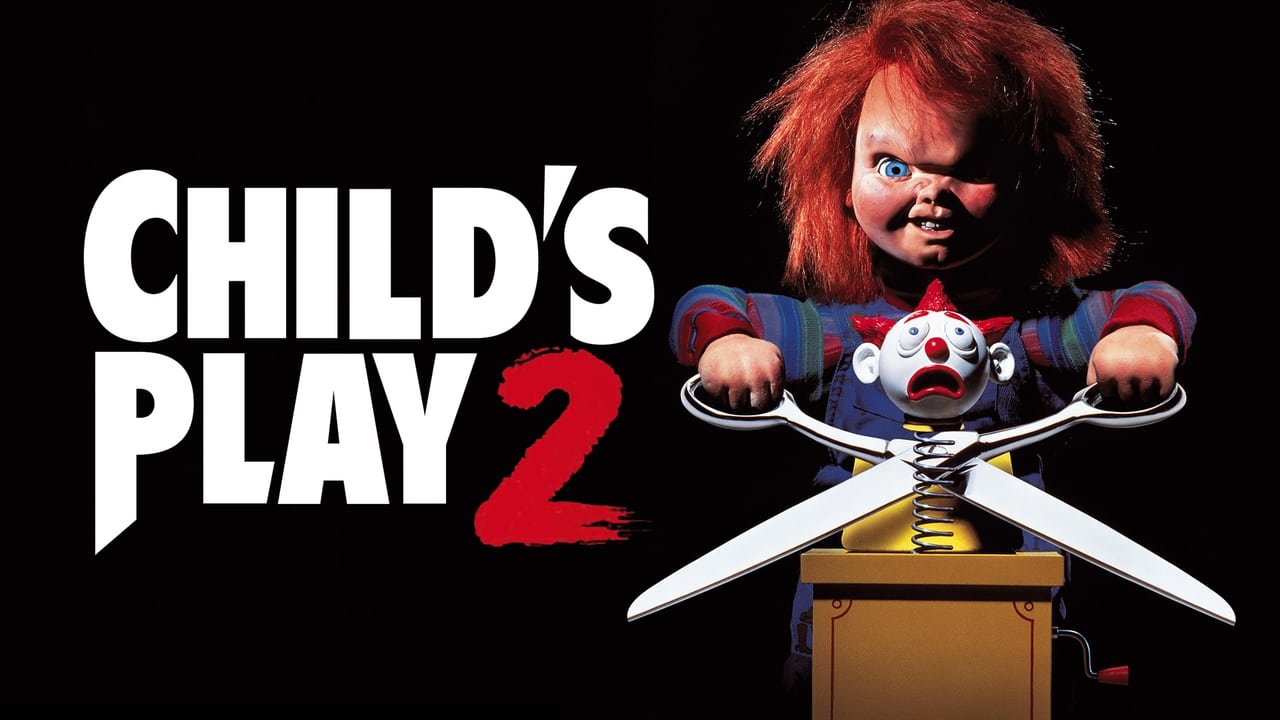
With original director Tom Holland out and John Lafia (who co-wrote the first film) stepping in, Child's Play 2 noticeably shifts gears. While the 1988 original played more like a psychological thriller with slasher elements, Lafia cranks up the kill count and the dark humor. Chucky feels less like a hidden threat and more like a pint-sized Freddy Krueger, dispatching unfortunate souls with increasingly creative, almost darkly comedic, methods. Remember the uptight teacher and that yardstick? It was moments like these that cemented Chucky's transition from creepy doll to full-blown horror icon, a trajectory writer Don Mancini clearly embraced as the series progressed. This sequel leans hard into the slasher formula popularised in the 80s, delivering the goods for audiences hungry for more inventive carnage after the slow reveal of the original. It might lack the original's tight suspense, but it compensates with relentless pacing and a palpable sense of escalation.
The Factory Floor Finale
Where the film truly shines, and where those VHS-era practical effects budgets were clearly spent, is the spectacular climax set within the Play Pals toy factory. This sequence is a masterclass in late-80s/early-90s horror set pieces. Conveyor belts, dismembering machinery, molten plastic, and hundreds upon hundreds of Good Guy doll eyes staring blankly – it's a chaotic, terrifying playground for the final showdown. The practical effects work, spearheaded again by the incredible Kevin Yagher and his team, is outstanding. Operating Chucky reportedly required complex puppeteering, sometimes involving up to nine operators hidden below sets or just out of frame to achieve his surprisingly fluid (and violent) movements. You can almost feel the heat and the noise of that factory through the screen. This ambitious finale, reportedly consuming nearly all the available soundstage space, remains one of the most memorable in the entire franchise, a dizzying assault of colour, machinery, and melting plastic. Shot largely at the Universal Studios Lot, it makes full use of its industrial setting to create a uniquely threatening environment.
Still Playing After All These Years?
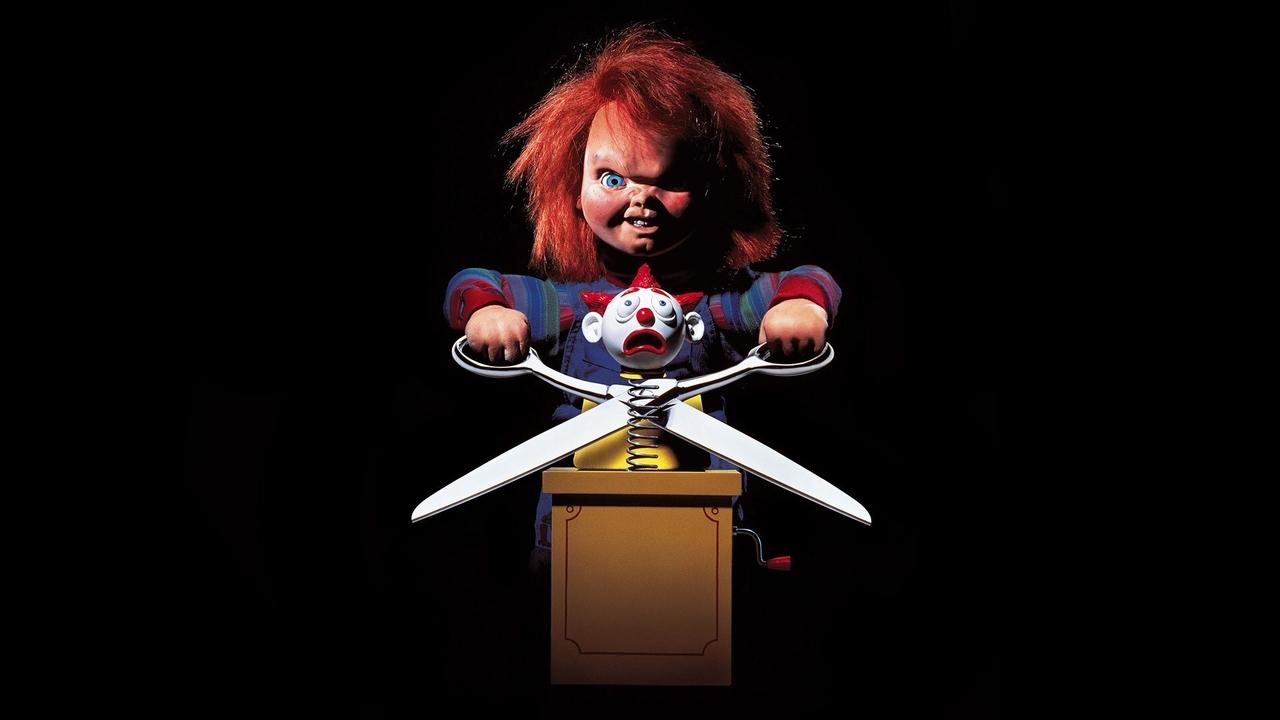
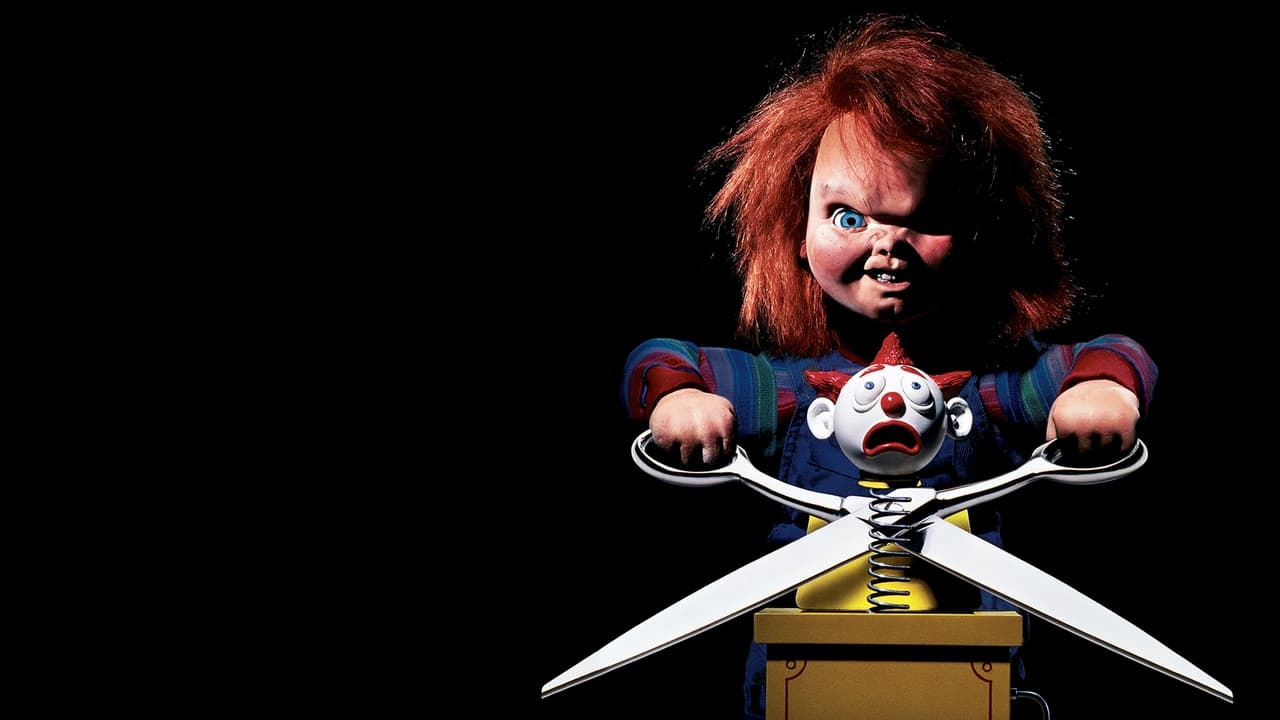
While Alex Vincent delivers a genuinely sympathetic performance as the traumatized Andy, and Christine Elise makes Kyle a resourceful and likable "final girl," the adult characters often feel like standard slasher fodder, existing primarily to doubt Andy and then meet unpleasant ends. Brad Dourif's voice work, however, remains absolutely essential, injecting Chucky with that perfect blend of childish entitlement and sadistic glee. The score by Graeme Revell (The Crow, Dead Calm) effectively ramps up the tension, particularly in the factory sequence, complementing the more action-oriented feel of the sequel.
Despite its $13 million budget (a decent sum for horror then, maybe around $30 million today adjusted for inflation), the film was a solid hit, pulling in nearly $36 million worldwide and ensuring Chucky’s plastic reign of terror would continue. It certainly faced its share of pearl-clutching controversy, lumped in with the ongoing media panics about violent films, but for horror fans, it delivered exactly what it promised: more Chucky, more kills, and a wildly entertaining finale. I distinctly remember the bright orange spine of the MCA/Universal VHS tape practically screaming from the rental shelf – a promise of mayhem fulfilled.
Rating: 7/10
Child's Play 2 successfully navigates the tricky terrain of horror sequels. While it sacrifices some of the original's psychological depth for a faster pace and more explicit gore, it does so with confidence and style. Lafia delivers a relentless, darkly fun slasher with standout practical effects, particularly in its iconic factory climax. It solidified Chucky as a bona fide horror legend and remains a highly rewatchable entry for fans who appreciate the visceral thrills of 90s horror cinema. It may not be subtle, but sometimes, you just want to see a killer doll run wild in a toy factory, right?