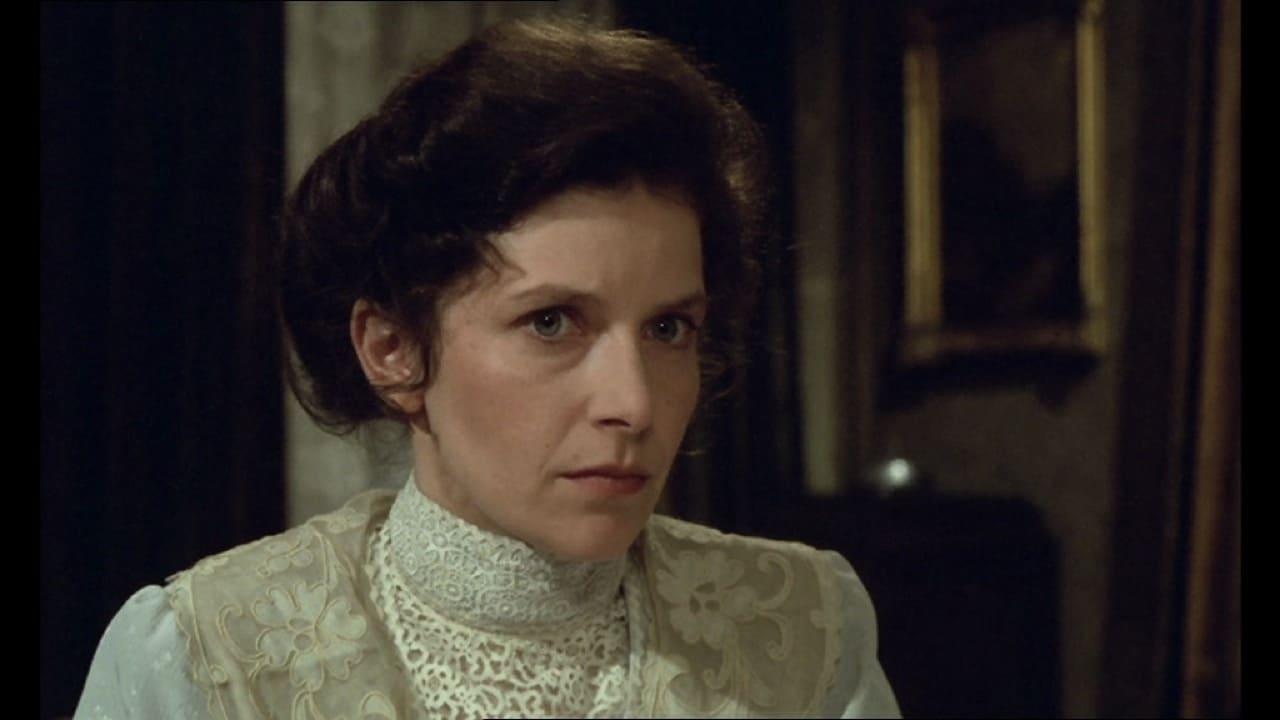
There are certain faces from cinema that lodge themselves deep in your memory, not through explosive action or grand gestures, but through the quiet intensity burning behind their eyes. Barbara Sukowa as Rosa Luxemburg is one such face. Watching Margarethe von Trotta’s 1986 biopic Rosa Luxemburg again, decades after first encountering it perhaps tucked away in the 'World Cinema' or 'Drama' section of the video store – a stark contrast to the neon glow of action and sci-fi covers surrounding it – is to be reminded of the sheer power of a focused, impassioned portrayal. This wasn't your typical Friday night rental, but finding it felt like uncovering a hidden treasure.
A Life Illuminated, Not Just Recounted
Bringing a figure as complex and controversial as Rosa Luxemburg – the Polish-German Marxist theorist, philosopher, economist, anti-war activist, and revolutionary socialist – to the screen is a monumental task. How do you capture the firebrand orator, the incisive intellectual, the vulnerable woman longing for connection, all within a couple of hours? Margarethe von Trotta, already renowned for her politically charged and female-focused narratives like Marianne and Juliane (1981, also starring Sukowa), doesn't opt for a simple cradle-to-grave chronology. Instead, she weaves moments from Luxemburg's life, particularly her periods of imprisonment, using her eloquent letters as a framing device. This allows the film to feel intimate and reflective, focusing on the personal costs and unwavering convictions behind the public figure. It’s less a history lesson, more a deep dive into a soul forged in the crucible of political upheaval.
The Unforgettable Sukowa
Let's be clear: this film belongs to Barbara Sukowa. Her performance is nothing short of extraordinary, earning her the Best Actress award at the Cannes Film Festival that year, and it’s easy to see why. She embodies Luxemburg's fierce intelligence, her passionate idealism, and her profound empathy, but also her moments of doubt, loneliness, and physical frailty (Luxemburg lived with a disability from a childhood illness). There’s a scene where she’s tending to plants in her prison cell, finding solace in nature amidst political turmoil – Sukowa conveys worlds of inner conflict and resilience with just a look, a slight gesture. It's a performance devoid of histrionics, grounded in a deep understanding of the character. It feels true. You don't just watch her; you feel you know her, or at least glimpse the powerful spirit von Trotta sought to capture. Reportedly, von Trotta felt Sukowa was the only actress who could truly embody the role, and that conviction pays off magnificently on screen.
Capturing a Turbulent Era
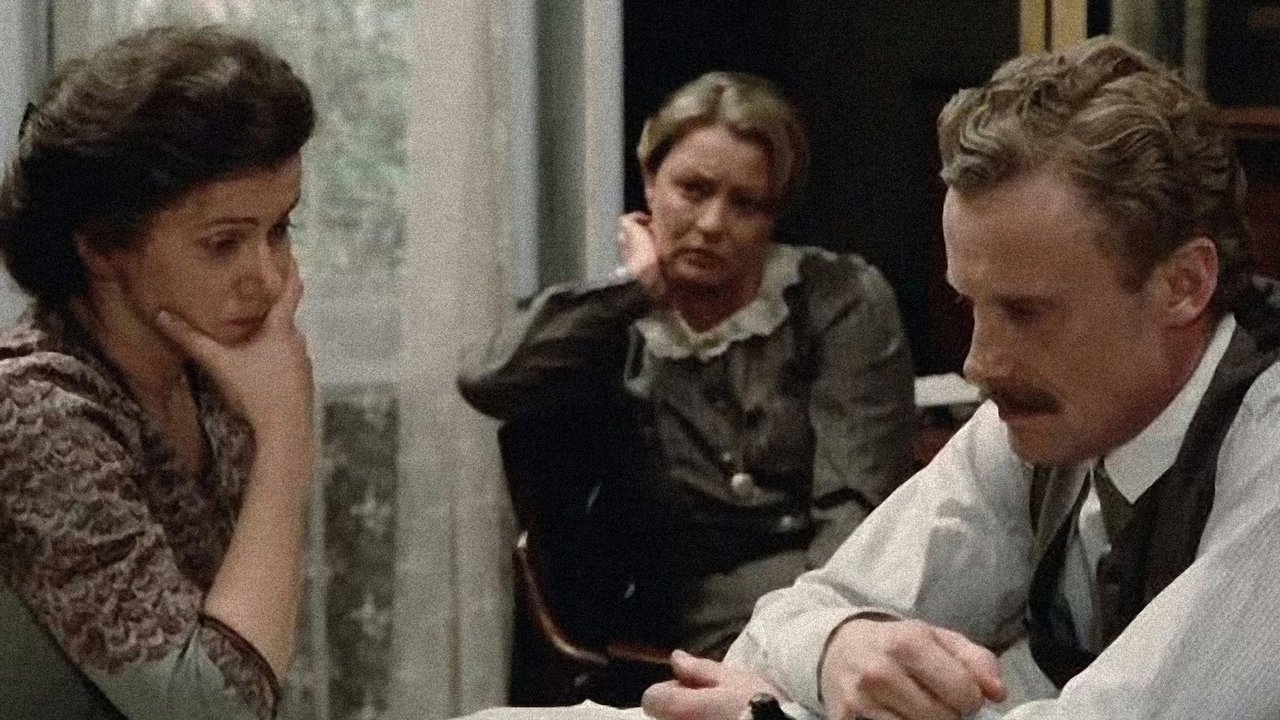
Von Trotta masterfully recreates the atmosphere of early 20th-century Europe – the passionate debates in smoke-filled halls, the rising tensions leading to World War I, the fervent hope and brutal reality of revolution. The film doesn't shy away from the complexities of the political landscape or the internal conflicts within the socialist movement. It presents Luxemburg’s sharp critiques not just of capitalism but also of figures like Lenin, showcasing her unwavering commitment to democratic principles even within revolutionary struggle. Supporting actors like Daniel Olbrychski as Leo Jogiches, Luxemburg's lover and comrade, and Otto Sander as Karl Liebknecht, her political ally, provide strong counterpoints, highlighting the personal and political relationships that shaped her life. The film, shot largely in Germany and Poland, uses its locations effectively to ground the historical narrative.
More Than Just History
What makes Rosa Luxemburg resonate beyond its historical context? Perhaps it's the enduring questions it raises. What does it mean to hold onto one's ideals in the face of overwhelming opposition? What is the relationship between personal happiness and political commitment? Seeing Luxemburg’s unwavering opposition to war and her belief in fundamental human freedom feels startlingly relevant even now. Von Trotta uses Luxemburg's own writings extensively – a choice that adds immense authenticity. Hearing Sukowa deliver lines pulled directly from Luxemburg's passionate speeches and poignant letters creates a powerful connection across time. It’s a reminder that the struggles for justice, freedom, and a better world are perennial.
Finding this film on VHS back in the day felt like an act of discovery. Amidst the louder, perhaps more immediately gratifying fare, Rosa Luxemburg offered something different: a challenging, deeply human story demanding attention and reflection. It wasn't escapism; it was an immersion into a life lived with ferocious conviction. It’s a testament to the power of biographical filmmaking when handled with intelligence, empathy, and artistic integrity.
Rating: 9/10
This score reflects the film's powerhouse central performance by Barbara Sukowa, Margarethe von Trotta's sensitive and intelligent direction, and its success in bringing a complex historical figure and her era vividly to life. It avoids hagiography, presenting a nuanced portrait of a remarkable woman. While perhaps not a casual watch, its depth and Sukowa's unforgettable portrayal make it a standout piece of 80s cinema that rewards thoughtful viewing.