There are films that entertain, films that thrill, and then there are films that burrow deep under your skin and stay there, altering your perspective long after the VCR whirred to a stop and ejected the tape. Roland Joffé's The Killing Fields (1984) is unequivocally one of the latter. It’s a film that doesn’t just recount history; it plunges you into the heart of it, leaving you breathless, shaken, and profoundly moved. Watching it again after all these years, the weight of its story feels undiminished, perhaps even heavier in our current world.
A Bond Forged in Chaos
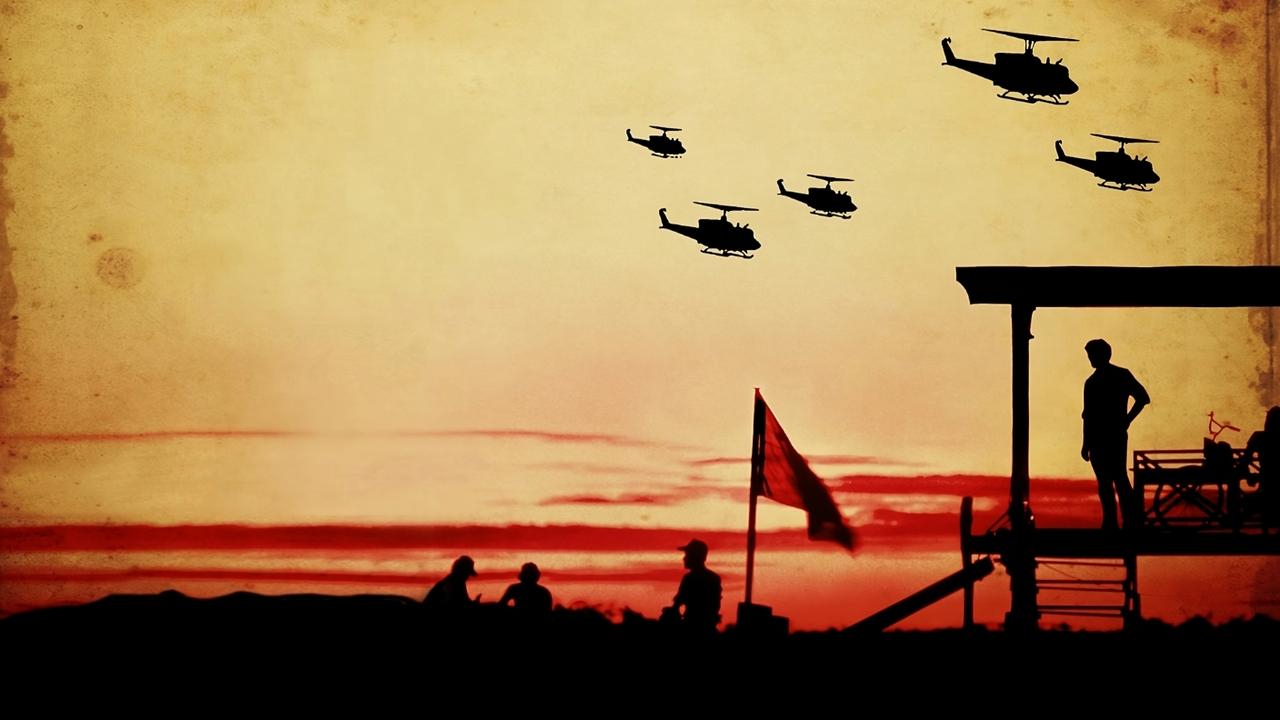
Based on the harrowing true experiences of New York Times journalist Sydney Schanberg and his Cambodian colleague Dith Pran, the film drops us into the escalating turmoil of Cambodia in the early 1970s. Sam Waterston, in a performance brimming with journalistic drive tempered by growing unease, embodies Schanberg, the seasoned correspondent determined to get the story. But the film’s soul resides with Haing S. Ngor as Dith Pran, Schanberg's translator, guide, and eventually, dear friend. Their relationship forms the unwavering emotional core amidst the impending catastrophe of the Khmer Rouge takeover. Joffé, who would later explore similar themes of conscience in challenging circumstances with The Mission (1986), masterfully establishes this bond, making Pran's subsequent ordeal all the more devastating.
Truth Stranger, and More Powerful, Than Fiction
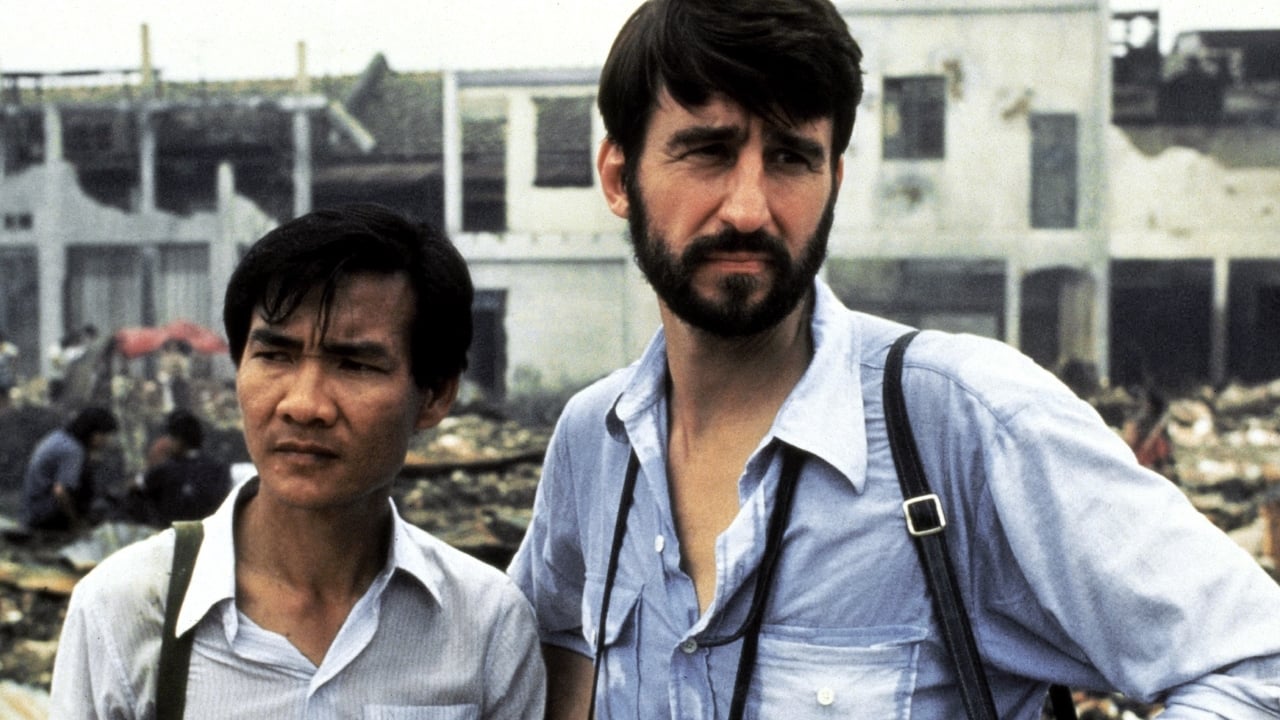
It's impossible to discuss The Killing Fields without focusing on the extraordinary performance of Haing S. Ngor. His portrayal of Pran's resilience, intelligence, and quiet dignity under unimaginable duress earned him a thoroughly deserved Academy Award for Best Supporting Actor. What elevates his work beyond mere acting, however, is the staggering reality of his own life. Ngor was not a professional actor; he was a physician who had himself survived the Khmer Rouge regime, enduring torture and the loss of his family before escaping to Thailand. This lived experience bleeds onto the screen, lending an authenticity that is almost unbearable to witness, yet utterly compelling. There’s a scene where Pran, forced into labour, subtly tries to conceal his education – the flicker of terror and careful calculation in Ngor's eyes feels terrifyingly real because, for him, it was real. Producer David Puttnam, known for championing challenging projects like Chariots of Fire (1981), discovered Ngor at a Cambodian wedding in Los Angeles, a casting choice that proved absolutely pivotal to the film’s power.
Capturing the Unspeakable
Alongside Ngor, Sam Waterston delivers a career-defining performance as Schanberg, grappling with ambition, friendship, and eventually, overwhelming guilt over leaving Pran behind when Phnom Penh falls in 1975. His desperation to find Pran years later fuels the film's latter half. John Malkovich, already showcasing his signature intensity even early in his film career, crackles with nervous energy as the photographer Al Rockoff, a vital part of their reporting team.
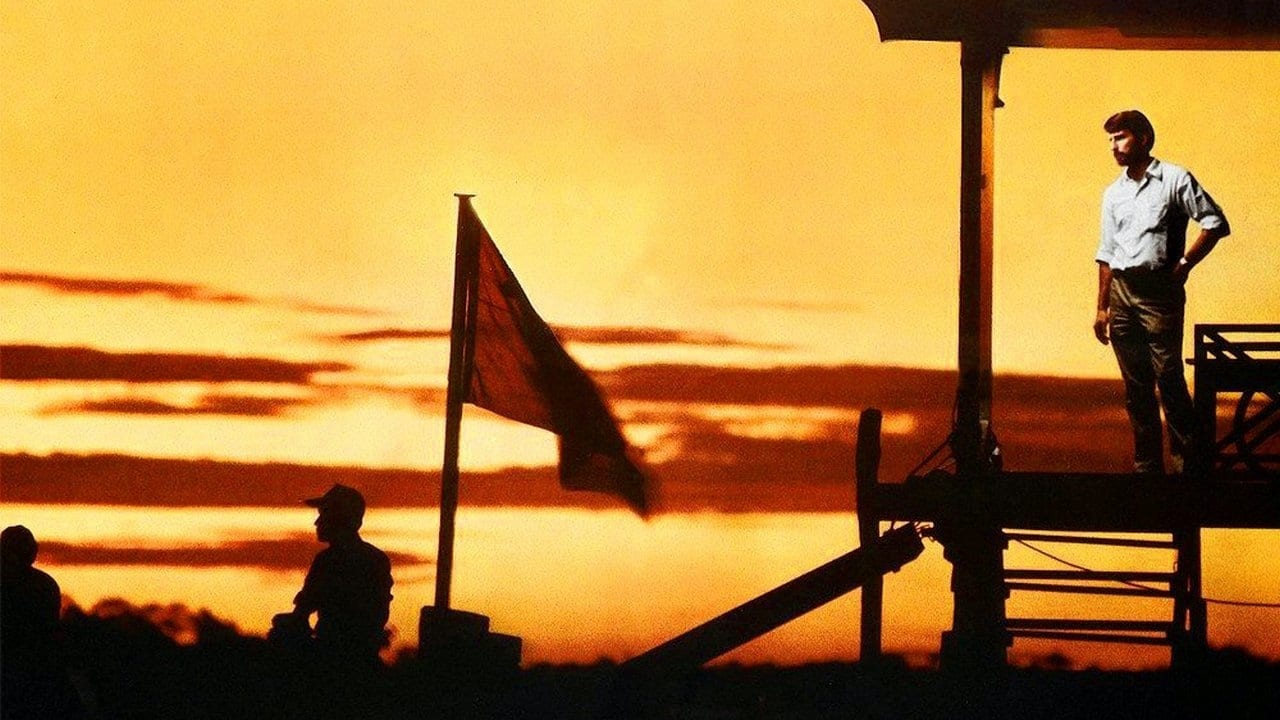
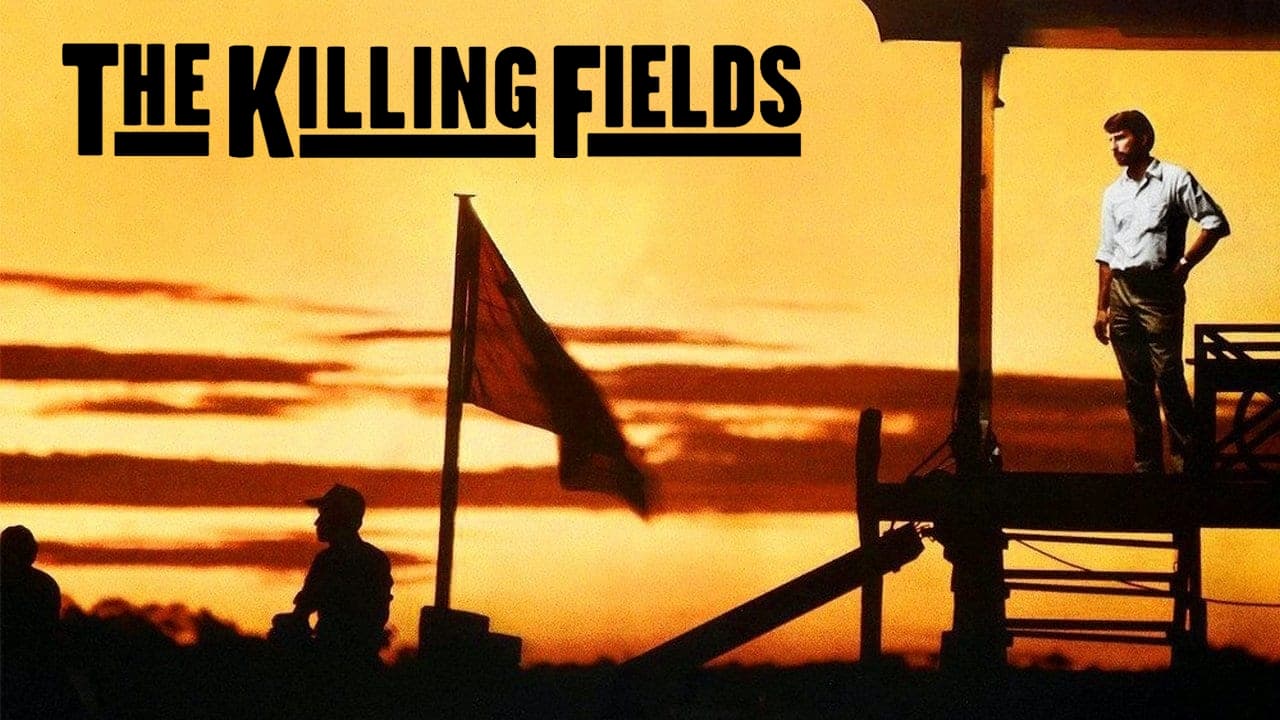
Director Roland Joffé and cinematographer Chris Menges (who also won an Oscar for his work here) achieve something remarkable. They capture the vibrant life and beauty of Cambodia before contrasting it starkly with the hellish nightmare of the Khmer Rouge's Year Zero. Filming primarily in Thailand, they recreated the chaos of war-torn Phnom Penh and the horrifying emptiness of the countryside under Pol Pot's regime with chilling accuracy. Menges’ camera doesn’t shy away from the brutality, but it also finds moments of haunting beauty and profound human connection amidst the horror. One particularly unforgettable sequence involves Pran’s escape through the literal fields of skeletons, set against Mike Oldfield's unexpectedly ethereal score – a juxtaposition that perfectly encapsulates the film's blend of atrocity and endurance. Getting such a politically charged and harrowing story financed wasn't easy; the film's $14.4 million budget was a significant risk, but its critical acclaim and eventual $34.7 million box office proved its necessity.
The Weight of History on a VHS Tape
I remember renting The Killing Fields back in the day, the weighty plastic clamshell case feeling somehow appropriate for the gravity of the film inside. Watching something this intense on a flickering CRT screen in the living room was a jarring experience – a portal opening from suburban comfort directly into one of the 20th century’s darkest chapters. It wasn’t escapism; it was an education, a confrontation. The film was instrumental in bringing the horrors of the Cambodian genocide – responsible for the deaths of an estimated two million people – into mainstream Western consciousness in a way news reports alone perhaps couldn't. It forced viewers to confront uncomfortable questions: What is the cost of bearing witness? What are our responsibilities to each other across borders and cultures? How does humanity endure in the face of utter inhumanity?
Verdict and Legacy
The Killing Fields remains a towering achievement in filmmaking. It’s a demanding watch, certainly not a casual Friday night rental from the 'Drama' aisle revisited lightly. Yet, its power lies precisely in that unflinching honesty. The performances, particularly Ngor's, are seared into memory. Joffé’s direction is assured and sensitive, navigating horrific events without resorting to exploitation. The film’s technical craft is exceptional, serving the story with profound impact. While deeply specific to its historical moment, its themes of survival, guilt, friendship, and the fight for truth resonate universally and remain painfully relevant. It stands as a testament to the victims of the Cambodian genocide and a powerful reminder of the importance of remembering.
Rating: 9.5/10
Justification: This near-perfect score reflects the film's profound emotional impact, historical significance, exceptional performances (especially Ngor's unique contribution), masterful direction, and stunning cinematography. It's a difficult but essential piece of cinema that fulfills its ambitions with incredible power and sensitivity. The slight deduction acknowledges its sheer intensity, which makes it a film one deeply respects rather than casually revisits.
Final Thought: What lingers most isn't just the horror, but the incredible resilience of the human spirit embodied by Dith Pran, reminding us that even in the deepest darkness, the instinct to survive, to connect, and ultimately, to tell the story, endures.