Some films don't burst onto your radar with explosions or catchy taglines blaring from the TV spot. They arrive quietly, perhaps discovered years later on a curated shelf in the 'World Cinema' section of a more adventurous video store, or maybe through a hushed recommendation from a fellow cinephile. Hou Hsiao-hsien's A City of Sadness (悲情城市, 1989) is such a film. It doesn't offer the immediate gratification of many 80s staples, yet revisiting it, or perhaps discovering it anew, feels like uncovering a profoundly moving historical document wrapped in layers of cinematic poetry. It lingers, heavy and beautiful, long after the screen fades to black.
Whispers of History, Echoes of Pain
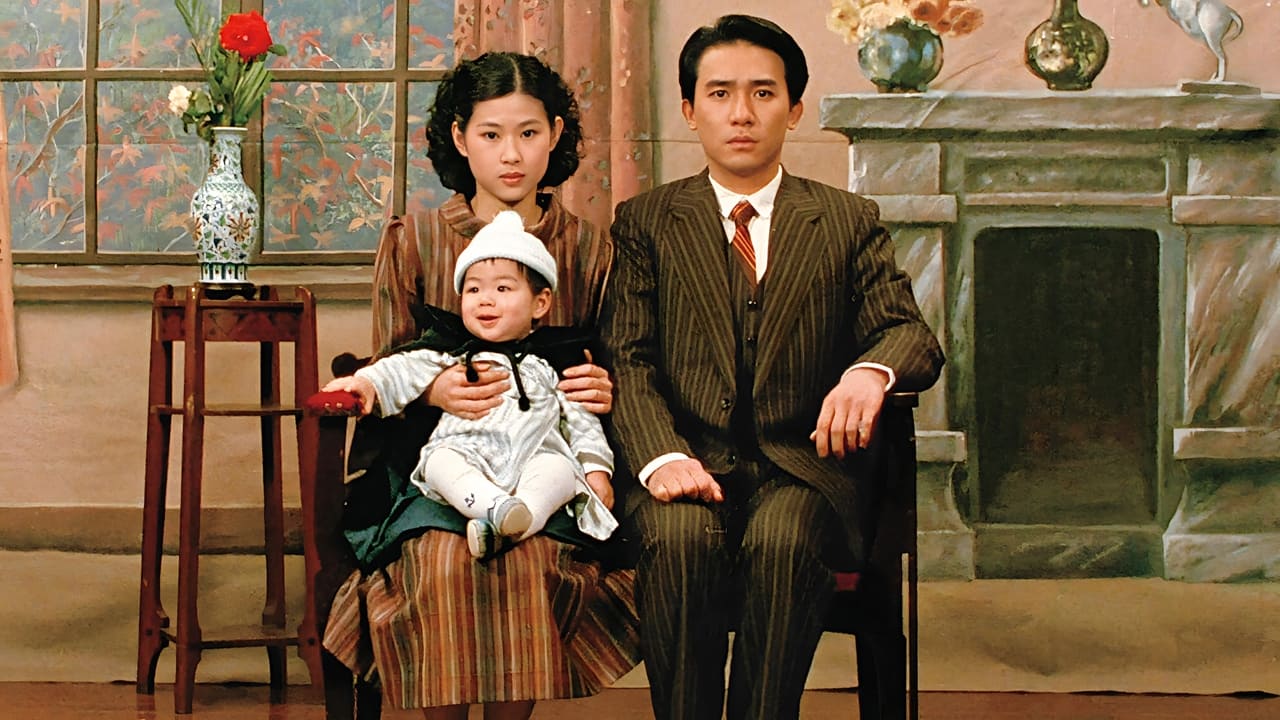
The film opens not with a dramatic event, but with a birth – the fourth son, Lin Wen-ching, arrives just as Emperor Hirohito's surrender announcement crackles over the radio in August 1945, signalling the end of Japanese rule in Taiwan. This juxtaposition immediately sets the tone: personal lives unfolding against the immense, often brutal, sweep of history. A City of Sadness immerses us in the turbulent years that followed, as Taiwan transitioned uncertainly under the administration of the Kuomintang (KMT) from mainland China. We experience this era primarily through the lives of the Lin family, owners of a restaurant named "Little Shanghai" in a northern port town. There's the eldest brother, Wen-heung (Chen Sung-young), trying to navigate treacherous business dealings and gangster conflicts; the volatile third brother, Wen-leung (Jack Kao), scarred by his wartime experiences and falling into dangerous circles; and the youngest, Wen-ching (Tony Leung Chiu-wai), a gentle photographer rendered mute by a childhood illness.
The Unspoken Power of Presence
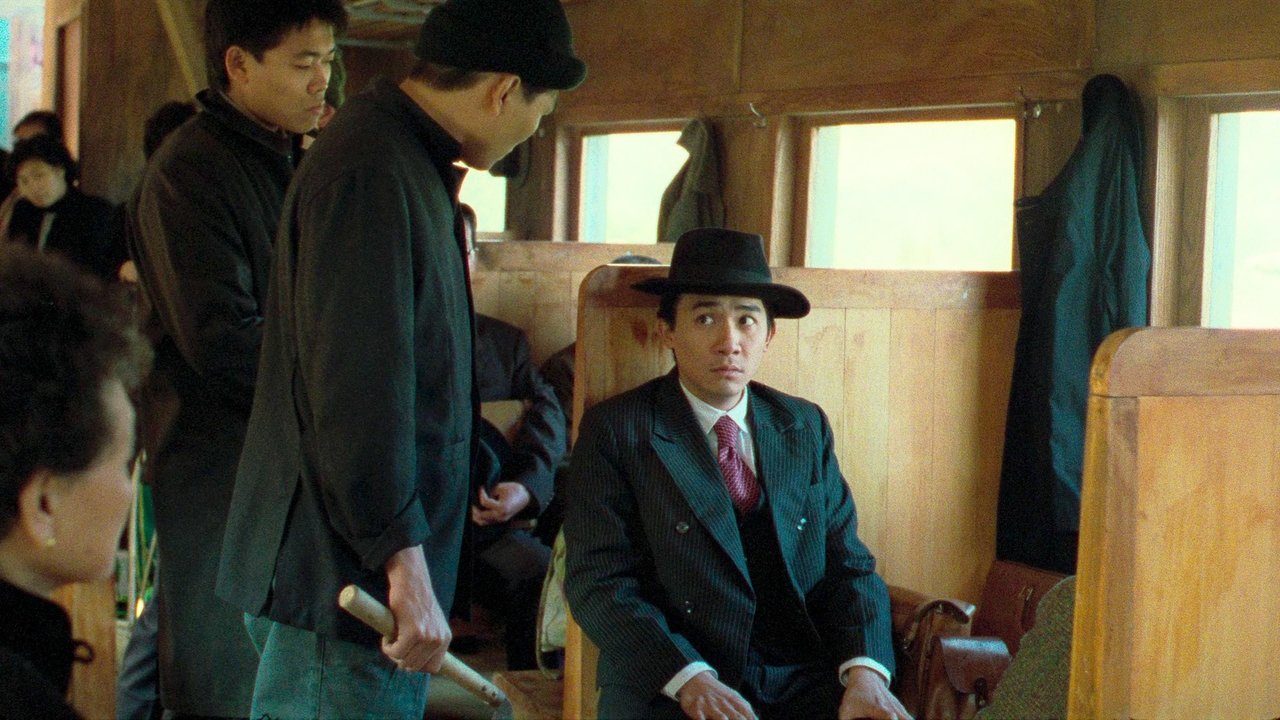
Tony Leung Chiu-wai, in a performance that feels foundational to his later acclaimed work with directors like Wong Kar-wai (In the Mood for Love, Chungking Express), is the quiet heart of the film. His character, Wen-ching, cannot speak, communicating through gestures and written notes. This silence becomes a powerful lens through which we witness the unfolding chaos. It reflects the inability of many Taiwanese people at the time to articulate their experiences under a new, often oppressive regime, particularly concerning the infamous 228 Incident of 1947 – a brutal government crackdown on civilian protests that remained a taboo subject in Taiwan for decades. Leung conveys reservoirs of emotion – quiet joy, deep sorrow, profound love, simmering anger – often with just his eyes or the subtle tension in his posture. It’s a performance of immense restraint and deep feeling, forcing us to watch, to listen, more intently to the world around him.
The supporting cast is equally remarkable. Chen Sung-young won Best Actor at the Golden Horse Awards (Taiwan's Oscars) for his portrayal of Wen-heung, embodying the traditional patriarch struggling to protect his family in a world rapidly losing its moral compass. His eventual fate is one of the film's most shattering moments. Jack Kao brings a raw, nervous energy to Wen-leung, a man damaged by forces beyond his control. The interactions within the Lin family feel utterly authentic, grounded in the everyday details of meals shared, business conducted, anxieties whispered.
Hou Hsiao-hsien's Poetic Realism
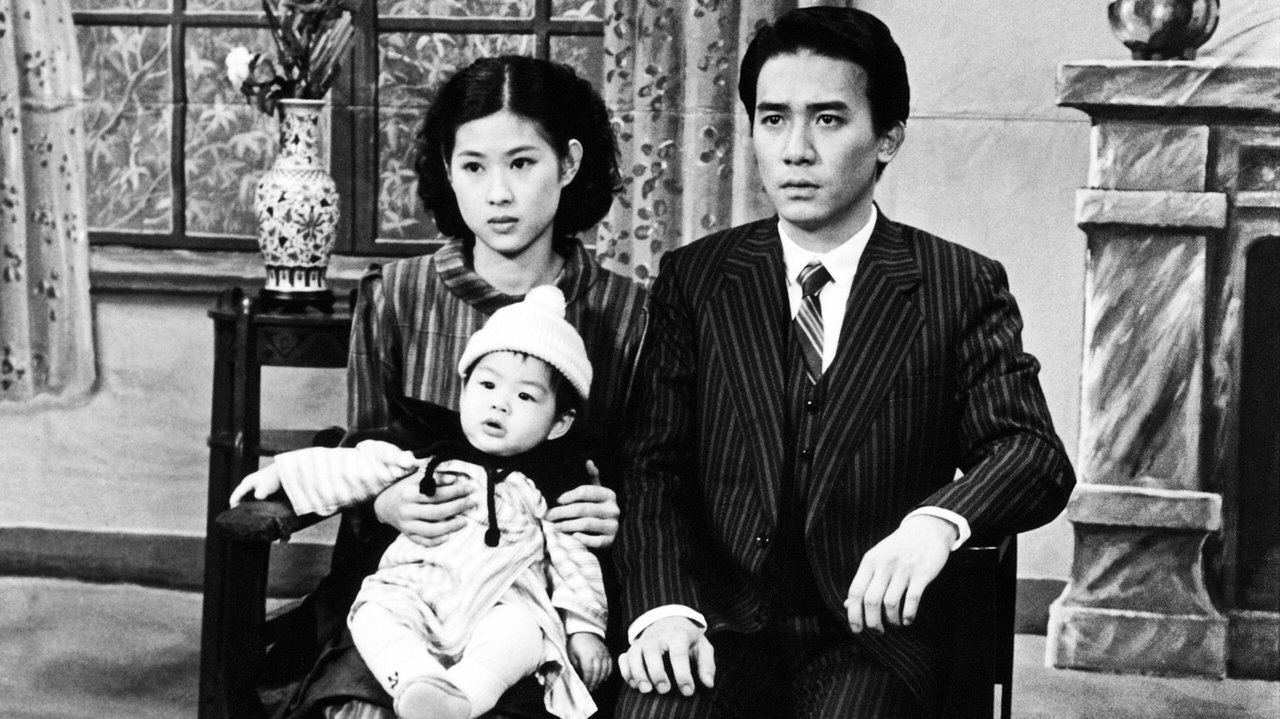
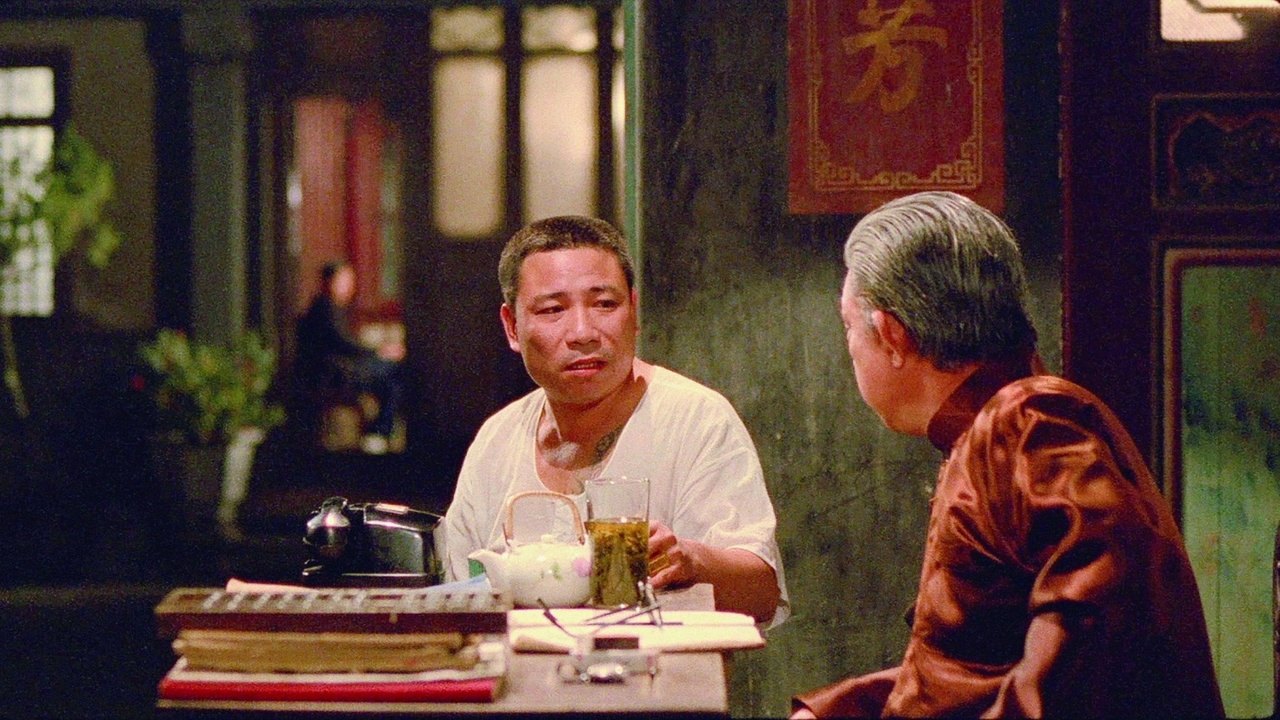
Director Hou Hsiao-hsien, a leading figure of the Taiwanese New Wave, employs his signature style to devastating effect. Forget frantic editing or intrusive close-ups. Hou favours long takes, often with a static camera placed at a distance, observing characters within their meticulously composed environments. Major events – arrests, beatings, moments of political upheaval – often occur just off-screen or are glimpsed indirectly, reflecting how individuals often experience history not as grand pronouncements but as sudden, inexplicable disruptions to their lives. This detached, observational approach doesn't create distance; rather, it fosters a profound sense of empathy, allowing us to inhabit the spaces and rhythms of the characters' lives. The gorgeous, painterly cinematography captures the specific light and atmosphere of Taiwan, while the naturalistic sound design further immerses us. Co-written with frequent collaborators Chu Tʽien-wen and Wu Nien-jen, the script unfolds elliptically, demanding patience and attention, rewarding the viewer with a richer, more resonant understanding.
Breaking Ground and Gathering Laurels (Retro Fun Facts)
- A City of Sadness was truly groundbreaking. It was the first Taiwanese film to openly address the 228 Incident and the subsequent period of political suppression known as the White Terror. Its production was an act of courage.
- The decision to make Wen-ching mute reportedly stemmed from a practical issue: Tony Leung Chiu-wai, a Hong Kong actor, wasn't fluent enough in the Taiwanese Hokkien dialect required for Hou Hsiao-hsien's commitment to naturalism. What began as a workaround became a masterstroke of characterization and theme.
- The film achieved major international recognition, winning the prestigious Golden Lion for Best Film at the 1989 Venice Film Festival. This was a landmark moment, bringing Taiwanese cinema firmly onto the world stage and solidifying Hou Hsiao-hsien's global reputation.
- Hou’s method often involved minimal rehearsal, encouraging actors to live within the scene, fostering the film's remarkable authenticity. He wasn't just telling a story; he was capturing a sense of lived experience.
A Legacy Beyond the Screen
Watching A City of Sadness today isn't about simple nostalgia for a decade; it's about connecting with a timeless story of human resilience in the face of historical trauma. It forces us to consider how ordinary lives are shaped, and often shattered, by political forces. Doesn't the struggle to communicate truth, the weight of unspoken histories, still resonate deeply in our contemporary world? The film doesn't offer easy answers or catharsis in the conventional sense. Instead, it leaves you with a quiet ache, a profound respect for the endurance of the human spirit, and a deeper understanding of a crucial period in Taiwanese history.
Final Thoughts and Rating
A City of Sadness is not an easy watch, nor was it ever meant to be. It’s a slow, immersive, and ultimately shattering historical epic told through the intimate lens of one family. Hou Hsiao-hsien's masterful direction, the deeply affecting performances (especially Tony Leung Chiu-wai's unforgettable turn), and its courageous engagement with a painful past make it an essential piece of world cinema. It might not have been the tape you rented for a Friday night popcorn fest, but discovering it felt like unlocking a deeper, more meaningful corner of the cinematic universe.
Rating: 9.5/10
Justification: This near-masterpiece earns its high rating through its profound historical significance, its groundbreaking courage in tackling taboo subjects, Hou Hsiao-hsien's singular artistic vision, the breathtaking central performance by Tony Leung Chiu-wai, and its lasting emotional resonance. It's a demanding but immensely rewarding film that exemplifies the power of cinema to bear witness and foster empathy across time and cultures.
What endures most is the film's quiet dignity, the way it honours the unspoken sorrows and tenacious hopes of those caught in history's unforgiving tide.