Here we go, digging into a tape that carries a weight far heavier than its plastic shell. Some films arrive like loud guests, announcing their intentions from the first frame. Others, like Luis Puenzo's devastating 1985 masterpiece The Official Story (Spanish: La historia oficial), seep under your skin, posing questions that linger long after the tracking adjusts and the credits roll. It asks something profound, something deeply uncomfortable: what happens when the foundations of your personal happiness might be built upon an unimaginable crime?
A Crack in the Facade
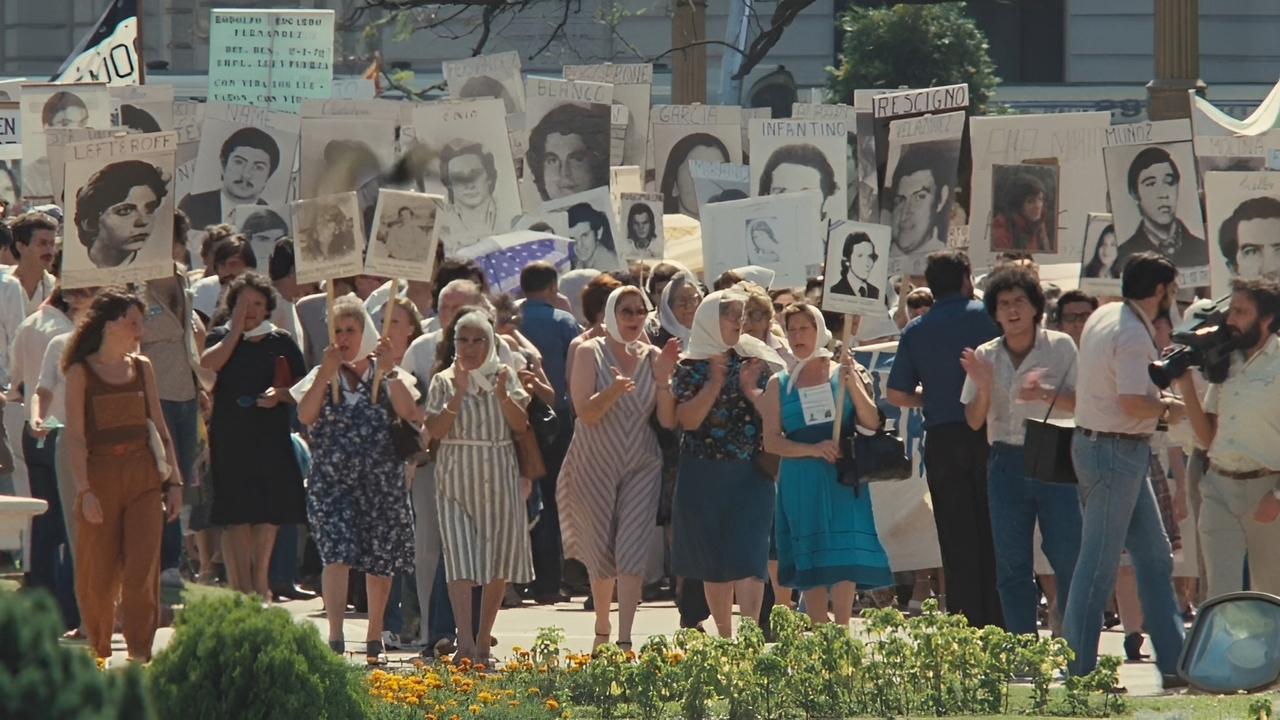
Set in Buenos Aires in 1983, just as the brutal military dictatorship crumbles, the film centers on Alicia (Norma Aleandro), a comfortably upper-middle-class history teacher. She lives a seemingly content life with her husband, Roberto (Héctor Alterio), a successful businessman with government connections, and their adopted daughter, Gaby (Analia Castro). Alicia teaches the state-sanctioned version of Argentinian history – the "official story" – while remaining wilfully blind to the darker truths hinted at by returning political exiles and hushed whispers about los desaparecidos, the thousands who vanished during the regime's "Dirty War."
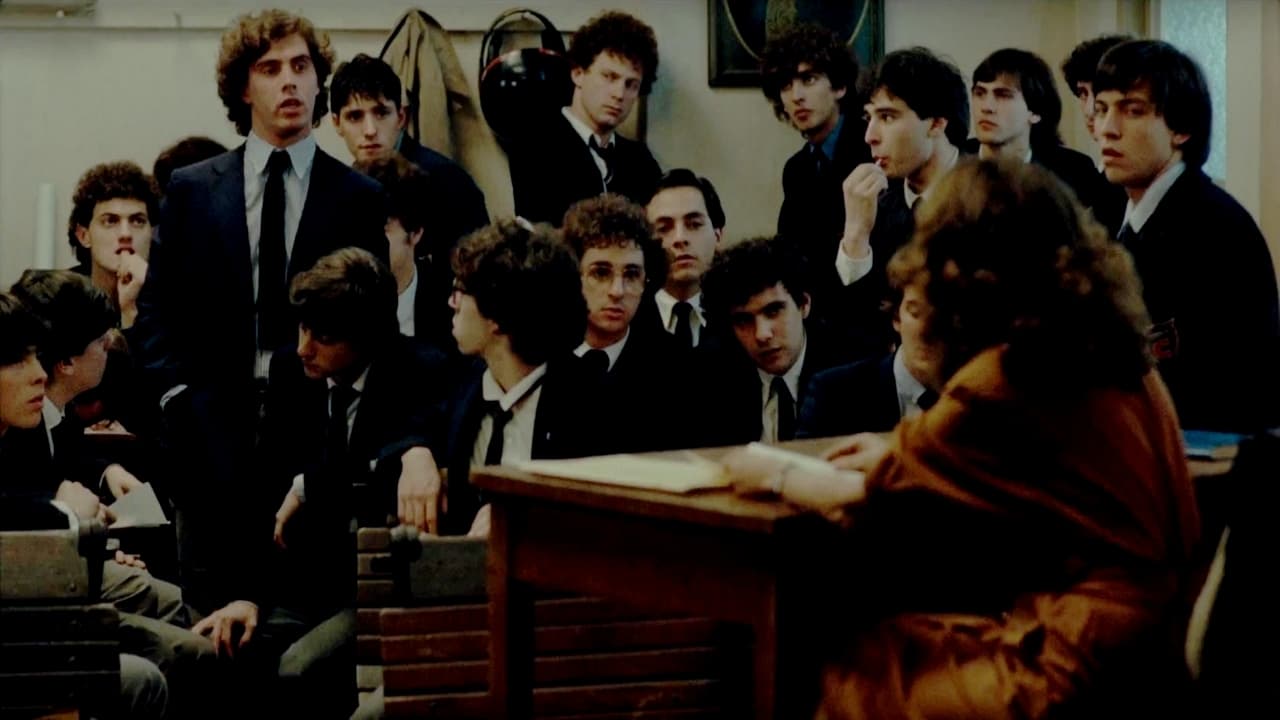
The film's genius lies in its gradual, agonizing portrayal of Alicia's awakening. It begins subtly: a returning friend's haunted memories (Chunchuna Villafañe, delivering a harrowing monologue), a student's challenging question in class, a growing unease about the inconsistencies surrounding Gaby's adoption. Puenzo masterfully builds the tension not through overt action, but through accumulating doubts and the stifling atmosphere of denial. The comfortable home becomes a pressure cooker, each polite conversation potentially masking a terrifying reality.
The Unraveling of Certainty
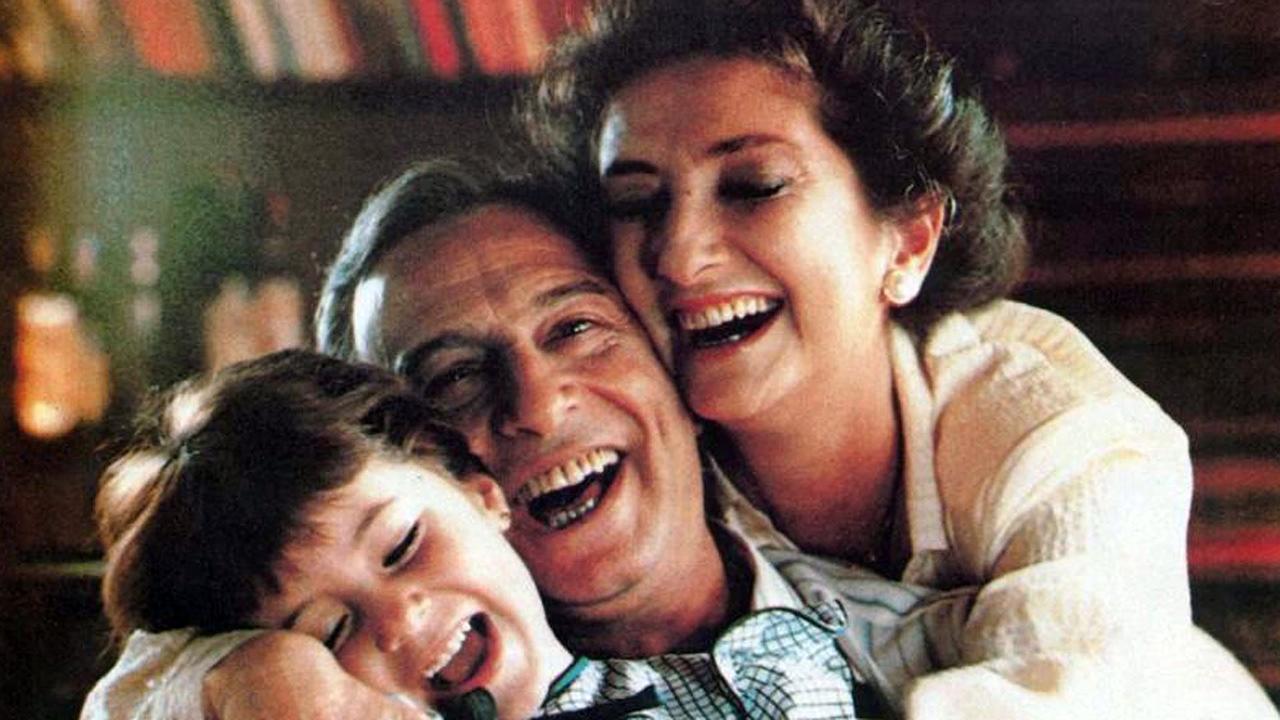
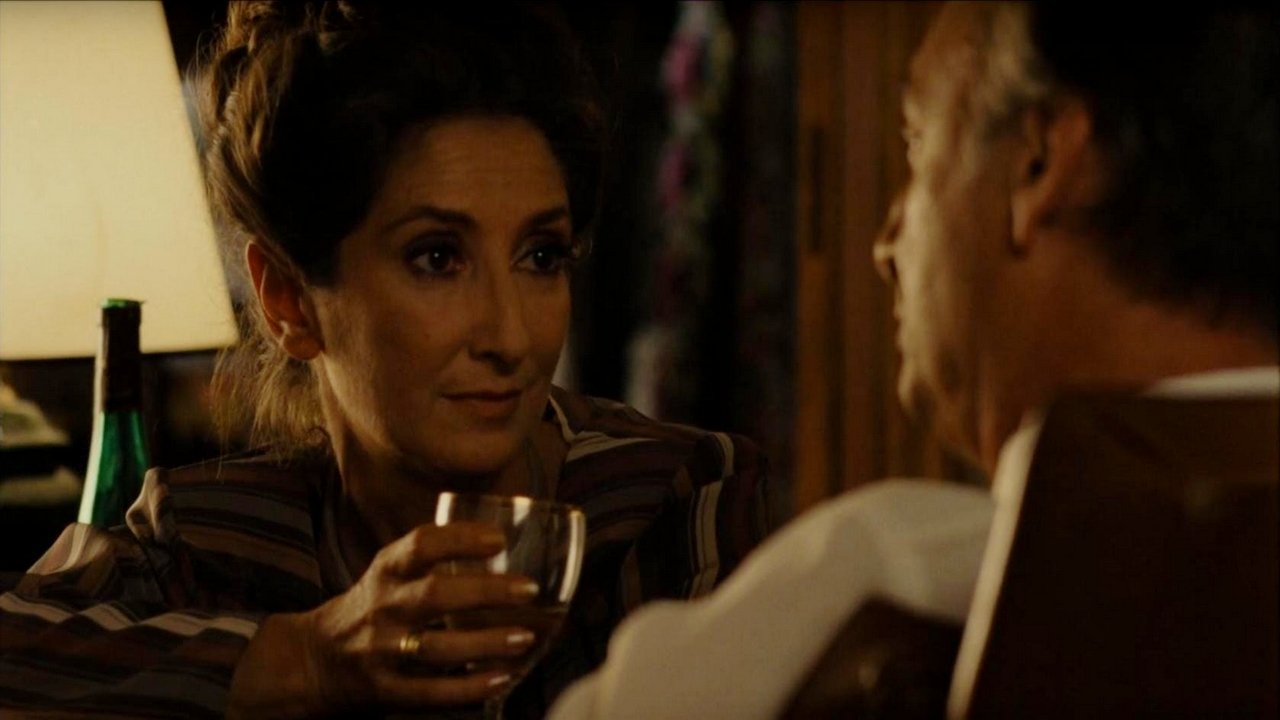
Norma Aleandro's performance is simply breathtaking. It’s a masterclass in internalized emotion. She doesn't just portray Alicia; she inhabits her transformation from sheltered complacency to horrified awareness. Watch her face – the subtle shifts in her eyes, the tightening of her jaw – as the carefully constructed walls around her reality begin to crack. It’s a performance built on nuance, conveying worlds of fear, doubt, and dawning courage often without a single word. Aleandro herself had been living in exile in Uruguay and Spain due to threats received during the dictatorship. Returning to Argentina to make this film, embodying a character forced to confront the regime's horrors, must have carried an incredible personal weight, and it resonates powerfully on screen.
Opposite her, Héctor Alterio as Roberto is equally compelling. He represents the complicity, the wilful blindness, and perhaps the genuine, if deeply flawed, love that allows such systems of oppression to function. His refusal to confront the past, his casual dismissal of Alicia's growing fears, creates a chilling dynamic. Is he merely protecting his family, or is he protecting himself from a truth he cannot bear to face? Their domestic arguments become microcosms of the larger national conflict between memory and forgetting.
More Than Just a Movie: An Act of Courage
Making The Official Story when they did was itself an act of bravery. Filmed on location in Buenos Aires immediately following the fall of the junta, with the wounds still raw and the future uncertain, Luis Puenzo and his co-writer Aída Bortnik (who drew inspiration from the harrowing real-life stories gathered by the Grandmothers of the Plaza de Mayo) weren't just crafting a drama; they were participating in a vital, painful national conversation. Securing funding, around $1.5 million USD (a modest sum even then), was reportedly difficult given the subject matter. Its subsequent success – culminating in the Academy Award for Best Foreign Language Film in 1986, a first for Argentina – felt like more than just cinematic achievement; it was international recognition of a hidden history demanding to be told. Imagine the impact of finding this potent, necessary film on the shelf at Blockbuster, nestled perhaps between a Stallone action flick and a John Hughes comedy. It was a stark reminder that the video store wasn't just an escape; it was sometimes a window onto the world's harsh realities.
The film doesn't offer easy answers. It doesn't portray Alicia as a sudden hero, but as an ordinary person grappling with an extraordinary moral burden. What does one do when personal love is intertwined with political atrocity? How does a nation heal when the truth is so monstrous? These questions echo far beyond the specific context of 1980s Argentina, touching upon universal themes of denial, responsibility, and the courage required to seek truth, no matter the cost.
Final Reel
The Official Story isn't light viewing. It won't leave you with the warm fuzzies of some other 80s classics. It's a film that demands your attention, engages your conscience, and stays with you. It's a testament to the power of cinema to bear witness, to challenge, and to provoke necessary reflection. The quiet intensity, the powerhouse performances, and the sheer historical weight it carries make it an essential piece of filmmaking from the era.
Rating: 9/10
This score reflects the film's profound thematic depth, the unforgettable central performance by Norma Aleandro, its historical significance, and its masterful, tension-filled direction. It's a near-perfect execution of a difficult, vital story, losing perhaps only a fraction for pacing that demands patience, though this deliberate slowness is arguably essential to its impact.
It remains a powerful reminder that sometimes the most important stories aren't the official ones, but the hushed, painful truths waiting to be uncovered. What truths do we choose not to see in our own lives, our own histories?