It begins not with a bang, but with a careful arrangement of mirrors, reflecting a world both glamorous and subtly fractured. 1989's Scandal plunges us directly into the heady, precarious atmosphere of early 1960s London, a society teetering between post-war austerity and the dawn of the permissive age. Watching it again now, decades removed from its initial release and even further from the real-life events it depicts, the film feels less like a historical reenactment and more like a potent X-ray of power, class, and the devastating consequences when private lives become public consumption.
A Gilded Cage
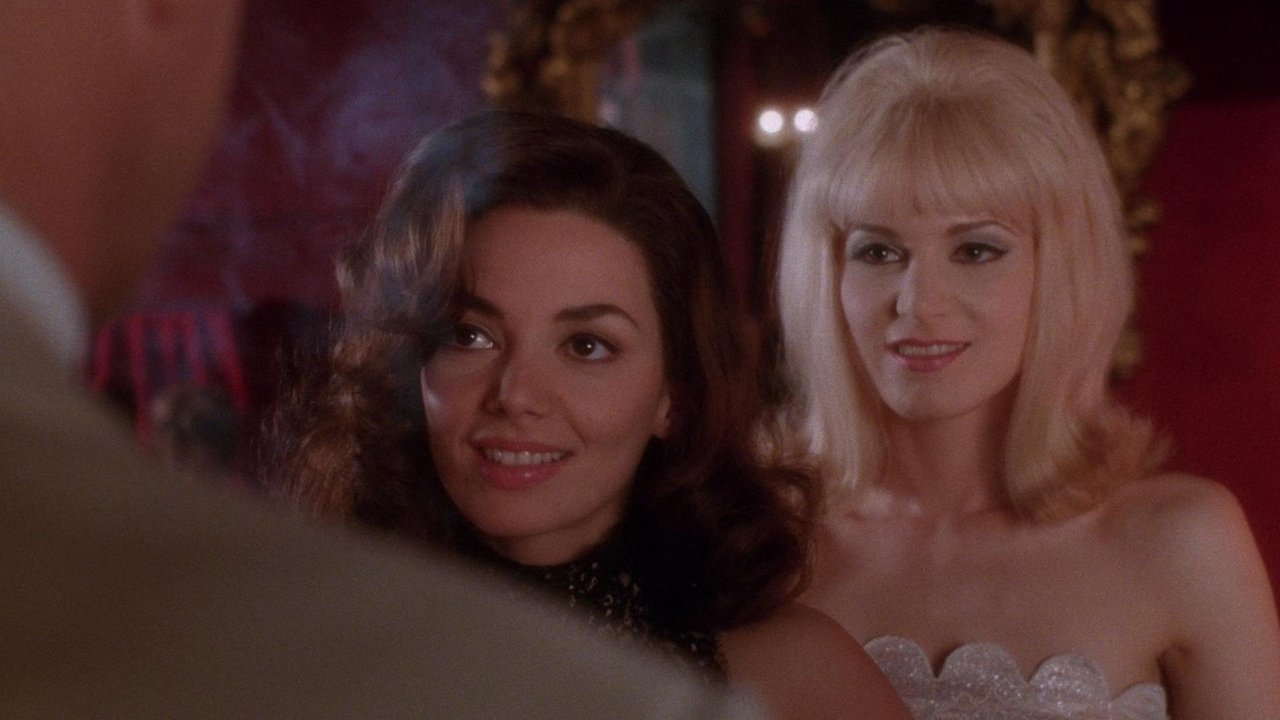
Directed with remarkable confidence by a young Michael Caton-Jones (who would later give us Rob Roy (1995) and Memphis Belle (1990)), Scandal doesn't merely recount the infamous Profumo Affair; it immerses us in the specific milieu that allowed it to ignite. We follow Stephen Ward, an osteopath and society portraitist, played with astonishing nuance by the irreplaceable John Hurt. Ward moves effortlessly, it seems, between worlds – from the smoky clubs pulsing with nascent rock and roll to the hushed drawing rooms of the aristocracy and the corridors of political power. He collects people, particularly pretty young women like Christine Keeler (Joanne Whalley) and Mandy Rice-Davies (Bridget Fonda), introducing them to his influential friends, including Secretary of State for War John Profumo (Ian McKellen in a precise, telling performance) and a Soviet naval attaché, Yevgeny Ivanov (Jeroen Krabbé).
The film masterfully captures the allure and the danger of this arrangement. There's a palpable sense of excitement, of boundaries being pushed, but beneath the surface glamour lies a brittle vulnerability. The swinging London scene is depicted not just as liberating, but also as transactional, a place where youth and beauty become currency in games played by older, powerful men.

The Man in the Middle
At the heart of Scandal is John Hurt's portrayal of Stephen Ward. It’s a performance that resonates long after the credits roll, avoiding easy categorization. Hurt embodies Ward's charm, his artistic sensibility, his almost pathological need to be liked and accepted by the upper echelons. Yet, he simultaneously reveals the man's profound insecurity, his naivety about the ruthlessness of the establishment he courts, and ultimately, his tragic realization of being a pawn in a much larger, dirtier game. Hurt makes Ward neither purely villain nor solely victim, but a complex, deeply flawed human being caught in the crosshairs. It’s easy to see why Hurt himself considered it one of his finest roles; he charts Ward’s descent from bon vivant to scapegoat with heartbreaking precision.
Worlds Collide

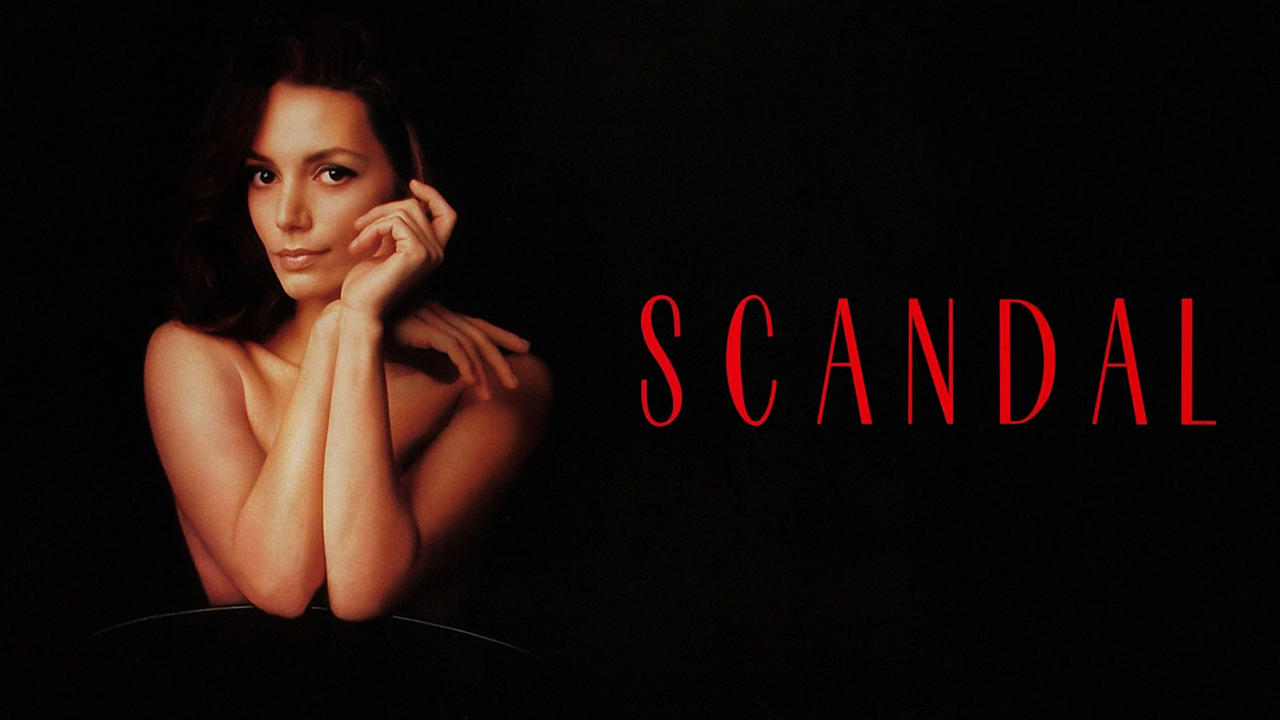
Joanne Whalley, fresh off fantasy hit Willow (1988), brings a quiet intensity to Christine Keeler. She’s not just a passive object of desire; there’s a watchful quality to her performance, suggesting a young woman navigating treacherous waters with limited tools, perhaps more aware of the inherent dangers than Ward himself. Opposite her, Bridget Fonda injects Mandy Rice-Davies with a sharp, defiant spark. Her infamous courtroom retort ("Well he would, wouldn't he?") isn't in the film, but Fonda captures that same spirit of shrewd self-preservation. These aren't just 'good-time girls'; they are individuals whose lives are irrevocably altered by forces far beyond their control.
Interestingly, the film itself courted controversy upon release. Produced by the daring Palace Pictures (responsible for boundary-pushing films like The Company of Wolves (1984) and Mona Lisa (1986)), Scandal faced considerable hurdles with censors, particularly in the UK where the events were still relatively raw, and initially received an 'X' rating in the US before being re-rated 'R'. It’s a testament to the film’s unflinching gaze that it still felt provocative nearly three decades after the actual affair. Caton-Jones doesn't shy away from the sexual elements, but crucially, frames them within the context of power dynamics and societal hypocrisy.
Echoes in the Static
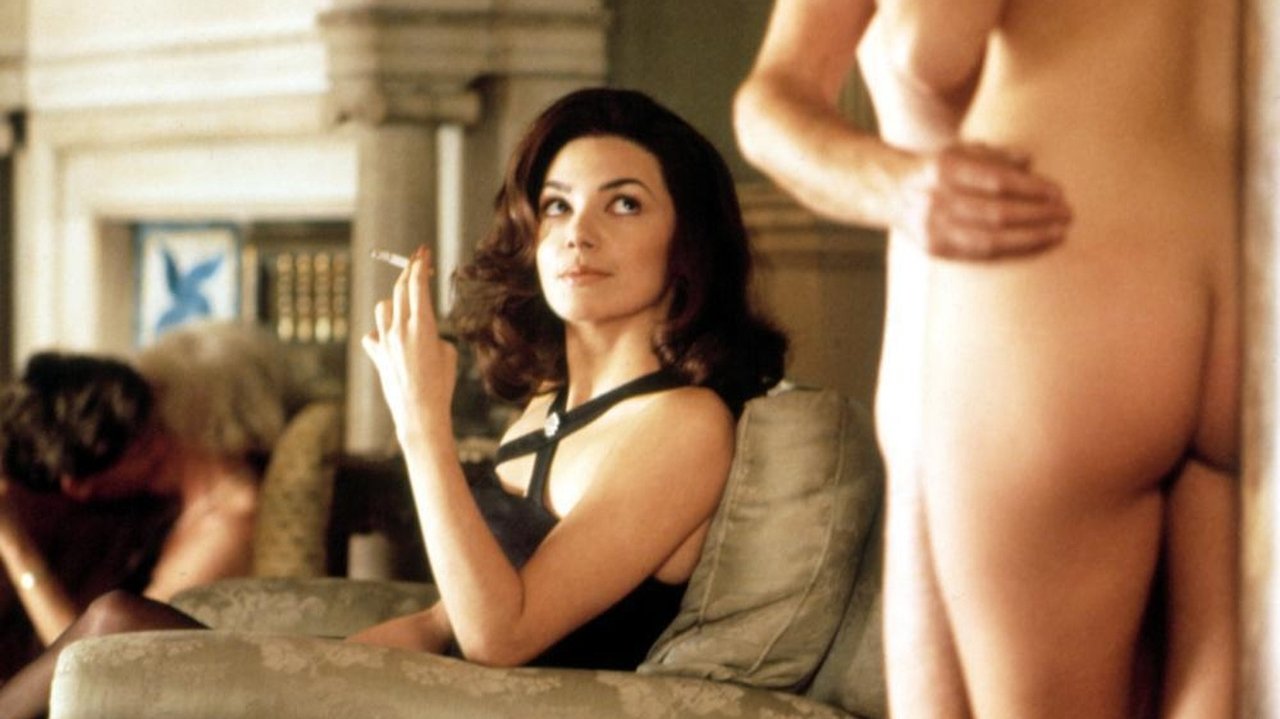
Watching Scandal on VHS back in the day, perhaps rented from a store shelf adorned with its slightly risqué cover, felt like accessing something forbidden, a glimpse behind the curtain of polite society. The film’s recreation of the era is meticulous, from the fashion and music to the suffocating atmosphere of Fleet Street sensationalism and parliamentary panic. One fascinating detail often mentioned is how the production navigated recreating the iconic Lewis Morley photograph of Keeler astride the chair – a potent symbol of the entire affair, which the film cleverly evokes without simply replicating. Though filmed decades later, it captures that specific moment in British history where the post-war deference began to crumble under the weight of scandal and media scrutiny. It reportedly cost around £4.5 million to make, a fairly standard budget for a British picture then, but its subject matter gave it an impact far exceeding its cost, taking around $8.8 million at the US box office alone and generating countless headlines.
What lingers most about Scandal isn't just the faithful retelling of a historical event, but the questions it raises about who holds power, who becomes disposable, and the often-vicious role of the media in shaping narratives. Doesn't the intense scrutiny faced by Keeler and Rice-Davies echo the treatment of individuals caught in public scandals today? The film serves as a potent reminder that behind every headline-grabbing affair are real people whose lives are often shattered in the fallout.
Rating: 8/10
This score reflects the film's powerful lead performance from John Hurt, the compelling atmosphere created by Michael Caton-Jones, and its intelligent, nuanced handling of a complex and potentially salacious true story. It successfully balances historical drama with sharp social commentary, anchored by authentic portrayals of individuals caught in a whirlwind they couldn't control. The pacing is deliberate, focusing on character and mood over sensationalism, which might feel slow to some expecting a thriller, but perfectly suits its reflective tone.
Scandal remains a vital piece of 80s British cinema, a film that uses a specific historical moment to explore timeless themes of power, sex, and the devastating price of public disgrace. It’s a movie that stays with you, prompting reflection long after the VCR whirs to a stop.