It’s a rare thing when a filmmaker carries a story within them for years, waiting for the right moment, the right circumstances, to bring it to the screen. For writer-director John Sayles, Matewan wasn't just another project; it was a piece of American history he felt compelled to excavate, a story he first scripted back in the late 1970s, long before he had the means to make it. Watching it again now, decades after pulling that distinctive VHS tape off the rental store shelf, that sense of deep-seated commitment, of a story bursting to be told, still permeates every frame. This isn't just a movie; it feels like testimony.
Dust, Desperation, and Defiance
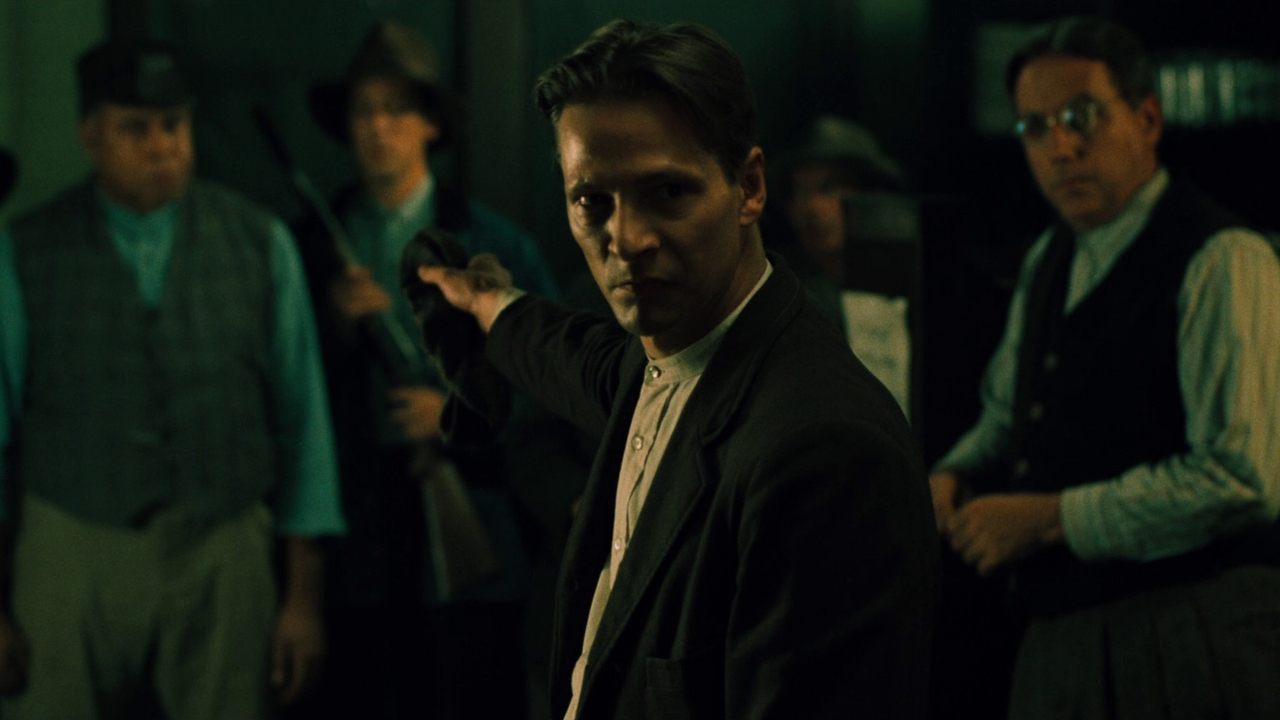
The film transports us, body and soul, to Matewan, West Virginia, in 1920. You can almost taste the coal dust in the air, feel the damp chill that settles in the hollows. Sayles, ever the master of immersing us in a specific time and place, paints a stark picture of life under the thumb of the Stone Mountain Coal Company. Pay is meagre, conditions are dangerous, and dissent is ruthlessly crushed. It's against this backdrop that the miners, pushed to their absolute limit, decide to unionize, inviting organizer Joe Kenehan (Chris Cooper) into their midst to help galvanize their fight.
A Fragile Alliance
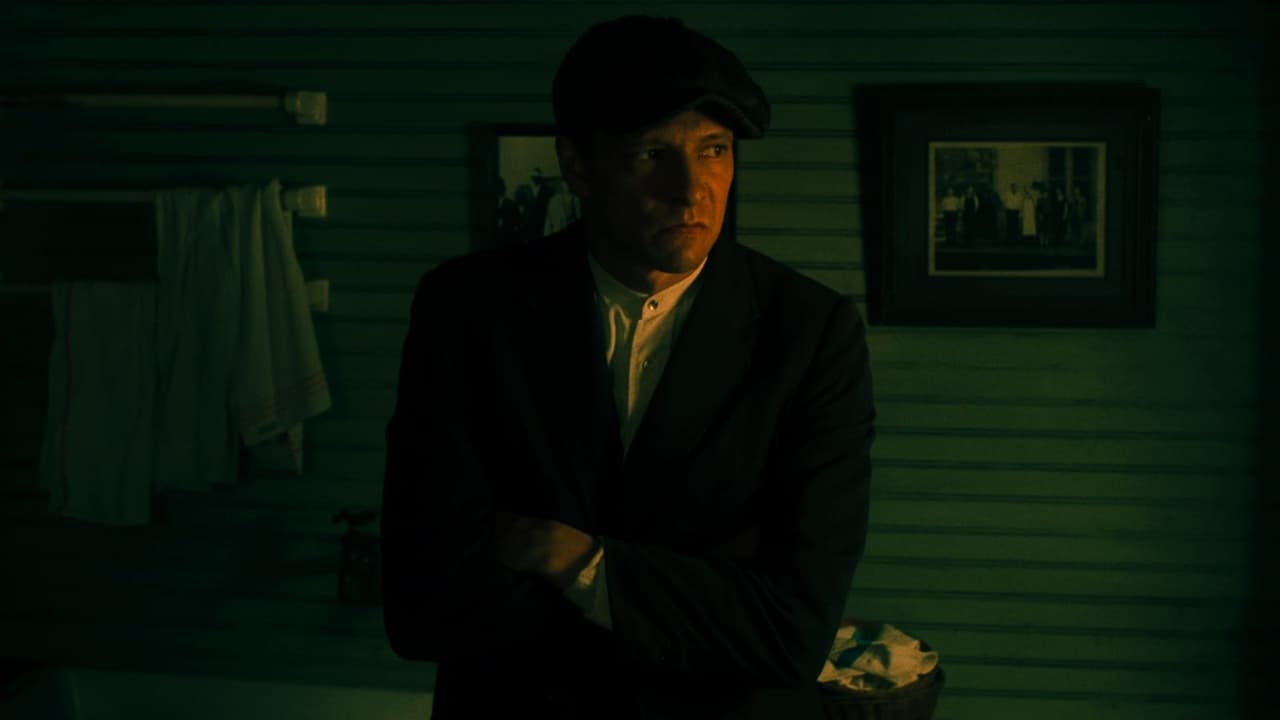
What elevates Matewan beyond a simple historical recounting is Sayles's intricate exploration of the human dynamics within the struggle. The company, in a classic divide-and-conquer tactic, brings in Black miners from Alabama and Italian immigrants, hoping racial and ethnic tensions will prevent the workforce from uniting. Kenehan's greatest challenge isn't just facing the company's hired guns – the notorious Baldwin-Felts Detective Agency – but bridging these divides. The scenes where Kenehan, the quietly commanding 'Few Clothes' Fewclothes (James Earl Jones), and the wary Italian leader (Joe Grifasi) attempt to forge solidarity are some of the film's most powerful. It asks us, doesn't it, how often progress is stalled not by external forces alone, but by our own inability to see shared humanity across perceived barriers?
Sayles, who famously part-funded the film himself using earnings from writing genre fare like The Howling (1981) – a fascinating detail for us VHS hunters! – brings his signature blend of meticulous research, empathetic characterization, and unvarnished realism to the fore. The dialogue feels lived-in, drawn from the earth itself, avoiding Hollywood platitudes. He understands that history is made not just by grand pronouncements but by quiet conversations, weary glances, and acts of small, persistent courage. The film's pacing is deliberate, allowing the tension to build organically, mirroring the slow, simmering boil of the miners' frustration before it inevitably explodes.
Capturing the Grit
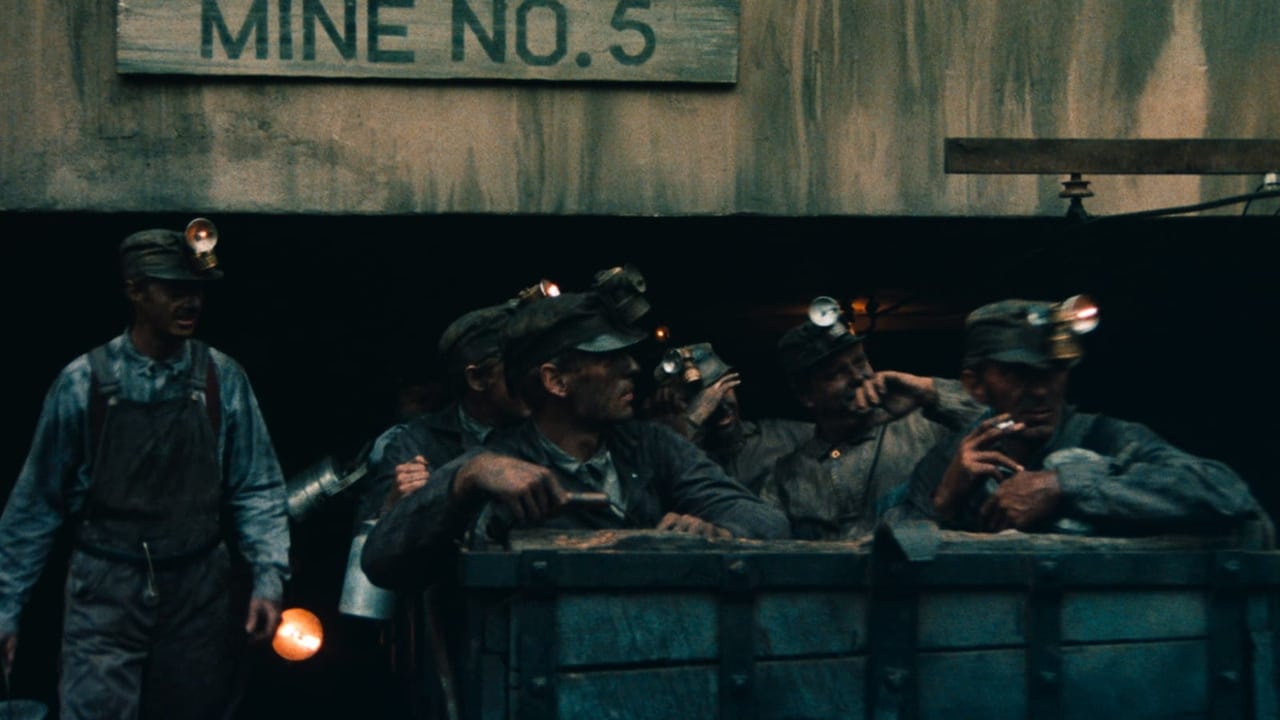
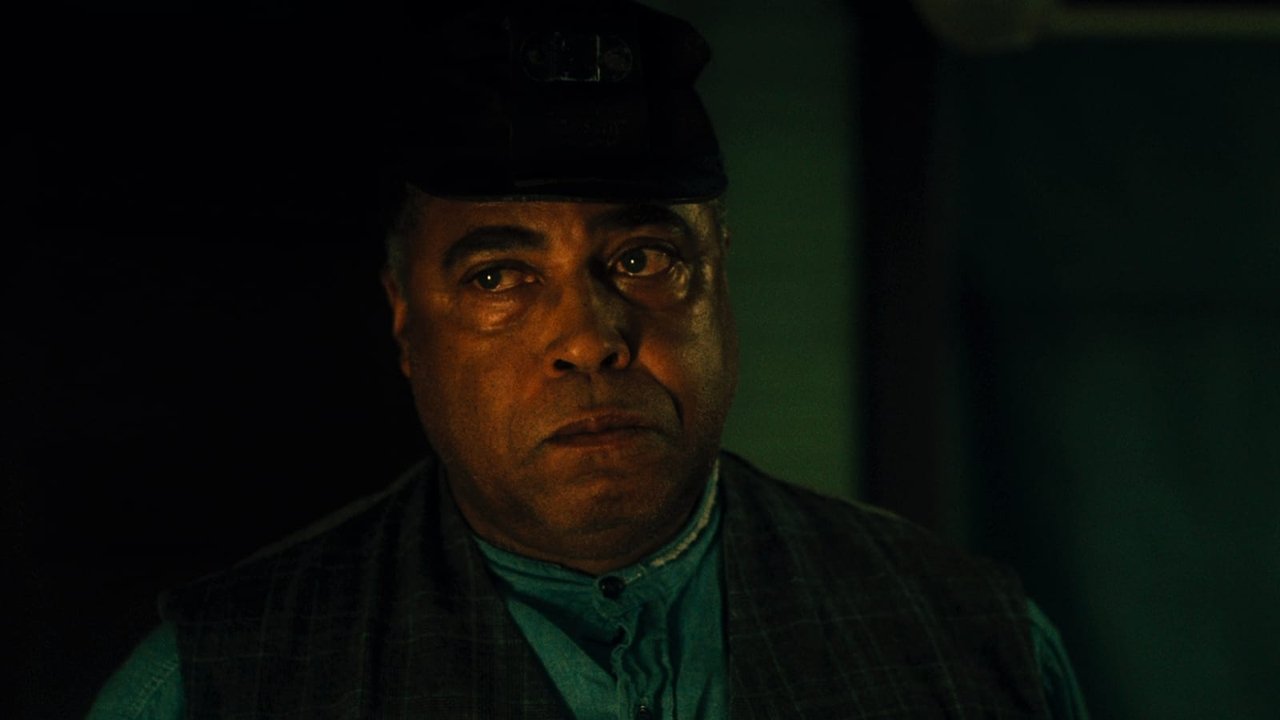
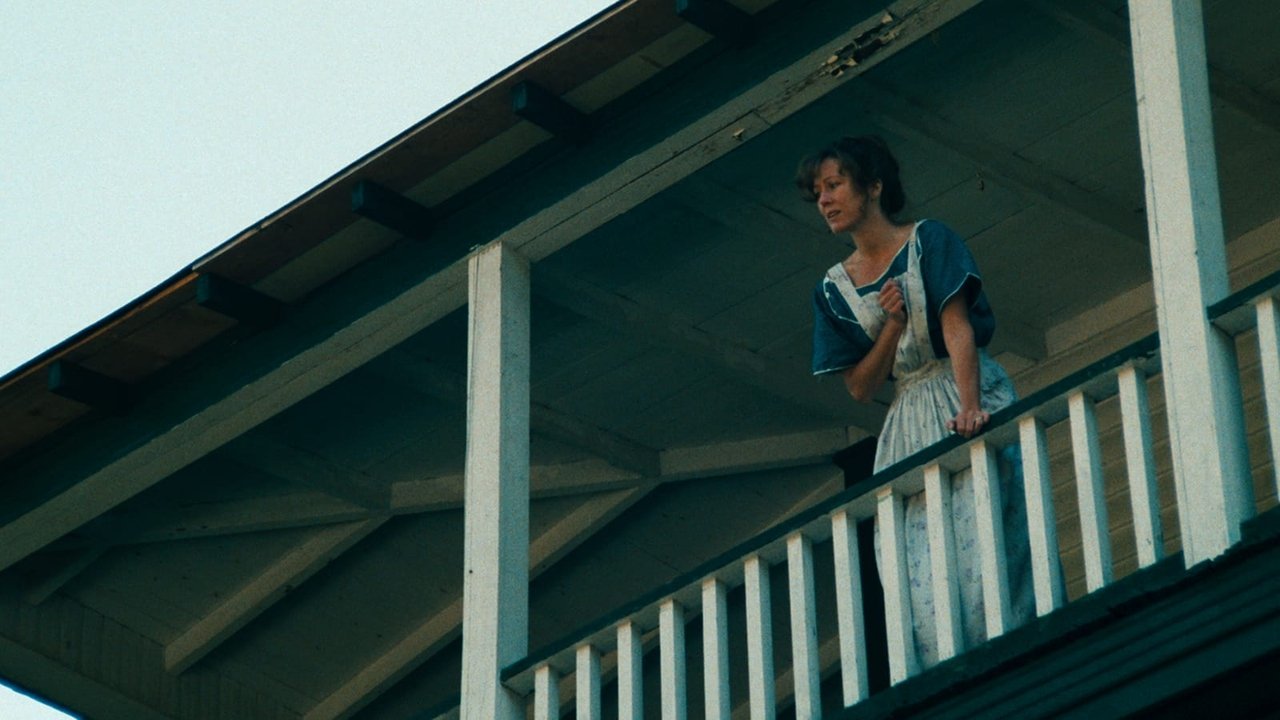
Visually, Matewan is a stunner, thanks in no small part to the legendary cinematographer Haskell Wexler, whose previous work includes the visually distinct One Flew Over the Cuckoo's Nest (1975). Wexler’s lens captures both the claustrophobic darkness of the mines and the rugged, misty beauty of the Appalachian landscape. Shooting on location in the wonderfully preserved railroad town of Thurmond, West Virginia, lends an unshakeable authenticity that studio sets could never replicate. You feel the damp wood of the buildings, the rough-hewn texture of the period clothes. Working with a modest budget of around $4 million, Sayles and Wexler achieved a remarkable sense of historical weight and verisimilitude, a testament to their resourcefulness and shared vision.
Faces That Linger
The performances are uniformly excellent, grounded in that same authenticity. This film marked the first leading role for Chris Cooper, and it's easy to see why he became such a respected actor. His Joe Kenehan is the film's quiet center – principled, weary, but resolute. He embodies the thankless, dangerous work of organizing, trying to preach non-violence in the face of brutality. James Earl Jones brings immense gravitas to 'Few Clothes', a man who understands the deep roots of prejudice and the precariousness of trust. And Mary McDonnell, as Elma Radnor, the boarding house owner widowed by the mines, provides the film's resilient heart, representing the women whose lives were inextricably bound to the miners' struggle. The entire ensemble feels like a genuine community, their faces etched with the hardship of their lives.
More Than a History Lesson
Watching Matewan in the 80s, perhaps sandwiched between rentals of Lethal Weapon (1987) or RoboCop (1987), felt like finding a hidden passage. It was different. Slower, denser, demanding more attention. It didn’t offer easy answers or cathartic explosions in the typical Hollywood sense (though the final confrontation is undeniably impactful and historically rooted). Instead, it offered something perhaps more valuable: a profound sense of empathy for a forgotten chapter of the American labor movement. It reminds us that the battles for fair wages, safe conditions, and the right to organize weren't abstract concepts; they were fought, bled for, and sometimes died for, by ordinary people in towns like Matewan. The themes of corporate power versus workers' rights, the exploitation of division, and the struggle for basic dignity – do these struggles truly feel confined to the past? The film suggests otherwise.
Rating: 9/10
Matewan stands as a towering achievement in independent filmmaking and one of John Sayles' finest works. Its meticulous historical detail, deeply felt performances, stunning cinematography, and unwavering focus on the human cost of conflict make it utterly compelling. The 9 rating reflects its artistic integrity, powerful storytelling, and enduring relevance, only slightly tempered by a deliberate pace that demands viewer patience, richly rewarding those who give it.
It's a film that settles deep in your bones, a haunting reminder of the blood spilled in the fight for fairness, leaving you with the echo of fiddle music and the unshakeable image of men standing together against impossible odds. A true gem from the shelves of VHS Heaven.