It washes over you almost immediately – not just the oppressive humidity of a New Orleans summer, but the intoxicating blend of easy charm and simmering danger that permeates The Big Easy. Released in 1987 after a bit of a perilous journey to the screen, this film isn’t just a crime thriller or a romance; it’s an atmospheric time capsule, thick with the sights, sounds, and morally ambiguous haze of its unique setting. Does any film capture that specific Crescent City vibe quite like this one did back in the day?

Let the Good Times Roll... Or Else
At the heart of it all is Lieutenant Remy McSwain, played with an almost impossible-to-resist swagger by Dennis Quaid. Remy’s a homicide detective who seems to embody the city itself – charming, effective, and operating comfortably within a system where minor graft is just part of the landscape ("Cher," that accent!). He's the kind of cop who knows everyone, bends the rules with a smile, and firmly believes in the local way of doing things. I recall seeing Quaid here, after his breakout in Breaking Away (1979) and The Right Stuff (1983), and feeling like he’d absolutely found a role that fit him like a well-worn linen suit. He reportedly worked diligently with a dialect coach, and it paid off, creating a character whose very speech pattern felt authentic to the world he inhabited.
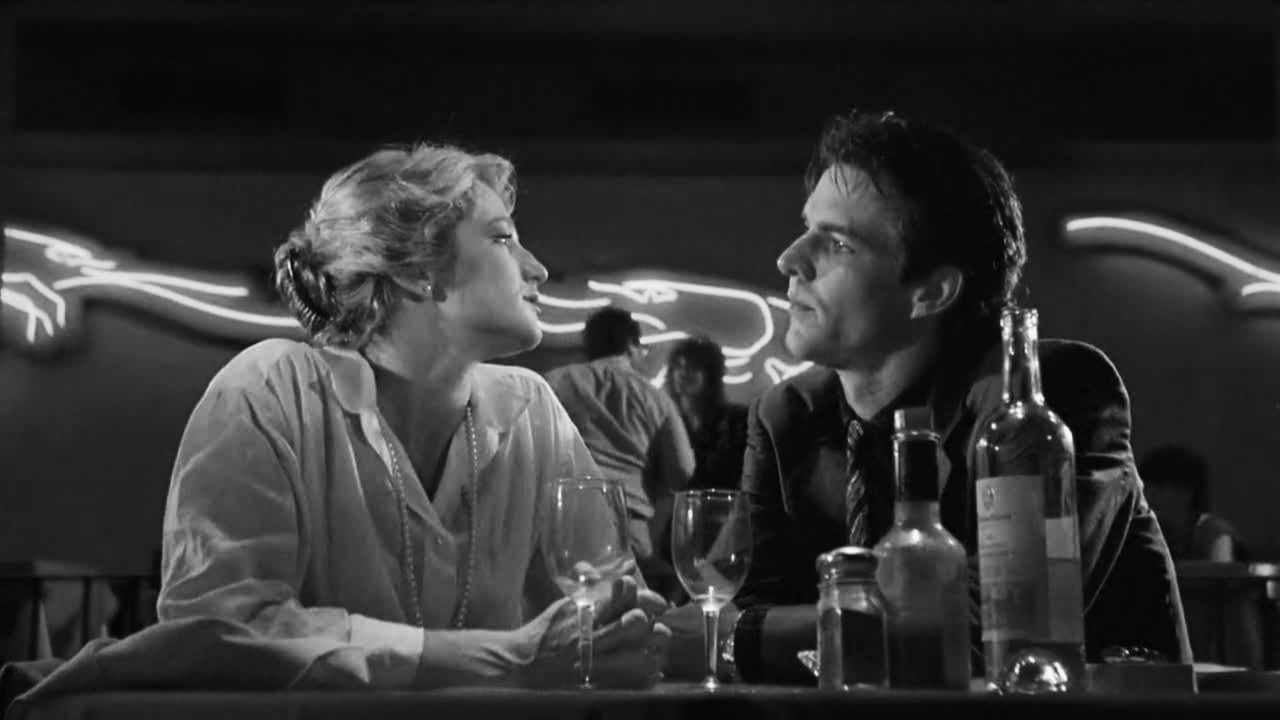
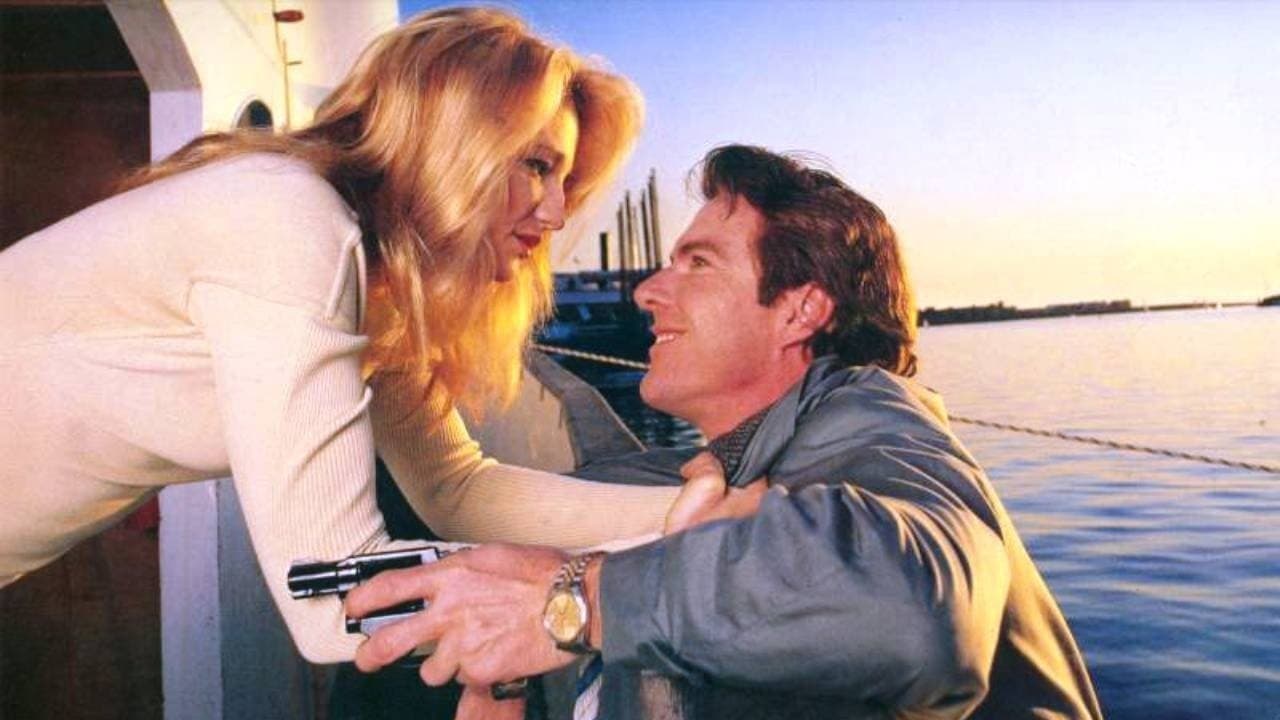
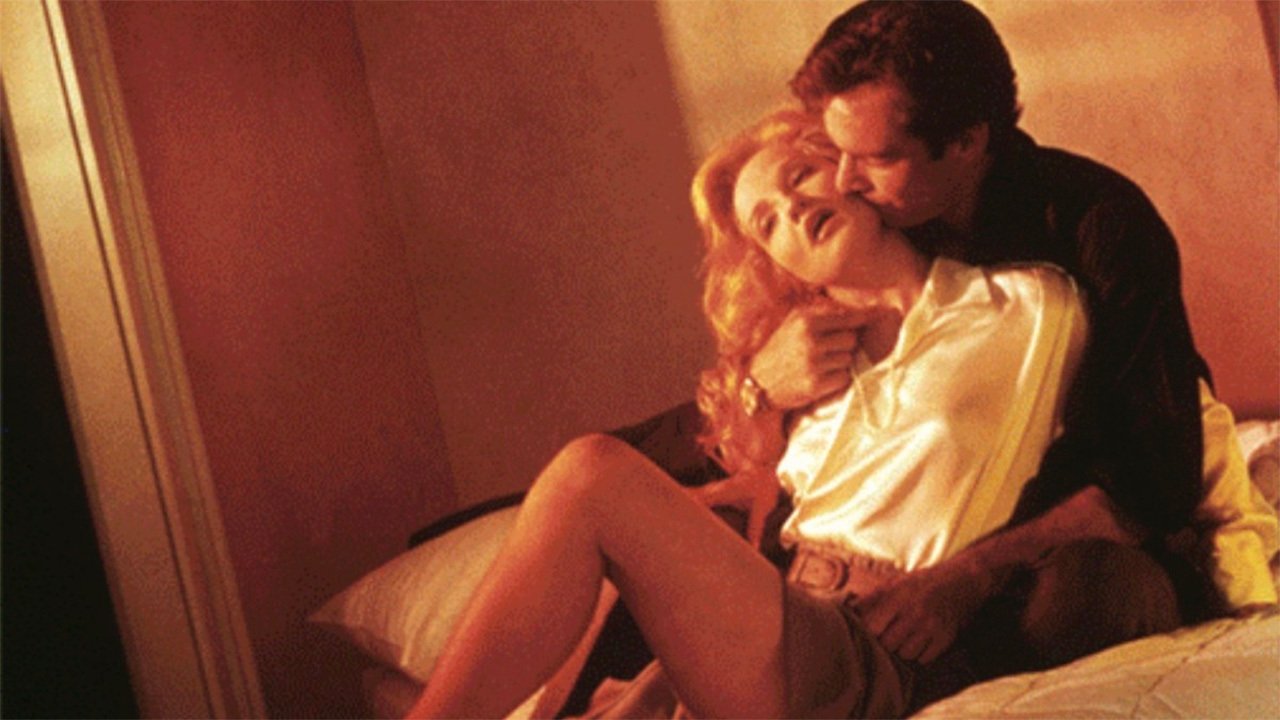
Into this sultry ecosystem steps Assistant District Attorney Anne Osborne, portrayed with a sharp intelligence and captivating vulnerability by Ellen Barkin. She’s the outsider, sent to investigate alleged police corruption, and her upright, by-the-book ethics clash immediately with Remy’s more fluid approach. The sparks that fly between them aren't just professional friction; they're pure, unadulterated chemistry. Watching Quaid and Barkin circle each other, initially with suspicion and then with undeniable attraction, is the film's undeniable engine. Their scenes together crackle with an intensity that feels utterly genuine, raw, and more than a little dangerous – a far cry from the often formulaic romances of the era.
Beneath the Charm
But The Big Easy is more than just a steamy love story. Jim McBride's direction masterfully uses the New Orleans backdrop not just as scenery, but as an active participant in the narrative. The vibrant street life, the constant pulse of Cajun and Zydeco music (the Neville Brothers feature prominently), the decaying elegance of the architecture – it all contributes to a world where lines blur easily. Writer Daniel Petrie Jr., who penned the much slicker Beverly Hills Cop (1984), crafts a compelling neo-noir plot here, delving into drug trafficking and murder within the police department itself.
The supporting cast is terrific, especially Ned Beatty as Captain Jack Kellom, Remy’s boss and father figure, whose avuncular warmth hides deeper secrets. His presence lends weight and a creeping sense of unease. And keep an eye out for a younger John Goodman in a memorable supporting role. The film navigates the twists and turns of its central mystery effectively, forcing both Anne and the audience to question just how deep the corruption runs, and whether Remy himself is truly one of the good guys. Can someone operate so comfortably within a rotten system without being tainted by it? That question hangs heavy in the humid air.
From the Brink to Bayou Classic
It's fascinating to remember that The Big Easy almost didn't see a proper theatrical release. Its original production company, Embassy Pictures, went under, and the film was nearly relegated to the direct-to-video shelf – a fate that befell many a worthy picture in the 80s. Thankfully, it was rescued by Samuel Goldwyn Jr., who saw its potential. Made for a modest budget (around $8 million), it became a sleeper hit, earning nearly $18 million domestically and garnering significant critical acclaim, particularly for its lead performances and authentic atmosphere. It's a testament to the film's inherent quality and undeniable appeal that it found its audience despite the initial hurdles. Did you know Ellen Barkin initially turned down the role? It was McBride's vision for the film and the character that ultimately convinced her, and it’s hard to imagine anyone else capturing Anne Osborne's blend of toughness and yearning so perfectly. The film even spawned a short-lived TV adaptation in the mid-90s, though it never quite captured the magic of the original.
The Lingering Heat
What stays with you after watching The Big Easy again, perhaps pulling that well-loved tape from the shelf, is that incredible sense of place and the electric connection between its leads. The plot, while solid, almost feels secondary to the experience of immersing yourself in this specific world and watching these two magnetic characters navigate its complexities and their own desires. It’s a film that feels lived-in, authentic, and unapologetically adult in its portrayal of passion and moral compromise. It captures a certain kind of gritty, romantic filmmaking that felt particularly potent in the late 80s.
Rating: 8.5/10
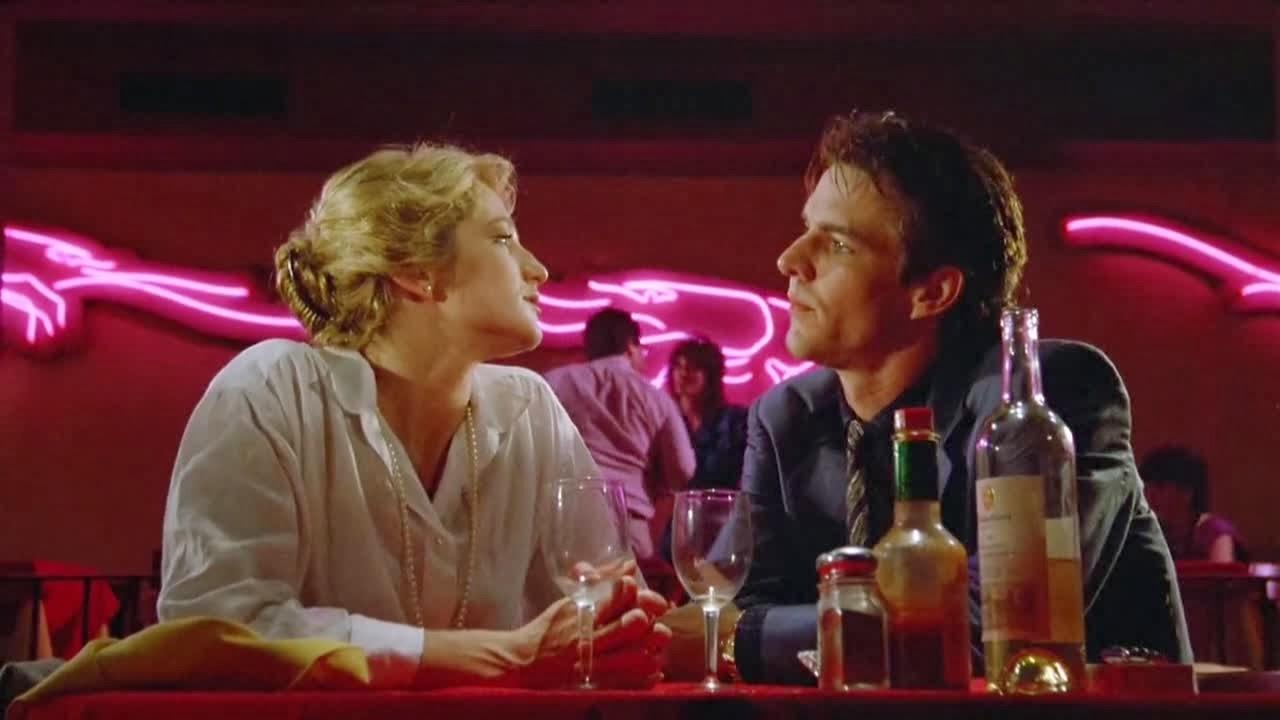
This score reflects the film's exceptional atmosphere, the powerhouse performances and legendary chemistry of Quaid and Barkin, and its smart blending of romance and neo-noir suspense. It’s held back just slightly by a plot that occasionally feels a touch predictable by modern standards, but the execution is so strong, and the sense of place so palpable, that it remains a standout of its era.
It's a film that reminds you how potent atmosphere and performance can be, leaving you with the lingering scent of chicory coffee, the echo of a zydeco accordion, and the undeniable heat of a New Orleans night. Cher, indeed.