The neon signs of Canal Street bleed onto rain-slicked pavement, reflecting a city simmering with barely contained hostility. Forget star-crossed lovers whispering sweet nothings on balconies; in Abel Ferrara's unforgiving New York City of 1987, romance is a dangerous contraband smuggled across invisible borders, and its discovery is met not with familial disapproval, but with switchblades and gunfire. China Girl plunges us headfirst into this volatile world, a street-level opera of tribal warfare where love blooms like a fragile flower in cracked concrete, destined to be crushed underfoot.
Where Worlds Collide
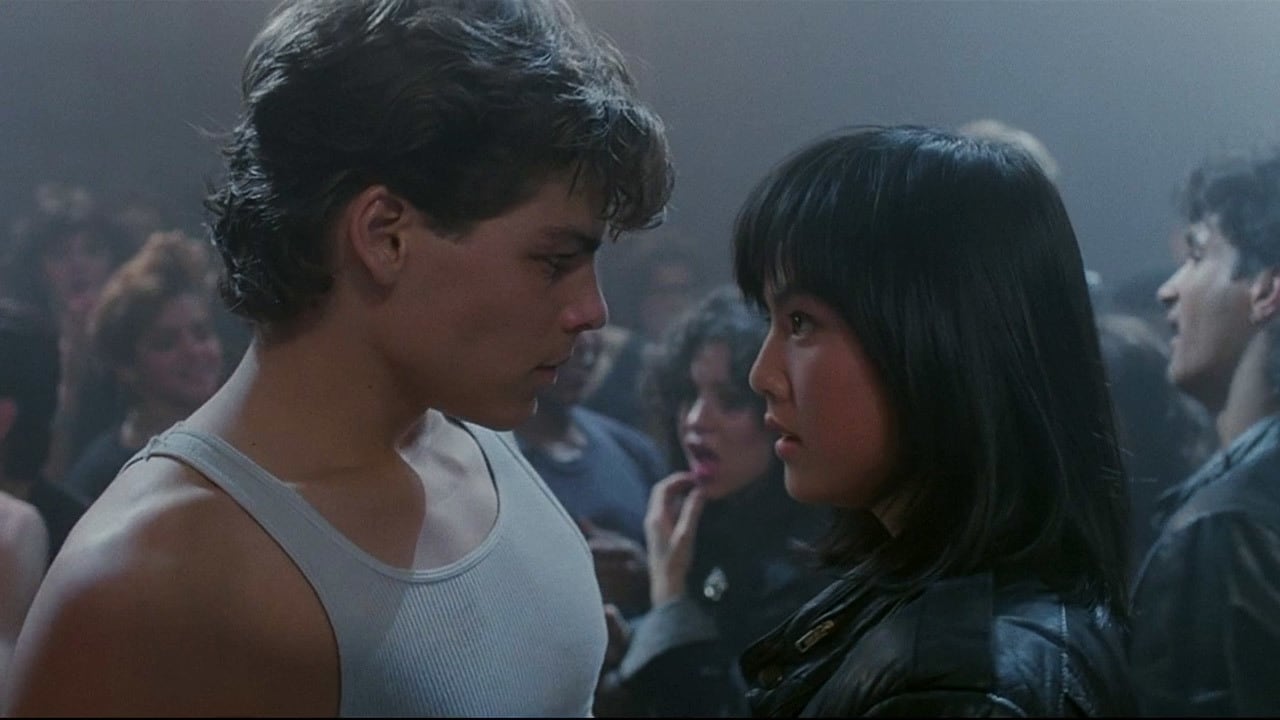
Ferrara, already carving out his niche as the poet laureate of urban decay with films like Ms .45 (1981) and Fear City (1984), uses Nicholas St. John’s tightly wound script to pit Little Italy against Chinatown. These aren't just neighborhoods; they're kingdoms defined by tradition, prejudice, and the unspoken laws of the street. Into this powder keg steps Tony (a fresh-faced Richard Panebianco), a pizza-making kid from the Italian side with aspirations beyond the neighborhood squabbles, and Tye (the luminous Sari Chang), a young woman from Chinatown dreaming of a life less constrained by her brother's ambitions within the local gangs. Their meeting at a downtown dance club crackles with immediate, forbidden chemistry, a spark ignited in the crossfire of long-simmering ethnic tensions.
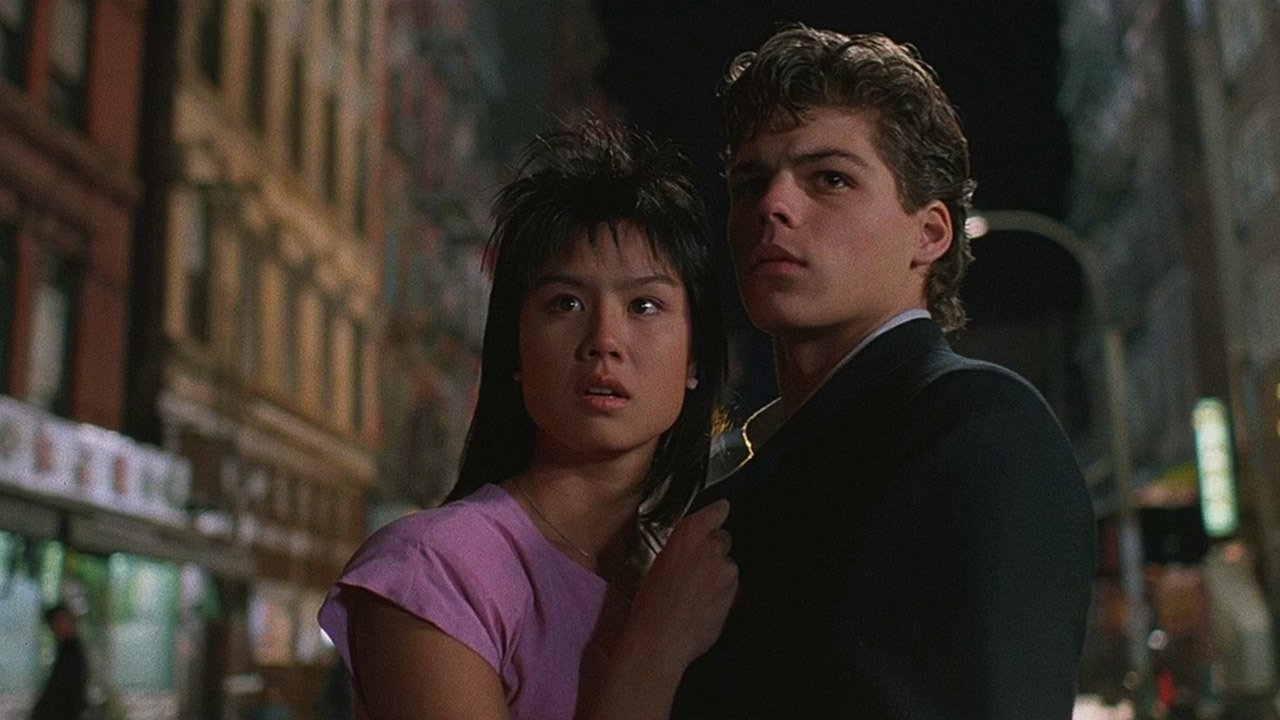
The setup is undeniably familiar – Romeo and Juliet retooled with Members Only jackets and boomboxes – but Ferrara elevates it beyond mere pastiche. There's a raw, desperate energy here, fueled by the director's signature gritty realism. He doesn't romanticize the city; he presents it as a pressure cooker, amplifying the danger and the yearning of his protagonists. The film was shot entirely on location in Manhattan, capturing the authentic texture of late-80s Little Italy and Chinatown before rampant gentrification smoothed over their rough edges. You can almost smell the garbage mingling with the cooking Wonton soup, feel the humid tension hanging in the air. Ferrara, known for his often confrontational, near-guerrilla style of filmmaking, makes the city itself a character – menacing, seductive, and ultimately indifferent to the human tragedies playing out on its stage.
Faces in the Crowd, Violence in the Blood
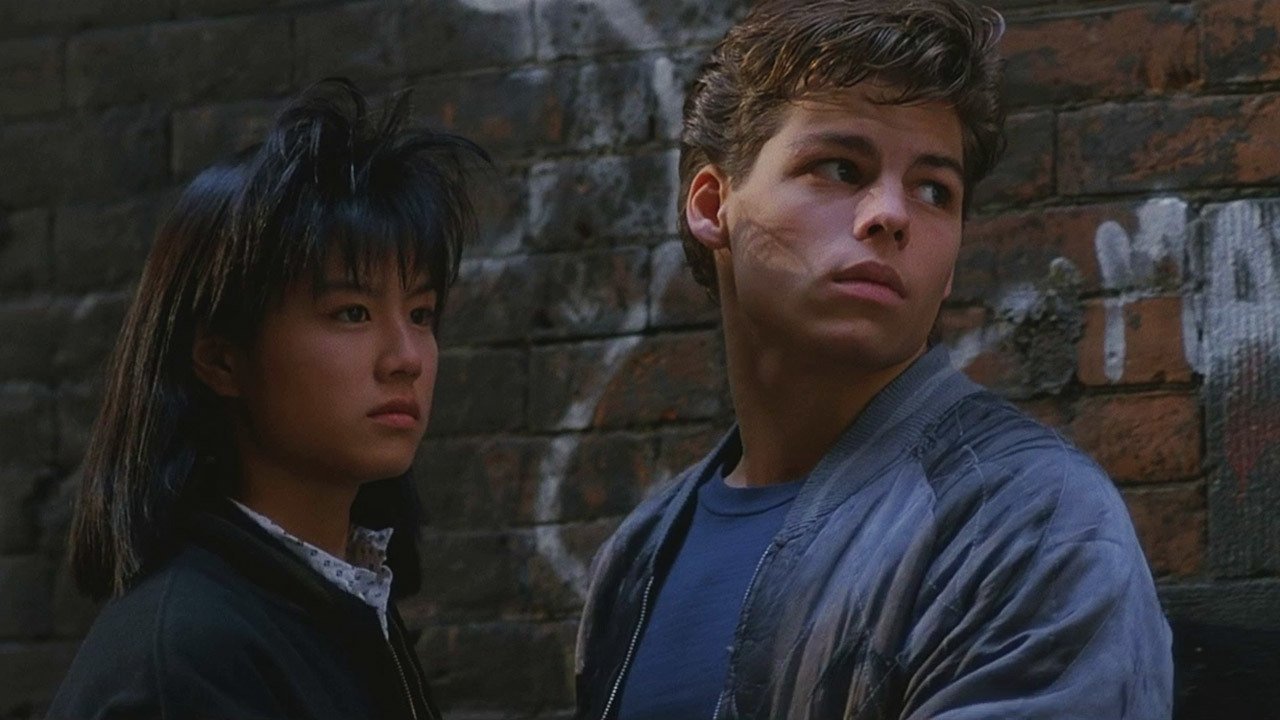
While Panebianco and Chang carry the central romance with believable innocence and burgeoning desperation, it's the supporting cast, particularly the veterans, who anchor the film's brutal authenticity. James Russo, a Ferrara regular, is magnetic as Alby, Tony’s older brother, radiating coiled violence and a fierce, misguided loyalty to his turf. Russo embodies the cycle of prejudice and violence that traps these communities. He's not just a gangster; he's a product of his environment, suspicious and hostile, unable to see beyond the artificial lines drawn on the map. His counterpart on the Chinese side, Tye’s ambitious brother Yung Gan (played with chilling intensity by Russell Wong), mirrors this destructive parochialism.
The film doesn't shy away from the ugliness of racism or the sudden, shocking brutality it ignites. Ferrara stages the violence with a bluntness that feels less stylized and more terrifyingly real than many contemporary action flicks. Fights aren't choreographed ballets; they're messy, desperate scrambles. This starkness, this refusal to look away, is what gives China Girl its lingering power. It’s a film that understands how quickly simmering resentment can boil over into bloodshed, how easily young lives can be sacrificed on the altar of neighbourhood pride. Reportedly, filming in these volatile neighborhoods wasn't without its own real-world tensions, adding another layer of authenticity to the on-screen friction.
A Soundtrack to a Doomed Romance
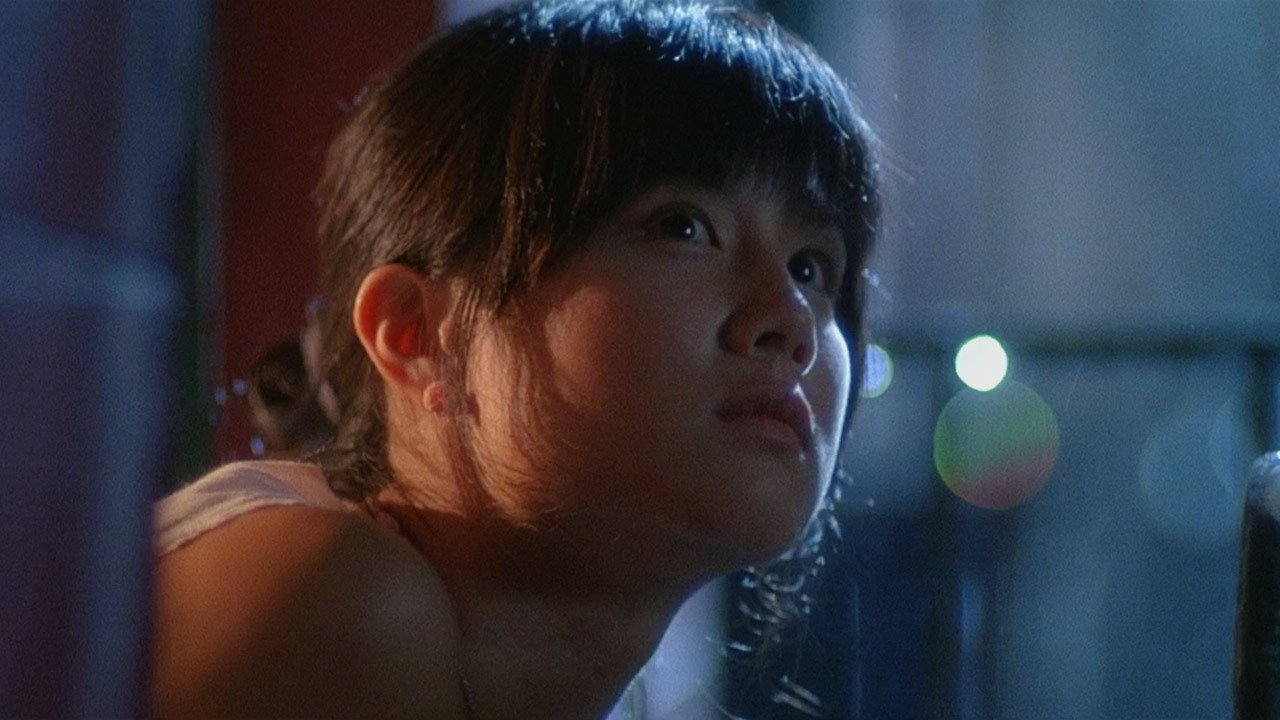
The score by Joe Delia, another key Ferrara collaborator, perfectly complements the visuals. It blends yearning romantic themes with pulsing, anxious synth lines that underscore the ever-present danger. It’s the sound of young love trying to find its rhythm against the chaotic heartbeat of the city streets. The music, combined with James Lemmo’s cinematography – which captures both the grimy textures and the occasional flashes of neon beauty – creates an atmosphere that’s both intoxicating and deeply unsettling. It feels like watching a beautiful, flickering candle in a room full of leaking gas pipes. Doesn't that sense of inevitability hang heavy over the entire film?
Legacy on LaserDisc and Lingering Grit
China Girl wasn't a massive box office hit upon release (grossing around $1.2 million against its modest budget), nor did it achieve the cult status of some of Ferrara’s more notorious works like King of New York (1990) or Bad Lieutenant (1992). Yet, watching it again on a well-worn tape (or perhaps a slightly cleaner streaming version these days), it feels like a vital piece of his filmography and a potent snapshot of a specific time and place. It’s a reminder of an era when urban dramas weren't afraid to be bleak, violent, and deeply critical of the societal fractures they depicted.
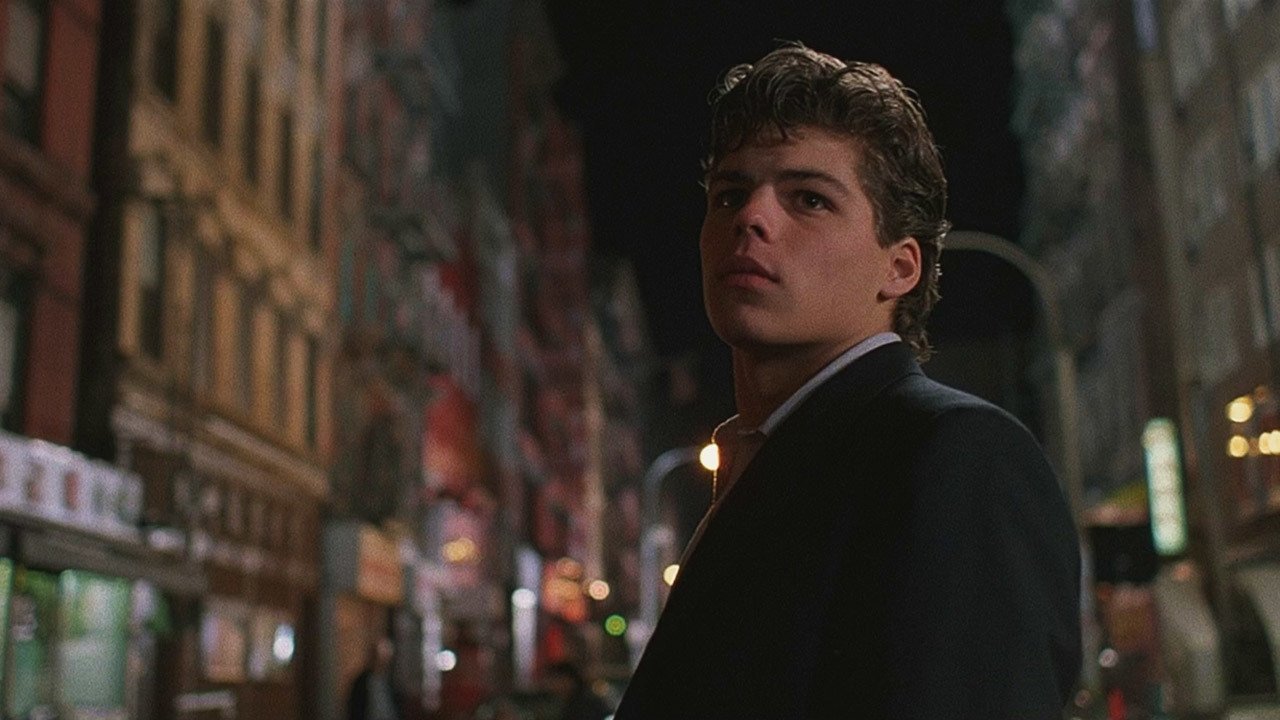
The film's power lies in its straightforward, almost classical tragedy mapped onto the specific anxieties and aesthetics of the late 80s. It’s less concerned with intricate plot twists and more focused on the suffocating atmosphere and the emotional toll of forbidden love in a world defined by hate. Did it reinvent the wheel? No. But it rolled that wheel through the muck and grime of Ferrara's New York with unflinching honesty.
VHS Heaven Rating: 8/10
This score reflects the film's powerful atmosphere, Ferrara's uncompromising direction, strong supporting performances (especially Russo), and its successful translation of a timeless story into a specific, gritty 80s urban context. It might lack the gonzo energy of some Ferrara joints, but its grounded realism and palpable sense of dread make it a standout crime drama of the era. It’s a potent, often brutal reminder that sometimes the most dangerous territories are the ones we draw ourselves, right in the heart of the city. A must-watch for Ferrara fans and lovers of raw 80s street cinema.