There's a certain kinetic, desperate energy that pulses through the neon-drenched streets of Mong Kok in Wong Kar-wai's directorial debut, As Tears Go By (1988). It's a rawness that feels worlds away from the ethereal, dreamlike quality many associate with his later masterpieces like Chungking Express (1994) or In the Mood for Love (2000). Watching it again now, decades removed from when its grainy VHS likely sat on the shelf of my local video store, feels like unearthing a crucial, formative chapter – a compelling Hong Kong crime drama that laid the groundwork for a cinematic visionary, even while playing within more familiar genre lines.
Streets Paved with Trouble
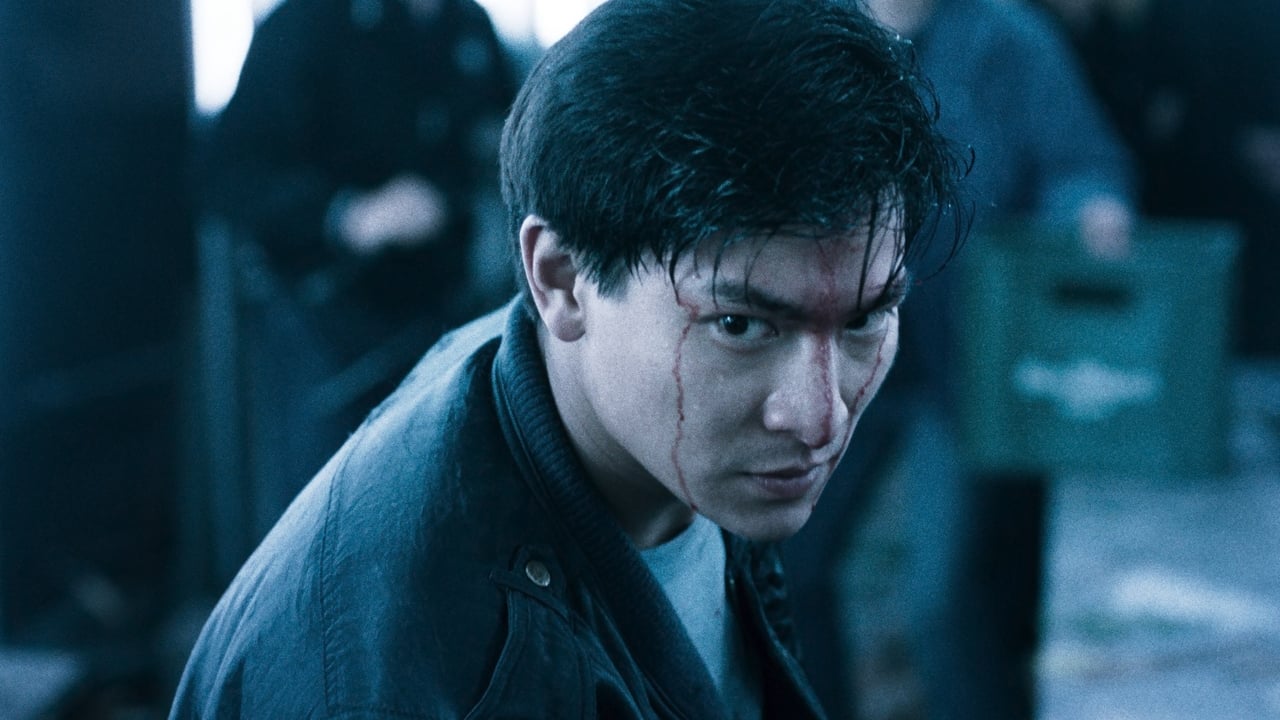
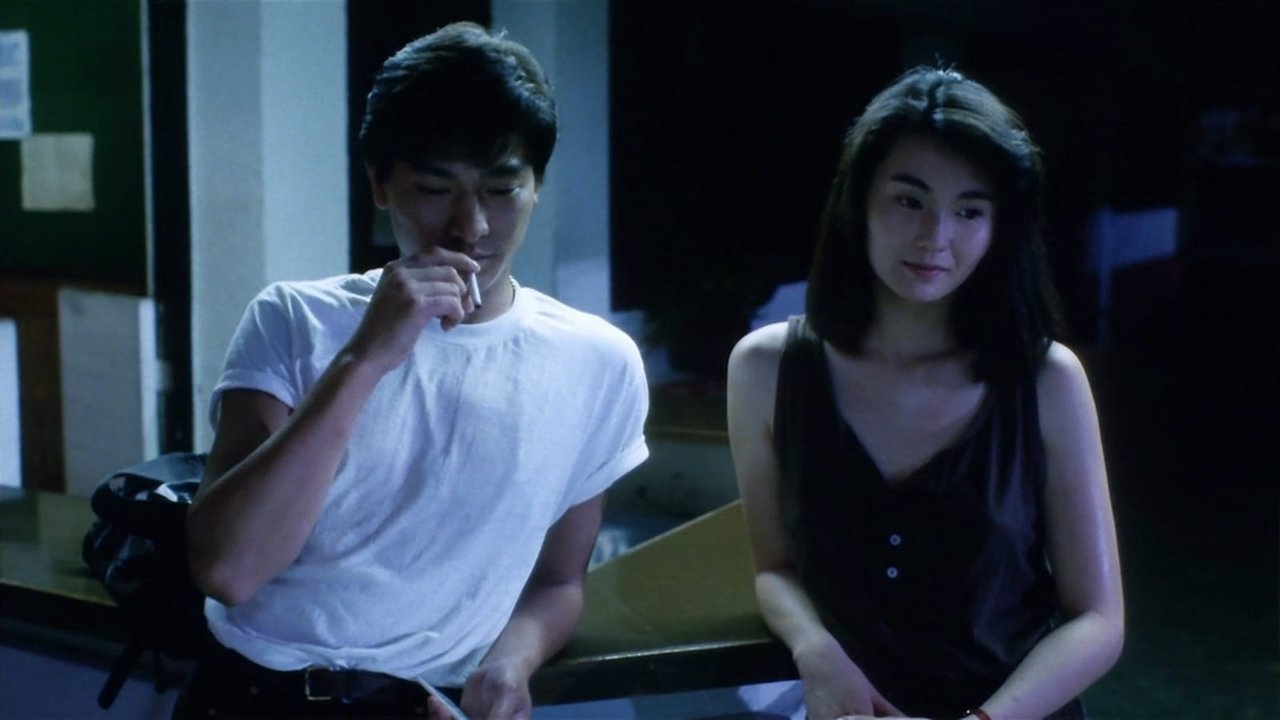
The film throws us headfirst into the life of Wah (Andy Lau), a handsome, relatively cool-headed triad "dai lo" (big brother) whose existence is a constant tightrope walk between enforcing street justice and cleaning up the messes made by his reckless, loose-cannon sworn brother, Fly (Jacky Cheung). Wah carries the weary weight of responsibility, a quiet storm beneath a stoic exterior. This precarious balance is thrown into beautiful disarray with the arrival of his cousin, Ngor (Maggie Cheung), visiting from the calmer shores of Lantau Island for medical treatment. Her presence introduces a tenderness, a possibility of escape, that clashes violently with the obligations and dangers of Wah's world.
It’s a narrative structure familiar to anyone versed in gangster cinema, and indeed, Wong Kar-wai himself has acknowledged the influence of Martin Scorsese’s Mean Streets (1973). The dynamic between the burdened Wah and the self-destructive Fly clearly echoes that of Harvey Keitel's Charlie and Robert De Niro's Johnny Boy. Yet, As Tears Go By carves out its own distinct identity, drenched in the specific atmosphere of late-80s Hong Kong – a city caught between tradition and rapid modernity, its anxieties mirrored in the characters' volatile lives. The film was shot on location in the bustling, sometimes grimy district of Mong Kok, lending it an authenticity that grounds the heightened drama. Even the film's Cantonese title, Wong Gok ka moon (旺角卡門), translates to "Mong Kok Carmen," hinting at the opera's themes of doomed love and inescapable fate, a layer often lost in the English title.
A Trio of Stars Aligning
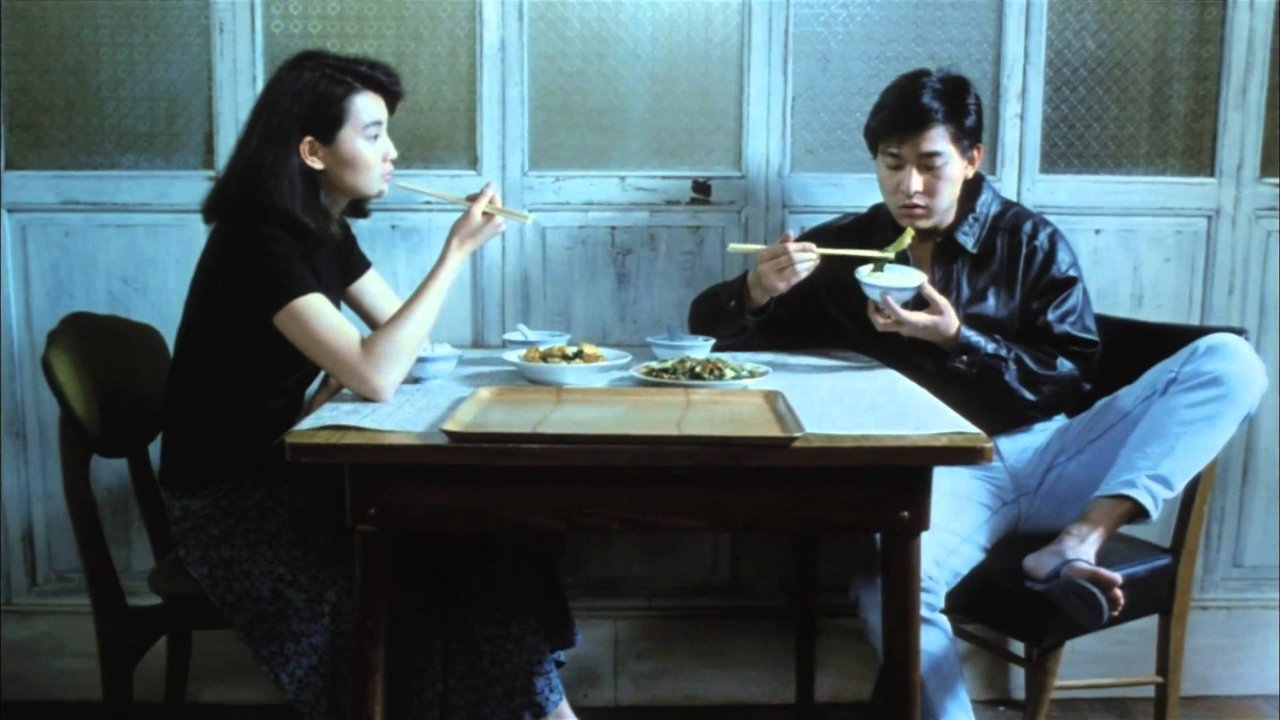
The performances are absolutely central to the film's enduring power. Andy Lau, already a major Cantopop and screen star, brings a magnetic presence to Wah. He’s the archetype of the honourable gangster, loyal to a fault, but Lau subtly conveys the internal conflict, the yearning for something more that Ngor represents. His chemistry with Maggie Cheung is immediate and palpable. Cheung, radiant even amidst the urban grit, imbues Ngor with a quiet strength and vulnerability. Their burgeoning relationship, often unfolding in quiet glances and tentative gestures – a shared phone booth call, a hesitant kiss – provides the film's emotional core, a fragile sanctuary against the surrounding chaos.
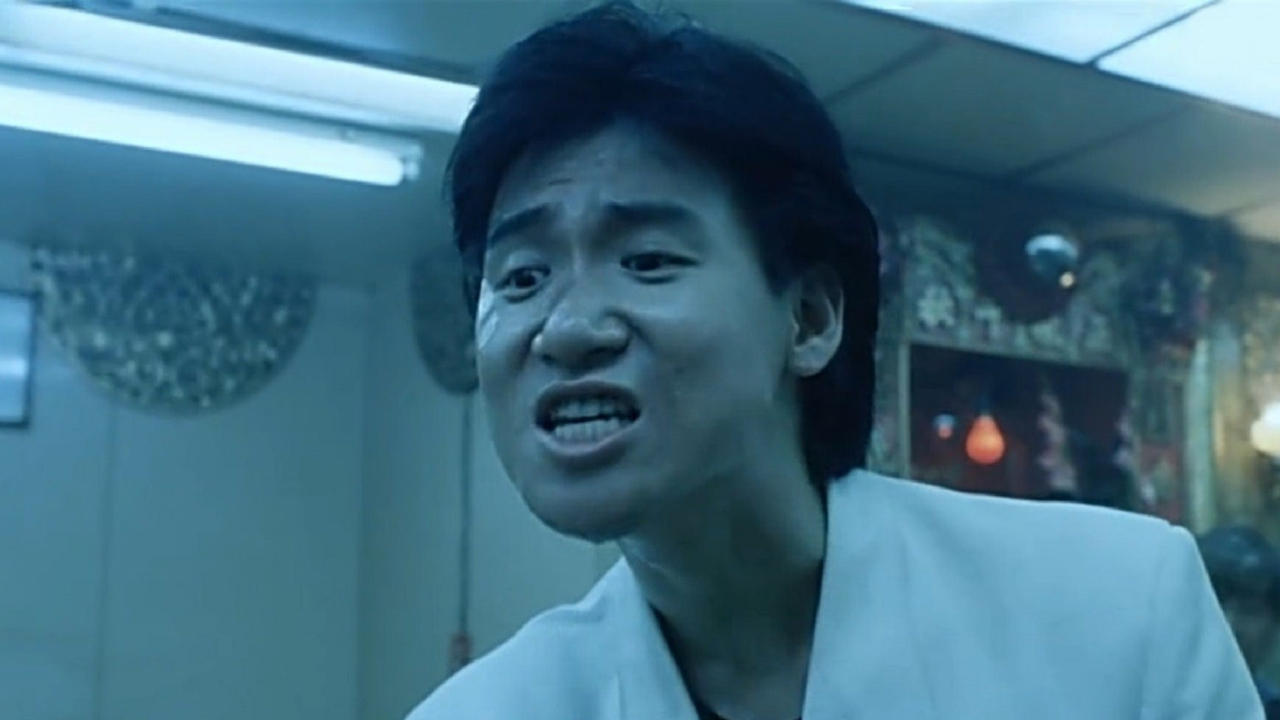
But it's Jacky Cheung as Fly who often threatens to steal the show. His performance is a live wire of insecurity, bravado, and desperation. Fly is constantly seeking validation through reckless acts, pulling Wah deeper into trouble with every ill-conceived scheme. It’s a performance of startling intensity, veering from pathetic to genuinely menacing, and it rightfully earned Cheung the Hong Kong Film Award for Best Supporting Actor. Decades later, his defiant shout in a particular scene became an internet meme ("Eat shit, Jacky!"), a strange testament to the character's unforgettable impact – a raw portrayal of small-time gangsterdom's tragicomic futility.
Flashes of the Future
While As Tears Go By adheres more closely to genre conventions than Wong Kar-wai's later, more impressionistic work, the seeds of his signature style are undeniably present. You see it in the expressive use of colour, particularly the lurid neon glow of the city at night. You see it in the step-printed slow-motion that punctuates moments of violence or intimacy, lending them a heightened, almost poetic quality. And you certainly hear it in the evocative soundtrack, most famously featuring Sally Yeh's Cantonese cover of Berlin's "Take My Breath Away," used to underscore the burgeoning romance with a bittersweet intensity that would become a Wong trademark. It was a surprisingly commercial film for Wong's debut, proving a box office success in Hong Kong and establishing him as a director to watch, even if his path would soon diverge significantly from mainstream crime thrillers.
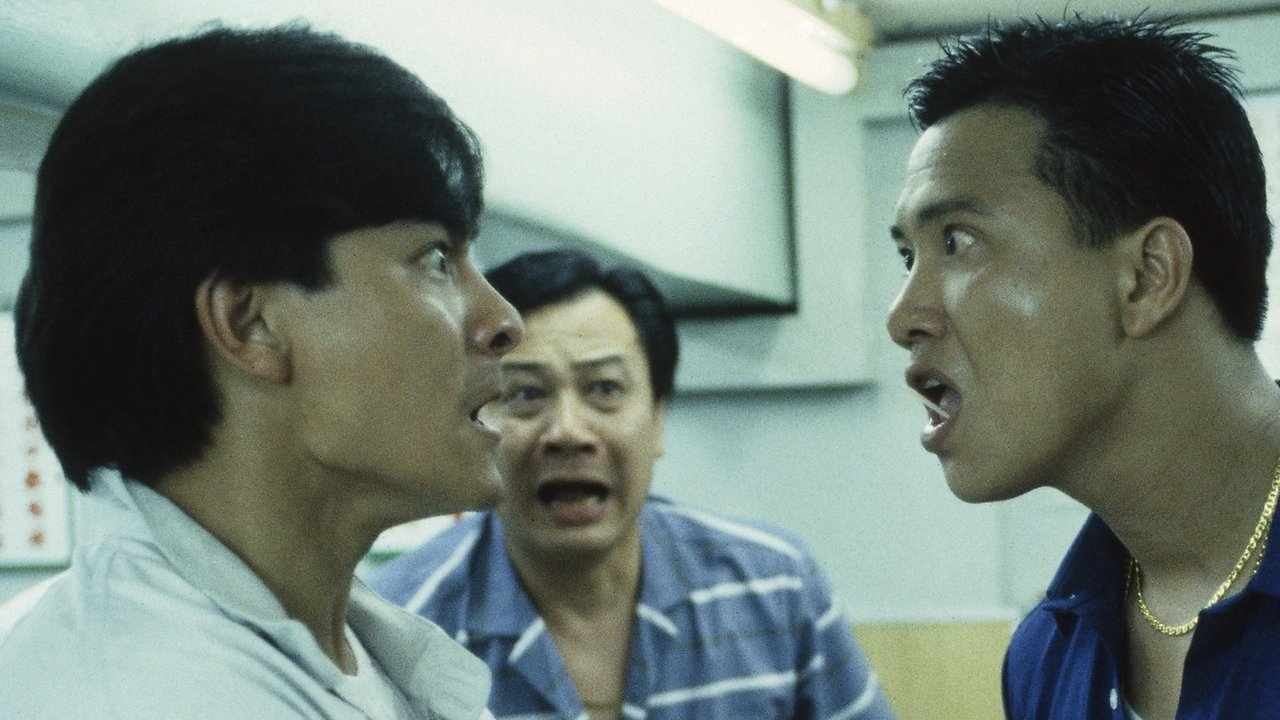
The action sequences, too, while perhaps influenced by the heroic bloodshed genre popularised by directors like John Woo (A Better Tomorrow (1986)), have a unique flavour. They feel less balletic and more brutal, emphasizing the chaotic, messy reality of street violence rather than just its aesthetics. The pool hall confrontation is a standout, crackling with tension before exploding.
Loyalty's Heavy Price
Ultimately, As Tears Go By is a study in contrasts: the suffocating loyalty of brotherhood versus the liberating potential of love; the allure of the gangster life versus its inevitable destructive path. It doesn't offer easy resolutions. The pull of the Jianghu (the martial world, or underworld) proves tragically strong, suggesting that some cycles are unbreakable, some obligations inescapable. Does Wah truly have a choice, or is his fate sealed the moment he embraces the life? The film leaves you pondering the weight of choices made under duress, the definition of honour in a dishonourable world.
Watching it today, there's a definite nostalgic pang – remembering those distinctively designed VHS covers from Hong Kong imports, the thrill of discovering these intense dramas often passed around between friends. It captures a specific moment in time, both for Hong Kong cinema and for a director on the cusp of redefining modern film language.
Rating: 8/10
Justification: As Tears Go By stands as a powerful, stylish, and emotionally resonant directorial debut. While perhaps more conventional than Wong Kar-wai's later masterpieces, its raw energy, compelling performances (especially Jacky Cheung's award-winning turn), atmospheric depiction of 80s Hong Kong, and early flashes of WKW's unique visual style make it a standout crime drama. The central relationships are deeply felt, and the film's exploration of loyalty and consequence remains impactful. It's more than just a historical curiosity; it's a genuinely gripping piece of filmmaking that laid crucial groundwork.
Final Thought: Beyond the neon and the bloodshed, what lingers is the aching sense of inevitability, a poignant snapshot of youthful dreams colliding with the harsh realities of a life chosen, or perhaps, imposed. It’s a reminder that even within genre confines, nascent genius can shine through.