It starts not with a bang, but with a haunting slide guitar melody – the sound of the Delta blues whispering secrets across time. Then, a jarring cut to the meticulous, almost sterile world of Juilliard classical guitar training. That contrast is the very soul of Walter Hill's Crossroads (1986), a film that felt like finding a hidden gem on the video store shelf, promising something deeper and more resonant than your average 80s teen flick. It wasn't just a movie; it felt like an invitation to a journey, down dusty highways towards the heart of American musical mythology.
A Young Prodigy's Blues Quest
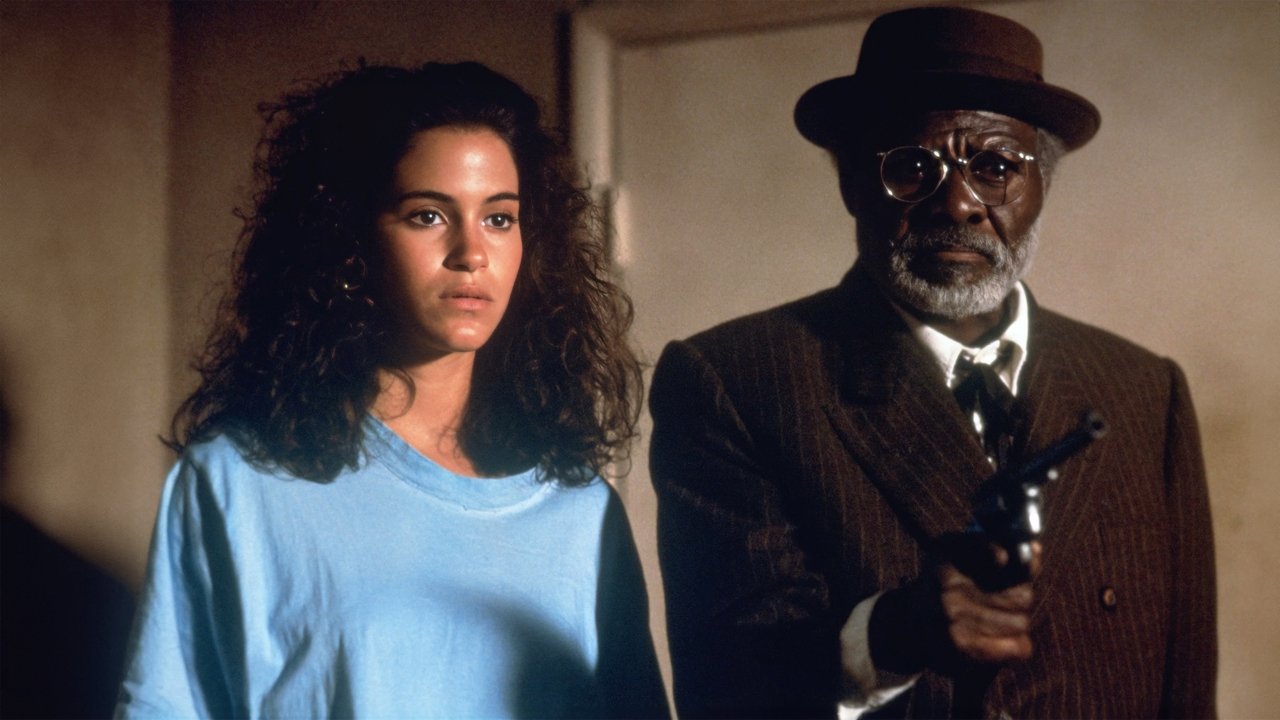
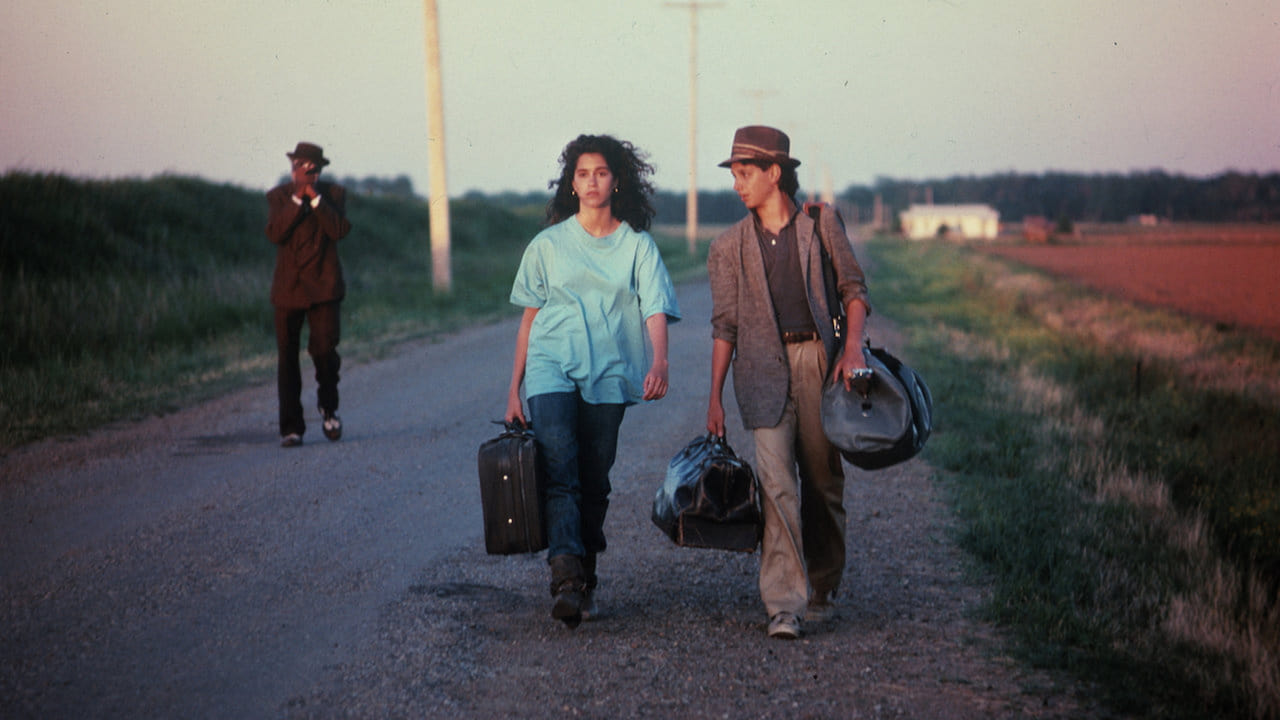
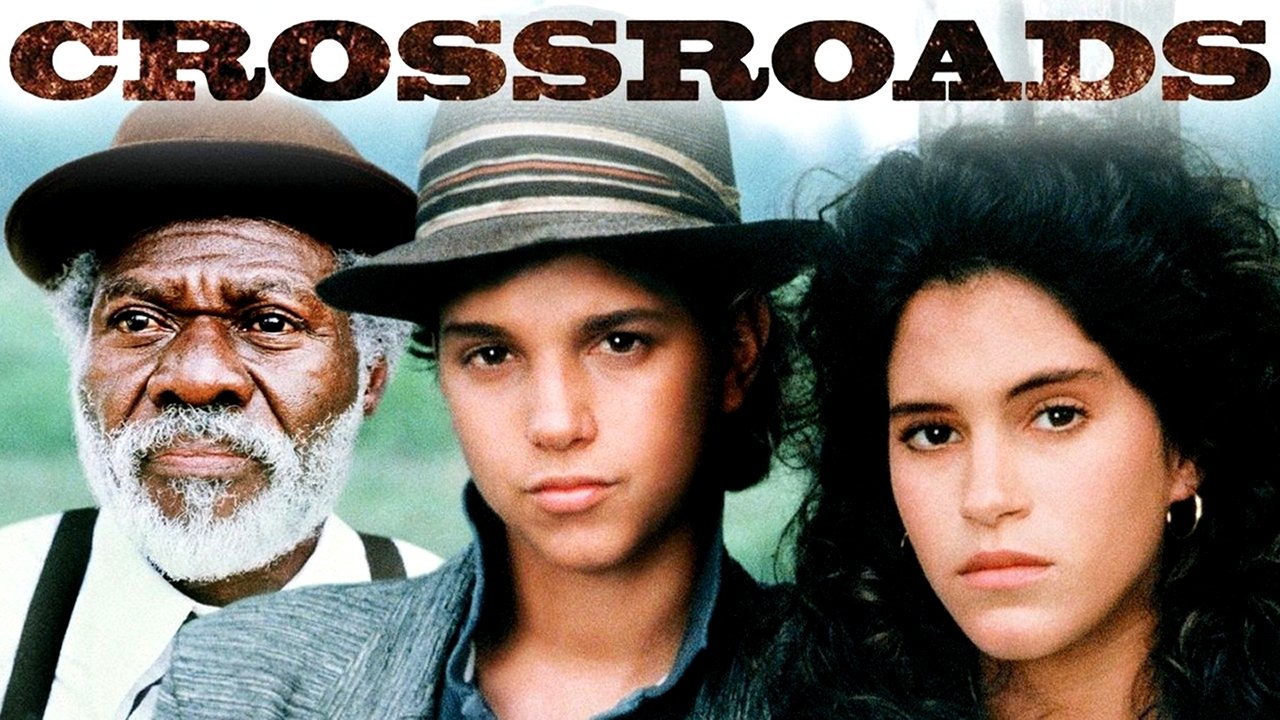
Our guide on this journey is Eugene Martone, played with earnest intensity by Ralph Macchio, fresh off crane-kicking his way into stardom with The Karate Kid (1984). Eugene, nicknamed "Lightning Boy" for his technical prowess, is obsessed not just with the blues, but with the legend of Robert Johnson – specifically, a rumored lost 30th song. His research leads him to a minimum-security hospital and one Willie Brown (the magnificent Joe Seneca), a cantankerous old harmonica player who claims to have known Johnson and might just hold the key to that missing tune. A deal is struck: Eugene helps break Willie out and get him back to Mississippi, and Willie teaches him the song. What follows is a road trip movie infused with the spirit of the blues, a pilgrimage into the past, and a sometimes-uneasy mentorship. Along the way, they pick up the disillusioned runaway Frances (Jami Gertz), adding another layer of youthful searching to their quest.
Finding the Soul Behind the Notes
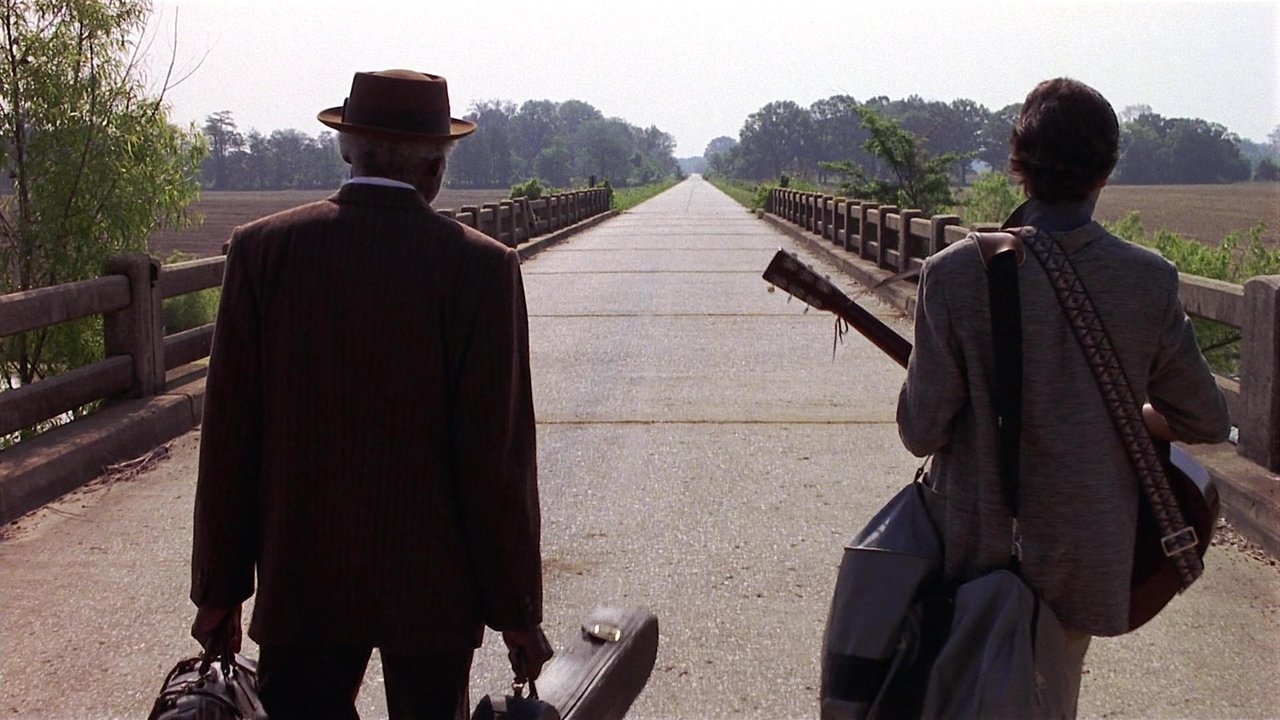
Walter Hill, a director more readily associated with gritty action like The Warriors (1979) or 48 Hrs. (1982), might seem an odd choice for a blues odyssey. Yet, he brings a certain rugged authenticity to the proceedings. He lets the landscapes of the Deep South breathe, capturing the atmosphere of juke joints and lonely highways. The film wisely understands that the blues isn't just about notes; it's about feeling, history, and hardship. While Macchio embodies the eager student, technically brilliant but lacking the lived experience, it's Joe Seneca who anchors the film. Seneca, himself a songwriter before finding acting success later in life, imbues Willie Brown with weary wisdom, sly humor, and a deep wellspring of pain. Their dynamic, the classically trained kid learning from the grizzled bluesman, forms the movie's compelling core. It’s a relationship that feels genuine, built on mutual need and grudging respect.
Myths, Music, and Retro Fun Facts
The screenplay, penned by John Fusco (who later wrote Young Guns), was born from his own deep dive into blues history as a young man, lending the story an air of passionate authenticity. Fusco reportedly traveled the Delta himself, soaking in the atmosphere that permeates the film. Of course, the legend looming over everything is Robert Johnson's supposed deal with the devil at the crossroads – a myth the film leans into with thrilling, supernatural flair in its climax.
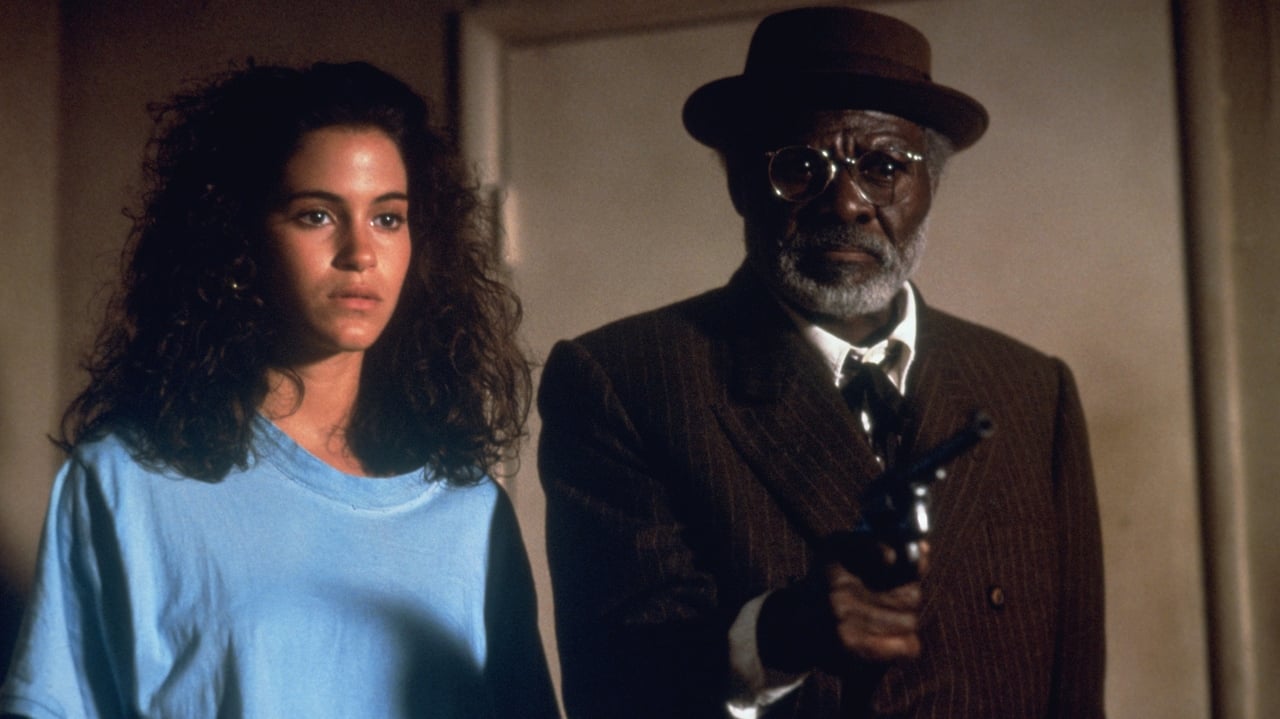
And what a climax it is! The legendary guitar duel where Eugene must outplay Jack Butler, Scratch's (the Devil's) chosen shredder, is pure 80s cinematic magic. It’s a sequence that still gives me chills. Here’s a fun tidbit: while Macchio diligently learned the complex fingerings for visual authenticity (reportedly practicing intensely), the fiery blues slide parts you hear him play were actually performed by the legendary Ry Cooder (who also scored the film beautifully), and Jack Butler's mind-bending guitar wizardry? That was none other than guitar virtuoso Steve Vai, who makes a memorable appearance as Butler himself. The piece Vai plays, "Eugene's Trick Bag," incorporates classical elements reflecting Eugene's background alongside blistering rock technique, becoming an iconic piece for guitarists everywhere. Filming the duel required intricate choreography between the actors and careful editing to sync the visuals with the pre-recorded tracks – a testament to Hill's craft.
Despite its unique premise and stellar soundtrack, Crossroads wasn't a massive box office smash upon release, earning a modest $5.8 million. It wasn't easily categorized – part road movie, part musical drama, part coming-of-age story, with a dash of Faustian fantasy thrown in. But like many VHS favorites, its reputation grew over time, particularly among music lovers and guitar players who recognized its genuine affection for the blues and that unforgettable final showdown.
Down at the Crossroads
Does Crossroads perfectly capture the raw, untamed spirit of the Delta blues? Perhaps not entirely. The plot sometimes meanders, and the romantic subplot with Jami Gertz's character, while adding emotional texture, can feel a little underdeveloped compared to the central mentorship. But what it does capture is the romance of the blues, the allure of its legends, and the transformative power of music. It’s about finding your voice, whether through intricate classical scales or soul-baring bends on a six-string. Watching it again feels like revisiting an old friend who still knows how to tell a great story, set to an incredible soundtrack. It taps into that feeling of youthful searching, the desire to connect with something authentic and timeless.
VHS Heaven Rating: 8/10
This score reflects the film's undeniable heart, the fantastic performances (especially Joe Seneca's career highlight), Ry Cooder's evocative score and slide work, and that utterly iconic guitar duel powered by Steve Vai. While it might not be flawless structurally, its unique blend of myth, music, and mentorship creates a truly memorable cinematic journey. It’s a film that respects its musical roots while delivering pure 80s entertainment.
Crossroads remains a soulful gem from the VHS era, a reminder that sometimes the most important lessons aren't taught in fancy schools, but found down dusty roads where legends linger and the devil might just be waiting to make a deal. Grab your air guitar and turn it up.